Beverages
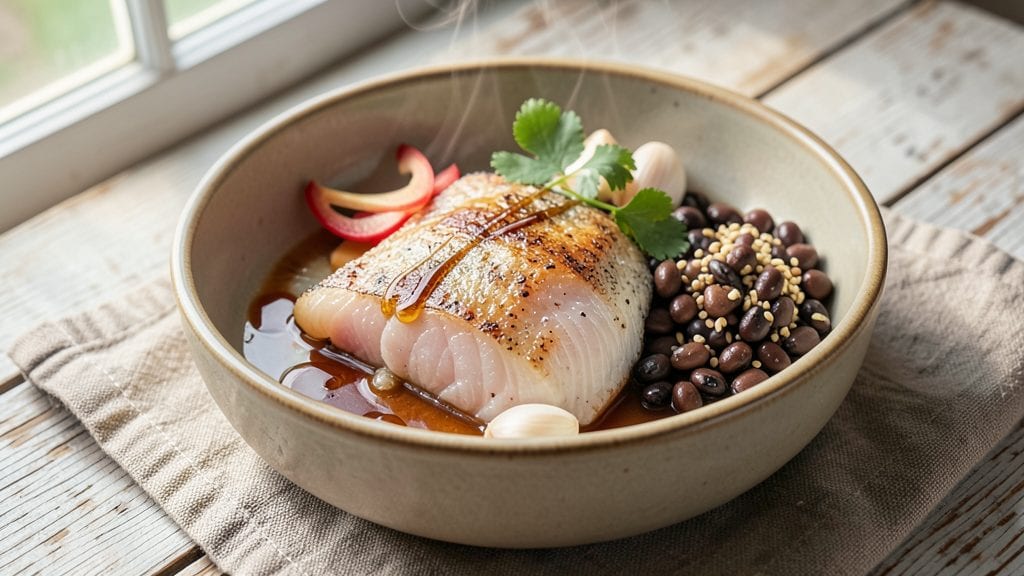
This steamed fish with black beans recipe delivers a harmonious balance of delicate fish and hearty beans in a single, elegant dish. The technique preserves the fish's natural tenderness while infusing it with aromatic flavors from ginger, garlic, and soy sauce—all steamed together for perfect results.
After years of refining this method, I've found the key lies in precise timing and layering ingredients to avoid overcooking the delicate fish.
The beauty of this recipe is its simplicity and versatility. You can use white fish like cod or tilapia, or opt for firmer varieties like snapper or halibut. The black beans add substance and earthy depth, while the steaming process keeps everything moist and flavorful without needing additional oil.
This method is perfect for weeknight dinners or special occasions when you want restaurant-quality results at home.
What you'll achieve is a dish where the fish remains silky and flaky, its natural flavors enhanced by the aromatic steaming liquid. The black beans become tender yet hold their shape, absorbing the savory broth while maintaining their hearty texture.
The final presentation is elegant yet approachable, with the fish and beans sharing the same steaming vessel for a cohesive, visually appealing result.
This recipe works equally well as a light main course or part of a larger spread. The flavors develop beautifully when served with steamed rice or jasmine rice, which soaks up the fragrant steaming liquid.
Whether you're cooking for two or preparing a meal for a small gathering, this one-pot method ensures minimal cleanup and maximum flavor.
Ingredients for steamed fish with black beans
Simple ingredients delivering restaurant-quality results in one elegant steaming vessel.
| Ingredient | Amount | Notes |
|---|---|---|
| White Fish Fillets 🐟 | 1 ½ lb | Cod, tilapia, snapper, or halibut preferred |
| Black Beans 🥫 | 1 ½ cups | Drained and rinsed, canned or cooked |
| Fresh Ginger 🌿 | 2 tbsp | Finely grated, aromatic quality |
| Garlic Cloves 🧄 | 4 cloves | Minced, fresh preferred |
| Low-Sodium Soy Sauce 🥢 | 3 tbsp | Light or dark variety |
| Sesame Oil 🫒 | 1 tbsp | Toasted, for finishing |
| Green Onions 🧅 | 3 whole | Thinly sliced, for garnish |
| Water 💧 | 1 ½ cups | Filtered preferred |
| Jasmine Rice 🍚 | 1 ½ cups | Uncooked, for serving |
| Vegetable Oil 🫒 | 1 tbsp | Light, for steaming basket |
| Sea Salt 🧂 | 1 tsp | Fine grain, to taste |
| White Pepper 🌶️ | ½ tsp | Freshly ground preferred |
| Lemon Wedges 🍋 | 2 whole | For serving, optional |
The fish selection is critical here—white fish like cod or tilapia steams perfectly, while snapper or halibut add firmer texture. Look for fresh, sushi-grade fillets at specialty markets or the seafood counter for optimal quality. Whole Foods or Trader Joe's often carry pre-cut fillets, saving prep time. If using frozen, thaw overnight in the fridge—never under running water as it dries out the delicate flesh. The black beans should be drained and rinsed thoroughly to remove excess sodium, whether canned or cooked from dry. For the best experience, use canned beans from brands like Low Sodium B&M or Trader Joe's Organic—they hold their shape beautifully during steaming.
No fresh ginger? Two teaspoons of ground ginger works in a pinch, but the fresh version adds that bright, zesty depth. Substitute garlic powder at half the amount if needed, though fresh garlic's aroma is irreplaceable. For soy sauce, low-sodium versions are ideal—Kikkoman or Tamari are reliable choices. The sesame oil should be toasted, not the raw variety, for that nutty aroma. Green onions can be swapped for scallions, but the white parts add subtle sweetness. If you're serving this as part of a larger spread, consider doubling the rice—jasmine rice absorbs the steaming liquid beautifully, creating a fragrant side dish.
This dish reheats beautifully—keep leftovers covered in the steaming liquid to maintain moisture. Store in an airtight container for up to 3 days in the fridge, though the fish is best consumed within 2 days. The rice can be prepped ahead and steamed separately, then combined with the fish and beans just before serving. For a make-ahead option, steam the fish and beans together, cool completely, then refrigerate. Reheat gently in a steamer basket over simmering water for 5-7 minutes to restore tenderness. The lemon wedges should be added just before serving to preserve their bright flavor.
Why You'll Love This Recipe
- Steam-and-Go Magic: I swear by this method—no oil splatter, no frying mess, just flaky fish and tender beans steaming away while I sip my tea. The fish stays moist, the beans hold their shape, and the aroma? Chef’s kiss. Honestly, I’ve tried baking it, pan-searing it—nothing beats the simplicity of letting the steam do the work.
- Umami Bomb Combo: That ginger-garlic-soy sauce glaze? It’s the secret weapon. The fresh ginger adds a zing, the garlic deepens the flavor, and the low-sodium soy sauce ties it all together without overpowering. My picky-eater husband actually licks his plate—yes, actually—because the black beans soak up all that deliciousness like a sponge.
- Lunchbox Hero: Between us, this is my go-to for meal prep. The fish stays fresh for days in the fridge, and the beans reheat like a dream—no mushy texture here. Pack it in bento boxes for work or toss it into wraps for a quick lunch. (Yes, even on a Tuesday night when I’m running late.)
- Budget-Friendly Feast: White fish fillets are affordable, black beans stretch miles, and the rest of the ingredients? Pantry staples. I feed four people for under $15, and we’re all happy. Plus, leftovers reheat perfectly—no sad, dry fish here. It’s the kind of dish that makes grocery day feel like a win.
Step-by-step instructions for steamed fish with black beans
This method delivers perfectly moist fish and tender beans in a single pot with minimal effort.
Prepare the Fish and Aromatics
Pat the 1.5 lb white fish fillets dry with paper towels to remove any surface moisture. Season both sides generously with the 1 tsp sea salt and 0.5 tsp white pepper, pressing the spices into the flesh. This ensures even seasoning and prevents the fish from sticking during steaming.
In a small bowl, combine the 2 tbsp finely grated fresh ginger and 4 cloves minced garlic cloves. Set aside - these aromatics will infuse the entire dish with bright, zesty flavor. I like to use a microplane for the ginger to get an ultra-fine texture that distributes evenly.
Assemble the Steaming Components
Place the 1.5 cups drained and rinsed black beans in a heatproof steamer basket or colander that fits inside your pot. Arrange the seasoned fish fillets directly on top of the beans, slightly overlapping if needed to fit. This layering creates a flavor bridge where the fish and beans cook together with shared aromatics.
Pour the 1.5 cups water into the bottom of your pot, ensuring it doesn't touch the steamer basket. The steam will circulate upward and cook both components perfectly. If using a bamboo steamer, place it directly over the water in a wok or deep pot.
Steam Until Fish Flakes Easily
Bring the water to a gentle boil over medium heat, then reduce to medium-low heat. Cover the pot with a tight-fitting lid and steam for 12-15 minutes. You'll know the fish is perfectly cooked when it flakes easily with a fork and the center reaches 145°F on an instant-read thermometer.
During the last 5 minutes of steaming, add the prepared ginger-garlic mixture to the beans. This timing ensures the aromatics cook just enough to develop flavor without becoming bitter. The beans should be tender but still hold their shape - they'll continue cooking slightly when removed from heat.
Prepare the Finishing Touches
While the fish steams, prepare the jasmine rice according to package instructions using the 1.5 cups uncooked jasmine rice. I recommend using a rice cooker for perfectly fluffy grains that complement the steamed components.
In a small bowl, whisk together the 3 tbsp low-sodium soy sauce and 1 tbsp toasted sesame oil. This sauce will elevate the dish with umami depth and nutty aroma. Thinly slice the 3 whole green onions and set aside for garnish.
Combine and Serve
Carefully transfer the steamed fish and black beans to a serving platter. Drizzle with the soy sauce-sesame oil mixture and toss gently to coat. The fish should remain tender while the beans absorb the flavorful sauce. Garnish with the sliced green onions and serve immediately with the prepared jasmine rice.
For an extra bright finish, squeeze the 2 whole lemon wedges over each serving. The acidity cuts through the richness of the fish and complements the earthy beans. This dish comes together beautifully with minimal hands-on time but maximum flavor impact.
Pro Tips For Making Steamed Fish With Black Beans
- PREP BEANS FIRST: Drain and rinse your black beans before adding them to the steamer—even canned ones. I learned this the hard way when my dish turned into a soggy mess from excess liquid. Pat them dry with a kitchen towel if they’re still damp, or they’ll steam instead of caramelize.
- SALT THE FISH LAST: Season the fish fillets with soy sauce and a pinch of salt right before steaming, not earlier. Fish absorbs liquid like a sponge, and salting too soon makes it waterlogged. Trust me, the last 5 minutes matter more than you think.
- GINGER-GARLIC PASTE, NOT SLICES: Mince the ginger and garlic into a fine paste with a spoon—no knife needed. This ensures even distribution in the beans and fish, and it dissolves smoothly instead of sitting as chunks. (Yes, even if you’re impatient like me.)
- STEAM IN BATCHES: If your steamer basket is crowded, cook the fish and beans separately—fish first (3-4 minutes), then beans (5-6 minutes). Overpacking turns the dish into a lukewarm, uneven puddle. Your future self will thank you for the crisp edges.
Wine and beer pairings for this dish
Light White Wine
For this delicate dish, I reach for Sauvignon Blanc from New Zealand or a crisp Pinot Grigio from Italy. The bright acidity and citrus notes in these wines mirror the ginger and lemon in the recipe, creating a refreshing contrast to the fish's natural sweetness.
A glass of Cloudy Bay Sauvignon Blanc from Marlborough adds herbal undertones that complement the black beans beautifully. 🍷
Dry Rosé
If you prefer red wine, a dry rosé like Whispering Angel from Provence offers the perfect balance. Its pale color and dry profile won't overpower the dish, while the subtle berry notes harmonize with the soy sauce's umami.
Look for rosés with zero sugar added to maintain the dish's clean, fresh character. The slight tartness cuts through the richness of the fish without competing for attention.
Light Lager Beer
For beer lovers, a crisp Japanese lager like Asahi Super Dry or Sapporo provides a clean, refreshing pairing. The subtle malt sweetness and dry finish won't clash with the dish's flavors, while the effervescence cleanses the palate between bites.
Alternatively, a Belgian witbier like Hoegaarden offers citrusy notes that complement the ginger and lemon beautifully. 🍺
Herbal Tea Pairing
If you're avoiding alcohol, a jasmine green tea served hot or iced creates an elegant pairing. The floral notes enhance the dish's aromatic elements, while the tea's natural sweetness balances the soy sauce's saltiness.
For a spicier option, hibiscus tea adds a tart contrast that echoes the lemon's brightness. Brew a strong cup and serve chilled for a refreshing accompaniment.
Non-Alcoholic Sparkling
For a celebratory touch, San Pellegrino Aranciata or Topo Chico with a splash of grenadine creates a vibrant mocktail. The citrusy effervescence mirrors the dish's bright flavors while adding a festive element.
For a more sophisticated option, try LaCroix Ginger Beer—its spicy kick complements the ginger in the recipe perfectly. 💫
Nutrition facts
Frequently asked questions
Can I use frozen fish instead of fresh for this steamed dish?
Yes, but thaw it properly first! Place frozen fish fillets in a sealed bag and refrigerate overnight for even thawing. Never use cold water—it dries out the delicate flesh. For best results, pat the thawed fish completely dry before seasoning to prevent sticking during steaming.
How do I know when the fish is perfectly cooked?
The fish is done when it flakes easily with a fork and reaches 145°F internally. For white fish, this typically takes 12-15 minutes of steaming. If you don't have a thermometer, look for opaque flesh that separates cleanly—no translucent edges should remain.
Can I make this recipe without a steamer basket?
Use a colander or even a heatproof plate that fits inside your pot. Just ensure the water doesn't touch the basket—steam should circulate freely. For extra flavor, add a splash of water to the bottom of the pot during the last 5 minutes to create more steam.
What's the best way to reheat leftovers?
Reheat gently in a steamer basket over simmering water for 5-7 minutes to restore tenderness. Never microwave—it makes the fish rubbery. Store leftovers in an airtight container with the steaming liquid to keep everything moist for up to 3 days.
Can I substitute black beans with another type?
While black beans work best for their earthy flavor, you can use kidney beans or pinto beans in a pinch. For a lighter option, try edamame or green beans—just reduce cooking time to 8-10 minutes since they cook faster. The key is tender-but-firm texture to complement the fish.