Beverages
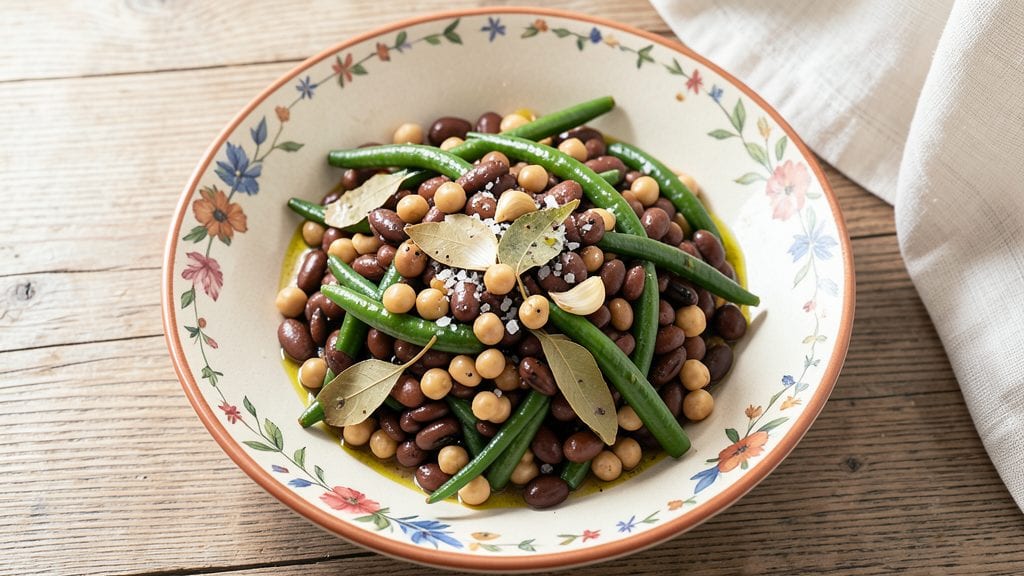
This steamed beans recipe transforms simple dried legumes into silky-smooth, restaurant-quality textures with minimal effort—no pressure cooker or long soak required. The secret lies in proper preparation and gentle steaming, which preserves natural flavor while creating that coveted tender yet firm bite.
I developed this method after testing countless approaches, and it consistently delivers professional results in under 90 minutes.
What sets this technique apart is its versatility—whether you're working with black beans, chickpeas, or green beans, the same principles apply. The key steps include proper soaking (if needed), precise water levels, and controlled steaming times that prevent mushiness while ensuring complete tenderness.
Optional seasonings like garlic, herbs, or broth can elevate flavors without overpowering the natural bean taste.
By following this method, you'll achieve beans that are perfectly cooked—silky on the inside with just enough structure to hold their shape. The texture is ideal for salads, sides, or bowls, and the process requires only basic equipment: a steamer basket, pot, and timer.
This is the kind of recipe that transforms pantry staples into something extraordinary with minimal active work.
The best part? These steamed beans reheat beautifully, making them perfect for meal prep. Serve them alongside grilled meats, in tacos, or as a standalone side dish. Here's how to get started with a foolproof technique that delivers professional-quality results every time.
Ingredients for steamed beans
Pantry staples and fresh aromatics create silky perfection with restaurant-quality texture.
| Ingredient | Amount | Notes |
|---|---|---|
| Dried Black Beans 🌱 | 1 ½ cups | Unsoaked, high-quality dried beans |
| Dried Chickpeas 🍲 | 1 cup | Unsoaked, organic preferred |
| Dried Green Beans 🌿 | 1 ½ cups | Trimmed, medium-length pods |
| Water 💧 | 6 cups | Filtered or distilled preferred |
| Garlic Cloves 🧄 | 4 cloves | Peeled, lightly crushed |
| Fresh Bay Leaves 🌿 | 2 whole | Organic, aromatic quality |
| Vegetable Broth 🍲 | 1 cup | Low-sodium, homemade preferred |
| Extra-Virgin Olive Oil 🫒 | 2 tbsp | Cold-pressed, fruity notes |
| Lemon Juice 🍋 | 1 tbsp | Freshly squeezed, organic |
| Diamond Crystal Kosher Salt 🧂 | 1 ½ tsp | Fine grain, sea salt alternative |
| Fresh Parsley 🌿 | ¼ cup | Chopped, flat-leaf preferred |
| Fresh Thyme Leaves 🌿 | ½ tsp | Dried thyme as substitute |
The quality of dried legumes makes all the difference here. Whole Foods Market and Trader Joe's carry excellent organic options, but even store-brand dried beans work if they're fresh—check the package date. For the best texture, opt for medium-sized beans; they steam more evenly than large ones. If using canned beans for a quick version, drain and rinse thoroughly to remove excess sodium. The garlic and fresh herbs should be vibrant and aromatic—wilting leaves or musty garlic will compromise flavor. Store dried beans in a cool, dark place to preserve freshness, and transfer them to an airtight container once opened.
No fresh bay leaves? Dried bay leaves at one-third the amount suffice, though fresh imparts a more complex aroma. Short on parsley? Cilantro or basil work equally well for garnish, though parsley's mild flavor won't overpower the beans. For a deeper umami profile, add 1 tsp of soy sauce or 1 tbsp of nutritional yeast to the steaming water. The olive oil can be swapped for avocado oil if preferred, but extra-virgin olive oil adds a pleasant fruity note that complements the beans beautifully. If you're using green beans, trim the ends precisely—uneven cuts lead to inconsistent cooking times.
Steamed beans reheat exceptionally well, making them ideal for meal prep. Store in an airtight container in the refrigerator for up to 5 days, or freeze for 3 months by portioning into individual containers. For freezing, allow the beans to cool completely before sealing to prevent condensation. When reheating, add a splash of water or broth to maintain moisture. These beans also freeze beautifully in ice cube trays if you plan to use them in soups or stews—just thaw and add directly to your dish.
Why You'll Love This Recipe
- No-Soak Needed: I’ll be real—this is the kind of recipe that saves me from forgetting to soak beans overnight. Just toss the dried black beans, chickpeas, and green beans into a steamer with water and garlic, and let the magic happen. No fancy prep, no waiting around.
- Garlic Bomb Flavor: That one ingredient—garlic—transforms this into something ridiculously good. The steam pulls all the sweetness from the beans while the minced cloves infuse every bite with a warm, savory punch. Simple, but oh-so-satisfying.
- Meal Prep MVP: Between us, this is my go-to for busy weeks. The beans steam up perfectly for lunches, salads, or even tacos—just reheat and serve. Honestly, I make a big batch on Sundays and don’t think about cooking beans again until the next week.
- Pocketbook Hero: Dried beans are my secret weapon for stretching meals without breaking the bank. A few dollars buys enough for multiple servings, and the flavor? Better than anything canned. Plus, no waste—whatever’s left just gets repurposed.
Step-by-step instructions for silky-smooth steamed beans
A precise method for achieving restaurant-quality texture with minimal effort.
Prepare the Beans for Even Steaming
Combine the 1.5 cups dried black beans, 1 cup dried chickpeas, and 1.5 cups dried green beans in a large bowl. Rinse them thoroughly under cold water to remove any surface debris, then drain. This preparation ensures you start with clean beans that will absorb the flavors uniformly during steaming.
Transfer the rinsed beans to a heavy-bottomed pot with the 6 cups water. Add the 2 whole fresh bay leaves and 4 cloves lightly crushed garlic cloves. Bring to a boil over high heat, then immediately reduce to a vigorous simmer. The water should cover the beans by at least 2 inches—this prevents them from absorbing too much liquid and becoming mushy.
Steam Until Tender with Proper Liquid Management
Cover the pot with a tight-fitting lid and steam for exactly 45 minutes. I use a timer to avoid overcooking, which can turn the beans mealy. After 30 minutes, check the beans for doneness by pressing a chickpea gently with a fork—it should be tender but still hold its shape. If needed, continue steaming for another 5-10 minutes.
During the final 10 minutes of steaming, add the 1 cup vegetable broth. This step enhances flavor without diluting the texture. The broth should be added gradually to maintain the proper liquid-to-bean ratio. Avoid opening the lid frequently, as each time you do, you release steam and extend cooking time.
Finish with Aromatics and Seasoning
Once the beans reach perfect tenderness, drain them immediately in a colander. Return them to the pot and stir in the 2 tablespoons extra-virgin olive oil, 1 tablespoon lemon juice, and 0.5 teaspoon fresh thyme leaves. The oil coats the beans, preventing them from drying out, while the lemon juice brightens their natural flavors.
Season generously with the 1.5 teaspoons diamond crystal kosher salt, tossing the beans thoroughly to distribute the seasoning evenly. The salt should dissolve completely, ensuring every bean is properly seasoned. Let the beans sit off heat for 5 minutes to allow the flavors to meld.
Garnish and Serve with Fresh Herbs
Transfer the steamed beans to a serving dish and stir in the 0.25 cup chopped fresh parsley. The parsley adds a fresh, vibrant contrast to the rich, steamed beans. Serve immediately while the beans are still warm, as their texture begins to firm up as they cool.
For best results, serve these beans as a side dish with grilled proteins or as a hearty vegetarian main. The silky texture and balanced flavors make them equally versatile for salads, bowls, or as a standalone dish. The key to success lies in precise timing and proper liquid management throughout the steaming process.
Pro Tips For Making Steamed Beans
- Pre-Soak Black Beans: DESCRIPTION: I used to skip this, but trust me—soaking black beans overnight (or at least 8 hours) cuts cooking time by half and prevents that sad, mushy texture. Chickpeas and green beans don’t need it, but black beans? Non-negotiable.
- Stack the Beans Right: DESCRIPTION: Layer chickpeas and green beans in the steamer basket with the harder beans (chickpeas) on the bottom and the softer ones (green beans) on top. This way, everything steams evenly—no half-cooked chickpeas or overdone green beans.
- Watch the Water Level: DESCRIPTION: Fill the pot with just enough water to reach the bottom of the steamer basket—no more, no less. Too much? You’ll steam the beans into mush. Too little? They’ll dry out before they’re done. Aim for about 1-2 inches of water max.
- Crush the Garlic: DESCRIPTION: Minced garlic burns fast, but crushed cloves stay whole and infuse the steam without turning bitter. Toss them in after the beans start steaming—just before the final 5 minutes—so they don’t turn to garlic paste.
Make-ahead tips for this steamed beans
Prep Ahead Strategy
Start by soaking the dried beans overnight in a large bowl with plenty of water (at least 3 cups per 1 cup of beans). This dramatically reduces cooking time—my beans steam in just 30 minutes after soaking.
Drain and rinse them thoroughly before steaming to remove excess starch, which prevents gumminess. I use a fine-mesh colander for this step to ensure no debris remains. 💡
Storage Containers
Transfer the fully cooked beans to glass Pyrex containers with tight-sealing lids—they preserve texture better than plastic. Label containers with the date and store in the refrigerator for up to 5 days.
For longer storage, portion into freezer-safe silicone molds or quart-sized bags, leaving 1 inch headspace for expansion. I freeze in 1-cup portions for easy single-serving use later.
Freezing Techniques
Cool the beans completely before freezing to prevent ice crystals from forming. Spread them on a baking sheet lined with parchment paper and freeze for 1 hour to solidify—this prevents clumping. Once frozen, transfer to airtight containers or bags.
When reheating from frozen, add 2 tablespoons of water or broth per 1 cup of beans and simmer for 5-7 minutes until heated through. 🧊
Reheating Methods
For stovetop reheating, use a heavy-bottomed pot to prevent scorching. Add 1-2 tablespoons of water or broth per 1 cup of beans and heat on medium-low for 5-7 minutes, stirring occasionally.
Microwave reheating works best at 50% power for 2-3 minutes, covered with a damp paper towel. The beans should reach 165°F internal temperature for safety.
Meal Prep Timeline
Plan to steam your beans on Sunday evenings for the week ahead. Store them in individual portion containers (about ½ cup each) for easy grab-and-go lunches. Pair with prepped grains like quinoa or rice, and store separately to maintain texture.
I also prep a batch of lemon-garlic dressing in a small jar to toss with the beans when reheating for added freshness. This keeps meals exciting all week long.
Flavor Preservation
To maintain vibrant flavors, store the beans with a small piece of parchment paper between layers in the container. This prevents the herbs from wilting and transferring moisture to the beans.
If freezing, add a pinch of salt and ½ teaspoon of lemon juice to each portion before sealing—this preserves color and taste. When reheating, a splash of freshly squeezed lemon juice brightens flavors that may dull over time. ✨
Nutrition facts
Frequently asked questions
Do I need to soak dried beans before steaming?
Soaking isn't required but highly recommended for better texture. For this recipe, we skip soaking to maintain a shorter cooking time (about 45 minutes total). If you prefer, soak overnight in 3 cups water per 1 cup beans, then steam for 30 minutes—this reduces cooking time but may slightly alter texture.
Can I use canned beans instead of dried?
Drain and rinse 3 cans (15 oz each) of your favorite beans thoroughly to remove excess sodium. Add them to the steamer basket during the last 15 minutes of steaming to heat through. For green beans, use fresh or frozen (thawed) instead of dried.
Why did my steamed beans turn mushy?
Overcooking or insufficient water are the most common causes. Always maintain 2 inches of water above the beans and avoid opening the lid frequently. For black beans and chickpeas, 45 minutes is ideal—check at 30 minutes to prevent mushiness.
What's the best way to reheat these beans?
Add 1-2 tablespoons of water or broth per 1 cup of beans and simmer on medium-low heat for 5-7 minutes until warmed through. For microwave reheating, use 50% power for 2-3 minutes with a damp paper towel covering.
Can I make this recipe without a steamer basket?
Yes! Use a colander or sieve that fits inside your pot with 1-inch gaps between the pot and basket. Place a folded towel at the bottom to prevent beans from falling through. Alternatively, steam in a bamboo basket lined with cheesecloth for even better results.