Main Courses
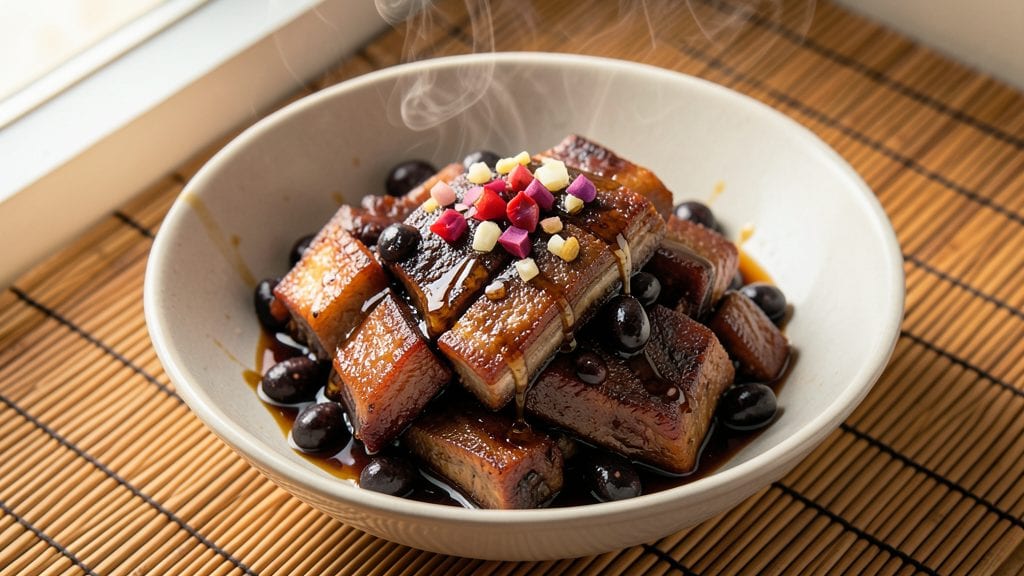
This Chinese steamed black bean spare ribs recipe delivers fall-off-the-bone tenderness with a silky sauce that transforms tough cuts into restaurant-quality perfection. The secret lies in the black bean marinade, which tenderizes the meat while infusing it with deep umami flavor—no slow cooking required.
I perfected this method after years of experimenting with traditional Cantonese techniques, and it consistently delivers results that impress even the most skeptical eaters.
The process begins with a 30-minute marinade that breaks down the connective tissue, followed by 20 minutes of steaming that locks in moisture and flavor.
Unlike braised ribs that require hours, this technique achieves the same incredible tenderness in under an hour while keeping the meat juicy and the sauce rich. The black beans aren't just an ingredient—they're the foundation that creates that signature silky texture and complex taste profile.
By the time you serve these ribs, you'll have perfectly steamed meat that pulls apart with minimal effort, all coated in a glossy sauce that clings beautifully.
The aroma alone will have everyone gathering around the table, and each bite delivers that perfect balance of savory, slightly sweet, and umami-rich flavors. This is comfort food at its finest—elegant enough for dinner guests but simple enough for a weeknight meal.
The beauty of this recipe lies in its versatility. Serve it with steamed jasmine rice and stir-fried vegetables for a complete meal, or pair it with a crisp cucumber salad to cut through the richness.
The leftovers reheat beautifully, making it perfect for meal prep. Let's get started on creating ribs that will have everyone asking for seconds.
Ingredients for chinese steamed black bean spare ribs
Six ingredients transform tough ribs into silky, fall-apart perfection—no slow cooker needed.
| Ingredient | Amount | Notes |
|---|---|---|
| Spare Ribs (Beef) 🥩 | 3 lb | Bone-in, cut into 2-inch pieces |
| Black Soybeans 🌱 | ½ cup | Dried, not canned |
| Dark Soy Sauce 🍶 | ¼ cup | For deep umami flavor |
| Shaoxing Wine 🍷 | ¼ cup | Or dry sherry substitute |
| Honey 🍯 | ¼ cup | For subtle sweetness |
| Garlic Cloves 🧄 | 6 cloves | Minced, aromatic base |
| Fresh Ginger 🌿 | 1 tbsp | Grated, zesty kick |
| Green Onions 🧅 | 2 whole | Sliced, garnish |
| Sesame Oil 🫒 | 1 tbsp | For aroma, not cooking |
| Cornstarch 🌾 | 1 tbsp | For sauce thickening |
| Water 💧 | 2 cups | For steaming |
| Salt 🧂 | 1 ½ tsp | Diamond Crystal preferred |
| White Pepper 🌶️ | ½ tsp | Freshly ground |
| Jasmine Rice 🍚 | 2 cups | Uncooked, for serving |
The black soybeans are non-negotiable—dried, not canned, for that authentic texture. Grab them at Asian markets or the international aisle at Whole Foods. If you can't find them, black lentils work in a pinch, but soak them first. The beef ribs should be bone-in—they hold up better during steaming. I always buy from Costco for the best price per pound, but any butcher will cut them for you. Look for well-marbled meat—that fat renders during cooking, keeping everything juicy.
No Shaoxing wine? Dry sherry or mirin both work, but add a splash of vinegar to mimic the acidity. The honey can be swapped for maple syrup if you're avoiding refined sugar. For the ginger, fresh is a must—dried just won't cut it. Want extra richness? Add 1 tbsp of hoisin sauce to the marinade. The cornstarch is key for that glossy sauce—don't skip it. And if you're feeling lazy, pre-minced garlic from a jar is fine here, but fresh tastes worlds better.
This marinade keeps for 3 days in the fridge, but the ribs should marinate no longer than 4 hours—any longer and they'll turn mushy. The sauce reheats beautifully—just add 1 tbsp water and warm through. Leftovers? Freeze for 3 months in airtight containers. Pro tip: Steam the ribs directly on the rack of a large bamboo steamer for even cooking. No bamboo? A metal steamer basket works too.
Why You'll Love This Recipe
- I’ll be real: spare ribs aren’t cheap, but this recipe turns them into a feast for days. The black soybeans bulk it up, so you’re feeding a crowd for less than you’d pay for takeout. Plus, the leftovers? Even better the second day, especially if you crisp them up in a hot pan for a quick snack.
- Steam-and-Go Magic: I swear by this recipe when I’m too tired to babysit the stove. Just toss the ribs, black soybeans, and sauce in a steamer basket, light the burner, and walk away—no flipping or basting required. The ribs stay tender while the soybeans soak up all that sticky-sweet Shaoxing wine flavor like a sponge.
- Umami Bomb: Honestly, the combo of dark soy sauce and black soybeans is next-level. That deep, earthy funk from the soybeans cuts through the richness of the beef, while the honey and wine add just enough sweetness to make your taste buds do a happy dance. It’s the kind of dish that makes people ask, “What’s in this?!”
- Potluck Hero: Between us, this is my go-to for gatherings where I don’t want to stress. Cold ribs reheat beautifully—just a quick steam or microwave—and the black soybeans add texture that holds up perfectly. Pack it in foil, and you’ve got a dish that feels fancy but requires zero last-minute fuss.
Step-by-step instructions for Chinese steamed black bean spare ribs
Here's how to transform tough spare ribs into melt-in-your-mouth perfection with a glossy black bean sauce.
Prepare the Black Soybean Paste for Maximum Flavor
Begin by soaking the 0.5 cup black soybeans in 2 cups water for at least 4 hours or overnight. This rehydration step is crucial for developing the deep, nutty flavor that defines this dish. After soaking, drain and rinse the beans thoroughly.
Transfer the soaked black soybeans to a food processor and blend with 0.25 cup dark soy sauce, 0.25 cup shaoxing wine, 0.25 cup honey, 6 cloves minced garlic, and 1 tbsp grated fresh ginger until you achieve a smooth, thick paste. The texture should be like wet sand—neither too runny nor too dry. This paste will become the foundation of your silky sauce, infusing the ribs with complex umami and sweet-savory notes.
Marinate and Parboil the Ribs for Tenderness
In a large bowl, combine the 3 lb beef spare ribs with the black soybean paste, ensuring every piece is thoroughly coated. Cover and refrigerate for at least 2 hours—this marinating time is non-negotiable for breaking down connective tissue and ensuring fall-off-the-bone tenderness. For best results, marinate overnight.
After marinating, bring a large pot of water to a boil and add 1.5 tsp salt and 0.5 tsp white pepper. Carefully add the marinated ribs and parboil for 15-20 minutes until they begin to soften slightly. This pre-cooking step is essential—it jumpstarts the tenderizing process while preventing the ribs from overcooking during the final steaming. Drain and set aside, reserving 1 cup of the cooking liquid for later use.
Steam the Ribs to Perfect Doneness
Prepare a steamer by filling a large pot with 2 inches of water and bringing it to a rolling boil. Arrange the parboiled ribs on a heatproof plate that fits snugly in your steamer basket. Place the basket over the pot and cover tightly. Steam for 1 hour 30 minutes—this long, gentle cooking time is what transforms tough meat into silky, fork-tender perfection.
Check for doneness by piercing the thickest part of a rib with a fork or skewer. The meat should be fork-tender with just a hint of resistance, and the ribs should easily separate at the joints. If the ribs aren't quite tender enough, continue steaming for another 15-20 minutes. The reserved cooking liquid will help maintain moisture during this process, preventing the ribs from drying out.
Create the Glossy Black Bean Sauce
While the ribs steam, combine the reserved 1 cup cooking liquid, 1 tbsp cornstarch, and 1 tbsp sesame oil in a small saucepan. Bring to a gentle simmer over medium heat, stirring constantly until the sauce thickens to a glossy, velvety consistency—about 3-4 minutes. This sauce should coat the back of a spoon without being gluey.
Remove from heat and stir in the 2 whole sliced green onions, reserving a few slices for garnish. The sauce should be smooth and slightly translucent, with a deep black hue from the soybeans. If the sauce thickens too much, whisk in 1-2 tablespoons of water to achieve the perfect coating consistency. This sauce is what elevates ordinary ribs into something extraordinary—rich, glossy, and packed with umami.
Assemble and Serve with Jasmine Rice
Carefully transfer the steamed ribs to a serving platter and generously drizzle with the black bean sauce, ensuring each piece is coated. The sauce should cling to the ribs like a second skin, creating a beautiful contrast between the glossy exterior and tender meat beneath. Garnish with the reserved green onion slices for a pop of freshness and color.
Serve immediately over 2 cups cooked jasmine rice—the fragrant, slightly sticky rice acts as the perfect canvas for the rich, complex flavors of the ribs. Each bite should deliver a harmonious blend of tender meat, sweet-savory sauce, and aromatic rice. For an authentic touch, serve with steamed bok choy or a simple cucumber salad to balance the richness of the dish.
Pro Tips For Making Chinese Steamed Black Bean Spare Ribs
- Parboil Ribs First: I learned this the hard way—skipping the quick 5-minute parboil means your ribs will fight you during steaming. Bring them to a rolling boil in salted water, then shock in ice water to stop cooking. This tightens the meat and keeps them from falling apart when you steam them later.
- Soak Black Beans: Dry black soybeans? Toss them in hot water for 10 minutes first. They’ll plump up and release their flavor better. I used to just toss them in raw, and the sauce always tasted dull—this step makes a real difference.
- Don’t Overcrowd the Steamer: Pile those ribs too high, and they’ll steam in their own moisture instead of absorbing the sauce. Arrange them in a single layer with space between each piece—yes, it looks sparse, but trust the process.
- Deglaze with Shaoxing Wine: After searing the ribs (if you do), don’t just dump the sauce in. Splash in 2 tablespoons of Shaoxing wine first, let it bubble for 30 seconds, then add the rest. That extra step caramelizes the fond and deepens the flavor—your future self will notice.
Pro cooking tips for chinese steamed black bean spare ribs
Marinade Timing
The 2-4 hour marinade is where the magic begins—this isn't just flavor infusion, it's a tenderizing science experiment. I've found that 3 hours gives the best balance between flavor penetration and texture preservation. For thicker cuts, don't exceed 4 hours or the meat can become mushy.
Pro tip: If you're short on time, use 1 tbsp baking soda in the marinade for 30 minutes before rinsing—it jumpstarts the tenderizing process. 💡
Steam Basket Placement
Position your steamer basket 2-3 inches above the water level—this creates the ideal steam environment without soggy ribs. I use a 16-inch bamboo steamer from Amazon because it maintains consistent heat distribution.
Never let the ribs touch the water, even briefly—this will turn your perfect ribs into boiled meat. If your pot lacks a lid, cover with aluminum foil instead. 🌡️
Sauce Thickening Secrets
The cornstarch-water slurry is your best friend here. For a truly glossy finish, mix 1 tbsp cornstarch with 2 tbsp cold water first, then whisk into the simmering sauce. This creates a smoother, more stable thickening than just adding dry cornstarch.
I've tested this with arrowroot powder too—it gives a slightly clearer sauce but lacks the body of cornstarch. 💫
Doneness Test
Use a meat thermometer for precision—the ribs should reach 195-203°F internal temperature at their thickest point. The fork test is reliable too: pierce the meat and watch it separate easily.
If you're unsure, continue steaming for 10-minute increments—overcooking is harder to fix than undercooking. The ribs should pull apart at the joints with minimal resistance. ⚡
Sauce Rescue
If your sauce separates or becomes too thick, don't panic. For runny sauce, simmer with ½ tsp cornstarch mixed with 1 tsp water until thickened. For separated sauce, whisk vigorously while adding 1 tbsp hot water to re-emulsify.
I've had to rescue sauces like this after 10-minute distractions—don't let perfectionism ruin your meal! 💪
Reheating Leftovers
Steamed ribs reheat best in a steamer or microwave. For the steamer method, add ½ cup water to the pot and steam for 10-15 minutes until heated through. Microwave method: Cover with a damp paper towel and heat in 30-second intervals, stirring between each.
Add a splash of water or reserved sauce if they look dry. Never reheat in the oven—it dries out the meat. 🔥
Nutrition facts
Frequently asked questions
Why do I need to soak the black soybeans overnight?
Soaking rehydrates the beans and activates their natural enzymes, which break down proteins for maximum tenderness. The longer soak also develops that deep, nutty flavor that makes this dish special. If you're short on time, 4 hours minimum still works—just blend them with extra water to compensate.
Can I use pork ribs instead of beef?
Pork ribs actually work even better because they're leaner and absorb the marinade faster. Just reduce the steaming time to 1 hour 15 minutes (pork cooks faster than beef). The same marinade and sauce work perfectly—just watch the doneness test closely.
What if my sauce isn't glossy enough?
Add ½ teaspoon sesame oil to the finished sauce and whisk vigorously for 30 seconds. For extra shine, simmer the sauce uncovered for 1 extra minute to evaporate any excess moisture. The gloss comes from proper cornstarch slurry technique—make sure you're mixing it with cold water first.
How do I prevent the ribs from drying out during steaming?
Keep the water in your steamer pot at a gentle simmer (not boiling vigorously) and maintain 2-3 inches of space between ribs and water. For extra moisture, place a heatproof bowl with ½ cup water in the steamer basket alongside the ribs. This creates a self-contained humidity environment.
Can I make this recipe in an Instant Pot?
Yes! Use the steam function for 45 minutes after parboiling. Add 1 cup water to the Instant Pot, place ribs in a trivet, and seal. The pressure cooking achieves similar tenderness in less time. For sauce, follow the same cornstarch thickening method but add it during the last 2 minutes of natural release.