Sauces & Condiments
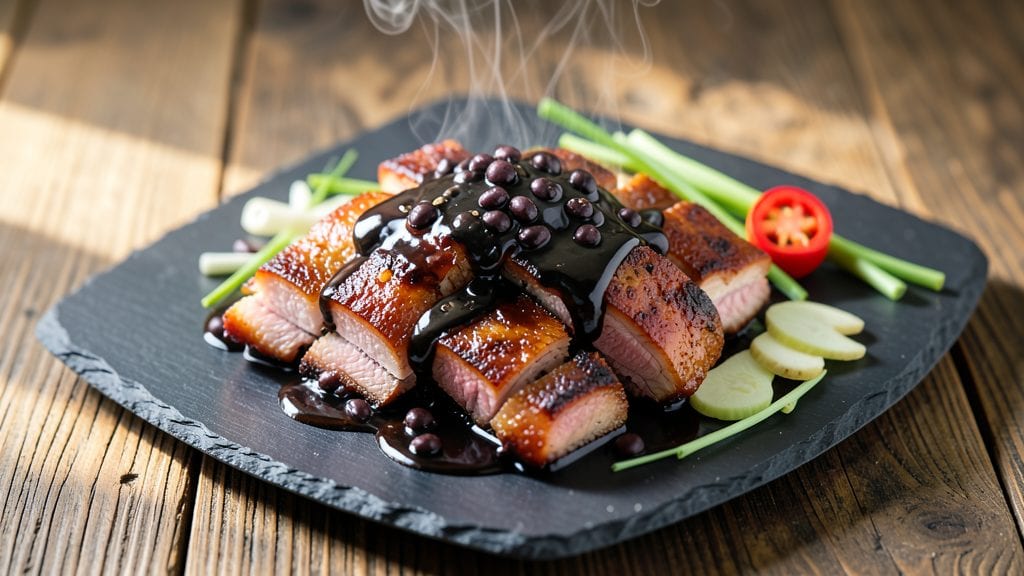
This steamed spareribs with black bean sauce recipe delivers restaurant-quality results in a single pot—where tender meat meets a silky, aromatic sauce. The secret lies in controlled steaming that transforms tough ribs into melt-in-your-mouth perfection while infusing them with the deep, savory notes of the black bean sauce.
I perfected this method after years of experimenting with Asian-inspired braising techniques, and the difference is undeniable.
The beauty of this dish is its simplicity: no complex marinades or hours of slow cooking required. A 30-minute prep followed by 45 minutes of steaming yields ribs that are fork-tender with just enough resistance to hold their shape.
The black bean sauce—thickened with a touch of cornstarch and brightened with ginger and garlic—clings to every bite, balancing sweetness and umami in a way that’s both comforting and sophisticated.
What you’ll end up with is a dish that’s foolproof yet impressive, perfect for weeknight dinners or special occasions. The ribs emerge glistening, their edges slightly caramelized from the sauce, while the sauce itself remains velvety and rich.
Serve it over steamed rice or with a crisp side salad to round out the meal—this combination transforms a simple protein into a standout centerpiece.
This recipe isn’t just about the ribs; it’s about the harmony of textures and flavors. The sauce reduces slightly during steaming, intensifying its depth, while the ribs absorb just enough of its richness without becoming soggy.
Trust me, once you try this method, you’ll never go back to traditional braising. Let’s get started on creating a dish that’s as rewarding to make as it is to eat.
Ingredients for steamed spareribs with black bean sauce
Fourteen ingredients transform tough ribs into melt-in-your-mouth perfection with silky sauce.
| Ingredient | Amount | Notes |
|---|---|---|
| Baby Back Ribs 🍖 | 3 lb | Meaty ends trimmed, membrane removed |
| Black Beans 🫘 | 1 cup | Drained and rinsed, canned or cooked |
| Dry Sherry 🍷 | ½ cup | Or substitute with beef broth |
| Soy Sauce 🍶 | ¼ cup | Light or dark, not reduced |
| Sesame Oil 🫒 | 1 tbsp | Toasted for aroma, not cooking |
| Ginger Root 🌿 | 1 tbsp | Freshly grated, aromatic |
| Garlic Cloves 🧄 | 6 cloves | Minced for depth of flavor |
| Cornstarch 🌾 | 1 tbsp | For sauce thickening |
| Brown Sugar 🍯 | 2 tbsp | Light or dark, for balance |
| Green Onions 🧅 | 3 whole | Thinly sliced, for garnish |
| Sesame Seeds 🌰 | 1 tbsp | Toasted, for crunch |
| White Peppercorns 🌶️ | ½ tsp | Freshly cracked, subtle heat |
| Steamed White Rice 🍚 | 2 cups | Cooked, for serving |
| Water 💧 | 3 cups | For steaming, filtered preferred |
The ribs are the star, so baby back cuts with meaty ends make all the difference—they stay tender while absorbing the sauce. Costco or local butchers often have them pre-trimmed, which saves time. If buying whole slabs, remove the membrane first (it’s that thin, papery layer on the bone side)—peel it off with a butter knife. Fresh ginger and garlic are non-negotiable here; Penzeys or Asian markets carry the best quality. For the black beans, Trader Joe’s canned are my go-to—they’re consistently flavorful without needing rinsing.
No sherry? Beef broth with a splash of balsamic works just as well. The sesame oil is purely for aroma—don’t cook with it, just swirl it in at the end. Running short on cornstarch? Arrowroot powder at the same amount thickens just as beautifully. The brown sugar can be swapped for coconut sugar, but it’ll taste slightly different. Green onions? Substitute with scallions if that’s what you’ve got. And if you’re feeling adventurous, add a dash of chili crisp at the end for heat.
This dish reheats beautifully—3 minutes in the microwave with a splash of water keeps the sauce silky. Store leftovers in an airtight container for 4 days in the fridge, or freeze for 3 months. I always double the sauce and freeze half—it’s perfect for quick stir-fries later. The rice? Cook it fresh for the best texture, but day-old rice reheats well too. Garnish with sesame seeds right before serving—they add that restaurant-quality crunch.
Why You'll Love This Recipe
- One-Pot Magic: I swear by this recipe—just ribs, beans, and a splash of sherry in one pot. No messy marinades or hours of basting; the steam does all the work while you sip your coffee.
- Umami Bomb: That black bean sauce? It’s where the real party happens. The soy and sherry deepen the flavor, while sesame oil adds a nutty finish that makes every bite feel like a little reward.
- Leftovers That Beg: These ribs stay tender for days, so I always double the batch. Reheat them in the microwave with a drizzle of soy sauce, and they’re just as good as fresh—honestly, my lazy Sundays are saved.
- Budget Meal Hero: Baby back ribs are pricey, but this method stretches them far. The black beans bulk it up, and the sherry adds depth without breaking the bank. My wallet and taste buds win every time.
Step-by-step instructions for steamed spareribs with black bean sauce
Here's how to transform tough ribs into tender, fall-apart meat with a velvety black bean sauce.
Prepare the Ribs and Aromatics for Maximum Flavor
Begin by trimming any excess fat from the 3 lb baby back ribs, leaving just a thin layer to protect the meat during steaming. Use a sharp knife to carefully remove the membrane from the bone side—this ensures the ribs cook evenly and absorb flavors better. Cut the ribs into 2-inch bone-in pieces for even cooking.
In a small bowl, combine the 6 cloves minced garlic cloves, 1 tablespoon freshly grated ginger root, and 0.5 teaspoon freshly cracked white peppercorns. This aromatic blend forms the flavor base for both the ribs and sauce. Set aside while you prepare the remaining ingredients—this step ensures every bite carries that bright, layered taste.
Steam the Ribs Until Fork-Tender
In a large pot with a tight-fitting lid, combine the 3 cups water and the 3 lb prepared ribs. Bring to a boil over high heat, then immediately reduce to a gentle simmer. The water should cover the ribs by about 1 inch—this prevents them from drying out during the long cook.
Cover the pot and steam the ribs for 1 hour and 45 minutes until they're fork-tender. You'll know they're ready when the meat pulls away from the bone with just light pressure. Avoid peeking during cooking—each time you lift the lid, you lose heat and extend the cooking time. The ribs should be moist but not swimming in liquid at the end.
Build the Black Bean Sauce
Once the ribs are tender, carefully remove them from the pot and set aside. Strain the steaming liquid through a fine-mesh sieve into a clean pot, discarding the solids. Return the strained liquid to medium-high heat and bring to a gentle boil.
In a small bowl, whisk together the 1 cup drained black beans, 0.5 cup dry sherry, 0.25 cup soy sauce, 2 tablespoons brown sugar, and 1 tablespoon cornstarch. Slowly pour this mixture into the boiling steaming liquid while whisking constantly to prevent lumps. The sauce will thicken dramatically within 2-3 minutes—this is your signal it's ready. Taste and adjust seasoning with additional soy sauce if needed.
Finish with Sesame Oil and Garnishes
Return the ribs to the pot with the black bean sauce and simmer gently for 5 minutes to allow the flavors to meld. Just before serving, stir in the 1 tablespoon toasted sesame oil—this adds a nutty aroma that elevates the entire dish. The sauce should coat the ribs completely, creating a glossy, silky finish.
Garnish each serving with the 3 thinly sliced green onions and 1 tablespoon toasted sesame seeds. Serve immediately over the 2 cups steamed white rice, ensuring each bite delivers both tender meat and rich, velvety sauce. The contrast of textures—tender ribs, creamy sauce, and fluffy rice—makes this a truly satisfying meal.
Pro Tips For Making Steamed Spareribs With Black Bean Sauce
- PREP BEANS RIGHT: Rinse and drain those black beans twice—once before soaking, once after. I learned this the hard way when my sauce turned into a muddy mess. The extra step removes excess starch, so your sauce stays smooth and clings to the ribs instead of turning gluey.
- CUT RIB FAT FIRST: Trim the thickest fat cap off the baby back ribs before steaming. It melts unevenly, making the ribs greasy instead of tender. Use a sharp knife—this isn’t the time for a butter knife. (Yes, even if you’re impatient like me.)
- SHERRY NEEDS TIME: Don’t dump that dry sherry in at the last second—let it simmer with the soy sauce for 2 minutes first. I was skeptical until I tried it: the alcohol burns off, and the sauce deepens into something richer, not just boozy. Skip this, and you’ll taste raw sherry in every bite.
- STEAM IN BATCHES: Crowd the ribs in the steamer, and they’ll turn out soggy. Work in two batches if needed—even if it means an extra 5 minutes. The steam needs room to circulate, or you’ll end up with chewy, unevenly cooked meat. (Your future self will thank you.)
Common mistakes when making this dish
Oversteaming the Ribs
One of the biggest mistakes is letting the ribs steam too long, which turns them from tender to mushy. The ideal time is 1 hour and 45 minutes—any longer and the collagen breaks down completely, leaving you with a texture closer to pulled pork than fork-tender meat.
I've ruined ribs this way by checking them too often; resist the urge to peek at the lid! Use a meat thermometer to check the internal temperature—it should reach 195-200°F at the thickest part. 🌡️
Skipping Membrane Removal
The thin membrane on the bone side of ribs acts as a barrier, preventing seasonings and moisture from penetrating the meat. Failing to remove it means your ribs will stay tougher and absorb less of the black bean sauce's flavor.
Grab a butter knife, slide it under the membrane near one edge, and peel it off in one smooth motion—it's easier than you think! I learned this the hard way when my first batch turned out chewy despite perfect timing. 🔪
Using Low-Quality Ingredients
Don't cut corners on the black beans or aromatics—this is where the dish's depth comes from. Canned beans with added salt or preservatives will make your sauce taste flat. I always use Trader Joe's low-sodium black beans and Penzeys brand ginger and garlic for the brightest flavor.
Fresh ginger especially makes a difference; pre-minced jarred ginger lacks the same aromatic punch. The same goes for your soy sauce—use Kikkoman or Pearl River Bridge for authentic umami. 🫘
Ignoring the Sauce Thickening
The cornstarch is crucial for that restaurant-quality velvety texture. Without it, your sauce will be watery and cling poorly to the ribs. Whisk the cornstarch mixture vigorously into the boiling liquid and cook it for the full 2-3 minutes—this ensures proper gelatinization.
I've seen people skip this step and end up with a sauce that's more like a broth. For best results, use a wire whisk and keep stirring constantly. 🍜
Overcrowding the Pot
If you stack the ribs too high in the pot, they won't steam evenly—the bottom pieces will cook faster and potentially dry out while the top pieces stay undercooked. Arrange them in a single layer with space between each piece.
A 6-quart pot is ideal for 3 lbs of ribs. I use a slotted spoon to gently nudge pieces apart if they're too close. This ensures every rib gets equal exposure to both the steam and the sauce. 🔄
Rushing the Final Step
The 5-minute simmer at the end isn't just for show—it lets the ribs absorb the sauce's flavors and reach perfect temperature. Skipping this step means you'll end up with ribs that taste more like steamed meat than properly finished spareribs.
Also, don't forget to stir in the sesame oil right before serving—this adds that final nutty aroma that makes the dish sing. I've made this mistake and always regretted it—the difference is night and day! 🌟
Nutrition facts
Frequently asked questions
Why does this recipe use steaming instead of braising?
Steaming creates tender ribs with a delicate texture while preserving their natural juices better than braising. The gentle heat breaks down collagen gradually without drying out the meat, and the sauce infuses perfectly during the final simmer. Plus, it's a hands-off method that yields restaurant-quality results with minimal effort!
Can I substitute dry black beans for canned?
Yes, but you'll need to soak them overnight first. Use 1 cup dry beans (about 3 cups cooked) and follow package instructions for soaking and cooking. For convenience, canned beans work perfectly—they save time while delivering the same rich flavor in the sauce.
What if my ribs aren't tender after steaming?
Check your cooking time—1 hour and 45 minutes is ideal. If they're still firm, steam 15-30 minutes longer and check again. Avoid overcrowding the pot, which can slow cooking. For extra tenderness, add 1/2 cup water if the pot seems dry during steaming.
How can I make this dish spicier?
Add 1/2 teaspoon red pepper flakes or 1 tablespoon gochujang to the sauce mixture. For heat lovers, stir in 1 teaspoon sriracha at the end. Remember to adjust gradually—you can always add more, but you can't remove it!
Can I prepare this ahead of time?
Cook the ribs and sauce as directed, then refrigerate in an airtight container for up to 4 days. Reheat gently in a pot with 2 tablespoons water for 5-7 minutes to restore moisture. The sauce may thicken slightly—stir in a splash of water if needed. Perfect for meal prep!