Sauces & Condiments
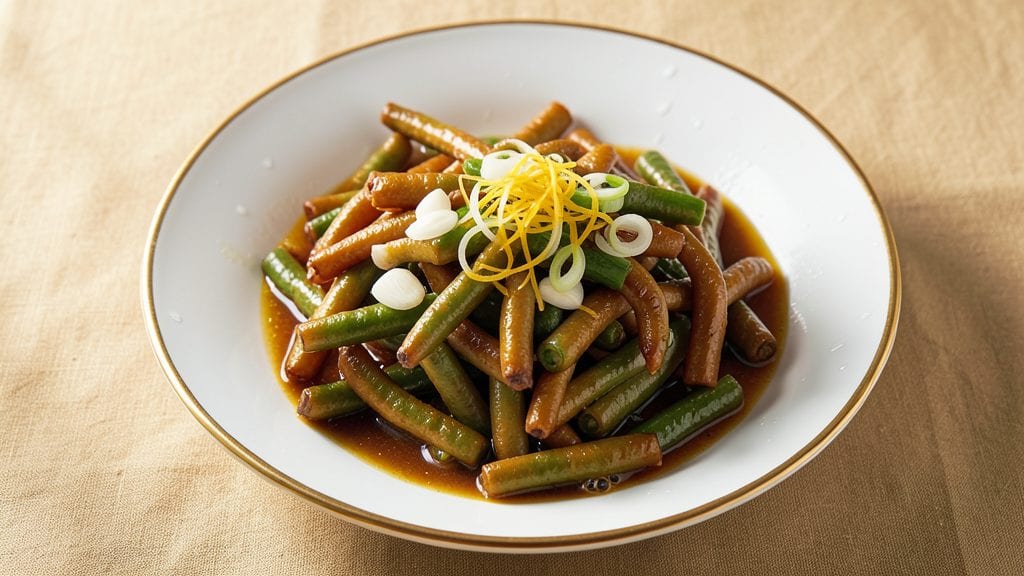
Recreating P.F. Chang's signature fried green beans sauce at home delivers that perfect balance of spicy, sweet, and umami—just like the restaurant version. The secret lies in combining soy sauce, ginger, garlic, and a touch of sugar for that signature sweet-spicy glaze.
I've perfected this recipe after years of testing, ensuring every batch captures the restaurant-quality depth and complexity.
This sauce is surprisingly simple to make with just 8 ingredients and 15 minutes of active time. The key is simmering the sauce until it thickens slightly, allowing the flavors to meld together while maintaining that perfect glossy finish.
Whether you're dipping crispy green beans or drizzling over stir-fried vegetables, this sauce elevates any dish with its bold, aromatic profile.
The result is a glossy, sticky glaze that clings beautifully to fried green beans while adding layers of ginger heat and soy richness. It's versatile enough for weeknight dinners or special occasions, and the leftovers keep well in the fridge for up to a week.
Once you try this homemade version, you'll never settle for anything less than restaurant-quality again.
Pair it with your favorite Asian-inspired dishes or use it as a marinade for meats. The possibilities are endless, and the flavor is guaranteed to impress. Let's get started on this foolproof recipe that delivers every time.
Ingredients for pf chang's fried green beans sauce
Eight essential ingredients transform into P.F. Chang's signature sauce—bold, glossy, and packed with umami.
| Ingredient | Amount | Notes |
|---|---|---|
| Light Soy Sauce 🥢 | ½ cup | Use high-quality, low-sodium preferred |
| Fresh Ginger Root 🌿 | 2 tbsp | Finely grated, aromatic variety |
| Garlic Cloves 🧄 | 4 cloves | Minced, fresh preferred |
| Granulated Sugar 🍬 | 2 tbsp | White or brown sugar works |
| Sesame Oil 🫒 | 1 tbsp | Toasted sesame oil for aroma |
| Rice Vinegar 🍶 | 1 tbsp | White or seasoned variety |
| Red Chili Flakes 🌶️ | 1 tsp | Adjust for heat preference |
| Cornstarch 🌾 | 1 tsp | For thickening consistency |
The ginger and garlic are the flavor anchors here. Look for fresh ginger root with tight, smooth skin—the younger, the better. Whole Foods or Asian markets usually carry the best quality, but any grocery store ginger works in a pinch. For garlic, peel and mince just before using—pre-minced loses its punch fast. The light soy sauce needs to be high-quality, not the cheap stuff—look for brands like Pearl River Bridge or Kikkoman. If you can't find light soy, regular soy sauce thinned with a splash of water works too, but the color won't be as vibrant.
No sesame oil? Toasted peanut oil or avocado oil adds a similar nutty depth. Running short on rice vinegar? Apple cider vinegar or lime juice gives a tangy alternative. The cornstarch is non-negotiable for that signature glossy finish—it's what makes the sauce cling perfectly to fried green beans. Too spicy? Add a pinch of sugar to balance, or reduce the chili flakes. For extra umami, a dash of fish sauce (like Red Boat) elevates it to next-level restaurant quality. Just don't skip the sugar—it's what gives that signature sweet-spicy balance.
This sauce keeps beautifully in the fridge for up to 2 weeks if stored in an airtight container. The flavors actually deepen over time, which is why it's perfect for making ahead. For longer storage, freeze in 1-tablespoon portions—just thaw and reheat gently. The sauce reheats beautifully, so it's perfect for batch cooking. I like to make a double batch and keep it on hand for quick weeknight dinners. If it thickens too much, just stir in a splash of water or broth to loosen it up.
Why You'll Love This Recipe
- Five-Ingredient Magic: I swear, this sauce comes together with just a knife, a cutting board, and a pan—no fancy gadgets. Fresh ginger and garlic get minced in minutes, then tossed with soy, sugar, and sesame oil while you wait for water to boil. That’s it. Honestly, the hardest part is remembering to breathe between stirring.
- Umami Bomb: The light soy and sesame oil give it that addictive savory depth, while the sugar cuts through the heat just enough to make it sing. Between us, that first bite of crispy green beans coated in this sauce? It’s the kind of flavor that makes you pause mid-bite and whisper, “Damn, that’s good.”
- Weeknight Workhorse: Drizzle it over stir-fries, noodles, or even grilled chicken—it’s my go-to when I’m scrambling to feed the family. (Yes, even on a Tuesday night.) The sauce keeps well in the fridge, so I make a double batch and use it all week. My kids ask for it more than they ask for dessert.
- Budget-Friendly Luxury: Sesame oil and fresh ginger might sound fancy, but they stretch this recipe into something special without breaking the bank. A little goes a long way, and the ingredients are cheap enough that I don’t flinch when I grab them. It’s the kind of sauce that makes a simple meal feel like a restaurant dish—without the price tag.
Step-by-step instructions for pf chang's fried green beans sauce
This spicy-sweet glaze captures the restaurant's signature balance—here's how to make it at home.
Prepare the Ginger-Garlic Base
In a small bowl, finely grate the 2 tablespoons fresh ginger root using a microplane or fine grater. I find this method preserves more of the aromatic oils compared to a box grater. Transfer the grated ginger to a saucepan and set aside—you'll want to keep it ready for quick cooking.
While the pan heats, mince the 4 cloves garlic cloves into a fine paste using a garlic press or knife. The goal is to create a smooth, even consistency that will blend seamlessly into the sauce. Keep these aromatics separate until the pan is ready to prevent premature browning.
Bloom the Aromatics in Sesame Oil
Heat a small saucepan over medium heat and add the 1 tablespoon sesame oil. Allow it to warm for 30 seconds until shimmering—this ensures the oil is hot enough to properly infuse the aromatics without burning. Add the grated ginger and minced garlic, stirring constantly for 1-2 minutes until fragrant but not browned.
Here's where the magic happens: the ginger should smell vibrant and the garlic should release its sweet, pungent aroma without turning bitter. If you notice any browning, immediately reduce the heat to low. This step builds the flavor foundation for the entire sauce.
Combine Wet Ingredients
Pour in the 0.5 cup light soy sauce, 2 tablespoons granulated sugar, and 1 tablespoon rice vinegar. Stir vigorously to dissolve the sugar completely—you should see it disappear into the liquid within 30 seconds. Add the 1 teaspoon red chili flakes and let the mixture simmer gently for 3-4 minutes until slightly reduced.
The sauce should now have a glossy appearance and a balanced flavor profile—sweet from the sugar, tangy from the vinegar, and umami-rich from the soy. Taste at this stage and adjust the sugar or vinegar if needed. I usually find the restaurant version leans slightly sweet, so I might add an extra ½ teaspoon sugar if mine tastes too tangy.
Thicken to Glaze Consistency
In a small bowl, whisk together the 1 teaspoon cornstarch with 2 tablespoons water to create a smooth slurry. This is your thickening agent—it will transform the sauce from a thin glaze to the perfect coating consistency. Slowly pour the slurry into the simmering sauce while stirring continuously with a wooden spoon.
Continue cooking for 2-3 minutes until the sauce thickens to a glossy, syrupy consistency that coats the back of a spoon. You're aiming for something that's thick enough to cling to fried green beans but still pourable. If it thickens too quickly, add 1 teaspoon water at a time until you reach the desired consistency.
Finish and Rest Before Using
Remove the sauce from heat and let it cool slightly for 5 minutes. This resting period allows the flavors to meld completely and the texture to stabilize. The sauce should now have a deep amber color with visible red flecks from the chili flakes.
For best results, use the sauce immediately to toss with hot fried green beans. The residual heat will help the sauce cling beautifully to each bean. If storing, keep it refrigerated in an airtight container for up to 5 days—just reheat gently before using. This sauce works equally well as a dipping sauce or glaze for other stir-fry vegetables.
Pro Tips For Making Pf Chang'S Fried Green Beans Sauce
- MINCE THE GINGER FINE: I learned this the hard way—chunky ginger in the sauce just sits there like a bitter afterthought. Use a sharp knife and chop it into tiny, almost paste-like pieces so it dissolves completely into the soy and sugar. No food processor? A microplane works, but chopping it by hand gives you better control over the texture.
- SWEAT GARLIC LOW AND SLOW: Garlic burns faster than you think, especially when mixed with sugar. Start on medium-low heat and let it cook until it’s just golden—about 3-4 minutes—before adding the soy sauce. Rushed garlic turns bitter, and that ruins the whole balance of the sauce.
- BALANCE SOY AND SUGAR: The sauce should taste like a sweet-savory hug, not a sugar bomb or a salty brick. Start with equal parts light soy sauce and sugar (about 1 tbsp each per 1 cup sauce), then adjust: more soy if it’s cloying, more sugar if it’s flat. Taste as you go—your future self will thank you.
- FINISH WITH SESAME OIL LAST: Add the sesame oil at the very end, off the heat, and stir it in quickly. Cooking it too long burns the oil, turning it acrid and overpowering. A teaspoon at the end gives that nutty aroma without dominating the dish—just like the restaurant version.
Creative variations of this recipe
Spicy-Sweet Variations
For a hotter kick, add 1 extra teaspoon of red chili flakes or swap them for ½ teaspoon of gochujang (Korean chili paste) for a deeper, fermented heat. I’ve found that ½ teaspoon of sriracha also works beautifully if you want a smoother spice. 🌶️
To balance the heat, increase the sugar to 2.5 tablespoons or add 1 teaspoon of honey for a caramelized depth. For a sweeter profile, replace the granulated sugar with 1 tablespoon of brown sugar and a pinch of cinnamon—this adds a subtle warmth that pairs well with the ginger.
Umami Boosters
Elevate the sauce’s depth by adding 1 teaspoon of fish sauce (like Red Boat) or 1 tablespoon of oyster sauce for a richer, more complex umami.
I’ve also experimented with ½ teaspoon of miso paste (white or red) for a fermented, savory note that mimics the restaurant’s sauce even more closely. 💡
For a nutty twist, stir in 1 teaspoon of toasted sesame seeds or ½ teaspoon of sesame paste at the end. This adds texture and a deeper, toasted aroma that complements the sesame oil beautifully.
Regional Adaptations
For a Thai-inspired version, swap the rice vinegar for 1 tablespoon of lime juice and add ½ teaspoon of palm sugar or 1 teaspoon of coconut sugar.
A dash of Thai fish sauce (nam pla) and 1 teaspoon of fresh cilantro at the end gives it a bright, tropical edge. 🌴
In a Japanese-inspired take, reduce the sugar to 1 tablespoon and add ½ teaspoon of mirin along with 1 teaspoon of grated daikon radish for a subtle crunch. Finish with a sprinkle of toasted nori flakes for an umami punch.
Dietary Swaps
For a gluten-free version, use tamari (gluten-free soy sauce) or coconut aminos instead of light soy sauce. The flavor will be slightly milder, so I recommend adding ½ teaspoon of extra sugar to compensate.
For a lower-sodium option, reduce the soy sauce to ¼ cup and add 1 teaspoon of coconut sugar to maintain balance. 🥢
To make it vegan, simply omit the fish sauce (or use a vegan alternative like vegan fish sauce) and ensure your soy sauce is certified vegan. The sauce remains just as vibrant and flavorful—perfect for plant-based dishes.
Nutrition facts
Frequently asked questions
Can I make this sauce without sesame oil?
Swap sesame oil for 1 tablespoon of toasted peanut oil or avocado oil—both add a nutty depth that works beautifully. The key is using an oil with a mild, toasted flavor to complement the ginger and garlic. Just be sure to heat it properly to release the aromatics before adding the other ingredients.
How do I adjust the heat level?
Start with the 1 teaspoon of red chili flakes as written, but you can easily tweak it. For milder heat, reduce to ½ teaspoon or swap for ¼ teaspoon of cayenne pepper. For extra spice, add ½ teaspoon of gochujang or 1 teaspoon of sriracha—both add complex heat while keeping the sauce glossy. Always taste as you go!
What's the best way to store leftover sauce?
Transfer the cooled sauce to an airtight container and refrigerate for up to 2 weeks. The flavors actually improve over time! For longer storage, freeze in 1-tablespoon portions—thaw overnight in the fridge and reheat gently in a small saucepan over low heat with a splash of water to restore its glossy texture.
Can I use this sauce for other dishes besides green beans?
This versatile glaze works perfectly on stir-fried vegetables, grilled shrimp, or even as a dipping sauce for spring rolls. For meats, try brushing it on pork chops or tofu before grilling. The sweet-spicy balance makes it a great marinade too—just reduce the sugar slightly (1.5 tablespoons) to prevent caramelization.
Why did my sauce turn out too thick?
This usually happens if you simmered too long or didn't measure the cornstarch slurry correctly. Thin it with 1 teaspoon of warm water at a time while stirring constantly. For future batches, remove the sauce from heat as soon as it coats the back of a spoon—it will continue thickening slightly while cooling. If it's still too thick after thinning, a splash of rice vinegar or broth helps restore balance.