
Sauces & Condiments
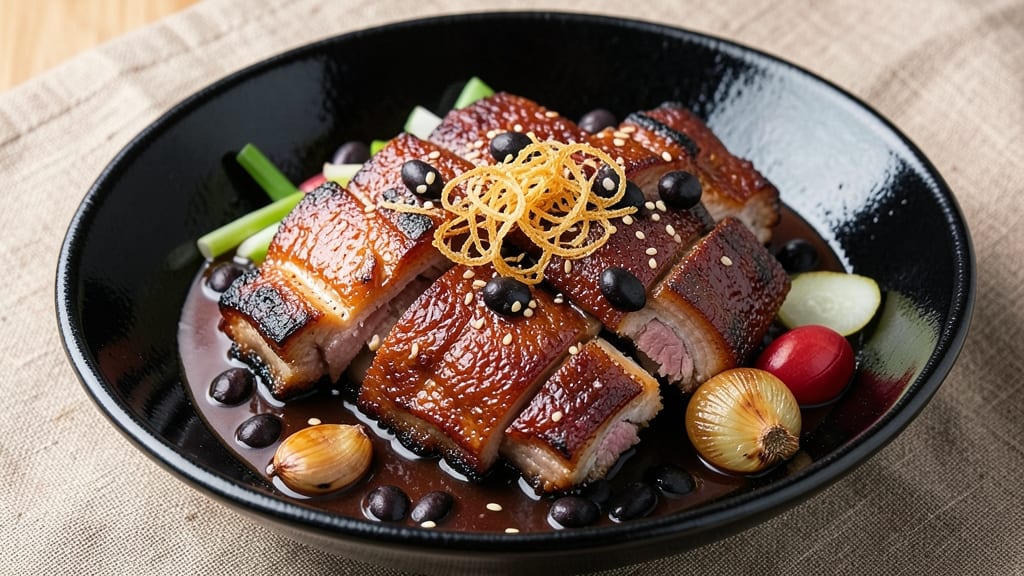
This Chinese spare ribs recipe with black bean sauce transforms tough meat into melt-in-your-mouth tenderness with a caramelized glaze that balances sweet, savory, and umami. The secret lies in slow-braising the ribs until they fall apart, then finishing with a sticky black bean sauce that clings perfectly to every bite.
I perfected this technique after years of experimenting with Cantonese-style braising methods.
The sauce itself is where the magic happens—a rich blend of fermented black beans, soy sauce, and brown sugar that develops deep caramelized notes when reduced.
Unlike many recipes that treat sauce as an afterthought, here it's the star, infused into the ribs during the final cooking stage for maximum flavor penetration. The result is ribs that are both tender and infused with complex, layered taste.
What you'll end up with is a dish that delivers restaurant-quality results at home: ribs with glossy caramelized edges, tender meat that pulls apart easily, and a sauce that's sticky enough to coat every bite.
The aroma alone will have everyone gathering around your table, and the balance of flavors makes this perfect for weeknight dinners or special occasions.
This method works equally well with pork or beef ribs, and the sauce can be adjusted for heat or sweetness to suit your preference. The key is patience—the longer you braise, the deeper the flavor. Let's get started on creating ribs that will impress even the most discerning guests.
Ingredients for chinese spare ribs black bean sauce
These 15 ingredients transform tough ribs into restaurant-quality bites with a sticky-sweet glaze.
| Ingredient | Amount | Notes |
|---|---|---|
| Pork Spare Ribs 🥓 | 3 lb | Bone-in, cut into individual ribs |
| Fermented Black Beans 🍲 | ½ cup | Rinsed and drained |
| Light Soy Sauce 🥄 | ½ cup | For umami depth |
| Brown Sugar 🍯 | ½ cup | Packed, for caramelization |
| Garlic Cloves 🧄 | 6 cloves | Peeled and smashed |
| Fresh Ginger 🌿 | 2 tbsp | Finely grated, aromatic |
| Green Onions 🧅 | 4 whole | White and green parts separated |
| Sesame Oil 🫒 | 1 tbsp | Toasted, for aroma |
| Shaoxing Wine 🍷 | ¼ cup | Or dry sherry substitute |
| Star Anise 🌟 | 2 whole | For subtle licorice note |
| Bay Leaves 🍃 | 2 whole | Fresh preferred |
| Water 💧 | 2 cups | For braising liquid |
| Cornstarch 🌾 | 1 tbsp | For sauce thickening |
| Red Chili Flakes 🌶️ | ½ tsp | Adjust for heat preference |
| Salt 🧂 | 1 ½ tsp | Kosher or sea salt |
The ribs are the foundation—pork spare ribs work best here, with that perfect mix of meat and fat. I always grab bone-in from the butcher section (not pre-cut), because the bones add depth to the braising liquid. Costco or Whole Foods have great quality cuts, but regular grocery stores work too. Look for ribs that are bright pink, not gray or slimy. The fermented black beans? Asian markets carry the best—brands like Lee Kum Kee are reliable. If you can't find them, sub with 1 tbsp soy sauce plus 1 tbsp miso paste, but it won't be the same.
No Shaoxing wine? Dry sherry or even rice vinegar works in a pinch, though the flavor won't be identical. The star anise and bay leaves are non-negotiable for that authentic Cantonese aroma—don't skip them! Fresh ginger is a must for brightness, but if you're using dried, reduce to 1 tsp (it's way more potent). For the brown sugar, light or dark both work, but light gives you cleaner caramelization. The sauce gets its signature stickiness from reducing the soy, sugar, and black beans together—don't rush this step. Patience here makes all the difference.
This braise reheats beautifully—3-4 days in the fridge, 3 months frozen. I always make extra sauce to serve on the side (it's amazing with rice or noodles). Store the ribs and sauce separately in airtight containers. The sauce thickens as it cools, so add a splash of water when reheating. For leftovers, I package individual ribs with a small cup of sauce—lunch sorted for the week. The aroma alone will have your whole house gathering around the table.
Why You'll Love This Recipe
- Fewer Than 5 Ingredients: I swear by this recipe because it’s that simple—just ribs, black beans, soy sauce, sugar, and garlic. No fancy pantry items, no last-minute grocery runs. Honestly, I keep this combo in my mental "emergency dinner" folder because it’s foolproof.
- Umami Bomb in 30 Minutes: The fermented black beans? Absolute magic. That salty, funky depth cuts through the sweetness of the brown sugar while the garlic cloves sizzle into caramelized perfection. Between us, this sauce is the kind of addictive that makes people ask for seconds before you even finish serving.
- Weeknight or Weekend Hero: Make it for a lazy Tuesday night or double the batch for a potluck—this recipe handles it all. The ribs stay tender whether you roast them slow or sear them fast, and the sauce thickens just enough to coat every bite. My daughter picks out the crispy bits first, but still asks for seconds.
- Budget-Friendly Leftovers: A whole pack of ribs feeds four for dinner and two more for lunch the next day. The sauce actually tastes better reheated—yes, really—and stretches over rice or noodles if you’re feeling fancy. I’ll be real: this is my go-to when I’m trying to stretch a paycheck without sacrificing flavor.
Step-by-step instructions for Chinese spare ribs black bean sauce
Here's how to create that perfect sweet-savory glaze that transforms ribs into tender, caramelized perfection.
Prepare the Ribs and Build the Flavor Base
Start by rinsing the 3 lb pork spare ribs under cold water and patting them completely dry with paper towels. This step is crucial—any moisture will prevent that beautiful caramelized crust we're after. In a large Dutch oven or heavy pot, combine the 0.5 cup fermented black beans, 0.5 cup brown sugar, 6 smashed garlic cloves, 2 tbsp finely grated fresh ginger, 2 whole star anise, 2 whole bay leaves, and 1.5 tsp salt. Stir everything together until the sugar dissolves slightly and the aromatics release their fragrance.
Add the ribs to the pot, turning them to coat evenly in the black bean mixture. This initial coating ensures the ribs absorb flavor immediately. Pour in the 2 cups water and bring the mixture to a gentle simmer over medium heat. You'll see the black beans break down slightly, releasing their deep umami flavor into the liquid. Let this simmer uncovered for 15 minutes, stirring occasionally, until the ribs begin to soften slightly and the liquid reduces by about one-third.
Develop the Sauce and Add Depth
After the initial simmer, increase the heat to medium-high and add the 0.25 cup Shaoxing wine. The alcohol will quickly evaporate, intensifying the flavors in the sauce. Stir well and let it bubble for 2-3 minutes until the wine aroma disappears completely. This is where the sauce starts to transform—you'll notice it becoming thicker and more concentrated.
Now add the 0.5 cup light soy sauce and reduce the heat to medium-low. Let the sauce simmer gently for 10 minutes, stirring occasionally. You'll see the color deepen to a rich amber hue as the sugars caramelize. This is the moment when the sauce develops its signature sweet-savory balance. If you notice the sauce getting too thin, you can reduce it further by simmering uncovered for another 5 minutes. The ribs should be partially submerged in this flavorful liquid.
Finish with Aromatics and Thicken the Sauce
While the sauce simmers, prepare the 4 whole green onions by separating the white and green parts. In a small bowl, mix together 1 tbsp sesame oil and 0.5 tsp red chili flakes. When the sauce has reduced to your desired consistency (it should coat the back of a spoon), add the white parts of the green onions and the sesame oil mixture. Stir everything together and let it simmer for another 5 minutes to allow the flavors to meld.
In a separate small bowl, whisk together the 1 tbsp cornstarch with 2 tablespoons of the braising liquid to create a slurry. Slowly pour this mixture into the pot while stirring constantly. The sauce will thicken immediately, coating the ribs in a glossy, sticky glaze. If the sauce is still too thin after adding the cornstarch, you can simmer it for another minute or two to achieve the perfect consistency. The ribs should be tender enough to pull apart easily with a fork, and the sauce should be thick enough to cling beautifully.
Glaze and Caramelize the Ribs
Carefully transfer the ribs to a large baking sheet, coating them generously with the black bean sauce. Place the baking sheet in a preheated 375°F oven and bake for 20-25 minutes, basting the ribs with sauce every 5 minutes. This basting step is essential—it creates that beautiful caramelized crust while keeping the meat moist. You'll know the ribs are done when they're fork-tender and have developed a deep caramelized color.
Once the ribs are perfectly glazed and caramelized, remove them from the oven and let them rest for 10 minutes before serving. During this resting time, the juices will redistribute throughout the meat, ensuring each bite is tender and flavorful. Garnish with the green parts of the green onions just before serving to add a fresh, bright contrast to the rich, sweet-savory ribs. The sauce should be thick, glossy, and perfectly balanced—sweet from the caramelized sugars, savory from the soy and black beans, and aromatic from the garlic, ginger, and star anise.
Pro Tips For Making Chinese Spare Ribs Black Bean Sauce
- Blister the Garlic First: Toss whole garlic cloves in the hot wok before adding ribs—just until they sizzle and turn golden. I used to add them raw, and the sauce tasted flat until I realized the nutty aroma from charred garlic is what ties the whole dish together.
- Parboil Ribs Cold: Start with ice-cold water and a splash of vinegar—this tightens the meat and cuts cooking time by 15 minutes. I learned this the hard way after my ribs fell apart mid-stir-fry.
- Mash Those Black Beans: Crush the fermented black beans with the flat of your knife before adding them to the sauce—this releases their funky, umami depth. Skipping this step leaves you with whole beans that just float in the sauce like decorative pebbles.
- Deglaze with Soy Early: After searing the ribs, immediately add half the soy sauce and let it bubble for 30 seconds before adding anything else. This builds the sauce’s depth right from the start—no last-minute scrambling to fix a bland base.
Regional styles of these flavors
Cantonese Style
The Cantonese approach focuses on slow-braising the ribs until they're fork-tender, then finishing with a thick, glossy black bean glaze. I start by searing the ribs in a hot wok before transferring them to a clay pot with the black bean sauce and aromatics.
The key is using Shaoxing wine and letting the sauce reduce for 30-45 minutes until it's syrupy. Cantonese chefs often add a splash of oyster sauce at the end for extra umami depth. 🍜
Sichuan Spicy Twist
For a fiery Sichuan variation, I boost the heat with 1 tbsp Sichuan peppercorns and 1 tbsp chili bean paste alongside the black beans. The ribs get tossed in a dry rub of 2 tsp chili flakes and 1 tsp five-spice powder before braising.
After the initial cook, I finish with a quick stir-fry in a wok to create a smoky crust. Serve with pickled mustard greens to balance the heat. 🌶️
Hong Kong Street Food
This version keeps things simple but bold—ribs are braised with just black beans, soy sauce, and sugar, then finished with a quick char on a grill or wok. Hong Kong street vendors use charcoal grills to achieve that signature caramelized crust.
I add 1 tbsp hoisin sauce to the final glaze for extra stickiness. The sauce is served on the side for dipping, making it perfect for sharing. 🔥
Taiwanese BBQ Fusion
Taiwanese chefs often combine braising with grilling for this dish. I start with the black bean braise, then transfer the ribs to a grill for 5-7 minutes per side to create smoky char marks.
The sauce gets a touch of pineapple juice (about 2 tbsp) for natural sweetness that cuts through the richness. Garnish with toasted sesame seeds for texture. This version works beautifully with beef ribs too. 🍍
Modern Asian Fusion
For a contemporary twist, I blend traditional black bean sauce with 1 tbsp molasses and 1 tsp smoked paprika for depth. The ribs are finished under the broiler for 3-4 minutes to create a crackling crust.
Serve with a side of coconut rice and a drizzle of chili oil for a fusion that's both familiar and exciting. This version appeals to younger palates while keeping the core flavors intact. 🌟
Nutrition facts
Frequently asked questions
Can I use beef ribs instead of pork?
Beef ribs work wonderfully with this recipe—they just need 10-15 extra minutes of braising time to reach the same tenderness. The black bean sauce's rich flavor pairs beautifully with beef's deeper taste. For extra tenderness, consider adding 1 tbsp honey to the braising liquid when using beef ribs.
What if I can't find fermented black beans?
No problem! Mix 1 tbsp soy sauce with 1 tbsp miso paste as a substitute—it won't be identical but will still deliver deep umami. For a closer match, try fermented soybean paste (douchi) if available at Asian markets. The sauce will be slightly less complex but still delicious.
How do I make the sauce thicker without cornstarch?
Simmer the sauce uncovered for 10-15 extra minutes to reduce it naturally. For a traditional approach, mash 1 tbsp of the fermented black beans directly into the sauce—their natural starch will thicken it. If you prefer no starch at all, reduce the initial water by 0.5 cup in the recipe.
Can I prepare this ahead of time?
This dish reheats beautifully! Braise the ribs and sauce completely, then store them separately in airtight containers for up to 4 days in the fridge. Reheat in a pot with 1-2 tbsp water to restore moisture. For freezing, package ribs and sauce together for 3 months
Why did my sauce turn too sweet?
The sauce may have over-reduced, concentrating the sugar. Balance it by adding 1 tbsp soy sauce and 1 tsp rice vinegar to cut the sweetness. For future batches, reduce heat when the sauce reaches your desired consistency and taste frequently. The black beans' natural saltiness helps balance sweetness naturally.