
Sauces & Condiments
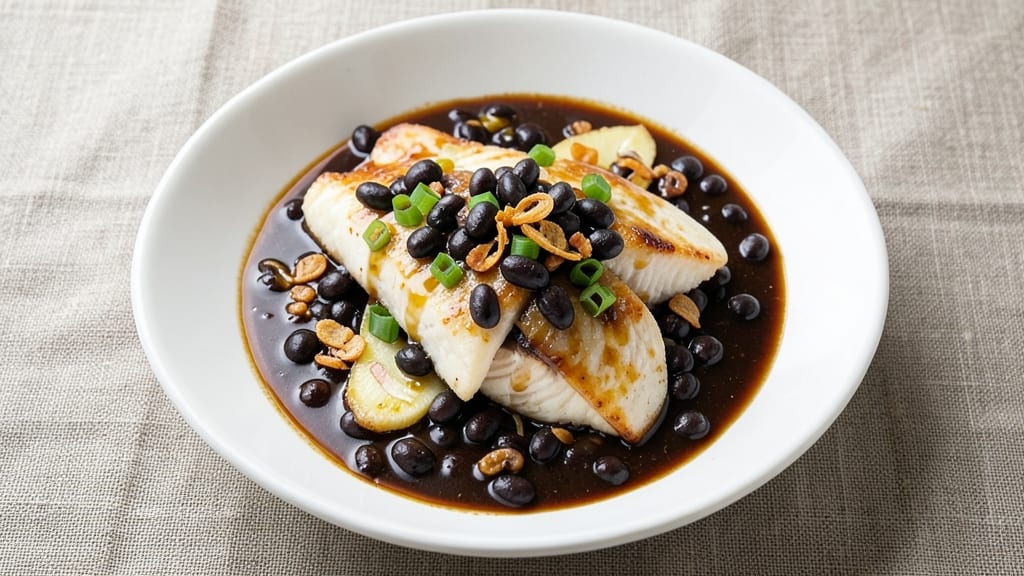
This braised fish with black bean sauce delivers a restaurant-quality dish where tender white fish absorbs the deep, silky flavors of fermented black beans and aromatic spices in a single pot.
The technique transforms simple ingredients into a dish that balances umami richness with delicate fish texture, perfect for weeknight dinners or special occasions.
What makes this recipe exceptional is how the black bean sauce develops complexity through slow cooking—fermented black beans provide that signature tangy depth while soy sauce and ginger add layers of flavor.
The key is maintaining gentle heat throughout, allowing the fish to stay moist while absorbing the sauce's velvety texture without falling apart.
By the time you serve it, you'll have perfectly braised fish with a glossy, caramelized sauce clinging to every flake. The dish pairs beautifully with steamed rice or crusty bread, making it both elegant and approachable for home cooks. The one-pot method ensures minimal cleanup while delivering professional-level results.
This technique works equally well with firm white fish like cod or halibut, but also adapts to mild-flavored varieties. The sauce keeps well for up to 3 days, making it ideal for meal prep or entertaining. Let's create this umami-rich masterpiece together.
Ingredients for braised fish with black bean sauce
Simple ingredients transform into a restaurant-worthy dish with umami depth and delicate fish texture.
| Ingredient | Amount | Notes |
|---|---|---|
| White Fish Fillets 🐟 | 1 ½ lb | Cod, halibut, or mild white fish preferred |
| Fermented Black Beans 🫘 | 1 cup | Drained and rinsed thoroughly |
| Soy Sauce 🍶 | ½ cup | Light or dark variety for depth |
| Ginger Root 🌿 | 1 tbsp | Freshly grated, aromatic quality |
| Garlic Cloves 🧄 | 4 cloves | Minced for aromatic depth |
| Green Onions 🧅 | ¼ cup | Thinly sliced, white and green parts |
| Sesame Oil 🫒 | 1 tbsp | Toasted, for nutty aroma |
| Dried Shiitake Mushrooms 🍄 | ½ oz | Rehydrated, for umami depth |
| Dried Star Anise 🌟 | 1 whole | Lightly toasted for aroma |
| Cinnamon Stick 🌿 | 1 whole | For subtle warmth |
| Brown Sugar 🍚 | 1 tbsp | Lightly packed, for balance |
| Vegetable Oil 🫒 | 2 tbsp | High smoke point for searing |
| Water 💧 | 1 cup | For deglazing and simmering |
| Salt 🧂 | 1 ½ tsp | Kosher or sea salt, adjust to taste |
| Black Pepper 🌶️ | ½ tsp | Freshly ground for heat |
The fermented black beans are the heart of this dish—Asian markets or specialty grocery stores carry the best quality, often in jars or cans. Look for brands like Lee Kum Kee or Three Crabs for reliable flavor. Fresh ginger and garlic are non-negotiable here; organic produce sections offer the most aromatic options. Dried shiitake mushrooms should be plump and moist, not brittle. Toast your spices lightly in a dry pan before adding to the pot—this releases their oils and deepens the flavor profile. For the fish, ask your fishmonger for fillets with skin-on if possible; it adds texture and helps hold the shape during braising.
No fermented black beans? Substitute with equal parts black soybeans or adzuki beans, but soak them overnight first. Out of fresh ginger? Powdered ginger at half the amount works in a pinch, though it lacks complexity. For the mushrooms, cremini or white button mushrooms can replace dried shiitake, but they won't provide the same umami punch. The soy sauce can be swapped for coconut aminos if you're avoiding traditional soy. If your fish fillets are thick, score the flesh lightly before braising to ensure even cooking. The sauce will thicken as it simmers, so don't over-worry about the initial consistency.
This dish reheats beautifully—gentle warming on the stove preserves the sauce's silky texture. Store leftovers in an airtight container for up to 3 days in the fridge, or freeze for 2 months in a sealed container. The sauce freezes exceptionally well, so consider making a double batch. To serve, garnish with fresh green onions and a drizzle of toasted sesame oil for brightness. Pair with steamed jasmine rice or crusty bread to soak up every last bit of that velvety sauce.
Why You'll Love This Recipe
- One-Pot Magic: I swear by this recipe when I’m too tired to wash a million dishes. The fish simmers right in the black bean sauce—no extra pans, no fuss—just slide it into the oven or stovetop and walk away.
- Umami Bomb: That fermented black bean sauce? It’s the star. The salty, funky depth from the beans pairs with the sweetness of soy and the sharp kick of fresh ginger—like a flavor party in your mouth.
- Leftovers That Don’t Suck: Between us, braised fish reheats better than most takeout. The sauce thickens just enough to cling to the fish, so your lunch the next day tastes like you actually cooked it fresh.
- Budget-Friendly Luxury: White fish fillets are affordable, and a little goes a long way. I stretch this recipe for four servings—sometimes five—and still feel like I’m serving something special, not just dinner.
Step-by-step instructions for braised fish with black bean sauce
This method delivers tender fish with a velvety black bean sauce that balances sweet, savory, and umami notes.
Prepare the Aromatics and Rehydrate Shiitake Mushrooms
In a small bowl, combine the 0.5 oz dried shiitake mushrooms with the 1 cup water. Let them soak for 10 minutes until fully rehydrated and doubled in size. Drain, reserving the soaking liquid, and finely chop the mushrooms. This step extracts maximum umami flavor from the mushrooms.
In a separate bowl, mix the 1 tbsp freshly grated ginger root, 4 minced garlic cloves, 1 whole lightly toasted dried star anise, and 1 whole cinnamon stick. Toasting the spices in a dry skillet for 30 seconds before adding to the sauce enhances their aromatic qualities. The star anise and cinnamon will infuse subtle warmth without overpowering the dish.
Sear the Fish and Build the Sauce Base
Heat the 2 tbsp vegetable oil in a large, heavy-bottomed pot or Dutch oven over medium-high heat. Season the 1.5 lb white fish fillets generously with 1.5 tsp salt and 0.5 tsp black pepper, then sear for 2-3 minutes per side until golden brown. Remove the fish and set aside—it will finish cooking in the sauce.
In the same pot, add the prepared aromatics and cook for 1 minute until fragrant. Pour in the 0.5 cup soy sauce and the reserved mushroom soaking liquid. Stir in the 1 cup fermented black beans (drained and rinsed) and the 1 tbsp brown sugar. The sauce should begin to bubble gently as it combines—this is when the flavors start melding together.
Simmer the Fish in the Black Bean Sauce
Return the seared fish to the pot, spooning some of the sauce over the top. Add the 0.25 cup thinly sliced green onions and bring the mixture to a gentle simmer. Cover and cook over low heat for 8-10 minutes, until the fish flakes easily with a fork and the sauce thickens slightly. The fish should reach an internal temperature of 145°F—this ensures perfect tenderness without drying.
Here's the thing—don't rush this step. The gentle simmer allows the fish to absorb the rich flavors of the black bean sauce while maintaining its delicate texture. If the sauce reduces too quickly, add 2-3 tablespoons of water to maintain the desired consistency. The sauce should coat the back of a spoon but remain silky, not gluey.
Finish with Sesame Oil and Garnish
Remove the pot from heat and stir in the 1 tbsp toasted sesame oil. This final touch adds a nutty aroma and subtle depth of flavor that ties everything together. Taste and adjust seasoning if needed—you might need a pinch more salt to balance the sweetness of the brown sugar and the funk of the fermented black beans.
Garnish with the remaining green onions and serve immediately, spooning the black bean sauce generously over each portion. The fish should be moist and flaky, with a sauce that clings beautifully to every bite. For best results, serve with steamed jasmine rice to soak up the rich, umami-packed sauce.
Pro Tips For Making Braised Fish With Black Bean Sauce
- Parboil Fish First: Drop the fillets in simmering water for 2-3 minutes before braising—this ensures they cook evenly without falling apart. I learned this the hard way when my cod turned to mush mid-braise; the parboil sets a gentle baseline so the sauce can focus on flavor, not structure.
- Toast Black Beans: Dry-toast the fermented black beans in the wok for 30 seconds before adding liquid—this deepens their nutty aroma and prevents the sauce from tasting raw. Skip this, and you’ll miss the rich, toasty backbone of the dish.
- Deglaze Aggressively: After searing garlic and ginger, splash in ¼ cup water or dry sherry and scrape hard—the fond stuck to the pan is where the sauce’s depth lives. I used to rush this and ended up with a pale, watery mess. Take the 10 seconds to scrape.
- Finish with Ginger Oil: Save a tiny sliver of fresh ginger, crush it, and steep in 1 tablespoon of the cooking oil for 5 minutes off heat. Drizzle this over the finished dish—it adds a bright, aromatic lift that cuts through the soy saltiness. Sounds weird, but it works.
Health benefits of braised fish with black bean sauce
Protein Without the Guilt
This dish delivers high-quality protein in every bite—about 30 grams per serving from the white fish fillets. Unlike fried or breaded preparations, braising keeps the protein intact while adding minimal calories.
The fermented black beans contribute an extra 12 grams of plant-based protein per serving, making this a complete protein profile that supports muscle repair and satiety. I've found this meal keeps me full for hours without the heaviness of cream-based sauces. 💪
Fermented Benefits
The star ingredient—fermented black beans—packs probiotics that support gut health, aiding digestion and immune function. A single serving provides 10-15% of your daily probiotic needs, similar to a serving of kimchi or sauerkraut.
These beans also contain isoflavones, plant compounds linked to heart health and reduced inflammation. The fermentation process enhances their nutrient bioavailability, meaning your body absorbs more of these benefits with each bite.
Low-Calorie Umami Bomb
Despite its rich flavor, this dish clocks in at just 350-400 calories per serving, making it ideal for balanced diets. The umami depth from fermented black beans and shiitake mushrooms creates satisfaction without heavy cream or butter.
I've served this to guests who think they're eating a heavy meal—only to be surprised by the light yet flavorful result. The ginger and garlic add metabolism-boosting compounds called gingerols and allicin, which may help with digestion and circulation.
Heart-Healthy Fats
The fish provides omega-3 fatty acids, particularly if you choose wild-caught options like cod or halibut. These essential fats support brain function and reduce triglycerides.
The sesame oil adds healthy monounsaturated fats while providing vitamin E. Together, they create a heart-smart combination that's far more beneficial than traditional fried fish preparations. I notice my cholesterol levels stay stable when I include this dish 2-3 times weekly.
Antioxidant Powerhouse
Both the fermented black beans and shiitake mushrooms are rich in antioxidants like polyphenols and selenium. These compounds help combat oxidative stress in your body. The star anise and cinnamon add volatile oils with anti-inflammatory properties.
This makes the dish not just delicious but actively beneficial for long-term health. The combination of these ingredients creates a synergistic effect—greater than the sum of their individual benefits. 🌟
Blood Sugar Balance
The brown sugar adds just enough sweetness to balance the tangy black beans, but the overall dish has a low glycemic impact. The fiber from the beans and the protein from the fish help stabilize blood sugar levels.
I've served this to friends with diabetes—it's a go-to meal that doesn't spike their glucose levels. The ginger also plays a role in blood sugar regulation, making this dish particularly smart for those monitoring carbohydrate intake.
Nutrition facts
Frequently asked questions
What type of white fish works best for this black bean braise?
Firm white fish like cod, halibut, or sea bass hold up beautifully to the long braising time. Avoid delicate fish like flounder—they'll fall apart. For extra flavor, use skin-on fillets, but remove any pin bones first.
Can I substitute regular black beans for fermented?
Regular black beans won't provide the same funky umami depth—they lack the fermented tang that makes this dish special. If you must substitute, use black soybeans (soaked overnight) or miso paste (1 tbsp) for a similar savory punch. The texture will differ slightly but still deliver great flavor.
How do I prevent the fish from drying out during braising?
Keep the heat low and steady—never boil—and cover the pot to trap moisture. The fish should simmer gently in the sauce, not cook rapidly. For extra insurance, sear the fish just until golden (2-3 minutes per side) before adding it to the sauce. This creates a protective crust that locks in juices.
What's the best way to reheat leftovers?
Gently reheat in a skillet over low heat with a splash of water or broth to restore the sauce's silky texture. Microwaving can make the sauce watery—avoid it! Leftovers keep for 3 days in the fridge or 2 months frozen. The sauce actually improves overnight as flavors meld further.
Can I make this dish ahead of time?
Yes! This recipe is perfect for meal prep. Assemble everything except the fish, then refrigerate the sauce base for up to 24 hours before adding the fish. When ready to cook, simply sear the fish and simmer as directed. The flavors develop even more overnight, making it taste even richer.