
Beverages
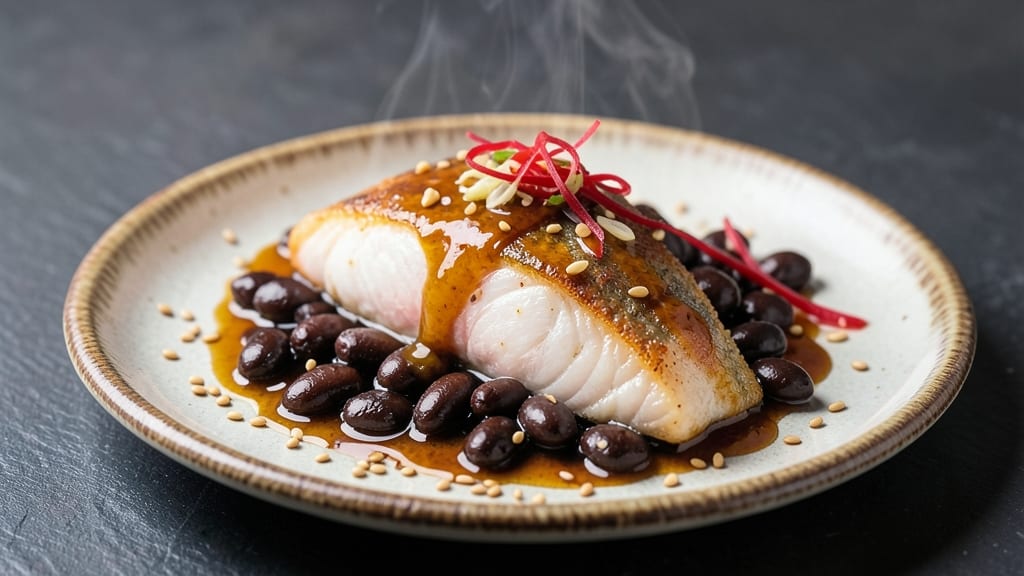
Steaming fish with black beans creates a light yet satisfying dish that balances protein, fiber, and delicate flavors in one pan. This method preserves the natural tenderness of the fish while letting black beans absorb subtle seasonings without losing their texture.
I developed this recipe after realizing how often restaurant-quality seafood dishes could be simplified at home—no complicated techniques required.
The beauty of this dish lies in its simplicity: 15 minutes of prep and 20 minutes of steaming transform fresh fish and black beans into a harmonious meal. The fish stays moist and flaky, while the beans develop a subtle smokiness from the steam.
A touch of garlic, ginger, and soy sauce builds depth without overpowering the natural flavors—professional results with minimal effort.
What you’ll end up with is a plate that’s both elegant and approachable: bright, flaky fish resting alongside tender black beans, all infused with aromatic seasonings. The steam creates a light, airy texture that’s perfect for warm weather or a quick weeknight dinner.
Serve with steamed greens or a simple rice pilaf to round out the meal.
This recipe works equally well with cod, tilapia, or snapper—just adjust cooking time based on thickness. The black beans hold their shape while absorbing just enough flavor to complement the fish. Once you try this method, you’ll never overcomplicate seafood again.
Ingredients for steam fish with black beans
Fresh fish, aromatic beans, and delicate seasonings transform into restaurant-quality harmony with minimal effort.
| Ingredient | Amount | Notes |
|---|---|---|
| White Fish Fillets (Cod, Tilapia, or Snapper) 🐟 | 1 ½ lb | Skinless, even thickness preferred |
| Canned Black Beans 🫘 | 1 ½ cups | Drained and rinsed thoroughly |
| Garlic Cloves 🧄 | 4 cloves | Minced finely for aromatic depth |
| Fresh Ginger 🌿 | 1 tbsp | Finely grated, aromatic quality |
| Low-Sodium Soy Sauce 🥢 | 2 tbsp | For umami balance without excess salt |
| Sesame Oil 🫒 | 1 tsp | Toasted, for nutty aroma |
| Green Onions 🧅 | 3 whole | Thinly sliced, white and green parts |
| Lemon Juice 🍋 | 1 tbsp | Freshly squeezed, bright acidity |
| Diamond Crystal Kosher Salt 🧂 | ¾ tsp | Fine grain for even seasoning |
| Freshly Ground Black Pepper 🌶️ | ½ tsp | Coarse grind for texture |
| Extra-Virgin Olive Oil 🫒 | 1 tbsp | Light drizzle for steam control |
| Fresh Cilantro 🌿 | ¼ cup | Chopped, for vibrant garnish |
| Steamed Jasmine Rice 🍚 | 2 cups | Cooked separately for serving |
The fish fillets are the foundation—cod or tilapia deliver the most consistent texture, while snapper offers a firmer bite. Purchase from a seafood market or trusted grocery store with daily deliveries to ensure freshness; look for fillets with a bright, translucent appearance and minimal fishy odor. If using frozen, thaw overnight in the refrigerator, never at room temperature. The black beans should be low-sodium, canned variety—rinsing removes excess starch that can make them gummy. For optimal flavor, opt for organic canned beans when available, as they often have a cleaner taste profile. Fresh ginger and garlic should be vibrant and firm—avoid any with soft spots or discoloration, as these indicate age.
Substitutions should prioritize maintaining the dish's balance. For soy sauce, tamari or coconut aminos work equally well, though tamari has a slightly deeper flavor. No sesame oil? Toasted peanut oil provides a similar nutty profile, though the aroma will differ. Fresh ginger can be replaced with ground ginger at half the amount, but the texture will be less refined. For black beans, adzuki or pinto beans offer different but complementary flavors—simply adjust cooking time if using dried. The green onions can be swapped for scallions or chives, though green onions provide the most balanced sweetness and sharpness. If cilantro is unavailable, fresh basil or parsley can substitute at the same quantity, though the flavor profile will shift slightly.
Store fish fillets in the coldest part of your refrigerator, wrapped in a damp paper towel and sealed in an airtight container, for up to 2 days. Black beans can be refrigerated in their canned liquid for 3-4 days post-opening, though rinsing extends their shelf life. The cooked dish reheats beautifully—simply cover with a damp paper towel and warm in a 350°F oven for 10 minutes to preserve moisture. For meal prep, portion into glass containers with a tight lid; this keeps for 3 days in the refrigerator or 2 months frozen. Garnishes like cilantro and green onions should be added fresh just before serving to maintain their vibrant color and texture.
Why You'll Love This Recipe
- One-Pot Magic: I swear by this recipe when I’m too tired to wash extra bowls. Just toss the fish, beans, garlic, and ginger into a steamer basket with a splash of soy sauce—no stirring, no stress. The steam does all the work while I sip my coffee.
- Umami Bomb: That combo of black beans and soy sauce? It’s like a flavor party in your mouth. The garlic and ginger add a warm kick, but the fish stays tender and flaky—no dry, overcooked mess here. (Yes, even my picky husband finishes his plate.)
- Meal Prep MVP: Between us, this is my go-to for lunch boxes or busy weeknights. The leftovers reheat beautifully—just pop them in the microwave or eat cold over rice. Honestly, I’ve packed this for work three times this month and still crave it.
- Budget-Friendly Luxury: Fresh fish can feel fancy, but this recipe stretches it like crazy. Canned beans cut costs, and the flavors are rich enough to make it feel special—without breaking the bank. My college student nephew asked for seconds, and he’s not one to impress easily.
Step-by-step instructions for steamed fish with black beans
This method delivers tender fish and flavorful black beans in a single pan, balancing moisture and seasoning for perfect harmony.
Prepare the Aromatic Base
Heat a large skillet or wok over medium heat and add the 1 tablespoon extra-virgin olive oil. Once the oil shimmers but doesn't smoke, add the 4 cloves minced garlic cloves and 1 tablespoon finely grated fresh ginger. Sauté for 1-2 minutes until the garlic becomes fragrant and lightly golden—this prevents raw garlic flavor from overpowering the dish.
Add the 1.5 cups drained and rinsed canned black beans to the pan and stir to coat them in the aromatic oil. Cook for another 2 minutes until the beans are heated through and slightly sizzling. This step ensures the beans absorb the garlic-ginger base while developing a subtle toasted edge. Remove the beans from the pan and set aside temporarily.
Season and Steam the Fish
In the same skillet, increase heat to medium-high and add the 1.5 pounds white fish fillets, skin-side down if applicable. Let the fish sear for 1-2 minutes per side until the surface develops a delicate golden crust—this creates texture without fully cooking the fish through. Immediately transfer the fish to a plate and set aside.
Return the skillet to medium heat and add the 2 tablespoons low-sodium soy sauce, 1 tablespoon lemon juice, and 1 teaspoon toasted sesame oil. Stir vigorously for 30 seconds to combine the sauce ingredients, then pour this mixture evenly over the fish fillets. The acidity from the lemon juice and umami from the soy sauce will tenderize the fish as it steams.
Assemble and Steam Together
Return the 1.5 cups black beans to the skillet and arrange the fish fillets on top. Cover the pan tightly with a lid or aluminum foil, creating a sealed environment that traps steam. Reduce heat to low and steam for 6-8 minutes—the fish is done when it flakes easily with a fork and reaches an internal temperature of 145°F.
Here's the key: the beans will absorb the fish's juices while the fish gently cooks in its own steam. The black beans should be heated through but not mushy, and the fish should remain moist with a delicate, flaky texture. If the pan feels too dry during steaming, add 2 tablespoons water to maintain moisture.
Finish and Garnish
Remove the pan from heat and let it sit uncovered for 2 minutes to allow any residual steam to distribute. Sprinkle evenly with 0.75 teaspoon diamond crystal kosher salt and 0.5 teaspoon freshly ground black pepper, then garnish with 0.25 cup chopped fresh cilantro and 3 thinly sliced green onions, dividing the white and green parts evenly.
Serve immediately over 2 cups steamed jasmine rice, spooning the fish and black beans together for each serving. The rice acts as a neutral base that highlights the dish's bright, savory flavors. Each bite should deliver tender fish with a hint of citrus, complemented by the earthy warmth of the black beans and aromatic herbs.
Pro Tips For Making Steam Fish With Black Beans
- Prep Ginger Like a Pro: Use a microplane for the ginger—no peeling, no chopping, just shave the whole knob into the pan. I tried mincing it once and ended up with uneven heat; this way, every bite gets that bright, consistent kick without the texture fight.
- Salt Fish Before Steaming: Pat the fish dry, then season it generously with salt and a pinch of sugar right before steaming. The salt draws out moisture, and the sugar just barely caramelizes—this keeps the fillets from turning rubbery when they hit the steam.
- Don’t Overcrowd the Beans: Drain the black beans but leave them in the can for 30 seconds—this keeps them intact when you stir-fry. Then, cook them in batches if needed; a crowded pan steams them instead of searing, and you’ll end up with mushy beans instead of crisp edges.
- Finish with Soy Sauce Last: Toss the fish and beans together, then remove from heat before adding the soy sauce. Let it sit for 30 seconds—this lets the sauce cling instead of pooling at the bottom. (Yes, even if you’re impatient like me.)
Flavor customization for this dish
Citrus Brightness Boost
Swap the lemon juice for 1 tablespoon lime juice or orange zest to add a tropical twist. The acidity brightens the dish while introducing floral notes that pair beautifully with the fish.
For extra zing, add ½ teaspoon grated lime zest over the finished dish. I find lime works especially well with snapper, as its tartness balances the fish's natural sweetness. 🍋
Spicy Kick Variations
For heat lovers, stir in ½ teaspoon gochujang paste with the soy sauce or sprinkle ½ teaspoon crushed red pepper flakes over the beans before steaming. For smoky heat, add ¼ teaspoon smoked paprika to the garlic-ginger base.
I recommend starting with ¼ teaspoon cayenne if you're new to spicy flavors—it adds warmth without overwhelming the dish.
Herb Swaps and Blends
Replace cilantro with fresh Thai basil for a licorice-like depth or mint leaves for a refreshing contrast. For a Mediterranean twist, use dill and parsley instead.
I often blend 1 tbsp chopped basil with 1 tbsp chopped parsley for a balanced herbaceous finish. These swaps work especially well with cod or tilapia.
Umami Depth Enhancers
Add 1 teaspoon fish sauce to the soy sauce mixture for extra umami richness, or stir in 1 tbsp miso paste (white or red) for a savory-sweet depth. For a vegetarian-friendly option, use 1 tbsp nutritional yeast instead of fish sauce.
I find white miso works best here—it dissolves smoothly and adds complexity without overpowering the delicate fish flavors.
Sweet-Savory Balance
Introduce subtle sweetness by adding 1 teaspoon honey or maple syrup to the soy sauce mixture. This works beautifully with snapper or cod, as the sweetness complements the natural brininess of the fish.
For a more pronounced sweet note, stir in ½ teaspoon vanilla extract along with the sesame oil. This variation feels especially luxurious when served with jasmine rice.
Smoky Charred Bean Twist
For a smoky flavor profile, lightly char the black beans in a dry skillet before adding them to the garlic-ginger base. This adds a deep, toasted dimension that pairs wonderfully with the steamed fish.
I recommend using a cast-iron skillet for best results—just heat it until smoking hot, add the beans, and shake the pan for 1-2 minutes until they develop blackened spots. 🔥
Nutrition facts
Frequently asked questions
Can I use frozen fish for this recipe?
Yes, but thaw it properly first. Place frozen fish fillets in a sealed bag and submerge in cold water for 30-45 minutes or thaw overnight in the refrigerator. Never use room-temperature water, as this can promote bacterial growth. The fish should reach 40°F or below before cooking. For best texture, pat fillets completely dry before steaming.
How do I adjust the recipe for a larger group?
Double all ingredients proportionally, but use two separate skillets or a larger wok to maintain even cooking. For 8 servings, use 3 pounds fish and 3 cups black beans. Keep the same ratio of beans to fish (2:1) to balance flavors. The steaming time remains 6-8 minutes—just monitor the fish's doneness with a fork.
Why did my fish turn rubbery instead of flaky?
Overcooking is the most common cause. Fish should reach 145°F internal temperature and flake easily with a fork—never cook beyond 8 minutes of steaming. Also, ensure your fish is fresh (not previously frozen) and properly thawed. For thicker cuts, reduce steaming time by 1-2 minutes. The beans should remain tender but not mushy—if they're falling apart, they absorbed too much liquid.
What's the best rice to serve with this dish?
Jasmine rice is ideal—its floral aroma complements the dish's savory notes. For extra fluffiness, use 1 part rice to 1.5 parts water and let it steam uncovered for 5 minutes after cooking. Brown rice adds texture but requires 10 extra minutes of cooking time. Avoid sticky rice varieties like sushi rice, as they can overpower the delicate fish flavors.
Can I make this dish ahead of time?
Yes, but assemble it just before serving. Store cooked fish and beans separately in airtight containers in the fridge for up to 2 days. Reheat gently in a skillet with 1 tablespoon water for 3-4 minutes on low heat. For best texture, add fresh herbs and lemon juice after reheating. The fish reheats better when kept moist—cover with a damp paper towel during warming.