
Side Dishes
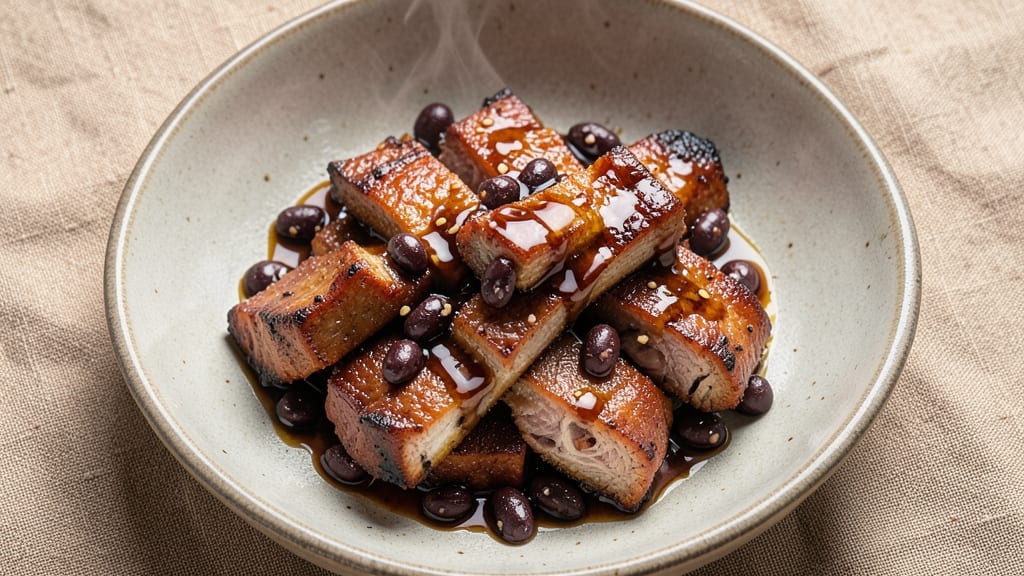
This one-pot steamed pork ribs with fermented black beans transforms a simple weeknight dinner into a restaurant-worthy experience through deep umami flavor and tender texture. The fermented black beans—packed with salty, funky complexity—infuse the ribs with layers of taste while keeping prep straightforward.
I developed this method after years of experimenting with Chinese home cooking techniques, where fermented ingredients elevate humble proteins into something extraordinary.
The beauty of this dish lies in its simplicity: one pot, minimal cleanup, and a cooking process that requires only 45 minutes of active time.
Fermented black beans (available in Asian markets or online) act as both a marinade and a flavor booster, while the ribs steam in their own juices, emerging fork-tender with a glossy sheen.
The result is a dish that balances rich, savory notes with a subtle tang—perfect for those who love bold flavors without complicated techniques.
What makes this recipe truly special is how the fermented black beans work their magic—soaking into the ribs during steaming, creating a sticky, caramelized glaze that clings to every bite. The aroma alone will have your kitchen smelling like a bustling Cantonese restaurant, while the texture delivers melt-in-your-mouth tenderness.
This is the kind of dish that feels indulgent yet remains approachable for home cooks.
Serve with steamed jasmine rice or a simple green salad to let the ribs shine as the star. The leftovers reheat beautifully, making this an ideal meal-prep solution for busy weeks. Let’s get cooking—your taste buds will thank you.
Ingredients for steamed pork ribs with fermented black beans
Nine essential ingredients transform humble pork ribs into a Cantonese-inspired umami masterpiece.
| Ingredient | Amount | Notes |
|---|---|---|
| Pork Ribs (Baby Back) 🍖 | 2 ½ lb | Bone-in, meaty cuts preferred |
| Fermented Black Beans 🫘 | ½ cup | Rinsed, drained, Asian market brand |
| Light Soy Sauce 🥄 | ¼ cup | Kikkoman preferred for balance |
| Dark Soy Sauce 🥄 | 1 tbsp | For deeper color and flavor |
| Shaoxing Wine 🍷 | 2 tbsp | Substitute dry sherry if unavailable |
| Sesame Oil 🫒 | 1 tbsp | Toasted, for aroma (not cooking) |
| Fresh Ginger 🧄 | 2 tbsp | Grated, peeled, aromatic |
| Garlic Cloves 🧄 | 4 cloves | Minced, fresh preferred |
| Brown Sugar 🍯 | 2 tbsp | Light or dark, for caramelization |
| Green Onions 🧅 | 3 whole | White and green parts separated |
| Water 💧 | 1 ½ cups | Filtered or spring water preferred |
| Cornstarch 🌾 | 1 tbsp | For thickening glaze |
| Vegetable Oil 🫒 | 1 tbsp | High smoke point for searing |
| Salt 🧂 | 1 ½ tsp | Diamond Crystal kosher preferred |
| White Pepper 🌶️ | ½ tsp | Freshly ground for subtle heat |
The fermented black beans are the soul of this dish—Asian markets carry the best, often in jars or vacuum-sealed packages. Look for beans with a deep, funky aroma (like fermented tofu) and a salty, slightly sour taste. 99 Ranch or H Mart usually stock reliable brands. If you can't find them, substitute 1/4 cup black bean paste plus 1 tbsp soy sauce, but the texture won't be identical. The ribs should be baby back cuts—thicker than spare ribs but tender enough to steam through. Trim excess fat but leave the membrane intact for better flavor absorption. Fresh ginger and garlic are non-negotiable here; frozen won't deliver the same aromatic punch.
No Shaoxing wine? Dry sherry or even a splash of rice vinegar works in a pinch, though the depth of flavor will differ slightly. The sesame oil is purely for aroma—add it at the very end to preserve its nutty fragrance. For the glaze, light soy sauce provides saltiness while dark soy sauce adds color and complexity. If your green onions are past their prime, substitute 2 tbsp chopped scallions and 1 tsp extra salt. The brown sugar caramelizes beautifully during steaming, creating that signature sticky glaze. Pro tip: Toast the cornstarch in a dry pan for 30 seconds before mixing—it thickens better and adds a subtle nutty note.
This dish reheats like a dream—steam or microwave with a splash of water to restore moisture. Keeps for 3 days refrigerated or 3 months frozen (portion into airtight containers before freezing). For extra richness, deglaze the steaming pot with 1/4 cup water and 1 tbsp soy sauce after cooking—save it for next time. The aroma alone will have your kitchen smelling like a bustling Cantonese restaurant, so cook near an open window if possible. Serve with jasmine rice and a quick cucumber salad to balance the richness.
Why You'll Love This Recipe
- Steam Magic: The ribs stay tender without drying out—just a quick steam with those fermented black beans, and the sauce clings like a dream. No babysitting the heat, no flipping, no stress.
- Umami Bomb: That fermented black bean paste? It’s the secret weapon here—deep, funky, and just sweet enough. The Shaoxing wine cuts through the richness, while the soy sauces give it that perfect salty-savory balance. One bite and you’ll understand why this isn’t your average pork dish.
- Weeknight Workhorse: I’ve served these for lazy Mondays, potlucks, and even as a side for date night—no one bats an eye. The leftovers reheat beautifully, and the flavors only get better the next day. Honestly, it’s the kind of dish that makes you look like a hero without trying.
- Budget Win: Baby back ribs can be pricey, but this recipe stretches them further than you’d think. A little goes a long way when paired with rice or noodles, and the fermented black beans add serious flavor without breaking the bank. My wallet—and my taste buds—thank me every time.
Step-by-step instructions for steamed pork ribs with fermented black beans
Here's how to create tender, flavorful ribs in one pot with minimal cleanup.
Prepare the Pork Ribs and Aromatics
Start by trimming any excess fat from the 2.5 lb pork ribs (baby back), leaving about ¼-inch of fat cap for moisture during cooking. Cut the ribs into 2-inch bone-in pieces for even cooking. In a small bowl, combine the 0.5 cup fermented black beans with 1.5 teaspoons salt and set aside to soften for 10 minutes.
Using a sharp knife, mince the 4 cloves garlic and grate the 2 tablespoons fresh ginger. Separate the 3 whole green onions into white and green parts, finely chopping the whites and slicing the greens for garnish. These aromatics form the flavor foundation of your dish, so take your time to get them finely minced.
Create the Flavorful Marinade and Sear the Ribs
In a large mixing bowl, combine the 0.25 cup light soy sauce, 1 tablespoon dark soy sauce, 2 tablespoons shaoxing wine, 2 tablespoons brown sugar, 1 tablespoon sesame oil, 0.5 teaspoon white pepper, and the prepared aromatics. Add the pork ribs and fermented black beans to the marinade, tossing until everything is evenly coated. Let this marinate for 20 minutes at room temperature.
While the ribs marinate, heat a large wok or deep skillet over medium-high heat. Add 1 tablespoon vegetable oil and swirl to coat. Working in batches if needed, add the marinated ribs and sear for 2-3 minutes per side until golden brown spots develop. This quick sear locks in flavors and creates that beautiful caramelized crust we want.
Steam the Ribs to Perfect Tenderness
Transfer the seared ribs to a heatproof one-pot steamer or a large pot with a steaming basket. Add 1.5 cups water to the bottom of the pot, making sure it doesn't touch the ribs. Bring the water to a gentle simmer over medium heat, then place the ribs in the steamer basket. Cover tightly with a lid and steam for 1 hour and 15 minutes.
After 1 hour, check the tenderness by inserting a fork into the thickest part of a rib piece. If it pierces easily with slight resistance, your ribs are nearly done. If not, continue steaming for another 15-20 minutes. The ribs should be fork-tender but still hold their shape when sliced. The steam creates a moist environment that gently cooks the ribs without drying them out.
Finish with Glazed Perfection
While the ribs steam, prepare the glaze by mixing 1 tablespoon cornstarch with 2 tablespoons water in a small bowl until smooth. After removing the ribs from the steamer, carefully pour the marinade from the steamer basket into a saucepan and bring to a gentle simmer over medium heat. Add the cornstarch slurry and stir continuously for 2-3 minutes until the sauce thickens to a glossy consistency.
Return the ribs to the saucepan with the thickened glaze and toss gently to coat. Let the ribs sit in the sauce for 2-3 minutes to absorb those final flavor layers. The glaze should coat the ribs evenly, giving them that beautiful sheen and sticky texture that makes every bite irresistible.
Serve with Fresh Garnishes
Transfer the glazed ribs to a serving platter and garnish with the sliced green onion greens. The vibrant color contrast makes the dish visually appealing while adding a fresh, bright finish. Serve immediately with steamed jasmine rice or your favorite noodles to soak up that delicious sauce. Each bite should deliver tender pork, rich umami from the fermented black beans, and a perfect balance of sweet and savory flavors.
Pro Tips For Making Steamed Pork Ribs With Fermented Black Beans
- Trim the Fat First: Baby back ribs have a thick fat cap that can turn your steamed ribs greasy instead of tender. Use a sharp knife to slice through the fat just above the bone—this exposes more surface area for the sauce to cling to and keeps the meat juicy. I learned this the hard way when my first batch ended up slick with rendered fat instead of glossy with sauce.
- Parboil for Precision: Skip the raw ribs straight into the steamer—give them a quick 3-minute parboil first. This jumpstarts the cooking process and ensures even tenderness by the time they hit the fermented black bean sauce. After parboiling, shock them in ice water for 30 seconds to stop the cooking and make slicing cleaner. Trust me, your ribs will thank you when they glide apart effortlessly.
- Toast the Black Beans: The fermented black beans are the star, but they can taste funky if not prepped right. Dry-toast them in a pan for 2-3 minutes until fragrant—this deepens their umami and cuts through any sourness. Add them to the sauce last so they don’t turn mushy in the steam. I was skeptical until I tried it; the flavor is richer and more balanced.
- Layer Sauces Strategically: Dark soy sauce adds color, light soy sauce adds saltiness, and Shaoxing wine adds depth—but don’t dump them all at once. Start with 1 tablespoon of dark soy sauce in the steamer to build a glossy base, then brush the ribs with a mix of light soy, Shaoxing wine, and a splash of water halfway through. This keeps the sauce from turning into a sticky mess and ensures every bite is flavorful.
Essential equipment for perfect results
Steamer Essentials
The heart of this recipe is a heatproof one-pot steamer with a tight-fitting lid—I use a Nordic Ware 5-quart for its durability and even heat distribution. If you don’t have one, a large pot with a steaming basket (like Ozeri Steamer Insert) works perfectly.
The key is ensuring the water doesn’t touch the ribs during steaming to prevent sogginess. 💫
Wok or Skillet
A carbon steel wok (like Mauviel M’Cook) is ideal for searing the ribs due to its heat retention, but a heavy-bottomed stainless steel skillet (such as All-Clad Stainless) works just as well.
Avoid nonstick—it can’t handle the high heat needed for proper searing. Medium-high heat is critical to develop that caramelized crust on the ribs.
Mixing Bowls
Use a large mixing bowl (at least 8-quart capacity) for marinating the ribs. I prefer stainless steel (like OXO Good Grips) because it’s nonreactive and easy to clean.
A smaller bowl (about 4-quart) is perfect for prepping the fermented black beans and aromatics separately. Glass bowls work too, but they’re heavier and can crack with temperature changes.
Measuring Tools
Precision matters with fermented black beans and soy sauces—use a stainless steel measuring cup (like KitchenAid) for liquids and a digital kitchen scale (such as Escali Primo) for the ribs.
The fermented black beans should be 0.5 cup packed, not scooped loosely. A microplane (like Microplane Zester Grater) is a game-changer for grating ginger finely and evenly.
Cornstarch Slurry Setup
For the glaze, a small mixing bowl (about 2-quart) and a whisk (like OXO Good Grips) are essential. The cornstarch slurry must be smooth and lump-free—I stir mine with a chopstick for precision.
A small saucepan (like Calphalon Nonstick) is ideal for thickening the sauce post-steaming. Avoid high heat here; medium-low prevents burning.
Garnish Tools
Fresh green onions need sharp scissors or a chef’s knife (like Wüsthof Classic) for clean slices. A fine-mesh strainer (such as OXO Good Grips) helps drain excess liquid from the fermented black beans before marinating.
For serving, a slotted spoon (like Zyliss) keeps ribs intact while transferring them to the platter. 🌟
Nutrition facts
Frequently asked questions
What makes fermented black beans essential in this recipe?
Fermented black beans add a deep, funky umami flavor that transforms simple pork ribs into something extraordinary. Their natural saltiness and tangy complexity infuse the meat during steaming, creating a sticky, caramelized glaze that clings to every bite. Without them, you'd miss that signature Cantonese restaurant taste!
Can I substitute regular black beans for fermented ones?
Not ideal, but you can use 1/4 cup black bean paste plus 1 tbsp soy sauce as a substitute. However, you'll lose the fermented beans' complex funk and natural saltiness. For best results, track down fermented black beans at Asian markets—they're worth the effort! The texture and flavor won't be identical, but it'll work in a pinch.
How do I know when the ribs are fully cooked?
Use the fork test after 1 hour of steaming: insert a fork into the thickest part of a rib. If it pierces easily with slight resistance, they're nearly done. If not, continue steaming for another 15-20 minutes. The ribs should be fork-tender but still hold their shape when sliced. Overcooking can make them dry, so check frequently during the last 15 minutes.
What's the best way to reheat leftovers?
Steam or microwave with a splash of water to restore moisture. Place ribs in a heatproof dish, cover with a damp paper towel, and heat on medium for 5-7 minutes. For microwave reheating, use 30-second intervals on medium power, adding water as needed. Leftovers keep for 3 days refrigerated or 3 months frozen in airtight containers.
Why does my sauce turn out too thin?
This usually happens when the cornstarch slurry isn't properly mixed or cooked. Make sure to whisk the 1 tbsp cornstarch + 2 tbsp water until completely smooth, then simmer on medium-low heat for 2-3 minutes until thickened. If it's still too thin, mix 1/2 tsp more cornstarch with 1 tsp water and stir in. Avoid high heat—it can cause the sauce to break or burn.