Sauces & Condiments
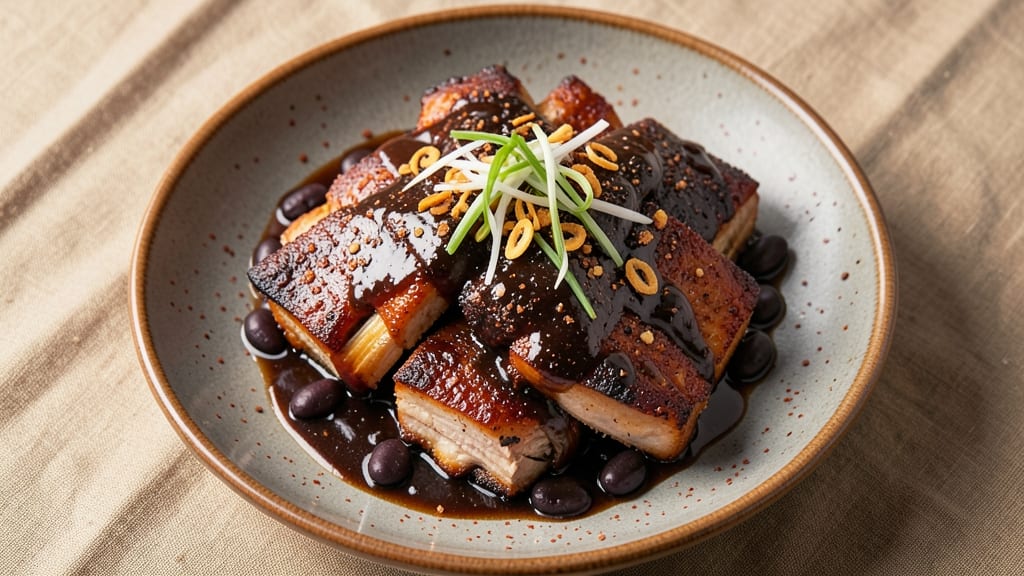
This spareribs with black bean sauce recipe delivers restaurant-quality results with a smoky-sweet glaze that caramelizes edges into crispy perfection. The secret lies in balancing black bean sauce's natural depth with just enough heat and sweetness to create a glaze that transforms tough ribs into melt-in-your-mouth bites.
After years of experimenting with different sauces and cooking methods, I've perfected a technique that yields ribs so tender they practically fall apart while maintaining that coveted caramelized crust.
The beauty of this recipe is its flexibility—whether you're using a slow cooker, grill, or oven, the method ensures consistently delicious results. The black bean sauce isn't just a topping; it's the star, infused with smoky spices and a touch of sweetness that enhances the natural richness of the ribs.
With just a few key ingredients and about 3 hours of hands-off cooking time, you'll have a dish that's impressive enough for company but simple enough for a weeknight dinner.
What makes this recipe truly special is how the sauce transforms during cooking. As the ribs slow-cook, the sauce reduces and caramelizes, creating a sticky glaze that clings to every edge. The result?
Ribs that are tender inside, crispy outside, and coated in a sauce that's both sweet and savory—a perfect balance that keeps everyone reaching for seconds. The aroma alone will have your kitchen smelling like a BBQ joint, and the first bite delivers on that promise of smoky, caramelized perfection.
This dish pairs beautifully with cornbread, roasted vegetables, or even a simple side salad to round out the meal. The leftovers reheat wonderfully, making it ideal for meal prep or feeding a crowd.
Whether you're a seasoned grill master or just starting out, this recipe delivers professional-quality ribs with minimal effort. Let's get started on creating ribs that will have everyone asking for the recipe!
Ingredients for spareribs with black bean sauce
Six core ingredients transform tough spareribs into smoky-sweet perfection with minimal effort.
| Ingredient | Amount | Notes |
|---|---|---|
| Pork Spareribs 🍖 | 4 lb | Bone-in, cut into racks |
| Black Bean Sauce 🫘 | 1 ½ cups | Store-bought or homemade |
| Brown Sugar 🍯 | ½ cup | Packed, light or dark |
| Molasses 🍯 | ¼ cup | Unsulphured preferred |
| Apple Cider Vinegar 🍏 | ¼ cup | For tangy depth |
| Smoked Paprika 🌶️ | 2 tbsp | For smoky flavor |
| Garlic Powder 🧄 | 1 tbsp | Freshly ground preferred |
| Ground Cumin 🌿 | 1 tsp | Toasted for warmth |
| Salt 🧂 | 1 ½ tbsp | Kosher or sea salt |
| Black Pepper 🌶️ | 1 tsp | Freshly cracked |
| Honey 🍯 | ¼ cup | Wildflower preferred |
| Yellow Onion 🧅 | 1 whole | Chopped, for sauce |
| Garlic Cloves 🧄 | 4 cloves | Minced for sauce |
| Water 💧 | 1 cup | For thinning sauce |
The spareribs are the foundation—look for bone-in racks with good marbling for tenderness. Costco or local butchers often carry the best quality, but grocery store brands work fine. Trim excess fat if needed, but leave some for flavor. The black bean sauce should be thick and rich—avoid watery brands. For homemade, blend canned black beans with soy sauce, vinegar, and spices until smooth. The molasses adds depth, so unsulphured is ideal if you can find it. If not, regular molasses still works but may have a stronger flavor.
No molasses? Maple syrup or extra brown sugar works in a pinch, though the flavor will shift slightly. The apple cider vinegar can be swapped for balsamic vinegar if needed, but it’ll lose some of that classic tang. For the spices, smoked paprika is key—don’t skip it. If you’re short on time, pre-mix the dry ingredients (paprika, garlic powder, cumin, salt, and pepper) in a small bowl. The honey and brown sugar can be adjusted to taste—start with the listed amounts, then add more if you prefer it sweeter. The sauce should coat the back of a spoon but still be pourable.
This glaze keeps beautifully—store leftovers in an airtight container in the fridge for up to 5 days. Reheat gently in a saucepan or microwave until warm. For best results, reheat the ribs and sauce together on the stovetop or in the oven at 300°F until heated through. The sauce thickens as it cools, so thin with water or broth if needed. Freeze portions of the sauce separately for up to 3 months—just thaw and reheat before using.
Why You'll Love This Recipe
- One-Pot Magic: I swear by this recipe when I don’t want to dirty a million dishes—just ribs, sauce, and a sheet pan. The black bean sauce and molasses caramelize right alongside the pork, so you’re basically making a sticky, smoky masterpiece with zero scrubbing.
- Sweet-Savory Balance: That combo of brown sugar and apple cider vinegar? It’s like a flavor party in your mouth—deep, tangy, and just a little sweet without being cloying. The ribs stay tender while the sauce clings like it’s glued on, and honestly, I’ll take that over dry meat any day.
- Weeknight or Weekend Star: Between us, this is my go-to for lazy Sundays or when friends drop by unannounced. It’s hearty enough for a crowd but simple enough to throw together when I’m not feeling fancy. (Yes, even on a Tuesday night.)
- Leftovers That Don’t Suck: Most ribs dry out by day two, but not these. The molasses keeps them moist, and the black bean sauce adds this rich, umami punch that makes them taste just as good cold as they do hot. I’ll often pack them for lunches—trust me, your coworkers will be jealous.
Step-by-step instructions for spareribs with black bean sauce
Here's the method that delivers tender spareribs with a perfectly balanced sweet-smoky glaze.
Prepare the Dry Rub and Season the Spareribs
In a medium bowl, combine the 2 tablespoons smoked paprika, 1 tablespoon garlic powder, 1 teaspoon ground cumin, 1.5 tablespoons salt, and 1 teaspoon black pepper. Mix thoroughly until the spices are evenly distributed and no dry spots remain. This dry rub will create the perfect balance of smoky warmth and deep flavor.
Pat the 4 lb pork spareribs dry with paper towels—this step is crucial for achieving crispy edges. Generously coat each rack with the spice mixture, pressing it into the meat so it adheres well. For best results, let the seasoned spareribs sit at room temperature for 30 minutes before cooking. This allows the spices to penetrate slightly and ensures even cooking.
Build the Black Bean Sauce
In a large skillet or Dutch oven, combine the 1 whole yellow onion (chopped), 4 cloves garlic (minced), 0.5 cup brown sugar, 0.25 cup molasses, 0.25 cup apple cider vinegar, 0.25 cup honey, and 1.5 cups black bean sauce. Stir well to integrate all ingredients, then add 1 cup water to help thin the sauce slightly. Bring the mixture to a gentle simmer over medium heat and let it cook for 10 minutes, stirring occasionally.
As the sauce simmers, you'll notice it thickens and develops a rich, aromatic depth. The vinegar will add tanginess while the molasses and honey create a perfect balance of sweetness. Keep the heat at medium—you want the sauce to reduce slightly but not burn. If it becomes too thick, add a splash of water to maintain the right consistency for glazing.
Slow-Cook the Spareribs
Preheat your oven to 275°F. Place the seasoned spareribs in a large oven-safe Dutch oven or heavy skillet, meaty-side down. Pour the prepared black bean sauce over the spareribs, ensuring they're fully coated. Cover tightly with a lid or foil, and transfer to the oven.
Cook the spareribs for 3 hours, flipping them halfway through the cooking time. This slow, gentle heat ensures the meat becomes fork-tender without drying out. After 2 hours, check the internal temperature—it should reach 195°F in the thickest part of the meat. If it's not there yet, continue cooking for another 30 minutes. The sauce will caramelize and thicken as it cooks, creating that irresistible glaze.
Glaze and Finish
Once the spareribs are tender, increase the oven temperature to 375°F. Remove the lid and let the spareribs cook uncovered for an additional 15-20 minutes. This final step allows the sauce to thicken and caramelize, creating a glossy, sticky glaze that clings beautifully to the meat. You'll know it's ready when the edges are deep brown and the sauce has reduced to a syrupy consistency.
Remove the spareribs from the oven and let them rest for 10 minutes before serving. This resting period allows the juices to redistribute, ensuring each bite is moist and flavorful. Serve the spareribs with extra sauce spooned over the top, and enjoy the perfect balance of smoky, sweet, and tangy flavors.
Pro Tips For Making Spareribs With Black Bean Sauce
- Trim the Fat First: Cut the thick membrane of fat off each sparerib before cooking—it’s the sneaky part that keeps sauce from sticking. I learned this after slaving over ribs that looked like they’d been dipped in grease instead of sauce.
- Simmer Sauce Slow: Reduce the black bean sauce with vinegar and molasses on medium-low heat for at least 10 minutes—this thickens it without burning. After rushing it twice, I now let it bubble quietly until it coats the back of a spoon.
- Skip the Crowd: Don’t stack ribs in the pan or they’ll steam instead of caramelize. Leave space between them, and if your pan is too small, work in batches. I’ve seen too many ribs turn soggy because someone ignored this.
- Brown Sugar First: Toast the brown sugar in the pan for 2-3 minutes before adding anything else—it deepens the flavor and prevents clumping. Sounds weird, but it works: the ribs get that sticky, caramelized crust without extra effort.
Storing and reheating this spareribs with black bean sauce
Refrigerator Storage
Store leftover spareribs in an airtight container with any remaining sauce, ensuring they're completely covered. The ribs will stay tender and flavorful for up to 5 days when refrigerated at 40°F or below.
I like using glass Pyrex containers because they maintain moisture better than plastic. The sauce may thicken slightly—simply add 1-2 tablespoons of water when reheating to restore its glossy consistency. 💫
Freezer-Friendly Sauce
Freeze the black bean sauce separately in quart-sized freezer bags for up to 3 months. Portion it into individual servings to avoid thawing the entire batch. When ready to use, thaw overnight in the fridge, then reheat gently on the stovetop.
The sauce will retain its rich, smoky-sweet flavor, though it may thicken slightly after freezing. Always label bags with the date to track freshness. ❄️
Oven Reheating Method
For best results, reheat spareribs in the oven at 300°F for 15-20 minutes, covered with foil. This method preserves the caramelized edges while gently warming the meat. Add 2-3 tablespoons of water or beef broth to the pan to prevent drying.
The ribs should reach an internal temperature of 165°F before serving. This approach keeps the glaze intact and prevents it from becoming dry or grainy. 🔥
Stovetop Glaze Refresh
If you're short on time, reheat the ribs and sauce together in a skillet over medium-low heat. Start with 1 tablespoon of water to loosen the glaze, then cover and simmer for 5-7 minutes, stirring occasionally.
The residual heat will reactivate the caramelization, giving you that restaurant-quality finish. This method works best for smaller portions and is perfect for quick weeknight meals. 💡
Microwave Shortcut
For a quick fix, place ribs and sauce on a microwave-safe plate, cover loosely with a damp paper towel, and heat on 50% power for 2-3 minutes. Stir halfway through to distribute heat evenly.
The ribs may not regain their crispy edges, but the sauce will warm through nicely. This is ideal for feeding a crowd when you're short on time—just plan to serve immediately. ⚡
Sauce Thickening Tips
If your reheated sauce seems too thin, simmer it uncovered for 2-3 minutes to reduce. For extra richness, stir in 1 teaspoon of cornstarch mixed with 1 tablespoon of water and cook until thickened.
Conversely, if the sauce is too thick, whisk in 1-2 tablespoons of water or broth to restore balance. Always taste as you go—adjusting the sauce is the key to maintaining that perfect glaze consistency. 💛
Nutrition facts
Frequently asked questions about smoky-sweet spareribs
Can I use baby back ribs instead of spareribs?
Yes, but you'll need to adjust cooking time. Baby back ribs are leaner and cook faster—expect about 2-2.5 hours at 275°F instead of 3 hours. The black bean sauce works beautifully with either cut, though spareribs have more connective tissue that benefits from the longer slow cook. For baby backs, monitor the internal temp at 195°F and reduce the final glazing time to 10-12 minutes at 375°F.
What if my sauce turns out too thin or too thick?
For thin sauce, simmer uncovered for 5 minutes to reduce. Too thick? Whisk in 1 tablespoon water at a time until pourable. The ideal consistency should coat the back of a spoon but still glaze the ribs. Pro tip: Add 1 teaspoon cornstarch mixed with 1 tablespoon water if you need extra thickening power—stir until clear before adding back to the sauce.
Can I grill these spareribs instead of oven-braising?
Use an indirect heat method: set your grill to 250-275°F and cook for 3-4 hours, flipping every 45 minutes. Build the sauce in a saucepan first, then brush it on during the last 30 minutes of cooking. For extra smokiness, add 1 teaspoon liquid smoke to the sauce. Just watch the ribs closely—they'll cook faster on a grill than in the oven.
Why do my spareribs turn out tough instead of tender?
Overcooking is the #1 culprit—always check the internal temp at 195°F in the thickest part. Another common mistake is skipping the resting time after cooking. Let them rest 10 minutes before serving so juices redistribute. For extra tenderness, score the fat cap lightly before seasoning to help the rub penetrate deeper. Finally, ensure you're using bone-in ribs—they stay moist longer than boneless cuts.
How can I make this dish spicier?
Add 1-2 teaspoons cayenne pepper or 1 tablespoon hot sauce to the sauce mixture. For heat with depth, stir in 1 teaspoon chipotle powder along with the smoked paprika. If you love smoky heat, try ½ teaspoon crushed red pepper flakes in the dry rub. Remember to taste as you go—build heat gradually to avoid overwhelming the sweet-savory balance.