Side Dishes
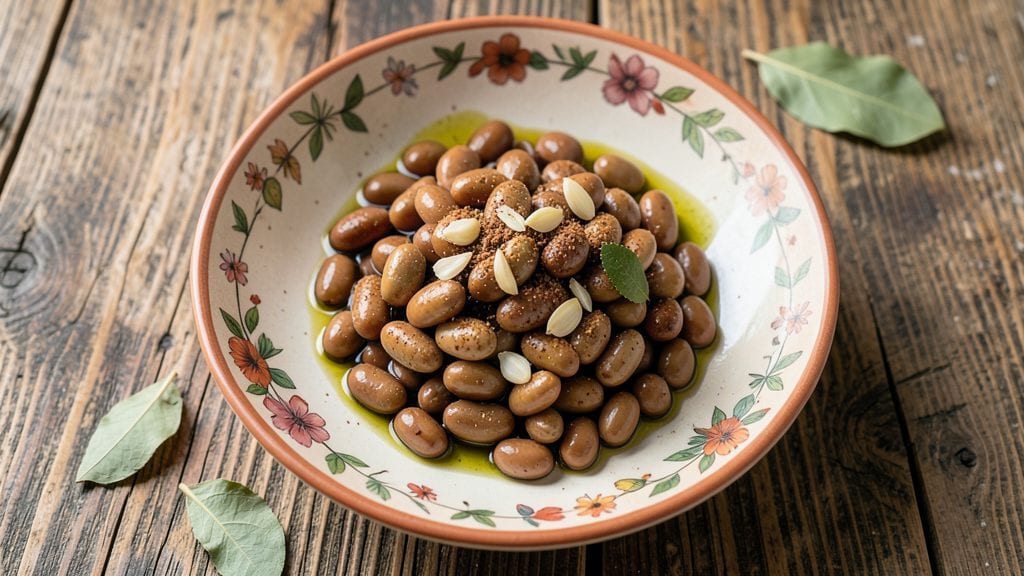
This Portuguese fava bean recipe transforms humble favas into a smoky, garlicky masterpiece that’s been a staple at Portuguese magusto feasts for generations.
The key lies in slow-cooking dried beans until tender, then roasting them with olive oil, garlic, and cumin until fragrant and caramelized—just like my nonna used to make.
This dish is more than a side; it’s a taste of Portugal’s rustic traditions, perfect for pairing with grilled fish or hearty pork chops.
What sets this recipe apart is the balance of textures: creamy beans with crispy edges, all infused with warm spices and smoky depth. Traditional methods—like soaking beans overnight—ensure the best flavor, but modern adaptations (like using a pressure cooker) cut prep time without sacrificing quality.
The aroma alone will transport you to a sun-drenched Portuguese kitchen, where this dish is served with pride.
By the time you’re done, you’ll have a dish that’s rich, satisfying, and brimming with authentic flavor—no shortcuts, just pure, traditional technique. The roasted garlic and cumin create a complex, earthy profile that pairs beautifully with both seafood and meats, making it versatile enough for any meal.
This is the kind of recipe that turns a simple side into the star of the plate.
Whether you’re celebrating a holiday or just craving a taste of Portugal, this method delivers restaurant-quality results at home. Ready to bring a little magusto magic to your kitchen? Let’s get started.
Ingredients for portuguese fava bean
Six simple ingredients transform dried favas into a smoky, garlicky Portuguese masterpiece perfect for festive feasts.
| Ingredient | Amount | Notes |
|---|---|---|
| Dried Fava Beans 🌱 | 2 cups | Soaked overnight for best texture |
| Extra-Virgin Olive Oil 🫒 | ½ cup | High-quality, fruity variety |
| Garlic Cloves 🧄 | 8 whole | Peeled, lightly crushed |
| Ground Cumin 🌿 | 2 tbsp | Toasted for enhanced aroma |
| Smoked Paprika 🌶️ | 1 tbsp | For authentic smoky flavor |
| Bay Leaves 🍃 | 2 whole | Fresh, dried if unavailable |
| Kosher Salt 🧂 | 1 ½ tsp | Diamond Crystal preferred |
| Black Peppercorns 🌶️ | ½ tsp | Freshly cracked for intensity |
| Fresh Rosemary 🌿 | ¼ cup | Chopped, stems removed |
| Red Wine Vinegar 🍷 | 1 tbsp | For brightness and acidity |
| Water 💧 | 6 cups | Filtered preferred for clarity |
| Vegetable Broth 🥫 | 1 cup | Homemade or quality store-bought |
The foundation of this dish lies in the dried fava beans, which must be soaked overnight to ensure tender, creamy texture. Whole dried beans from specialty stores like Penzeys or bulk sections at Whole Foods yield the best results—avoid pre-cooked canned favas, which lack the rustic depth. The extra-virgin olive oil should be a fruity, peppery variety (like Colavita or Bertolli), as it carries the smoky flavors during roasting. For the garlic, Spanish or Italian varieties (available at Trader Joe's) have the most robust flavor, but any fresh cloves will work. Toast the cumin seeds briefly in a dry pan before grinding to amplify their earthy notes—a professional technique that elevates the dish from ordinary to extraordinary.
No smoked paprika? Substitute with a mix of regular paprika and a pinch of liquid smoke (start with 1/4 tsp), though the authentic flavor is irreplaceable. Fresh rosemary unavailable? Dried rosemary at one-third the amount suffices, but the aroma won’t be as vibrant. The red wine vinegar can be swapped for lemon juice, though it lacks the depth of acidity. For the broth, homemade vegetable stock (simmered with carrot tops and celery leaves) adds complexity, but low-sodium store-bought works in a pinch. The bay leaves should be removed before serving—never skip this step, as their texture is unpleasantly fibrous. If you’re short on time, pressure cooking the beans reduces soaking time to just 2 hours, though traditionalists argue overnight soaking yields superior flavor.
Store cooked favas in an airtight container with a layer of olive oil on top to preserve moisture and flavor for up to 5 days in the refrigerator. For longer storage, freeze in 1-cup portions for up to 3 months—thaw overnight in the fridge before reheating. This dish reheats beautifully; gently warm with a splash of water or broth to restore its creamy texture. The roasted garlic and cumin intensify upon reheating, making leftovers even more flavorful. Portion into individual containers for easy meal prep, pairing perfectly with grilled vegetables or crusty bread. The smoky aroma alone will transform your kitchen into a Portuguese magusto feast.
Why You'll Love This Recipe
- No-Soaking Needed: I’ll be real—most dried bean recipes demand overnight soaking. Not these. Soak fava beans overnight or just boil them straight from the bag for 2-3 hours (yes, really). That smoked paprika? It cuts through the earthiness like a knife through butter, making them taste rich without effort.
- Umami Bomb: The garlic and cumin work like a dream team—crispy edges from the olive oil, deep warmth from the paprika, and that buttery fava texture? It’s the kind of dish where every bite makes you reach for the pan again. Honestly, I’ve had fancier meals that didn’t hit this hard.
- Weeknight to Potluck: Make a big batch on Sunday, and you’ve got lunch for Monday, Tuesday, and Wednesday. Cold with crusty bread? Perfect. Warm with a fried egg on top? Even better. Bring it to a picnic or holiday spread—it’s hearty enough to satisfy but simple enough to not feel like a chore.
- Pantry Hero: Dried favas last forever, and the spices cost pennies. No fresh herbs required, no fancy techniques—just heat, oil, and patience. My grocery bill dropped when I started keeping these on hand. Plus, they’re cheaper than canned beans and taste nothing like them. Budget win.
Step-by-step instructions for smoky garlic and cumin roasted fava beans
Aromatic, deeply flavorful, and perfectly textured—this method delivers restaurant-quality Portuguese fava beans every time.
Soak and Prepare the Dried Fava Beans
Place the 2 cups of dried fava beans in a large bowl and cover them completely with cold water by at least 2 inches. Let them soak overnight at room temperature—this ensures even cooking and prevents a chalky texture. The beans should double in size and become pliable when pressed between your fingers the next day.
After soaking, drain the beans thoroughly and transfer them to a large pot. Add the 6 cups of water and bring to a gentle boil over medium heat. Reduce heat to maintain a simmer and cook for 45 minutes, stirring occasionally to prevent sticking. The beans are ready when they're fork-tender but still hold their shape—you should be able to pierce them easily with a fork, but they shouldn't fall apart completely.
Build the Flavor Base in Olive Oil
While the beans cook, heat the 0.5 cup of extra-virgin olive oil in a large skillet over medium heat. Add the 8 whole peeled garlic cloves and the 0.25 cup of chopped fresh rosemary. Sauté for 3-4 minutes until the garlic becomes fragrant and the rosemary releases its piney aroma—you'll notice the oil shimmering gently around the edges.
Add the 2 tablespoons of ground cumin and 1 tablespoon of smoked paprika, stirring constantly for 1 minute until the spices are fully incorporated and the oil takes on a warm, earthy hue. Remove the skillet from heat and set aside—this aromatic oil will infuse the beans with deep, smoky complexity.
Combine and Simmer the Fava Beans
Drain the cooked fava beans and add them to the skillet with the aromatic oil. Stir gently to coat each bean evenly. Return the skillet to medium heat and add the 1 cup of vegetable broth, scraping up any browned bits from the bottom of the pan. These flavorful bits contain concentrated umami that will elevate your dish.
Add the 2 whole bay leaves, 1.5 teaspoons of kosher salt, and 0.5 teaspoon of freshly cracked black peppercorns. Bring the mixture to a gentle simmer, then reduce heat to low. Cover the skillet and let the beans simmer for 20 minutes, stirring occasionally to prevent sticking. The liquid should reduce slightly, creating a rich, velvety sauce that clings to each bean.
Finish with Acid and Roast for Perfection
After simmering, remove the skillet from heat and stir in the 1 tablespoon of red wine vinegar. This final touch brightens the dish and balances the richness of the olive oil and spices. Taste the beans and adjust seasoning if needed—you want a harmonious blend of smoky, garlicky, and slightly tangy flavors.
Transfer the beans to a baking sheet lined with parchment paper, spreading them in an even layer. Roast in a preheated 400°F oven for 15-20 minutes, until the edges are golden brown and the beans have developed a crisp texture. This final step intensifies their flavor and creates that perfect contrast between tender centers and crisp exteriors.
Serve with Confidence
Remove the roasted fava beans from the oven and let them rest for 5 minutes before serving. The beans should be tender yet hold their shape, with a deep golden color and that irresistible crispness. Serve immediately while still warm, accompanied by crusty bread to soak up the flavorful sauce.
Each bite should deliver a perfect balance of smoky, garlicky, and slightly tangy notes with a satisfying texture that contrasts tender centers and crisp edges. This method guarantees a dish that's as impressive as it is delicious—authentic Portuguese fava beans at their finest.
Pro Tips For Making Portuguese Fava Bean
- Soak Overnight: I learned this the hard way—rushing the soak leaves your fava beans tough as shoe leather. Use 4 cups of water per 1 cup of dried beans, cover, and let them sit 12+ hours. The longer they soak, the creamier the final texture.
- Sauté Garlic Low: High heat burns garlic before it releases its flavor, and that smoky bitterness ruins the dish. Keep the heat at medium-low until the cloves are golden—just 2-3 minutes—so they perfume the beans without turning acrid.
- Toast Spices First: Skip this, and your cumin and paprika will just dissolve into the oil. Dry-toast them in the same pot for 30 seconds until fragrant—it deepens their flavor and prevents a flat, one-dimensional taste.
- Simmer Gently: After adding the beans, keep the heat at a bare simmer. I used to crank it up, and the beans would split open, turning the broth into mush. Aim for tiny bubbles—it takes longer but keeps the texture intact.
Serving suggestions for leftovers
With Grilled Fish
Portuguese fava beans shine alongside grilled seafood, especially dorado or sardines, which are staples in Portuguese coastal cuisine. The smoky-sweet notes of the beans complement the fish’s natural oils beautifully. I like to serve them with lemon wedges and fresh parsley for brightness.
For extra authenticity, drizzle the fish with garlic-infused olive oil before grilling—it mirrors the flavors in your fava beans. 🍋
As a Hearty Side
These beans make a satisfying vegetarian main when paired with crusty sourdough or Portuguese pão de milho (cornbread). The smoky cumin and roasted garlic create a rich, filling dish that stands alone.
For a complete meal, add a simple arugula salad with red wine vinaigrette—the peppery greens cut through the richness. I often serve this during magusto celebrations when we’re feasting on seasonal fruits and cheeses.
With Pork or Chicken
Traditionally, Portuguese fava beans are served with pork chops or sausage, creating a perfect balance of textures and flavors. The beans’ earthy cumin and smoky paprika pair wonderfully with the richness of pork.
For a lighter option, try grilled chicken thighs marinated in Portuguese alho e vinagre (garlic and vinegar). The acidity in the marinade echoes the red wine vinegar in the beans, tying the meal together.
For Festive Spreads
These beans are a showstopper at holiday tables, especially during Christmas magusto feasts. Serve them warm in a cast-iron skillet** alongside roasted chestnuts, smoked almonds, and Portuguese queijo da serra (sheep’s milk cheese).
The contrast of creamy beans, crunchy nuts, and sharp cheese makes every bite exciting. For a modern twist, add pickled red onions for a tangy crunch.
Meal Prep Pairings
Fava beans reheat beautifully, making them perfect for meal prep. Store them in an airtight container with a drizzle of olive oil to keep them moist. Pair them with pre-cooked rice or quinoa for a quick lunch, or with grilled vegetables** like zucchini and bell peppers for a balanced dinner.
I also love serving them cold in Portuguese tosta (open-faced sandwiches) with smoked ham and avocado for a satisfying handheld meal.
Wine and Beer Pairings
A crisp Vinho Verde (Portuguese white wine) is the classic pairing—its citrusy acidity and light body complement the beans’ smoky depth. For beer lovers, a Portuguese lager like Sagres or a Belgian witbier (with its coriander and citrus notes) works beautifully.
Avoid heavy reds, as they’ll overpower the dish. If you prefer something lighter, a sparkling rosé adds a festive touch to your meal. 🍷
Nutrition facts
Frequently asked questions
Can I use canned fava beans instead of dried?
While canned beans save time, they lack the rustic depth of dried favas. For authentic texture, dried beans are essential—they develop a creamy, tender consistency when slow-cooked. If you must use canned, drain and rinse them well, then roast with the same spices for 10-12 minutes at 400°F to mimic the crisp edges. The flavor won’t be identical, but it’s a decent shortcut.
How do I prevent fava beans from turning mushy?
Overcooking is the main culprit! Test doneness by piercing a bean with a fork—it should be tender but still hold its shape. Start checking at 40 minutes of simmering. Also, never skip the soaking step (minimum 8 hours for dried beans). If they’re still firm after cooking, add ½ cup water and simmer uncovered for 5-10 minutes more. The roasting step at the end creates crisp edges that prevent mushiness.
What’s the best way to make this recipe vegetarian?
This recipe is already vegetarian-friendly! Skip any meat-based broths and use vegetable broth instead. For extra richness, stir in 1 tablespoon nutritional yeast or smoked tofu cubes during the final simmer. The smoky cumin and roasted garlic flavors shine even without meat. Serve with grilled halloumi or a Portuguese-style vegetable stew for a complete plant-based meal.
Can I make this ahead of time for a party?
Cook the beans up to 2 days ahead and store them in an airtight container with a drizzle of olive oil. Reheat gently in a skillet with 1-2 tablespoons water over medium heat until warmed through. For the roasting step, add it fresh before serving to get that perfect crisp texture. The flavors actually deepen overnight, making it ideal for holiday feasts like magusto.
Why does my dish taste bitter?
Bitterness usually comes from overcooked beans or under-soaked dried favas. Always soak dried beans overnight and cook them at a gentle simmer (never a rolling boil). If the bitterness persists, add 1 tablespoon red wine vinegar or lemon juice at the end to balance the flavors. Avoid using old spices—fresh cumin and smoked paprika are key. For extra insurance, toast the cumin seeds before grinding to enhance their aroma.