Sauces & Condiments
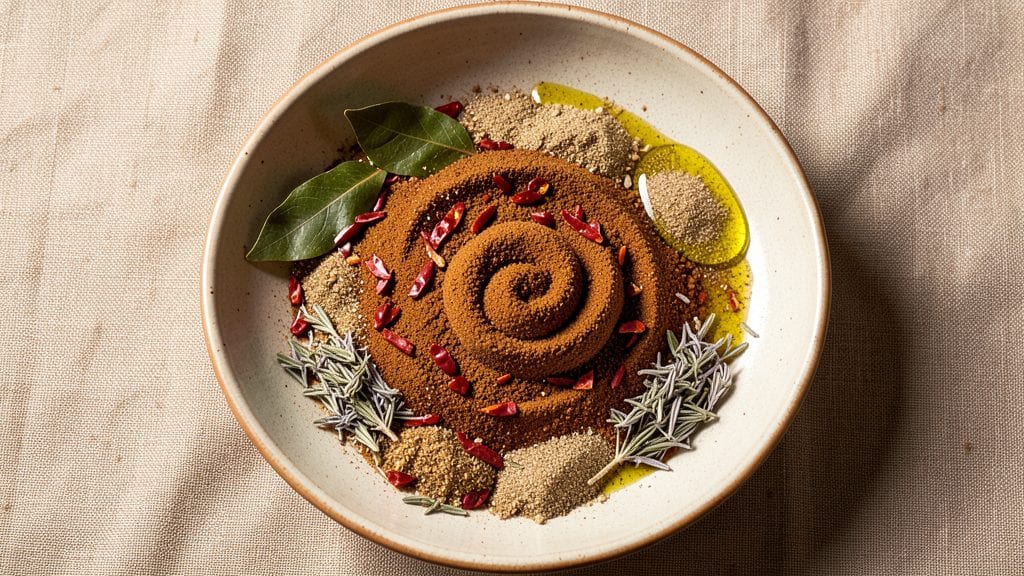
This pinto beans seasoning recipe transforms ordinary beans into restaurant-quality, smoky-spiced comfort food with just a few simple ingredients. Standing on a step stool in my grandmother’s kitchen in Sicily, I learned how dried spices elevate humble dishes—this blend is my modern twist on those lessons.
The secret lies in balancing earthy cumin, warm chili powder, and aromatic bay leaf for depth that lingers long after the first bite.
Perfect for hearty dishes, this dry blend requires no special equipment—just mix, measure, and store. Use it during soaking or cooking to infuse beans with layers of flavor without overpowering their natural taste.
The spices develop as they cook, creating a rich, complex profile that works in everything from soups to tacos. One batch lasts for months in an airtight container, making it a pantry essential.
What you’ll get is a foolproof seasoning that cuts through the blandness of store-bought beans, delivering smoky, slightly sweet, and deeply savory results. The blend’s versatility means it works equally well in slow-cooked stews or quick weeknight meals.
Trust me—once you try this, you’ll never go back to plain beans again.
For best results, toast the spices lightly before mixing to deepen their flavors. Store in a cool, dark place, and keep a small jar on hand for spontaneous cooking.
Whether you’re prepping for a crowd or meal prepping for the week, this blend is your secret weapon for flavor-packed beans every time.
Ingredients for pinto beans seasoning
Nine spices, one jar—transforms plain beans into restaurant-worthy flavor.
| Ingredient | Amount | Notes |
|---|---|---|
| Chili Powder 🌶️ | 3 tbsp | Smoked or mild variety preferred |
| Ground Cumin 🌿 | 2 tbsp | Toasted for deeper aroma |
| Garlic Powder 🧄 | 1 tbsp | Freshly ground if possible |
| Onion Powder 🧅 | 1 tbsp | No added salt |
| Bay Leaves 🍃 | 1 whole | Crushed slightly for release |
| Dried Oregano 🌿 | 1 tsp | Mexican oregano if available |
| Ground Coriander 🍊 | 1 tsp | Adds citrusy brightness |
| Smoked Paprika 🌶️ | 1 tsp | For authentic smoky depth |
| Black Pepper 🌶️ | ½ tsp | Freshly cracked preferred |
| Sea Salt 🧂 | 1 tsp | Kosher or fine grain |
The cumin and chili powder are your flavor anchors here. Penzeys or bulk bins at Whole Foods have the best quality—look for spices that smell vibrant, not dusty. I always toast the cumin and coriander in a dry pan for 30 seconds before mixing (that's when they get really aromatic). The bay leaves? California or Mediterranean are ideal—crush them slightly before adding to release their oils. If you can't find Mexican oregano, regular dried oregano works, but it'll have a slightly different profile. Smoked paprika is key for that authentic smoky flavor—Trader Joe's has a great affordable option.
No smoked paprika? Regular paprika plus a pinch of liquid smoke gets you close. Short on cumin? Carom seeds (ajwain) at half the amount add a different but equally earthy depth. The bay leaves can be omitted if you're sensitive to their strong flavor, but trust me—they're worth it for that subtle piney note. If you're using this blend for tacos or burrito bowls, you can double the cumin and chili powder for extra punch. And if you've got fresh bay leaves (the kind you'd use in soups), dry them first by baking at 200°F for 1-2 hours—they'll be more potent than dried.
This blend keeps for 6-12 months in an airtight container in a cool, dark place. I like to use a small glass jar with a tight lid—just enough for a few uses at a time. For extra flavor, toast the whole blend in a dry pan for 1-2 minutes before using it, then let it cool. It's perfect for soaking beans (1 tsp per pound of dry beans) or adding during cooking (1 tsp per 2 cups of cooked beans). The flavors actually improve as it sits, so don't be afraid to make a big batch—you'll use it up before you know it.
Why You'll Love This Recipe
- Pantry Magic: I keep this mix in a jar—no measuring, no fuss—just toss it in while I’m chopping veggies or heating oil. That’s the beauty of it: five ingredients, zero guesswork.
- Earthy Heat: The cumin and chili powder hit like a warm hug, while the garlic and onion powders add that just-cooked depth. Honestly, it’s the kind of flavor that makes you pause mid-bite—like, “Wait, why haven’t I done this before?”
- Game for Any Meal: Slap it on beans for tacos, stir it into rice for burrito bowls, or even sprinkle it over roasted potatoes. Between us, I’ve used it in soups, scrambled eggs, and even as a dry rub for chicken—it’s that versatile.
- Budget Booster: A single jar lasts me months, and it turns cheap dried beans into something ridiculously good. Plus, no fancy ingredients—just spices I already had. My wallet and taste buds both win.
Step-by-step instructions for pinto beans seasoning recipe
Here's how to blend these spices perfectly for rich, smoky bean dishes every time.
Measure All Ingredients Precisely
Start by gathering all the ingredients in a small mixing bowl. I like to use a fine-mesh strainer for the chili powder and ground cumin to ensure no clumps remain. The garlic powder and onion powder should be measured directly from their containers using a level tablespoon measure—packing them down too tightly will give you less than the full amount.
For the bay leaves, gently crush one whole leaf between your fingers to release its aromatic oils before adding it to the mix. This little step makes a noticeable difference in flavor depth. Keep the black pepper separate for now—I'll add it last to preserve its freshness and prevent it from losing potency during the mixing process.
Combine Dry Spices Thoroughly
Add the 3 tablespoons chili powder, 2 tablespoons ground cumin, 1 tablespoon garlic powder, 1 tablespoon onion powder, 1 teaspoon dried oregano, 1 teaspoon ground coriander, and 1 teaspoon smoked paprika to your mixing bowl. Use a whisk to combine these ingredients vigorously for about 1 minute until the color is completely uniform and no individual spices remain visible.
This thorough mixing ensures each tablespoon of seasoning delivers balanced flavor. I like to tap the bowl gently against the counter a few times during mixing to help break up any stubborn clumps. The ground coriander and smoked paprika are particularly prone to clumping, so pay extra attention to those.
Add the Bay Leaves and Salt
Add the crushed bay leaf and 1 teaspoon sea salt to the spice mixture. Gently stir these with a fork or small spoon just until combined—there's no need to whisk vigorously since these ingredients are already finely ground. The bay leaf will add earthy depth while the salt enhances all the flavors and helps balance the spices.
This is where the magic happens. The bay leaf's aromatic compounds will infuse into the other spices during storage, creating a more complex flavor profile. I recommend crushing the bay leaf slightly with your fingers before adding it to maximize flavor release.
Incorporate the Black Pepper
Finally, add the 0.5 teaspoon black pepper to the mixture and give it one final stir. The pepper should be freshly cracked if possible—pre-ground pepper loses its punch over time. This last addition ensures the pepper's bright, slightly sharp notes cut through the richness of the other spices.
At this point, your seasoning blend should look like a rich, earthy brown with visible specks of different spices. The texture should be fine and powdery with no noticeable clumps. If you do see any, simply press the mixture through a fine-mesh strainer to achieve a perfectly smooth consistency.
Store Properly for Maximum Flavor
Transfer the finished seasoning blend to an airtight container, like a small glass jar with a tight-sealing lid. Store it in a cool, dark place—like your pantry—for up to 6 months. The flavors will actually deepen and meld together over time, making your seasoning even more complex with each passing week.
When you're ready to use it, simply shake the jar well before each use to distribute all the spices evenly. This blend works beautifully on pinto beans, but don't hesitate to use it on other dishes like rice, soups, or even roasted vegetables. The possibilities are endless once you have this versatile seasoning at your fingertips.
Pro Tips For Making Pinto Beans Seasoning
- TOAST THE SPICES: Heat your chili powder and cumin in a dry skillet for 30 seconds before adding to the beans—just until you smell that deep, toasty aroma. I used to skip this, and the flavor was always flat; now it’s the thing that makes my seasoning pop.
- CRUSH BAY LEAVES: Tear the bay leaves in half before adding them to the pot. Whole leaves release flavor unevenly, and you’ll end up picking out chewy bits. A quick pinch of salt on the leaves first also helps them soften faster.
- BLOOM THE GARLIC: Add garlic powder after the chili and cumin have cooked for 30 seconds—let those spices sizzle first. I learned this the hard way when my garlic tasted raw and bitter; blooming the spices first lets their oils meld properly.
- STORE DRY, NOT WET: If saving your seasoning mix for later, let it cool completely and store it in an airtight container without the beans. Moisture turns it into a clumpy mess, and you’ll end up measuring clods instead of powder. A tiny jar works best.
Best sauces and condiments for these flavors
Smoky Tomato Sauce
This blend pairs beautifully with homemade tomato sauce for bean-based pasta dishes. Simmer 1 cup crushed San Marzano tomatoes with 1 tablespoon of this seasoning blend, 2 cloves minced garlic, and ½ cup reserved pasta water for 20 minutes on low heat.
The result is a rich, smoky sauce that coats every bite of pappardelle or rigatoni. 🍅 For extra depth, add 1 teaspoon of balsamic vinegar at the end.
Spicy Bean Dip
Transform this seasoning into a crowd-pleasing dip by blending 1 can (15 oz) cooked pinto beans, 2 tablespoons seasoning blend, ¼ cup sour cream, 1 tablespoon lime juice, and 2 tablespoons chopped cilantro.
Serve with warm tortilla chips or toasted pita bread. The smoky cumin and chili powder create a perfect balance of heat and creaminess that’s impossible to resist.
Grilled Corn Salsa
Use this blend to elevate grilled corn by mixing 1 cup charred corn kernels, ½ teaspoon seasoning blend, ¼ cup diced red onion, 2 tablespoons chopped cilantro, and 1 tablespoon lime zest.
The spices amplify the natural sweetness of the corn while adding a smoky kick. Perfect as a topping for tacos or a side dish for grilled meats. 🌽 For extra richness, drizzle with a little avocado oil before serving.
Slow-Cooked Chili
This seasoning blend is a game-changer for chili. Brown 1 lb ground beef with 1 tablespoon seasoning blend, then add 2 cans (15 oz each) pinto beans, 1 can (15 oz) diced tomatoes, 1 cup beef broth, and 1 tablespoon cocoa powder.
Simmer for 2 hours on low. The blend’s smoky depth and earthy cumin make this chili heartier and more complex than store-bought versions.
Roasted Potatoes
Toss 2 lbs baby potatoes (halved) with 2 tablespoons olive oil, 1 tablespoon seasoning blend, and ½ teaspoon smoked paprika. Roast at 425°F for 35-40 minutes until crispy.
The blend’s warm spices caramelize beautifully, creating a crispy exterior with a tender interior. Serve as a side dish or mix into salads for extra texture and flavor. 🥔
Spiced Olive Oil
Create an infused oil by gently heating 1 cup extra-virgin olive oil with 1 tablespoon seasoning blend in a small saucepan over low heat for 5 minutes. Strain and store in a clean jar.
Use this oil to drizzle over soups, beans, or grilled vegetables for an instant flavor boost. The oil absorbs the spices beautifully, making it perfect for finishing dishes at the table.
Nutrition facts
Frequently asked questions
Can I use this seasoning blend for other types of beans?
This blend works beautifully with black beans, kidney beans, and even lentils. The warm spices complement all varieties, though pinto beans have a slightly creamier texture that pairs especially well. For refried beans, reduce the smoked paprika to ½ teaspoon to avoid overpowering their mild flavor.
How much seasoning should I add to my beans?
Start with 1 teaspoon per pound of dry beans when soaking, or 1 teaspoon per 2 cups of cooked beans. For slow-cooked dishes, you can add up to 2 teaspoons per 2 cups—the spices develop more flavor over time. Always taste and adjust, as homemade beans can vary in saltiness.
Can I make this seasoning blend without smoked paprika?
Yes! Replace the 1 teaspoon smoked paprika with ½ teaspoon regular paprika plus ¼ teaspoon liquid smoke. The liquid smoke adds depth, but use sparingly—too much can make the blend taste artificial. For a smokier profile, toast ½ teaspoon of the chili powder separately in a dry pan until fragrant before mixing.
Why does my seasoning taste bland after a few months?
Spices lose potency over time, especially if exposed to light or heat. Store your blend in an airtight glass jar in a cool, dark pantry, and it should stay vibrant for 6-12 months. For stale seasoning, revive it by toasting the entire blend in a dry pan over low heat for 1-2 minutes, then let it cool before using. If it still tastes weak, mix in ½ teaspoon of fresh ground cumin or chili powder.
What’s the best way to use this seasoning in quick meals?
For 30-minute meals, add 1 teaspoon of the blend to beans during the last 10 minutes of cooking. For tacos or salads, toss cooked beans with ½ teaspoon per cup and a splash of lime juice. For rice or quinoa, stir in ½ teaspoon per cup of cooked grains with a pinch of garlic powder. The key is balancing it with acid (like lime or vinegar) to brighten the flavors.