Side Dishes
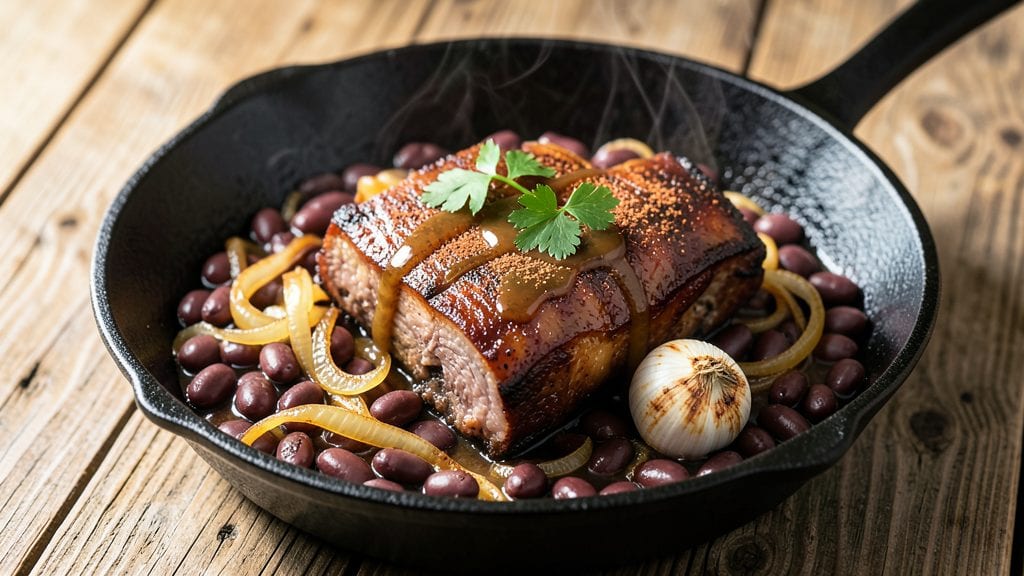
Paula Deen’s ham hock and beans recipe delivers that soul-warming Southern comfort in one rich, smoky pot. The secret lies in slow-cooking the ham hock until it’s fork-tender, infusing the beans with deep, savory flavor that builds with every hour.
This isn’t just a side dish—it’s a centerpiece that brings family-style meals to life, especially when paired with cornbread or collard greens.
The technique is straightforward but essential: brown the ham hock first to lock in flavor, then simmer it low and slow with onions, garlic, and a blend of spices that balance smoky heat with sweetness.
The beans absorb the broth until they’re creamy and tender, while the ham hock melts apart, creating a broth so rich it could be served as soup. It’s the kind of dish that tastes even better the next day, when flavors meld into perfect harmony.
What makes this recipe special is its versatility—it works as a hearty side for Sunday dinners or as a main dish when paired with crusty bread. The slow cooking transforms tough cuts into melt-in-your-mouth meat, and the beans become a velvety, flavorful base.
This is comfort food at its finest, with every spoonful carrying the warmth of tradition and the depth of Southern cooking.
Ready in about 3 hours (mostly hands-off time), this dish is perfect for gatherings or meal prep. The key is patience—letting the flavors develop over time ensures a result that’s far beyond anything store-bought.
Here’s how to make it, step by step, for a taste of home that’s impossible to resist.
Ingredients for paula deen ham hock and beans
Southern pantry staples meet Paula Deen’s slow-cooked magic in this one-pot masterpiece.
| Ingredient | Amount | Notes |
|---|---|---|
| Ham Hock 🍖 | 2 whole | Salt-cured, bone-in preferred |
| Dried Navy Beans 🌾 | 2 cups | Uncooked, soaked overnight |
| Yellow Onion 🧅 | 1 whole | Medium, diced small |
| Garlic Cloves 🧄 | 4 cloves | Fresh, minced fine |
| Smoked Paprika 🌶️ | 2 tbsp | For authentic smoky flavor |
| Ground Black Pepper 🌶️ | 1 tbsp | Freshly cracked preferred |
| Dried Thyme 🌿 | 1 tsp | Or 1 tbsp fresh thyme |
| Bay Leaves 🍃 | 2 whole | Fresh or dried |
| Salt 🧂 | 1 tbsp | Kosher or sea salt |
| Apple Cider Vinegar 🍏 | 2 tbsp | For brightness |
| Brown Sugar 🍯 | 2 tbsp | Light or dark |
| Vegetable Broth 💧 | 4 cups | Low-sodium preferred |
| Extra-Virgin Olive Oil 🫒 | 2 tbsp | For browning ham hock |
| Fresh Parsley 🌿 | ¼ cup | Chopped, for garnish |
The ham hock is non-negotiable—look for salt-cured, bone-in cuts at your local butcher or specialty grocer like Whole Foods. The bones add depth to the broth, while the salt-curing balances the beans' earthiness. If you can't find ham hock, smoked ham shank works in a pinch, but trim excess fat. Soak the dried navy beans overnight (or quick-soak with boiling water for 2 hours) to ensure even cooking. For the smoked paprika, Penzeys or Goya brands deliver that authentic Southern smokiness—don’t skimp on quality here. The brown sugar adds subtle sweetness that rounds out the smoky heat, so use light or dark depending on your preference.
No smoked paprika? Substitute 1 tbsp regular paprika plus 1 tsp liquid smoke—it’s a game-changer for that campfire flavor. Short on thyme? Dried oregano at half the amount works, but fresh thyme is ideal if you’ve got it. The apple cider vinegar cuts through the richness, so if you’re out, red wine vinegar or even a splash of lemon juice will do. For the vegetable broth, low-sodium is key—you can always add more salt later. If you’re using canned beans to save time, drain and rinse them well to avoid a watery dish. The olive oil should be extra-virgin for browning the ham hock—it adds a fruity note that complements the smokiness.
This dish tastes even better the next day, so double the batch if you’re feeding a crowd. Store leftovers in the fridge for up to 5 days or freeze for 3 months—portion into containers for easy reheating. The ham hock bones can be picked clean after cooking and used for homemade stock later. For serving, garnish with fresh parsley and a drizzle of hot sauce if you like a little kick. Pair with cornbread or crusty bread to soak up every last bit of that smoky, velvety broth.
Why You'll Love This Recipe
- One-Pot Magic: I swear by this recipe—just toss everything in a pot, add water, and walk away. The ham hock infuses the beans with smoky richness while you handle the rest of your day, no chopping marathon required.
- Smoky Depth Bomb: That ham hock? It’s the star. The slow simmer turns it tender and melty, while the smoked paprika adds a warm, earthy punch that makes these beans taste like a hug from your grandma’s kitchen.
- Game for Any Meal: Serve it over rice for a hearty weeknight dinner, or ladle it into sandwiches for a lunch that feels fancy. Honestly, I’ve even used the leftovers to top cornbread—yes, really.
- Budget-Friendly Powerhouse: Dried beans and a single ham hock stretch into a meal that feeds four for under $10. Between us, this is the kind of dish that makes grocery day feel like a win, especially when you’re staring at a pantry full of basics.
Step-by-step instructions for Paula Deen's ham hock and beans
This one-pot recipe delivers deep, smoky comfort with minimal effort. Follow these steps for tender beans and richly flavored broth.
Prepare the Ham Hock and Beans
Begin by rinsing the 2 whole ham hocks under cold water to remove any surface salt. Place them in a large Dutch oven and cover with cold water by about 2 inches. Bring to a boil over medium-high heat, then reduce to a simmer and cook for 30 minutes. This initial simmering helps render fat and infuse flavor into the broth.
While the ham hocks simmer, drain and rinse the 2 cups dried navy beans thoroughly. Soak them overnight in a large bowl of cold water, then drain again before using. This overnight soaking ensures they cook evenly and prevents a gummy texture. The beans should be plump and tender when ready to use.
Sauté the Aromatics and Season the Pot
After the 30-minute simmer, remove the ham hocks from the pot and set them aside. Drain the liquid but leave about 1 cup in the Dutch oven. Heat 2 tablespoons extra-virgin olive oil over medium heat and add the diced 1 whole yellow onion. Sauté for 5-6 minutes until softened and translucent.
Add the minced 4 cloves garlic, 2 tablespoons smoked paprika, 1 tablespoon ground black pepper, and 1 teaspoon dried thyme. Stir for 30 seconds until fragrant—this step builds the foundation of flavor. The paprika will deepen the smoky notes that define this dish, while the thyme adds an earthy warmth that pairs perfectly with the ham.
Combine and Simmer the Beans
Return the ham hocks to the pot and add the drained 2 cups navy beans, 4 cups vegetable broth, 2 tablespoons apple cider vinegar, 2 tablespoons brown sugar, 1 tablespoon salt, and the 2 whole bay leaves. Stir gently to combine, ensuring the beans are fully submerged. Bring the mixture to a boil over high heat, then reduce to a gentle simmer.
Cover the pot and let the beans cook for 1.5 to 2 hours, stirring occasionally, until they're fork-tender. The beans should be soft but still hold their shape, with no hard centers. The broth will reduce slightly, creating a thick, hearty consistency. This slow cooking transforms the beans into a creamy, flavorful base while allowing the ham hock to break down and infuse the broth with rich, savory depth.
Finish and Serve with Fresh Herbs
Once the beans are tender, remove the ham hocks from the pot and let them cool slightly. Using a slotted spoon, transfer the beans to a serving bowl, leaving the broth in the pot. Shred the meat from the ham hocks using two forks and return it to the pot, breaking it into bite-sized pieces. Stir everything together and let it simmer uncovered for an additional 10 minutes to meld the flavors.
Just before serving, stir in the 0.25 cup chopped fresh parsley. This bright green herb adds a fresh contrast to the deep, smoky flavors of the dish. Taste and adjust seasoning if needed—you may need a touch more salt or vinegar to balance the richness. Serve the beans hot, straight from the pot, with crusty bread to soak up every last drop of that flavorful broth.
Pro Tips For Making Paula Deen Ham Hock And Beans
- Blister the Ham First: Hit that ham hock with a dry skillet over medium-high heat until the skin blackens and cracks—about 3-4 minutes per side. I used to skip this, thinking it was just for looks, but it deepens the smoky flavor and makes the meat fall apart later. (Yes, even if you're impatient like me.)
- Soak Beans Overnight: Dried navy beans need at least 8 hours in cold water to soften properly—no shortcuts. I learned this the hard way when my beans stayed rock-hard after 6 hours of simmering. Drain and rinse before adding to the pot to avoid cloudy water.
- Sweat Onions Low and Slow: Don’t rush the onions—cook them on low heat with a splash of water until they’re translucent and jammy, about 10 minutes. High heat burns them before they soften, and you’ll taste that bitter edge in every bite. (Your future self will notice.)
- Add Paprika Late: Stir in the smoked paprika just before serving, not during the long simmer. It burns easily and loses its bright, smoky punch if cooked too long. A pinch at the end keeps the flavor sharp and vibrant. (Sounds weird, but it works.)
Serving suggestions for this dish
Classic Southern Pairings
This dish shines brightest when served alongside hot, buttery cornbread—the perfect vehicle for soaking up every last drop of that smoky, savory broth. I like to use a jiffy mix for convenience, but homemade with stone-ground cornmeal and sharp cheddar takes it to the next level.
For a heartier option, crusty sourdough bread or biscuits work beautifully, especially if you’re serving this as a main dish. 🍞
Don’t forget collard greens—another Southern staple—that balances the richness with their slightly tangy, earthy flavor. Sauté them with smoked turkey neck or bacon for a complete one-pot meal experience. If you’re feeling extra festive, add mashed sweet potatoes or creamy mac and cheese to round out the plate.
Beverage Pairings
A cold sweet tea is a must with this dish—its Southern charm pairs perfectly with the smoky, spiced flavors. For a non-alcoholic option, sparkling lemonade with a hint of mint adds a refreshing contrast.
If you’re serving alcohol, a bold red wine like Cabernet Sauvignon or Zinfandel complements the richness, while a light lager like Bud Light keeps things crisp and refreshing. 🍷
For a true Southern experience, try moonshine or bourbon on the rocks—just a splash in your tea or a sip on its own elevates the meal to new heights. If you prefer beer, a smoked porter mirrors the dish’s deep, smoky notes beautifully.
Garnish Like a Pro
Fresh chopped parsley is non-negotiable—it brightens the dish and adds a pop of color. For extra flair, sprinkle with crumbled feta cheese or shredded sharp cheddar just before serving. A drizzle of hot honey or spicy pepper jelly adds a sweet-heat kick that takes this dish to restaurant-quality levels. 🌿
If you love texture, top with toasted breadcrumbs or crushed pork rinds for a crispy contrast. For a smoky finish, dust with a pinch of smoked salt or a sprinkle of paprika right before serving.
Leftovers Reinvented
This dish tastes even better the next day—double the batch and store leftovers in an airtight container in the fridge for up to 5 days. Reheat gently on the stovetop with a splash of water or broth to restore moisture.
For a quick lunch, serve on toasted bread with a fried egg on top for a Southern-style "ham hock and beans sandwich." 🍳
Use the leftover ham hock bones to make a batch of homemade stock—simmer them with carrots, celery, and onion for a flavorful base for soups or gravy. The beans also freeze beautifully for up to 3 months, making this a perfect meal-prep dish.
Nutrition facts
Frequently asked questions
Can I use canned beans instead of dried for this recipe?
You can, but the texture and flavor won't be the same. Canned beans cook much faster and lack the deep, earthy flavor developed from slow-soaking. If you must use them, drain and rinse well, then add them to the pot after the beans have simmered for 1 hour to absorb the broth. For best results, stick with dried navy beans—they create that creamy, velvety consistency Paula Deen loves.
How do I know when the ham hock is fully cooked?
The ham hock is done when the meat easily shreds with two forks and the broth has reduced to a rich, thick consistency. After 2 hours of simmering, check the beans first—they should be fork-tender. If the meat still feels tough, return it to the pot with an extra 30 minutes of simmering. The bones should also be soft enough to crush with tongs.
What’s the secret to getting that smoky flavor without smoked paprika?
If you don’t have smoked paprika, combine 1 tbsp regular paprika with 1 tsp liquid smoke>—this mimics the campfire depth. For extra smokiness, wrap the ham hock in aluminum foil with a few wood chips> (like apple or hickory) during the initial 30-minute simmer. Just remove the foil before adding the beans to avoid overpowering the dish.
Can I make this recipe in a slow cooker?
Brown the ham hock and sauté the aromatics in a skillet first, then transfer everything to a 6-quart slow cooker. Add the beans, broth, and seasonings, then cook on low for 7-8 hours or high for 4-5 hours. The slow cooker’s gentle heat ensures tender beans and perfectly shredded ham hock. Stir occasionally and add water if the mixture gets too thick.
Why did my beans turn out mushy?
Mushy beans usually mean overcooking or insufficient liquid. Always soak dried beans overnight (or quick-soak for 2 hours). Start with enough broth to cover the beans by 1 inch, and stir occasionally to prevent sticking. If the pot dries out, add ½ cup water and simmer uncovered for 10 minutes to thicken. For extra structure, add 1 tbsp cornstarch** mixed with water at the end.