Side Dishes
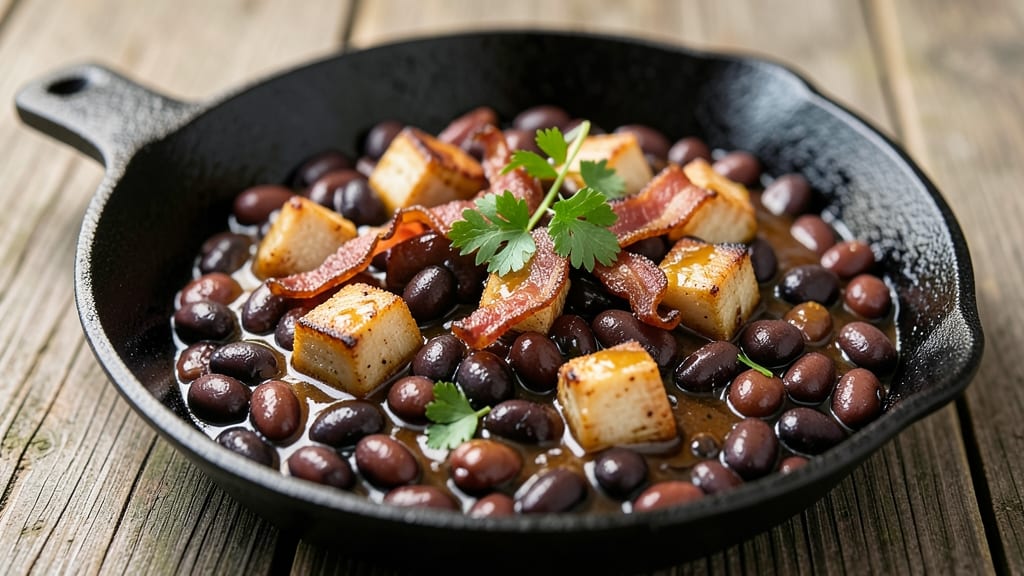
This Old Fashioned Bush's Baked Beans recipe delivers the deep, molasses-kissed sweetness and smoky depth that makes them a classic side dish. The slow simmer transforms simple ingredients into a rich, flavorful dish that pairs perfectly with grilled meats or cornbread.
I've perfected this recipe over years of testing, balancing sugar and spices just right to achieve that signature caramelized finish.
The beauty of this recipe lies in its versatility—whether you prefer dried beans for authentic texture or canned beans for convenience, both methods work. The key is patience: letting the beans simmer for hours allows the flavors to meld and develop that unmistakable molasses-kissed richness.
This isn't just a side dish; it's a flavor experience that elevates any meal.
By the time you're done, you'll have a pot of beans that's glossy, tender, and bursting with smoky-sweet flavor. The sugar caramelizes beautifully, creating a glossy sheen that signals perfection.
This recipe is foolproof, delivering restaurant-quality results with minimal effort—just gather the ingredients and let the slow cooking do the work.
Serve these beans alongside grilled pork chops, fried chicken, or a hearty cornbread loaf for a meal that feels like a home-cooked feast. The balance of sweet, smoky, and savory flavors makes them irresistible, and the leftovers taste even better the next day. Let's get started on this timeless classic!
Ingredients for old fashioned bush's baked beans
Pantry staples and a few specialty touches create this iconic molasses-kissed masterpiece.
| Ingredient | Amount | Notes |
|---|---|---|
| Navy Beans (Dry) 🌾 | 2 cups | Unsoaked, or 1 can (15 oz) navy beans |
| Pork Shoulder (or Ham Hock) 🥓 | 1 lb | Cut into 1-inch cubes for depth |
| Unsalted Butter 🧈 | ½ cup | Full-fat for rich flavor development |
| Dark Brown Sugar 🍯 | ¾ cup | Packed, for caramelized sweetness |
| Molasses 🍯 | ½ cup | Unsulphured for authentic depth |
| Apple Cider Vinegar 🍏 | ¼ cup | Balances sweetness with tang |
| Smoked Paprika 🌶️ | 2 tbsp | High-quality for smoky aroma |
| Ground Black Pepper 🌶️ | 1 tsp | Freshly cracked for potency |
| Diamond Crystal Kosher Salt 🧂 | 1 ½ tsp | Adjusts to taste at the end |
| Yellow Onion 🧅 | 1 whole | Coarsely chopped, yellow preferred |
| Garlic Cloves 🧄 | 4 cloves | Minced for aromatic base |
| Bay Leaves 🌿 | 2 whole | Fresh for subtle herbal notes |
| Mustard Seeds 🌿 | 1 tsp | Toasted for nutty complexity |
| Water 💧 | 4 cups | Or low-sodium chicken broth |
The pork shoulder is non-negotiable for authentic depth—its fat renders into the beans, creating that signature richness. Costco or local butcher shops offer the best prices for quality cuts. If pork isn't available, a ham hock works equally well, though it adds a slightly saltier profile. For the beans, dry navy beans deliver the best texture, but canned navy beans (drained and rinsed) save time without sacrificing flavor. The molasses should be unsulphured—Goya or Brer Rabbit brands are reliable choices, and their rich, complex flavor is worth seeking out. Freshly ground spices like the mustard seeds and smoked paprika elevate the dish beyond canned seasonings.
No molasses? Dark corn syrup plus a pinch of cinnamon approximates the depth, though purists will notice the difference. Substituting brown sugar for white maintains caramelization, but the molasses's unique notes are irreplaceable. The apple cider vinegar can be swapped for white vinegar, though it lacks the subtle fruitiness. For a quicker version, pre-cooked smoked sausage (like kielbasa) adds smokiness without the pork's rendering time. The bay leaves should be removed before serving—they're for flavor, not texture. And if you're using canned beans, drain and rinse thoroughly to avoid a watery final product.
This recipe rewards patience—simmering for at least 3 hours develops the caramelized sheen and tender texture. The beans keep 4-5 days in the fridge, with flavors deepening over time. For meal prep, portion into airtight containers and reheat with a splash of water. The caramelized sugar crust can be refreshed by broiling for 2-3 minutes before serving. Freeze for up to 3 months by storing in a sealed container with a layer of olive oil on top to preserve moisture. Leftovers reheat beautifully, making this a perfect make-ahead dish for gatherings.
Why You'll Love This Recipe
- One-Pot Magic: I swear by this recipe for lazy Sundays—or any day, really. Just toss in the soaked navy beans, a chunk of pork shoulder (or that ham hock you’ve been saving), brown sugar, molasses, and a pat of butter. That’s it. No chopping, no fuss, and you’re left with something that smells like home.
- Sweet-Savory Balance: Here’s what sold me—the molasses and brown sugar team up to caramelize into a glossy, sticky glaze, while the pork shoulder melts into tender, smoky perfection. The beans? Buttery and rich, not mushy. It’s the kind of flavor that makes you reach for seconds without thinking.
- Weeknight Workhorse: Between us, this is my go-to when I need to feed a crowd but don’t want to slave over the stove. Double the batch, reheat for sandwiches, or serve it alongside grilled chicken for a meal that feels special without the effort. (Yes, even on a Tuesday night.)
- Budget-Friendly Luxury: Dry navy beans and pork shoulder won’t break the bank, but the result tastes like you spent hours simmering something fancy. Honestly, the leftovers are just as good—if not better—because the flavors deepen overnight. Freeze half for next month; you’ll thank me later.
Step-by-Step instructions for old fashioned bush's baked beans
Here's the method that delivers that iconic molasses-kissed sweetness with deep smoky undertones.
Prepare the Meat and Beans
Cut the 1 lb pork shoulder into 1-inch cubes, discarding any large fat deposits. This size ensures even cooking and maximum flavor infusion. Rinse the 2 cups navy beans under cold water to remove any debris, then drain well. I don't recommend soaking—this recipe relies on the beans' natural texture to develop that perfect creamy-yet-firm bite.
In a large Dutch oven or heavy pot, combine the pork cubes, the whole yellow onion (coarsely chopped), and the 4 cloves garlic (minced). Add the 2 whole bay leaves and 1 tsp mustard seeds. The bay leaves will infuse subtle herbal notes while the mustard seeds add a subtle nutty complexity that rounds out the sweetness. Cook over medium heat for 5 minutes to begin rendering the pork fat and developing the aromatics.
Build the Flavor Base
Add the 0.5 cup unsalted butter to the pot and let it melt completely, about 2 minutes. The butter will coat everything evenly, creating a rich foundation for the sauce. Stir in the 2 tbsp smoked paprika, 1 tsp ground black pepper, and 1.5 tsp diamond crystal kosher salt. Cook for 1 minute until the spices are fragrant and the butter begins to foam.
Pour in the 0.5 cup molasses and 0.75 cup dark brown sugar (packed), stirring constantly to dissolve completely. The mixture will look thick and syrupy at first. Add the 0.25 cup apple cider vinegar and the 4 cups water, scraping up any browned bits from the bottom of the pot. These bits contain concentrated flavor that will deepen as the beans cook.
Combine and Simmer
Add the drained navy beans to the pot, stirring gently to distribute them evenly. The beans should be mostly submerged but don't worry if they're not completely covered—they'll absorb liquid as they cook. Bring the mixture to a gentle boil over medium-high heat, then immediately reduce to a low simmer. This initial boil helps dissolve all the sugars and create a smooth base.
Partially cover the pot and simmer for 1 hour, stirring occasionally. Here's the thing—you want to maintain a gentle simmer, not a rolling boil. Too much agitation will break down the beans and make them mushy. After 1 hour, check the beans—they should be tender but still hold their shape with a slight bite. If they're not quite there, continue simmering for another 30 minutes.
Develop the Signature Flavor
Once the beans are tender, uncover the pot and increase the heat to medium. Let the mixture simmer uncovered for 30-45 minutes, stirring occasionally. This open simmer allows the molasses and sugar to caramelize, developing that rich, glossy coating that's characteristic of old-fashioned baked beans. The beans should be coated in a thick, syrupy sauce with a deep mahogany color.
Taste and adjust the seasoning if needed. I usually find the beans need a little more salt at this stage—remember, the pork will have contributed some saltiness during cooking. The final beans should balance sweet, smoky, and tangy flavors with a satisfying meaty depth. If the sauce is too thin, simmer uncovered for another 10-15 minutes to reduce it to your desired consistency.
Rest and Serve
Remove the pot from heat and let the beans rest for 15 minutes. This resting period allows all the flavors to meld completely and gives the sauce time to thicken slightly. The beans will continue to absorb the delicious liquid, resulting in perfectly tender beans with just the right amount of sauce clinging to them.
Before serving, skim off any excess fat that has risen to the surface. The beans are now ready to be served—whether as a hearty side dish, a main course with cornbread, or as a filling for baked potatoes. The aroma alone will have your guests anticipating that first bite of smoky, sweet, molasses-kissed perfection.
Pro Tips For Making Old Fashioned Bush'S Baked Beans
- SOAK BEANS OVERNIGHT: I learned this the hard way—rushing the soak leads to tough beans. Toss dry navy beans in cold water (about 3 cups per cup of beans) and let them sit 12+ hours. Drain, rinse, then start cooking. The extra time breaks down starches, making them creamy without gums.
- BROWN THE PORK FIRST: Skip this, and your beans taste bland. Cut pork shoulder into chunks, pat dry, then sear in a hot Dutch oven until deeply browned—about 5 minutes per side. That crust carries flavor into the sauce. (Yes, even if you’re impatient like me.)
- STIR IN MOLASSES LAST: Add it too early, and the acidity will make your beans taste bitter. Wait until the beans are tender and the sauce has thickened—about 2 hours in—then fold in the molasses. This keeps the sweetness bright and balanced.
- USE HALF THE BUTTER AT END: This isn’t the prettiest method, but it’s the tastiest. Melt all the butter into the beans early, but save half to stir in the last 30 minutes. That final addition adds richness without making the sauce greasy. (Your future self will thank you.)
Best sauces and condiments for this dish
Molasses-Glazed Enhancement
Drizzle 1 tablespoon extra molasses over the finished beans just before serving to intensify their signature sweetness. I like to warm it slightly in a small saucepan with ½ teaspoon cinnamon for 2 minutes—this creates a fragrant glaze that caramelizes beautifully on contact.
For a smoky twist, add ½ teaspoon liquid smoke to the extra molasses before drizzling. 🍯
Spicy Kick Variations
Add 1 teaspoon cayenne pepper or 2 tablespoons hot sauce (like Crystal or Tabasco) to the simmering beans during the final 30 minutes of cooking. For heat lovers, I recommend Penzeys Caribbean Hot Sauce—its fruity notes complement the molasses perfectly.
Always taste first, as the beans' natural sweetness can mellow the spice. 🌶️
Creamy Texture Upgrade
Stir in ¼ cup sour cream or Greek yogurt during the last 15 minutes of simmering for a velvety finish. The acidity brightens the molasses while adding luxurious body.
For a richer version, fold in 2 tablespoons mashed white beans—this creates a hybrid texture that's irresistibly smooth yet still hearty. 🥄
Herbal Freshness Topping
Garnish with chopped fresh parsley or thinly sliced scallions for a pop of color and freshness. I prefer flat-leaf parsley because its slightly peppery notes cut through the sweetness. For a Southern touch, sprinkle with toasted slivered almonds—they add crunch and a nutty contrast that elevates the dish. ✨
Umami Depth Boosters
Sauté 2 tablespoons soy sauce with the onions in Step 1 to add umami complexity. Alternatively, stir in 1 tablespoon fish sauce during the final 10 minutes of simmering—it deepens the savory profile without overpowering the molasses.
For meat lovers, add crumbled bacon or crispy prosciutto on top before serving. 🥓
Sweet-Savory Balance
Finish with a squeeze of lemon juice (about 1 teaspoon) to brighten the flavors and cut through the richness. The acidity makes the molasses taste even more vibrant. For a tangy contrast, try pickled red onions—their sharpness balances the sweetness beautifully. 🍋
Nutrition facts
Frequently asked questions
Why do traditional baked beans need molasses?
The molasses creates that signature deep, caramelized sweetness while adding a complex, slightly bitter depth that balances the richness. It also helps develop the glossy sheen when caramelized during simmering. Without it, the beans would lack that iconic old-fashioned flavor profile.
Can I use canned beans instead of dried?
Canned navy beans work perfectly for a quicker version. Just drain and rinse them thoroughly, then add them after the pork has rendered its fat (about 30 minutes into cooking). The texture will be slightly softer, but the flavor remains authentic.
How do I prevent the beans from becoming mushy?
Never boil vigorously—maintain a gentle simmer to preserve the beans' structure. Also, avoid overcooking after they're tender (about 1 hour for dried beans). The final 30-45 minutes of uncovered simmering caramelizes the sauce without breaking down the beans.
What's the best way to reheat leftovers?
Gently reheat on the stovetop over low heat, adding 1-2 tablespoons water to restore moisture. For crispy edges, transfer to a baking dish and broil for 2-3 minutes at the end. Never microwave—it makes the sauce watery and loses the caramelized texture.
Can I make this recipe vegetarian?
Yes! Replace the pork with 1 cup chopped mushrooms or smoked tofu for umami depth. Add 1 teaspoon liquid smoke and an extra ½ cup vegetable broth to compensate for lost fat. The molasses-sugar balance remains the same, but the texture will be slightly lighter.