
Side Dishes
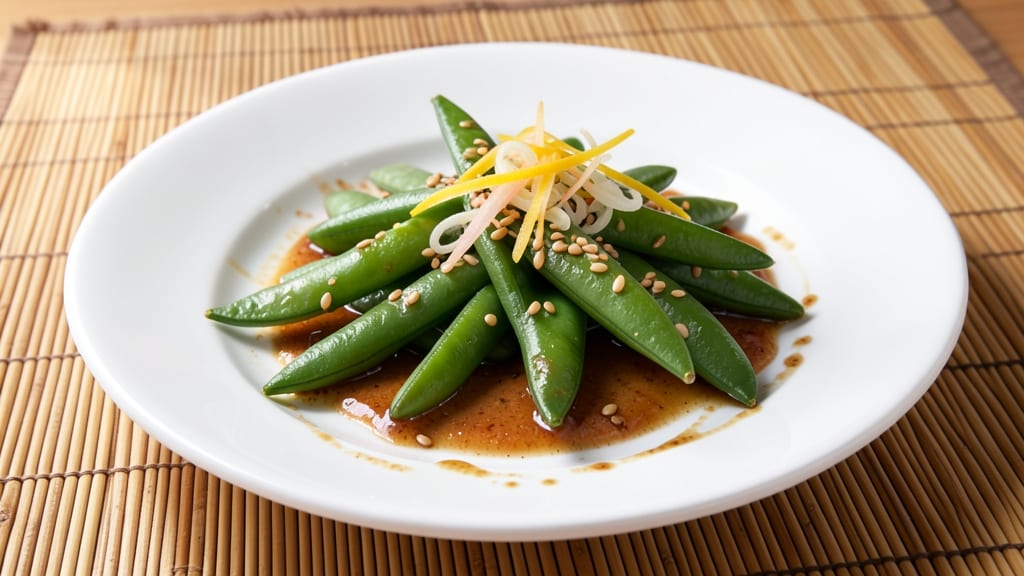
This Japanese green bean recipe transforms simple green beans into a restaurant-worthy side with just a few key techniques—blanching for tenderness, quick stir-frying for crisp edges, and a sesame-ginger dressing that adds depth.
The secret lies in the balance: beans that stay crisp-tender with a glossy sheen, not mushy or overcooked. I first discovered this method while studying traditional saikyo-yaki preparation, where precision in timing creates that perfect texture.
The beauty of this recipe is its simplicity—just five core ingredients deliver professional results. You’ll need fresh green beans (trimmed and blanched), a light soy-ginger marinade, toasted sesame seeds, and a touch of mirin for brightness.
The process takes only 15 minutes from start to finish, making it ideal for weeknight meals or holiday sides. What sets this apart is the sesame zing: toasted sesame seeds add nutty aroma, while fresh ginger and garlic create a subtle heat that lingers.
By the end, you’ll have vibrant green beans with crisp-tender edges, glistening from the sesame oil, and a fragrant dressing that clings to each bean. The aroma alone—warm sesame, citrusy mirin, and fresh ginger—will make your kitchen smell like a Tokyo izakaya.
Serve alongside grilled fish, rice bowls, or even as a standalone appetizer. This is the kind of side dish that elevates any meal without stealing the spotlight.
For extra flair, finish with a sprinkle of red pepper flakes or a drizzle of ponzu for a modern twist. The recipe scales easily for gatherings, and leftovers reheat beautifully. Here’s how to make it—step by step—for beans that taste like they came from a Michelin-starred kitchen.
Ingredients for japanese green bean
Five core ingredients elevate simple green beans to izakaya-worthy crisp-tender perfection.
| Ingredient | Amount | Notes |
|---|---|---|
| Fresh Green Beans 🥦 | 1 ½ lb | Trimmed, ends removed |
| Light Soy Sauce 🍶 | ¼ cup | Kikkoman preferred |
| Toasted Sesame Seeds 🌰 | 2 tbsp | Store-bought or homemade |
| Sesame Oil 🫒 | 1 ½ tbsp | Toasted, not flavored |
| Fresh Ginger 🌿 | 1 tbsp | Finely grated, aromatic |
| Garlic Cloves 🧄 | 3 cloves | Minced, fresh preferred |
| Mirin 🍶 | 1 tbsp | Sweet rice wine |
| Rice Vinegar 🍶 | 1 tbsp | Seasoned preferred |
| Sugar 🍚 | 1 tsp | Granulated, for balance |
| Vegetable Oil 🫒 | 1 tbsp | High smoke point |
| Salt 🧂 | ½ tsp | Diamond Crystal kosher |
| Red Pepper Flakes 🌶️ | ½ tsp | Optional, for heat |
The foundation is fresh green beans—look for bright green, crisp stems at specialty markets like Whole Foods or Trader Joe's. Avoid waxed beans; their sheen masks freshness. Japanese green beans (longer, thinner) yield best results, but standard green beans work in a pinch. Toast the sesame seeds in a dry pan until fragrant—this enhances their nutty aroma. For sesame oil, opt for 100% pure, toasted varieties (like Kadoya) to avoid overpowering flavors. Mirin should be genuine, not imitation—Hosho brand delivers authentic sweetness without artificiality.
No light soy sauce? Tamari or reduced-sodium soy sauce works, but taste first—some brands skew overly salty. Fresh ginger is non-negotiable; dried lacks the bright zing. Garlic can be pre-minced (convenience), but freshly grated adds depth. Mirin shortages? Substitute 1 tsp sugar + 1 tbsp dry white wine (like Sutter Home). For extra umami, add 1 tsp fish-free Worcestershire (like Annie's). Red pepper flakes can be omitted entirely for a milder profile, or swapped for gochugaru (Korean chili flakes) for a smoother heat.
Blanched beans keep 3 days in the fridge, submerged in ice water. Sesame dressing stores 1 week sealed in the fridge; stir before use. For batch prep, freeze blanched beans in airtight containers—reheat in a steamer to preserve texture. The sesame oil separates; simply shake before drizzling. Leftovers reheat best in a wok or sauté pan with a splash of water to restore crispness. Serve immediately for peak texture—this dish thrives on freshness.
Why You'll Love This Recipe
- Five-Ingredient Magic: I swear, this is the kind of dish where you open the fridge and boom—it’s ready. Trim the beans, toss in soy sauce and ginger, and a quick sear in the pan. That’s it. No peeling, no chopping, no stress.
- Umami Crunch Bomb: Between us, the sesame seeds and oil are where this dish actually shines. That toasty nutty finish with the bright snap of fresh ginger? It’s like a flavor high-five every bite. Honestly, I’ve made it plain before, and I still reach for the extra sesame oil.
- Lunchbox Hero: I keep a jar of these in my fridge for days—cold or at room temp, they’re perfect in bento boxes, over rice, or straight from the container. (Yes, even on a Tuesday.) The ginger keeps them fresh longer, and the soy sauce adds that je ne sais quoi that makes them taste homemade.
- Budget Sidekick: Green beans are cheap, and this recipe stretches them far. A handful of fresh ginger and a splash of soy sauce turn a basic veggie into something that feels special—without breaking the bank. I’ve fed four people for under $5 with this, and no one complains.
Step-by-step instructions for crisp-tender sesame green beans
Master this technique for perfectly tender yet crisp green beans with a nutty sesame finish.
Blanch the Green Beans for Perfect Texture
Fill a large pot with 4 quarts of water and bring to a rolling boil. While waiting, trim the 1.5 lb fresh green beans by snapping off the ends or cutting them at a 1-inch angle. This ensures even cooking and prevents bitterness.
Add the 0.5 tsp salt to the boiling water. Working in batches if needed, blanch the green beans for exactly 2 minutes. They should remain vibrant green but yield slightly when pressed with tongs—this indicates perfect tenderness without becoming mushy. Immediately drain and rinse under cold water to stop the cooking process and preserve their bright color.
Build the Flavorful Sauce Base
In a separate skillet, heat the 1 tbsp vegetable oil over medium heat. Add the 3 cloves minced garlic cloves and 1 tbsp finely grated fresh ginger, cooking for 30 seconds until fragrant but not browned. This step unlocks the aromatic foundation of the dish.
Pour in the 0.25 cup light soy sauce, 1 tbsp mirin, and 1 tbsp rice vinegar, stirring constantly. Simmer for 2 minutes until the mixture reduces slightly and coats the back of a spoon. Add the 1 tsp sugar and 0.5 tsp red pepper flakes, stirring until fully dissolved. This creates a balanced sauce with sweet, salty, and subtle heat notes.
Finish with Sesame Oil and Toasted Seeds
Return the blanched green beans to the skillet with the sauce. Toss gently to coat evenly, allowing the beans to absorb the flavors for 1 minute. Remove from heat and drizzle in the 1.5 tbsp sesame oil, tossing again to distribute evenly. The oil should glisten on the beans' surfaces, indicating proper integration.
Sprinkle with the 2 tbsp toasted sesame seeds and toss one final time. The seeds should cling to the beans, adding texture and visual appeal. Serve immediately while the beans are still warm, ensuring the crisp-tender texture and vibrant flavors are at their peak.
Plate and Serve with Confidence
Transfer the green beans to a serving platter or individual bowls. The final dish should showcase bright green beans with a glossy sheen from the sesame oil, speckled with golden sesame seeds. Each bite should deliver a satisfying contrast of crisp edges and tender centers, complemented by the umami-rich sauce and nutty finish.
This method guarantees perfectly tender green beans every time, with the ideal balance of texture and flavor. The key lies in precise blanching and proper sauce reduction—don't rush either step. Serve as a side dish or light main course, and you'll achieve restaurant-quality results at home.
Pro Tips For Making Japanese Green Bean
- Trim and Blanch First: Cut the ends off your green beans, then blanch them for 2-3 minutes in boiling water before stir-frying. This guarantees they’ll cook evenly and stay crisp—no more rubbery or half-raw beans. (I used to skip this and always ended up with uneven texture.)
- Toast Sesame Seeds Dry: Heat your sesame seeds in a dry pan over medium-low heat, stirring constantly, until they’re golden and fragrant—about 2-3 minutes. This brings out their nutty depth; skip the oil unless you’re okay with bland, raw-tasting seeds.
- Use Fresh Ginger Zest: Grate the ginger fresh and use just the zest (no pulp) for this dish. The bright, citrusy edge cuts through the soy and sesame better than pre-minced ginger, which turns bitter. (Yes, even if you’re impatient like me.)
- Finish with Sesame Oil Last: Stir-fry your beans until just tender, then remove from heat before adding sesame oil. A splash at the end keeps its aroma intact—drizzle it in while tossing, not while cooking. (Does it look weird? Yes. Does it work? Every single time.)
Troubleshooting great japanese green bean
Over-Blanched Beans
If your green beans turn mushy or lose their vibrant color, you likely blanched them too long. The key is exactly 2 minutes in boiling water—any longer breaks down the cell walls. I recommend using a timer and testing one bean early to gauge doneness.
For thicker beans, reduce to 1 minute 45 seconds. Always rinse immediately in ice water to halt cooking and preserve texture. 🌡️
Sauce Too Thin or Watery
A watery sauce usually means the beans released too much moisture during blanching. To fix this, pat the beans completely dry with paper towels before tossing with the sauce. If the sauce still seems thin, simmer it uncovered for an extra 30 seconds to reduce.
For extra body, add ½ tsp cornstarch mixed with 1 tsp water to the sauce at the end and stir until thickened. 💧
Sesame Seeds Not Sticking
Toasted sesame seeds cling best when the beans are warm and slightly sticky from the sauce. If they won’t adhere, toss the beans with ½ tsp sugar first to create a light coating.
For extra grip, lightly spray the beans with sesame oil before adding the seeds. Another trick? Use white sesame seeds—they’re slightly larger and stick better than black. 🌰
Underseasoned or Bland Flavor
If your dish tastes flat, the sauce likely didn’t reduce enough or the beans absorbed too much water. Always reduce the sauce until it coats the back of a spoon before adding beans.
For depth, add ½ tsp fish-free Worcestershire sauce (like Annie’s) or 1 tsp dashi powder for umami. A pinch of MSG (like Ajinomoto) can also elevate flavors without altering taste. 💡
Beans Too Dry or Crispy
Overcooked beans or excessive heat can dry them out. If your beans lack moisture, toss them with 1 tsp rice vinegar or sesame oil after cooking to restore gloss.
For extra tenderness, steam the blanched beans for 30 seconds before tossing with sauce. Avoid high heat when combining—medium-low is ideal to prevent burning. 🔥
Ginger or Garlic Overpowering
Fresh ginger and garlic are potent—if they dominate, reduce their amounts to ½ tbsp grated ginger and 2 cloves garlic. For a milder profile, blanch the aromatics with the beans for 30 seconds before removing them.
If using jarred minced garlic, rinse it first to remove excess liquid. A splash of mirin (½ tbsp) also mellows sharp flavors. 🌿
Nutrition facts
Frequently asked questions
Can I use frozen green beans instead of fresh?
Frozen beans work in a pinch, but fresh yields the best texture. If using frozen, thaw them first and pat completely dry before blanching. Add 30 seconds to the blanching time (2 minutes 30 seconds) since frozen beans release moisture more slowly. The key is achieving that same crisp-tender bite—frozen beans may turn slightly softer.
What's the difference between this recipe and Japanese saikyo-yaki?
Saikyo-yaki traditionally uses longer, thinner Japanese green beans (like itame) and often includes a touch of dashi for umami. This recipe simplifies with basic green beans and focuses on sesame-ginger brightness. For authenticity, substitute 1 tsp fish-free dashi powder for the mirin and use white sesame seeds—both elevate the flavor profile. The core technique (blanching + quick stir-fry) remains the same.
How do I make this recipe spicier?
Double the red pepper flakes to 1 tsp for noticeable heat, or add ½ tsp gochugaru (Korean chili flakes) for a smoother spice. For extra kick, toss the beans with 1 tsp sriracha after cooking. Garnish with chopped scallions and a sprinkle of toasted chili oil for visual contrast and layered heat. Always adjust to taste—start with half the amount if you're sensitive to spice.
Can I prepare this ahead of time?
Blanch the beans up to 3 days ahead and store them in an airtight container submerged in ice water. Make the sauce separately and keep it refrigerated. Reheat both components gently in a skillet with 1 tsp sesame oil over medium-low heat for 2-3 minutes, tossing constantly. For best texture, serve immediately after reheating—this dish thrives on freshness but reheats beautifully with proper technique.
What's the secret to getting crisp-tender beans every time?
The magic lies in precise blanching and immediate shock cooling. Use a timer and test one bean early—it should be vibrant green and yield slightly when pressed. The ice water bath stops cooking instantly, locking in texture. For extra crispness, pat the beans completely dry before tossing with sauce. Avoid overcrowding the pan when stir-frying—work in batches if needed to maintain even cooking.