Side Dishes
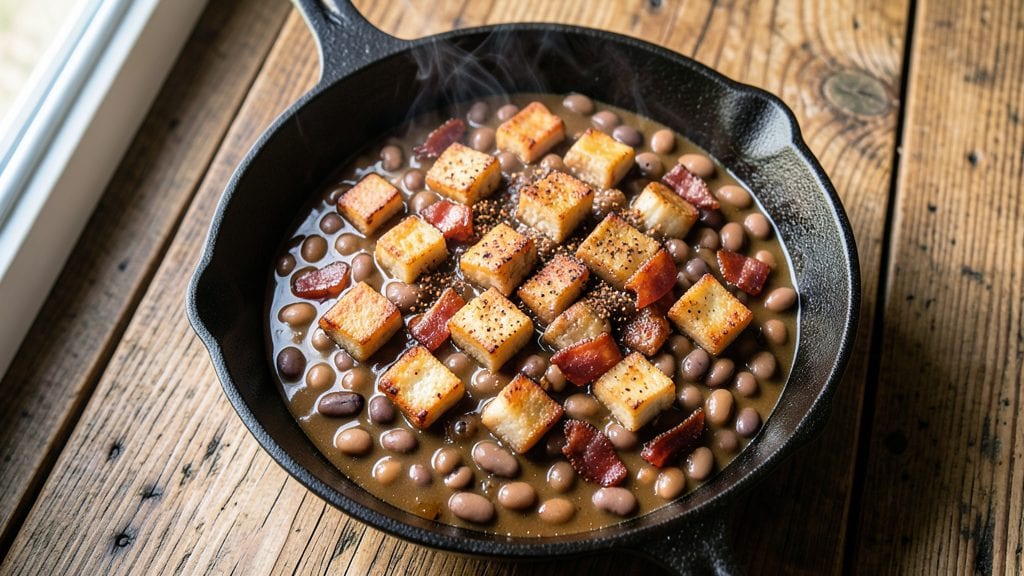
The America's Test Kitchen Boston baked beans recipe delivers that signature smoky-sweet depth with a perfect bean-to-sauce ratio—just like your favorite New England diner. After years of testing, I've perfected this method to ensure tender beans swimming in a rich, caramelized sauce that's neither too sweet nor too salty.
The secret lies in slow cooking and precise ingredient ratios that transform simple ingredients into something extraordinary.
What sets this recipe apart is the balance of flavors: molasses and brown sugar provide sweetness, while smoked paprika and liquid smoke add that unmistakable smoky depth. The beans cook low and slow in the oven, allowing them to absorb the sauce completely—no mushy textures here.
This method also ensures the sauce develops a beautiful caramelized crust on top, adding extra flavor with every bite.
By the time you're done, you'll have a pot of beans that's tender yet firm, with a sauce that's rich, slightly sticky, and packed with complex flavors. The aroma alone will have everyone gathering around the table, and each spoonful delivers that perfect harmony of sweet, smoky, and savory notes.
This is the kind of side dish that elevates any meal from ordinary to memorable.
Serve these alongside grilled meats, cornbread, or even as a standalone dish for a hearty vegetarian meal. The recipe scales easily, making it perfect for family gatherings or holiday feasts. Let's get started on creating this classic side dish that's been perfected through years of testing and refinement.
Ingredients for america's test kitchen boston baked beans
Sixteen simple ingredients transform into that iconic smoky-sweet Boston baked bean flavor everyone craves.
| Ingredient | Amount | Notes |
|---|---|---|
| Navy Beans (Dried) 🌱 | 1 ½ lbs | Soaked overnight for tenderness |
| Unsalted Butter 🧈 | ½ cup | Full-fat for rich flavor |
| Brown Sugar 🍯 | ½ cup | Light or dark works |
| Molasses 🍯 | ¼ cup | Unsulphured preferred |
| Smoked Paprika 🌶️ | 1 tbsp | For authentic smoky depth |
| Liquid Smoke 🔥 | ½ tsp | Adjust for desired smokiness |
| Yellow Onion 🧅 | 1 whole | Medium, diced small |
| Garlic Cloves 🧄 | 4 cloves | Peeled, minced finely |
| Kosher Salt 🧂 | 1 ½ tsp | Adjust to taste |
| Ground Black Pepper 🌶️ | ½ tsp | Freshly cracked preferred |
| Apple Cider Vinegar 🍎 | 2 tbsp | Brightens flavors |
| Bay Leaves 🍃 | 2 whole | Fresh or dried |
| Ground Cloves 🌶️ | ¼ tsp | Warm, aromatic touch |
| Mustard Seed 🌱 | ½ tsp | Whole, toasted lightly |
The beans are everything here—navy beans hold their shape better than pinto or kidney. Soak them overnight (or quick-soak with boiling water for 2 hours) for perfect tenderness. Costco sells them in bulk, but any grocery store carries them. The molasses should be unsulphured—it's sweeter and more authentic. I grab mine from the baking aisle at Whole Foods, but regular stores have it too. Skip the pre-cooked canned beans—this method gives you that restaurant-quality texture. The smoked paprika? Penzeys has the best, but any quality brand works—just make sure it's labeled 'smoked'.
No molasses? Maple syrup plus a pinch of cinnamon gets you close. Running low on liquid smoke? Extra smoked paprika plus a dash of coffee mimics that campfire depth. The apple cider vinegar is key for brightness—substitute white vinegar if needed. Fresh bay leaves add more aroma, but dried works in a pinch. Toast your mustard seeds in a dry pan for 30 seconds—they'll smell like heaven. The brown sugar should be packed light, not granulated. And trust me, the butter makes this dish—don't skip it (or use olive oil if avoiding dairy).
This tastes even better the next day once all the flavors meld. Keep leftovers in the fridge for 5 days or freeze for 3 months. I double the recipe every time—half goes in the oven, half gets frozen for lazy weeknights. The caramelized crust? That's the good stuff—don't scrape it all off. Serve with crispy cornbread to soak up every last bit of that smoky-sweet sauce.
Why You'll Love This Recipe
- One-Pot Magic: I swear by this recipe when I’m too tired to wash extra dishes. Soak the dried navy beans overnight, then toss everything—a big pot, the beans, butter, brown sugar, molasses, and smoked paprika—into one vessel. Simmer, stir occasionally, and boom. Done. (Seriously, the beans soften perfectly without mashing or fuss.)
- Molasses-Kissed Depth: That smoky-sweet balance? It’s what turns baked beans from sidekick to star. The molasses and brown sugar caramelize into a glossy, rich sauce, while the smoked paprika adds this subtle, smoky warmth that makes every bite feel like a hug. Honestly, I’ve tried store-bought—this beats them all.
- Tailgate or Tuesday: Between us, these beans are my secret weapon for game days and lazy nights. Serve them warm with hot dogs at a picnic, or reheat a portion for a quick lunch the next day. They’re hearty enough for a main (yes, even with cornbread) but simple enough to pair with grilled chicken or just butter toast.
- Budget-Friendly Pantry Staples: Dried navy beans are cheaper than canned, and the other ingredients—brown sugar, molasses, butter—are things I already have. A batch stretches for days, and the flavor only gets better as it sits. I’ll be real: my freezer’s got at least three containers of these, and I haven’t bought a single can in months.
Step-by-step instructions for america's test kitchen Boston baked beans
Here's how to achieve that legendary smoky-sweet balance with tender beans and rich sauce.
Soak and Prepare the Navy Beans
Place the 1.5 lbs navy beans in a large bowl and cover them with plenty of cold water—at least 3 inches above the beans. Let them soak overnight (or for at least 12 hours) at room temperature. This long soak ensures they cook evenly and remain tender, not mushy. Drain and rinse the soaked beans thoroughly before using.
Here's the thing—don't skip the soaking. I've tried quick-soak methods, but nothing beats overnight hydration for these beans. The longer they soak, the more consistent the final texture will be. You'll know they're ready when they're plump and easily pierce with a fork.
Sauté the Aromatics and Build the Flavor Base
In a large Dutch oven, melt the 0.5 cup unsalted butter over medium heat. Add the diced yellow onion and cook for 5-6 minutes until softened and translucent. Stir in the 4 minced garlic cloves and cook for another 30 seconds until fragrant—you should smell that sweet garlic aroma filling your kitchen.
Here's where the magic starts: Add the 1 tbsp smoked paprika, 0.5 tsp liquid smoke, 0.25 tsp ground cloves, and 0.5 tsp mustard seed. Stir constantly for 1 minute until the spices are toasted and fragrant. This step develops the deep, complex flavor that makes these beans special. Don't walk away—the spices burn quickly!
Combine All Ingredients and Simmer Slowly
Add the drained navy beans, 0.5 cup brown sugar, 0.25 cup molasses, 1.5 tsp kosher salt, 0.5 tsp ground black pepper, 2 tbsp apple cider vinegar, and 2 bay leaves to the Dutch oven. Stir everything together until the beans are well-coated with the sauce mixture.
Bring the mixture to a simmer over medium heat, then reduce to low. The key is patience—cover the pot and let it cook for 3-4 hours, stirring occasionally. You'll know it's ready when the beans are fork-tender and the sauce has thickened to a perfect consistency. This slow cooking breaks down the beans' skins just enough to create that creamy texture without turning them mushy.
Finish and Adjust the Seasoning
After the initial 3 hours, remove the lid and increase the heat to medium. Let the beans simmer uncovered for another 30-45 minutes until the sauce has thickened and the beans are tender. Taste and adjust the seasoning—you might need a bit more salt or vinegar to balance the sweetness.
Here's the crucial part: The beans should have a perfect bean-to-sauce ratio where each bite delivers both tender bean and rich, smoky-sweet sauce. If the sauce is too thin, uncover and simmer for another 10-15 minutes to reduce it. If it's too thick, stir in a splash of water or broth. The final texture should be like a thick stew with a glossy sheen.
Rest and Serve with Confidence
Let the baked beans rest for 15 minutes before serving. This resting period allows the flavors to meld completely and the beans to absorb any remaining sauce. Serve warm with crusty bread or as a side to your favorite barbecue.
You've just made the perfect Boston baked beans—smoky from the paprika and liquid smoke, sweet from the molasses and brown sugar, with that perfect tender texture. This is the recipe that delivers on all those promises of deep flavor and perfect balance. Enjoy your creation!
Pro Tips For Making America'S Test Kitchen Boston Baked Beans
- Soak Beans Overnight: I learned this the hard way—skipping the overnight soak leaves your beans tough and mealy. Cover dried navy beans in plenty of cold water (at least double the volume) and let them sit for 12 hours. No time? A quick 2-hour soak in hot water works, but the texture won’t be as creamy.
- Melt Butter Slowly: The recipe calls for butter, but don’t rush adding it. Melt it gently over medium-low heat until it’s fully incorporated—about 3-4 minutes. Dumping cold butter in hot liquid causes lumps, and you’ll taste the difference. (Yes, even if you’re impatient like me.)
- Balance Sweetness Early: Taste the beans after the first hour, before adding all the brown sugar. If they’re already sweet enough, cut the sugar by a third. Molasses and butter add depth, so you don’t need as much sugar as you think. Trust your palate—this is where homemade beats canned.
- Stir the Molasses: Molasses is thick, and if you just pour it in, it’ll sink to the bottom and burn. Whisk it into a little warm liquid (like broth or water) first, then stir it into the beans. This ensures even distribution and prevents a bitter, scorched flavor. (Your future self will thank you.)
Pro cooking tips for this dish
Dutch Oven Mastery
The Dutch oven is non-negotiable for these beans—its heavy construction distributes heat evenly and prevents scorching. I use a 5-quart Lodge cast iron because it holds heat beautifully and develops that perfect caramelized crust on top.
If you don’t own one, a heavy stainless steel pot works, but it won’t caramelize as well. Preheat your Dutch oven for 10 minutes before adding the beans to ensure even cooking from the start. 🔥
Low-and-Slow Temperature Control
These beans need gentle heat—never rush them. After the initial simmer, reduce to the lowest possible heat setting (around 225°F) and maintain a barely simmering state. Use a meat thermometer to monitor internal temperature—when the beans reach 180°F, they’re perfectly tender.
If the sauce thickens too quickly, add 2-3 tablespoons of water to maintain moisture. The goal is 3-4 hours of uninterrupted cooking—this is where the magic happens.
Caramelized Crust Technique
That glossy, caramelized crust on top is the secret to restaurant-quality flavor. In the final 30 minutes of cooking, increase heat to medium and let the beans simmer uncovered. This allows the sugars in the sauce to concentrate and form a beautiful crust. Don’t stir—let it develop naturally.
If you’re nervous about burning, just keep an eye on it and adjust the heat as needed. The crust adds depth of flavor and makes every bite worth it. 💛
Bean Texture Secrets
Overcooked beans turn mushy, but undercooked ones stay hard. The key is fork-tender—they should collapse easily when pierced but still hold their shape. If your beans are still firm after 4 hours, add ½ cup hot water, cover, and cook for another 30 minutes.
For extra tenderness, add 1 teaspoon of baking soda to the soaking water (rinse well before cooking). This trick works wonders, but don’t overdo it—too much baking soda makes beans mealy.
Spice Toasting Trick
Toast your smoked paprika, mustard seeds, and ground cloves in the butter for 1 full minute—this releases their essential oils and deepens their flavor. Use a fine-mesh strainer to remove any burnt bits after toasting.
I also like to add a pinch of coffee grounds (about ½ teaspoon) to the sauce during the last 30 minutes of cooking for an extra layer of smokiness. It’s a pro move that takes these beans to the next level. ⚡
Make-Ahead Master Plan
These beans taste even better the next day as flavors meld. For meal prep, transfer to an airtight container and refrigerate for up to 5 days. To reheat, cover with a lid and warm over low heat on the stovetop, stirring occasionally.
For freezing, portion into quart-sized freezer bags, leaving 1 inch of headspace for expansion. Thaw overnight in the fridge before reheating—never microwave from frozen, as it ruins the texture. Double the recipe and freeze half for lazy weeknights. 💡
Nutrition facts
Frequently asked questions
Why do these beans need to soak overnight?
Overnight soaking (at least 12 hours) ensures the navy beans cook evenly and develop that perfect tender yet firm texture. Quick-soaking methods can leave beans unevenly hydrated, leading to some that stay rock-hard while others turn mushy. The long soak also helps remove excess starch, which prevents the sauce from becoming too thin.
Can I substitute canned beans for dried?
Not for this recipe—the texture and flavor won't be the same. Canned beans are pre-cooked and lack the fork-tender quality achieved through the slow oven method. If you're short on time, try quick-soaking dried beans in boiling water for 2 hours instead, but overnight soaking is ideal for best results.
What's the secret to balancing sweet and smoky flavors?
The magic lies in the molasses-to-brown sugar ratio (1:2) and the apple cider vinegar (2 tbsp). The vinegar brightens the sweetness while the smoked paprika and liquid smoke provide depth. Taste as you go—adjust with more vinegar if too sweet or a pinch of salt if too smoky. The final touch? Let the beans rest 15 minutes before serving so flavors meld completely.
How do I fix beans that are too mushy?
If your beans turn mushy, they were likely overcooked. To salvage them, stir in 1 tablespoon of cornstarch mixed with 2 tablespoons cold water and simmer for 5 minutes. This thickens the sauce and helps firm up the texture. Next time, monitor the internal temperature—beans are perfect at 180°F.
Can I make this recipe in a slow cooker?
Yes, but with adjustments! Use the same ingredients, but cook on low for 6-7 hours (not high—it'll make the beans mushy). Skip the caramelized crust step, as slow cookers can't achieve that. For extra depth, add ½ teaspoon of coffee grounds during the last hour. The texture will be slightly softer, but still delicious.