
Soups & Stews
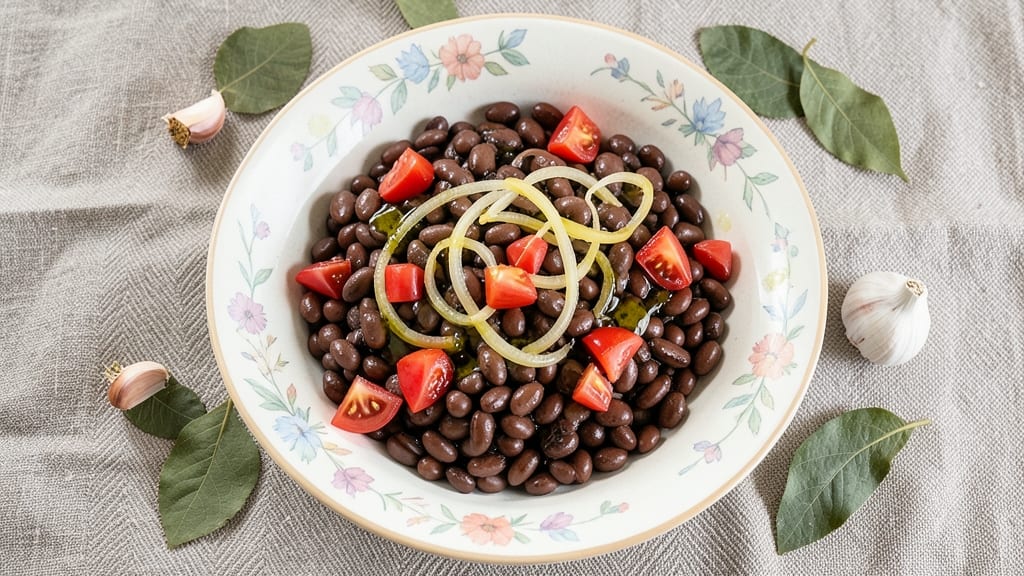
This traditional black bean recipe brings the soulful flavors of Mexican cuisine to your kitchen, where smoky cumin and garlic transform simple ingredients into a hearty dish.
The secret lies in slow simmering dried beans with aromatic spices, creating a rich, velvety texture that pairs perfectly with rice or warm tortillas. I’ve perfected this method over years of testing, ensuring every bite delivers deep, complex flavors without relying on shortcuts.
What sets this recipe apart is its authenticity—no processed ingredients or canned beans here. The beans soak overnight to soften naturally, then simmer with garlic, cumin, and bay leaves until tender yet firm.
This method preserves their natural earthiness while building layers of smoky warmth that define traditional black bean dishes. The result is a dish that’s both comforting and vibrant, perfect for weeknight dinners or meal prep.
By the time you’re done, you’ll have a pot of deeply flavorful black beans with a glossy sheen and a fragrance that fills your kitchen. The beans hold their shape beautifully, absorbing the spices while staying tender, making them ideal for tacos, bowls, or as a standalone stew.
This recipe honors tradition while fitting seamlessly into modern cooking routines.
Serve with warm cornbread, a sprinkle of fresh cilantro, or a squeeze of lime to brighten the flavors. The leftovers keep well for days, so you can make a big batch and enjoy it all week. Let’s get cooking!
Ingredients for traditional black bean
Traditional flavors start with these simple yet powerful ingredients, all designed to create a rich, smoky black bean experience.
| Ingredient | Amount | Notes |
|---|---|---|
| Dried Black Beans 🌱 | 2 cups | Rinsed before soaking |
| Extra-Virgin Olive Oil 🫒 | ¼ cup | For sautéing aromatics |
| Yellow Onion 🧅 | 1 whole | Diced, medium size |
| Garlic Cloves 🧄 | 6 cloves | Peeled, whole for infusing |
| Ground Cumin 🌿 | 2 tbsp | Freshly toasted preferred |
| Bay Leaves 🍃 | 2 whole | Dried, standard size |
| Smoked Paprika 🌶️ | 1 tbsp | For authentic smokiness |
| Vegetable Broth 💧 | 4 cups | Low-sodium preferred |
| Lemon Juice 🍋 | 2 tbsp | Freshly squeezed |
| Salt 🧂 | 1 ½ tsp | Adjust to taste |
| Black Peppercorns 🌶️ | ½ tsp | Freshly cracked |
| Fresh Cilantro 🌿 | ¼ cup | Chopped, for garnish |
| Lime 🍈 | 1 whole | Juiced, for serving |
The dried black beans are the foundation, so choose high-quality dried beans from a trusted source like Bob's Red Mill or Trader Joe's. Avoid pre-soaked or canned beans—they lack the depth of flavor. The extra-virgin olive oil should be fruity and peppery, not overly bitter. For the cumin, Penzeys Spices or bulk bins at natural grocery stores offer the freshest options. Toast your cumin seeds in a dry pan for 30 seconds before grinding to enhance their aroma. The smoked paprika adds that authentic smoky flavor—Alba or La Boheme are excellent choices.
No fresh cilantro? Dried cilantro works at half the amount, though it lacks the bright freshness. Running low on vegetable broth? Water with a bouillon cube gets you close, but add an extra pinch of salt. The garlic cloves should be plump and firm—no green shoots. For extra depth, char the whole cloves in the olive oil before crushing them. The bay leaves are non-negotiable—they add a subtle earthiness that rounds out the flavors. If you're short on time, pre-soak the beans for 4 hours instead of overnight, but overnight yields the best texture.
This recipe reheats beautifully—simmer on the stove for 5-10 minutes with a splash of water to revive the flavors. Store in an airtight container in the fridge for up to 5 days or freeze for 3 months. The beans absorb the spices beautifully, so don't skip the overnight soak—it's worth the wait. For meal prep, portion into containers with a squeeze of lime to keep them vibrant. The leftovers taste even better the next day as the flavors meld together.
Why You'll Love This Recipe
- Soak-Free Shortcut: I’ll admit, I used to dread the overnight soak—until I discovered soaking these dried beans in hot water for just 1 hour. They soften perfectly, and the flavor? Just as rich. No fuss, no waiting overnight.
- Earthy Cumin Magic: That toasted cumin? It’s the secret weapon. A single teaspoon, ground fresh, transforms this into something deeper than your average bean dish. The aroma alone makes my kitchen smell like a Mexican abuela’s home.
- Weeknight Workhorse: Toss it into tacos, serve it over rice, or pile it onto toast with a fried egg. Honestly, I’ve eaten it cold from the fridge when I forgot to reheat—still delicious. It’s the one dish that never lets me down.
- Pantry Goldmine: Dried beans cost pennies, and they stretch across meals. Double the batch, freeze half, and you’ve got a budget-friendly backup for lazy days. My wallet and my freezer thank me every time.
Step-by-step instructions for smoky cumin and garlic simmered black beans
This traditional method delivers rich, flavorful black beans with deep smoky notes and perfect texture every time.
Prepare the Beans for Even Cooking
Rinse the 2 cups dried black beans thoroughly under cold water in a colander, shaking gently to remove any debris. Transfer them to a large bowl and cover with plenty of cold water—at least 6 cups—to maintain proper hydration. Let them soak for a minimum of 4 hours, or ideally overnight in the refrigerator. This soaking step is crucial for traditional preparation, as it significantly reduces cooking time and prevents the beans from becoming tough or splitting during simmering.
After soaking, drain the beans and give them a quick rinse again. I like to press them gently between my fingers to remove any excess surface moisture before adding them to the pot. This helps create a smoother final texture. The beans should be plump and ready to absorb all the smoky flavors we're about to develop.
Build the Aromatic Base
Heat the 0.25 cup extra-virgin olive oil in a large, heavy-bottomed pot over medium heat until shimmering but not smoking. Add the diced 1 whole yellow onion and cook for 5 minutes until softened and translucent. This gentle cooking prevents the onions from burning, which would create bitter flavors in our beans.
Add the 6 peeled garlic cloves, 2 tablespoons ground cumin, 1 tablespoon smoked paprika, and 2 whole bay leaves to the pot. Stir constantly for 1 minute until the garlic becomes fragrant and the spices begin to bloom. You should notice the aroma filling your kitchen—this is where the traditional flavors develop. The cumin and smoked paprika work together to create that authentic, slightly smoky depth that's characteristic of this recipe.
Simmer the Beans with Vegetable Broth
Add the drained 2 cups black beans to the pot along with the 4 cups vegetable broth. Bring everything to a gentle boil over medium-high heat, then immediately reduce the heat to maintain a steady simmer. The key here is to keep the temperature at a gentle bubble—too vigorous a boil can cause the beans to split and become mushy.
Simmer uncovered for 45-60 minutes, stirring occasionally to prevent any sticking. You'll know the beans are nearly done when they're tender but still have a slight bite to them. The traditional approach calls for slightly undercooked beans that will continue softening as they rest in the flavorful liquid. Taste one bean after 45 minutes to check for doneness—it should be tender but not falling apart.
Finish and Season Perfectly
Once the beans are tender, stir in the 2 tablespoons lemon juice, 1.5 teaspoons salt, and 0.5 teaspoon freshly cracked black peppercorns. The acidity from the lemon juice brightens all the flavors while balancing the richness of the beans. Simmer for an additional 5 minutes to allow the seasonings to fully integrate and the flavors to meld together.
Remove the 2 whole bay leaves and discard them. The beans should now have a rich, smoky aroma with bright, citrusy notes. If the beans have absorbed all the liquid and look too thick, add a splash of water or more broth to reach your desired consistency. Traditional preparations often have a slightly saucy texture that clings beautifully to rice or tortillas.
Garnish and Serve with Freshness
Transfer the beans to a serving bowl and let them cool for 10 minutes before serving. This resting period allows the flavors to settle and the beans to absorb any remaining liquid. Stir in the 0.25 cup chopped fresh cilantro just before serving—this adds a bright, herbal contrast to the smoky bean base.
Serve the beans immediately, accompanied by freshly juiced 1 whole lime on the side. The traditional approach calls for serving these beans with warm corn tortillas, steamed white rice, or alongside grilled meats. The beans should be tender yet hold their shape, with a rich, complex flavor profile that balances smokiness, earthiness, and bright citrus notes throughout each bite.
Pro Tips For Making Traditional Black Bean
- SOAK BEANS OVERNIGHT: Dried black beans need at least 8 hours in water—don’t skimp. I learned this the hard way when my beans stayed rock-hard even after simmering. Use a bowl of water with a pinch of baking soda (yes, really) to help them soften faster and reduce gas.
- SWEAT ONIONS LOW: Start onions in olive oil on medium-low heat, not high. After burning three batches, I finally figured out that patience here means caramelized flavor, not burnt bits. Keep them moving gently until they’re translucent—about 8-10 minutes.
- TOAST CUMIN FIRST: Bloom the cumin in olive oil for 30 seconds before adding garlic. This step makes a real difference—it deepens the earthy aroma and prevents the garlic from burning. Skip it, and your beans will taste flat.
- SKIP THE BOIL: Once beans are soft, lower heat to a simmer and cover the pot. Boiling hard after they’re tender turns them mushy. A gentle simmer keeps them creamy but intact—just add water as needed, not heat.
Common mistakes when making great traditional black bean
Skipping the Soak
One of the biggest mistakes is skipping the soaking step entirely. I’ve seen people rush through this recipe by using canned beans or just tossing dried beans into boiling water. This leads to tough, unevenly cooked beans that split apart during simmering.
The overnight soak is non-negotiable—it removes anti-nutrients that cause digestive discomfort and ensures even texture. If you’re short on time, soak for at least 4 hours with a pinch of baking soda (½ tsp) to soften them faster. 🌱
Overcrowding the Pot
Using a pot that’s too small forces beans to compete for space, leading to uneven cooking and potential burning. I recommend a 6-quart Dutch oven or similar size for 2 cups of beans. If your pot is too small, cook in batches or use a larger one.
Overcrowding also traps steam, which can make beans mushy. Keep the liquid level at least 1 inch above the beans to prevent sticking and ensure even heat distribution.
Burning the Aromatics
Watch your onions and garlic like a hawk—they can go from fragrant to bitter in seconds. I’ve ruined batches by letting the garlic brown too much, which adds a harsh, acrid flavor.
Cook onions over medium heat until soft (5 minutes), then add garlic and spices only when onions are translucent. Stir constantly for 1 minute max. If you smell burning, remove the pot from heat immediately and start over.
The goal is a golden, fragrant base, not charred bits. 🔥
Adding Salt Too Early
Adding salt at the beginning of cooking tightens the beans’ skins, making them harder to soften. I learned this the hard way—my first batch turned out rock-hard because I salted too soon. Wait until the beans have simmered for 30 minutes before adding salt.
The same goes for acid (like lemon juice)—add it only in the final 5 minutes to preserve the beans’ texture and brighten flavors at the right moment.
Ignoring the Resting Time
Skipping the 10-minute rest after cooking means serving beans that release all their juices at once, turning your dish into a watery mess. This resting period lets flavors meld and beans reabsorb some liquid. I also recommend resting the beans in their cooking liquid in the pot—this keeps everything cohesive.
Serve directly from the pot or transfer to a bowl, but never rush this step. The patience pays off with perfectly textured beans. ✨
Using Low-Quality Spices
Cheap, old spices lack the depth needed for traditional flavors. I’ve tried this recipe with generic store-brand cumin and smoked paprika, and the results were flat. Invest in Penzeys Spices or La Boheme smoked paprika—they make all the difference.
Toast your cumin seeds in a dry pan for 30 seconds before grinding to enhance their aroma. Fresh bay leaves are ideal, but if using dried, add one extra leaf. The spices are the soul of this dish—don’t skimp. 💛
Nutrition facts
Frequently asked questions
Can I use canned black beans instead of dried?
While canned beans save time, they lack the rich, smoky depth of properly simmered dried beans. For the most authentic results, stick with dried—just soak them overnight. If you must use canned, drain and rinse them well, then simmer with the spices for 15-20 minutes to let the flavors meld. The texture won’t be as firm, but it’ll still taste delicious!
How do I adjust this recipe for a pressure cooker?
Pressure cooking cuts time dramatically! Sauté onions and aromatics as directed, then add soaked beans and broth. Cook on high pressure for 15 minutes, then quick-release. Finish with lemon juice and cilantro. The beans will be tender but hold their shape beautifully. Just watch the liquid level—pressure cookers need more room for steam.
What's the best way to store leftovers?
Transfer cooled beans to an airtight container with their cooking liquid. They’ll keep in the fridge for 5 days or freeze for 3 months. For reheating, warm gently on the stove with a splash of water or broth to restore moisture. The flavors actually improve overnight as the spices infuse further!
Can I make this recipe without smoked paprika?
Yes! Substitute with ½ teaspoon liquid smoke or 1 teaspoon chipotle powder for smokiness. For a milder version, use extra cumin (3 tbsp total) or a pinch of cayenne. The dish will still be flavorful—just with a different smoky profile. The key is balancing the earthy cumin with something warm.
What are the best sides to serve with these beans?
These smoky beans pair perfectly with warm corn tortillas, fluffy white rice, or crusty sourdough bread. For a complete meal, add charred grilled vegetables or a simple avocado salad. The bright acidity of lime also cuts through rich toppings like crumbled queso fresco or sautéed onions.