
Sauces & Condiments
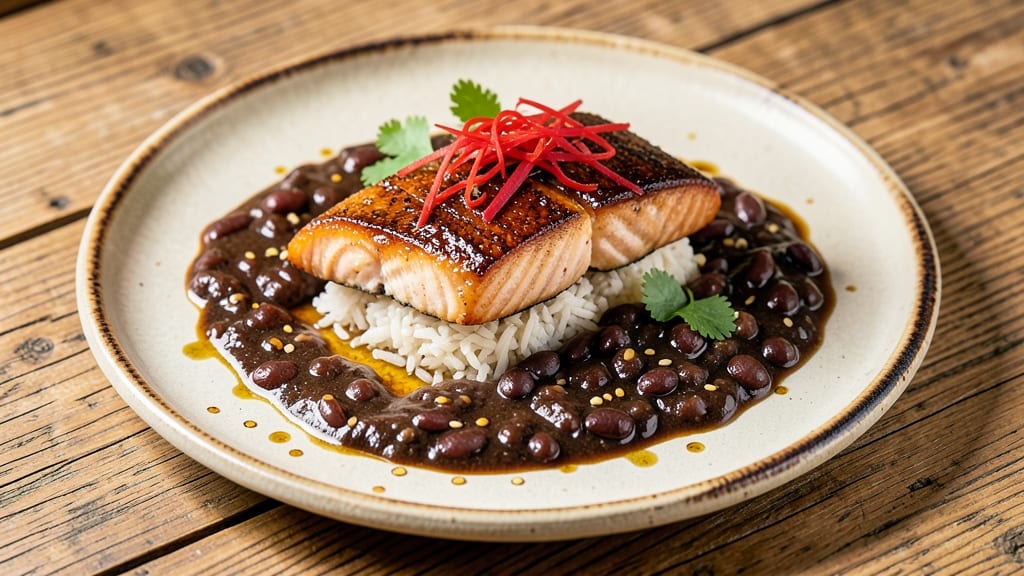
This steamed salmon with black bean sauce delivers restaurant-quality umami flavor in just 20 minutes—perfect for weeknight dinners when you crave healthy yet satisfying meals.
The secret lies in balancing tender salmon with a deeply savory black bean sauce that's rich in texture and depth, using pantry staples you likely already have. I developed this recipe after realizing how quickly high-protein meals could transform from tedious to effortless with the right technique.
The dish starts with perfectly steamed salmon, flaky and moist thanks to a simple broth bath that infuses subtle flavor without overpowering. Meanwhile, the black bean sauce simmers with garlic, ginger, and soy sauce, creating a velvety, aromatic base that clings beautifully to the fish.
What makes this recipe stand out is how the sauce's natural sweetness from black beans complements the salmon's delicate flavor, while aromatics add layers of complexity that elevate simple ingredients into something extraordinary.
By the time you plate this dish, you'll have golden, tender salmon resting on a bed of silky black bean sauce—ready to serve with steamed rice or a fresh side salad.
The sauce's thickness ensures every bite is packed with flavor, while the salmon's natural oils keep it moist and delicious. This is the kind of meal that feels indulgent yet remains light and nutritious, proving that healthy eating doesn't mean sacrificing taste or convenience.
Pair it with jasmine rice for a complete meal, or serve over greens for a lighter option. The recipe's simplicity makes it ideal for beginners, while the depth of flavor ensures it satisfies even the most discerning palates.
Let's get cooking—this dish is about to become a staple in your rotation.
Ingredients for steamed salmon black bean sauce
Pantry staples meet fresh seafood for a restaurant-worthy dinner in under 20 minutes.
| Ingredient | Amount | Notes |
|---|---|---|
| Salmon Fillets 🐟 | 4 whole | Skin-on, center-cut preferred |
| Black Beans 🌱 | 1 ½ cups | Cooked, drained and rinsed |
| Low-Sodium Soy Sauce 🍶 | ¼ cup | For umami depth |
| Garlic Cloves 🧄 | 4 cloves | Minced for aromatic base |
| Fresh Ginger 🌿 | 1 tbsp | Grated, finely chopped |
| Vegetable Broth 💧 | 1 ½ cups | Low-sodium preferred |
| Sesame Oil 🫒 | 1 tbsp | Toasted for nutty aroma |
| Honey 🍯 | 1 tbsp | For subtle sweetness |
| Cornstarch 🌾 | 1 tsp | For sauce thickening |
| Green Onion 🧅 | 2 whole | Thinly sliced for garnish |
| Lemon Wedges 🍋 | 2 whole | For serving |
| Jasmine Rice 🍚 | 1 cup | Uncooked, for serving |
| Salt 🧂 | ½ tsp | Adjust to taste |
| Black Pepper 🌶️ | ¼ tsp | Freshly ground |
The salmon is the star, so center-cut fillets with skin are key—they stay moist and look stunning. I grab mine from the seafood counter at Whole Foods when possible, but any grocery store's fresh salmon works. Look for fillets with bright pink flesh and no fishy smell. If you're using frozen, thaw it overnight in the fridge—never under running water, or you'll end up with dry fish. The black beans? Canned is fine, but if you're using dried, soak them overnight for the best texture. For the broth, low-sodium is a must—we're building layers of flavor, not drowning it in salt.
No sesame oil? Toasted peanut oil works in a pinch, though it'll have a different flavor profile. Fresh ginger too strong? Ginger powder at half the amount gets you close, but the fresh version adds that bright, zesty kick. Short on soy sauce? Coconut aminos or even a splash of fish sauce (if you're okay with it) can stand in. The cornstarch is non-negotiable for that silky sauce texture—it's what makes this dish feel restaurant-quality. And if you're serving this to someone who hates green onions, skip the garnish or swap for scallions. No one needs to know the difference.
This sauce reheats beautifully—just add a splash of water to loosen it up. Store leftovers in an airtight container for 3-4 days in the fridge, or freeze for up to 3 months. I like to prep the sauce ahead of time and keep it in the fridge so I can steam the salmon fresh when I'm ready to eat. The rice? Cook it in advance and reheat with a splash of water—jasmine rice is perfect here, but any long-grain works. And if you're making this for a crowd, double the sauce and salmon—it scales perfectly.
Why You'll Love This Recipe
- Steam It Fast: I’m talking 15 minutes from frozen salmon to table—just toss the fillets on the steamer basket while I chop garlic and ginger. No oven preheating, no waiting for water to boil twice.
- Umami Bomb: That black bean sauce? It’s where the magic happens—deep, savory, with just a hint of smokiness from the soy. The ginger and garlic caramelize into something dangerously good when steamed right with the fish.
- Leftovers That Work: Honestly, I make this twice in one week because it reheats like a dream. Cold salmon and beans over rice the next day? Still packed with flavor. Even my picky roommate doesn’t complain.
- Budget Meal Powerhouse: Salmon on a budget? Yes. Black beans stretch the sauce into a full meal, and low-sodium soy keeps it from tasting like a salt lick. I feed four for under $15—no fancy ingredients, just smart swaps.
Step-by-step instructions for steamed salmon with black bean sauce
Here's how to create restaurant-quality steamed salmon with a rich, umami-packed black bean sauce in just 20 minutes.
Prepare the Black Bean Sauce Base
In a small saucepan, combine the 1.5 cups of cooked black beans, 0.25 cup of low-sodium soy sauce, and 1 tbsp of grated fresh ginger. Mash the black beans slightly with a fork or potato masher until you achieve a thick, chunky consistency. You want some texture remaining—this adds body to the sauce.
Add 1.5 cups of vegetable broth and bring the mixture to a gentle simmer over medium heat. Let it cook for 5 minutes while you prepare the remaining ingredients. The sauce should reduce slightly and develop a rich, savory aroma. Keep it warm on low heat while you steam the salmon.
Steam the Salmon to Perfect Tenderness
Set up a steaming basket in a pot with about 1 inch of water at the bottom. Bring the water to a gentle simmer—you'll know it's ready when you see small bubbles breaking the surface. Place the 4 whole salmon fillets skin-side down in the steaming basket, making sure they don't overlap.
Cover the pot and steam for 10-12 minutes, depending on thickness. You'll know they're done when the salmon flakes easily with a fork and reaches an internal temperature of 145°F. The skin should be opaque, and the flesh should look moist and glistening. Don't overcook—salmon continues cooking slightly after removal.
Finish the Sauce and Combine
Return to the black bean sauce on the stovetop. Add the 4 minced garlic cloves and cook for 30 seconds until fragrant. Stir in 1 tbsp of sesame oil and 1 tbsp of honey, letting the mixture simmer for another 2 minutes. The sauce should thicken slightly and develop a glossy appearance.
In a small bowl, mix 1 tsp of cornstarch with 2 tablespoons of water to create a slurry. Stir this into the sauce and cook for 1-2 minutes until it reaches your desired thickness. Season with 0.5 tsp of salt and 0.25 tsp of freshly ground black pepper. The sauce should be smooth but still have some texture from the black beans.
Assemble and Serve
Gently transfer the steamed salmon fillets to a serving platter. Spoon the black bean sauce evenly over each fillet, allowing it to cascade down the sides. Garnish with thinly sliced green onion for freshness and bright color.
Serve immediately with the prepared 1 cup of cooked jasmine rice on the side. The lemon wedges make a perfect accompaniment—squeeze a little over each serving to cut through the richness of the dish. Each bite should offer tender salmon, a velvety sauce, and a perfect balance of savory, sweet, and umami flavors.
Pro Tips For Making Steamed Salmon Black Bean Sauce
- Prep Beans Properly: Drain and rinse canned black beans until the water runs clear—this cuts the gummy texture that ruins the sauce’s smoothness. I learned this the hard way after serving a batch where the beans turned into a thick, gluey mess instead of a silky base.
- Sear Garlic First: Fry minced garlic in oil for 30 seconds until golden before adding ginger—this prevents it from turning bitter and adds depth to the sauce. Yes, it’s an extra step, but the flavor difference is noticeable.
- Don’t Over-Steam Salmon: Pull the salmon when the center hits 125°F (63°C)—it’ll finish cooking from residual heat while the sauce simmers. Over-steaming turns it dry and rubbery, and no one wants that.
- Simmer Sauce Low: Reduce the black bean sauce to a thick consistency on low heat—high heat burns the soy sauce and makes it taste harsh. Stir often, and let it bubble gently for 8–10 minutes. Patience here makes all the difference.
Flavor customization for these flavors
Spicy Kick Option
For a bold twist, add ½ tsp of red pepper flakes or 1 tsp of sriracha directly to the black bean sauce while simmering. If you love heat, I’ve found that 1 tsp of gochujang (Korean chili paste) adds a deep, smoky spice that pairs beautifully with the salmon’s richness.
Balance it with an extra ½ tsp of honey to soften the intensity. 🌶️
Creamy Texture Boost
Transform the sauce into a velvety texture by stirring in 2 tbsp of coconut milk or ¼ cup of Greek yogurt at the end. For extra decadence, add 1 tbsp of tahini—it adds a nutty depth that complements the umami.
Thin the sauce with 1-2 tbsp of water if needed to reach your desired consistency. This works especially well if you prefer a lighter, more luxurious finish.
Asian-Inspired Fusion
Infuse the dish with 1 tsp of fish sauce and 1 tsp of rice vinegar for a Southeast Asian-inspired twist. Add 1 tbsp of lime zest and 1 tbsp of chopped cilantro at the end for brightness.
Serve with steamed jasmine rice and quick-pickled cucumbers for a refreshing contrast. This variation is my go-to for a quick, restaurant-worthy meal that feels globally inspired.
Smoky Depth Addition
For a smoky flavor profile, stir in ½ tsp of smoked paprika or 1 tsp of liquid smoke (sparingly!) into the sauce. If you have access to a grill or smoker, lightly smoke the salmon fillets for 5-7 minutes before steaming—this adds a charred dimension that elevates the dish.
Pair it with charred corn kernels on the side for extra smokiness. ⚡
Herbaceous Freshness
Brighten the sauce with 1 tbsp of chopped fresh basil or 1 tsp of Thai basil at the end. For a Mediterranean twist, add 1 tbsp of chopped dill and a squeeze of lemon juice.
Garnish with extra herbs before serving to keep the dish vibrant and fresh. This works especially well if you’re serving it with a light salad or roasted vegetables.
Sweet & Tangy Balance
Enhance the sauce with 1 tbsp of rice vinegar and 1 tsp of sesame seeds for a sweet-tangy balance. Add ½ tsp of grated lime zest to brighten the flavors.
This variation is perfect for those who enjoy a balance of sweet, sour, and umami. Serve with steamed bok choy or quick-fried green beans to complement the dish’s complexity.
Nutrition facts
Frequently asked questions
Can I use canned salmon instead of fresh fillets?
Fresh salmon is ideal for this recipe since it steams beautifully and maintains its delicate texture. Canned salmon would release too much water and lose its flaky quality when steamed. If you're set on using canned, try pan-searing it instead for a similar texture.
How do I adjust the sauce if I don't have cornstarch?
You can substitute cornstarch with 1 tsp of arrowroot powder or 1 tbsp of all-purpose flour. Mix it with water to create a slurry and add it to the sauce at the end, cooking for 1-2 minutes until thickened. For a gluten-free option, arrowroot works perfectly.
What's the best way to reheat leftovers?
Reheat the sauce and salmon separately to avoid making the fish dry. Warm the sauce in a saucepan over low heat, adding a splash of water or broth if it thickens too much. For the salmon, gently reheat in a skillet with a little oil for 1-2 minutes per side. Never microwave salmon—it'll turn rubbery.
Can I make this recipe vegetarian?
Replace the salmon with firm tofu or extra-firm tempeh, both of which hold up well to steaming. Press and marinate the tofu in soy sauce and a little sesame oil for 20 minutes before steaming. The black bean sauce will still be the star of the show.
Why does my sauce taste too salty?
Low-sodium soy sauce and broth help control saltiness, but if your sauce is too strong, balance it with 1 tbsp of honey or 1 tsp of sugar to mellow the flavors. You can also thin the sauce with 1-2 tbsp of water to dilute the salt concentration. Always taste as you go!