Sauces & Condiments
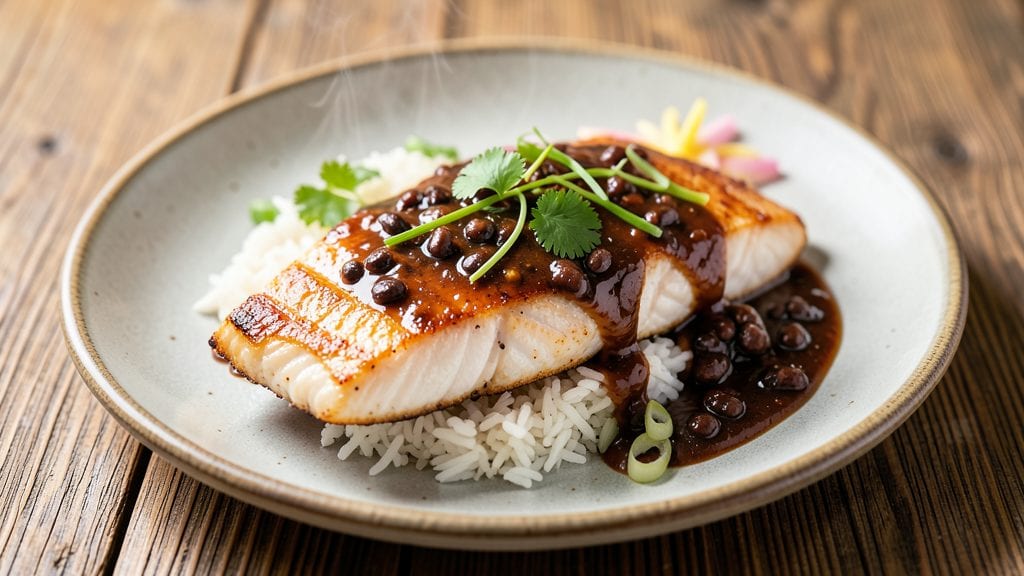
This steamed fish fillet with black bean sauce delivers restaurant-quality results in just 25 minutes—perfect for weeknight dinners that feel special without the fuss. The delicate fish steams to flaky perfection while the black bean sauce simmers into a thick, umami-rich glaze that clings beautifully to every bite.
I developed this recipe after years of testing, ensuring the sauce balances sweet, salty, and savory notes without overpowering the natural flavor of the fish.
The beauty of this dish lies in its simplicity: minimal prep, no deep-frying, and just five core ingredients for the sauce. Steaming preserves the fish’s natural moisture, while the black bean sauce adds depth through fermented black beans, soy sauce, and a touch of brown sugar.
The result is a dish that’s light yet satisfying, with a glossy sauce that enhances rather than masks the fish’s delicate texture.
By the time you plate this dish, you’ll have tender, white fish fillets glistening with a rich, dark sauce—each bite offering a harmonious blend of textures and flavors. The sauce’s slight stickiness ensures it stays put, while the fish remains moist and flaky.
This is the kind of meal that feels elegant but comes together effortlessly, making it ideal for both casual dinners and impressing guests.
Pair with steamed jasmine rice or a simple green salad to complete the meal. The sauce’s versatility means you can adjust sweetness or saltiness to taste, ensuring it works with any mild white fish. Let’s get cooking—this recipe is simpler than it tastes.
Ingredients for steamed fish fillet with black bean sauce
Five core ingredients transform into restaurant-quality fish with glossy black bean sauce.
| Ingredient | Amount | Notes |
|---|---|---|
| White Fish Fillets 🐟 | 4 pieces | Mild, flaky fish like cod or tilapia |
| Fermented Black Beans 🫘 | ½ cup | Rinsed well, drained |
| Light Soy Sauce 🥫 | ¼ cup | Low-sodium preferred |
| Brown Sugar 🍯 | 2 tbsp | Light or dark works |
| Garlic Cloves 🧄 | 3 cloves | Minced, fresh preferred |
| Fresh Ginger 🌿 | 1 tbsp | Grated, or 1 tsp ground |
| Sesame Oil 🫒 | 1 tbsp | Toasted, for aroma |
| Green Onions 🧅 | 2 whole | Sliced, for garnish |
| Cornstarch 🌾 | 1 tsp | For sauce thickening |
| Water 💧 | ½ cup | For steaming fish |
| Sea Salt 🧂 | ½ tsp | Adjust to taste |
| White Pepper 🌶️ | ¼ tsp | Freshly ground preferred |
| Jasmine Rice 🍚 | 1 ½ cups | Uncooked, for serving |
The fish is your canvas—cod or tilapia are foolproof, but any mild white fish works. Look for fillets with bright, translucent flesh and minimal fishy odor. Trader Joe's and Whole Foods carry great pre-trimmed options, but the seafood counter at local markets often has fresher cuts. If you're unsure, ask for 'sushi-grade' quality—it's usually the freshest. The black beans? Fermented (like those in Asian markets) add depth, but regular black beans in a pinch (soaked overnight) work too. Just don't skip rinsing them—they're salty!
No fermented black beans? Substitute canned black beans (drained and rinsed) plus 1 tsp soy sauce extra. Soy sauce too salty? Dilute with water or use coconut aminos. The ginger can be swapped for 1/2 tsp ground ginger, but fresh is worth it—it brightens the sauce. Running low on sesame oil? Toasted peanut oil gives a similar nutty aroma. For the sauce, cornstarch is key—it thickens without altering the flavor. No cornstarch? Mix 1 tsp flour with 1 tsp water as a substitute. And if you're short on time, pre-minced garlic from the jar saves 2 minutes (no shame!).
This sauce reheats like a dream—just add a splash of water and warm through. Store leftovers in the fridge for 3-4 days, though the fish itself is best eaten fresh. For the rice, cook it ahead and reheat with a splash of water—steamed jasmine rice keeps for 4 days in the fridge. Garnish with green onions right before serving (they wilt fast). The sauce freezes beautifully too—portion into ice cube trays for single servings later. Pro tip: Double the sauce and freeze half—it's perfect for noodles or stir-fries.
Why You'll Love This Recipe
- Steam-and-Go Magic: The fish barely needs prep—just pat it dry, season lightly, and let the steamer do the work. No flipping, no frying, no stress. Honestly, I’ve made this while chatting on the phone.
- Umami Bomb: That fermented black bean sauce? It’s the star. Sweet, salty, funky—one spoonful and you’ll forget about takeout. The garlic cloves sizzling in the pan? Pure flavor payoff.
- Weeknight to Dinner Party: Same effort, different vibes. Serve it over rice for a quick weeknight meal or plate it on a bed of greens for a fancier look. My roommates don’t even realize it’s the same recipe.
- Budget-Friendly Leftovers: Fish fillets stretch further when paired with this sauce—double the batch, and you’ve got lunch sorted. The sauce keeps well too, so toss it on noodles or eggs later. (Yes, even on a Tuesday night.)
Step-by-step instructions for steamed fish fillet with black bean sauce
Here's how to make this restaurant-worthy dish with minimal effort.
Prepare the Jasmine Rice for Serving
Rinse the 1.5 cups of jasmine rice under cold water until the water runs clear. This removes excess starch and prevents gummy rice. Drain well in a fine-mesh strainer, then transfer to a pot with 3 cups of water and the 0.5 teaspoon of sea salt. Bring to a boil over medium-high heat, then reduce to low, cover, and simmer for 15 minutes. Let it sit covered for 5 minutes after cooking—this resting period ensures perfectly fluffy grains.
While the rice cooks, you can prep the fish and sauce. The rice will keep warm in the pot if covered with a clean towel, so don't worry about timing it perfectly. Just make sure it's ready to serve when the fish is finished steaming.
Create the Black Bean Sauce Foundation
In a small bowl, combine the 0.5 cup of rinsed fermented black beans, 0.25 cup of light soy sauce, 2 tablespoons of brown sugar, and the 3 minced garlic cloves. Mash the black beans slightly with a fork to break them down into a chunky paste—this helps thicken the sauce later. The mixture should be smooth but still have some texture.
In a separate small bowl, whisk together the 1 tablespoon of sesame oil, 1 teaspoon of cornstarch, and 0.25 teaspoon of white pepper. The cornstarch will act as a natural thickener for the sauce, while the sesame oil adds that nutty aroma we all love. Set both mixtures aside—they'll come together in the next step.
Steam the Fish Fillets to Perfect Tenderness
Fill a large skillet or wok with 2 inches of water and bring to a gentle simmer over medium heat. Place the 4 pieces of white fish fillets in a heatproof dish that fits snugly inside the skillet. The water should not touch the fish—it needs to steam, not boil.
Cover the skillet tightly with a lid and steam the fish for 8 to 10 minutes, depending on thickness. You'll know it's done when the fish flakes easily with a fork and looks opaque throughout. Don't overcook—fish continues cooking from residual heat, and you want it tender, not rubbery.
Combine and Thicken the Black Bean Sauce
Once the fish is steaming, transfer the black bean mixture to a small saucepan and cook over medium heat for 5 minutes, stirring occasionally. The sauce should begin to bubble and thicken slightly. Add the sesame oil mixture and stir vigorously for 1 minute until the sauce reaches your desired consistency—it should coat the back of a spoon but still be pourable.
If the sauce is too thick, add 1 to 2 tablespoons of the steaming water from the fish pan. If it's too thin, let it simmer uncovered for another minute. Taste and adjust seasoning with a pinch more soy sauce or brown sugar if needed. The sauce should be sweet, savory, and slightly tangy from the fermented black beans.
Assemble and Garnish for Serving
Carefully remove the steamed fish fillets from the skillet and place them on a serving platter. Spoon the black bean sauce evenly over the top, letting it cascade down the sides for maximum presentation. The sauce should cling nicely to the fish—if it doesn't, give it a quick stir before serving.
Slice the 2 whole green onions into thin rounds and scatter them over the fish and sauce. The bright green color contrasts beautifully with the rich sauce and delicate fish. Serve immediately with the jasmine rice on the side—this dish is best enjoyed fresh while the fish is still warm and the sauce is silky.
Pro Tips For Making Steamed Fish Fillet With Black Bean Sauce
- Prep Fish Wet: Pat the fillets just until they’re damp—not dry. I learned this after watching my first batch turn rubbery; the moisture keeps them tender while steaming, and the sauce clings better when it’s not fighting against a bone-dry surface.
- Bloom the Garlic: Mince the garlic thin and fry it in the black bean sauce for 30 seconds before adding sugar. This stops it from turning bitter—my grandmother swore by this, and she was right: raw garlic in sauce is a fast track to disappointment.
- Don’t Overcrowd Steam: Stack fillets single-layer with space between them. I used to pile them like pancakes, and they’d steam unevenly—some flaky, some still raw. A wire rack in the steamer basket solves this without fuss.
- Simmer, Don’t Boil: Keep the sauce at a gentle simmer after adding soy and sugar—no rolling bubbles. I once boiled it, and the sugar turned grainy. Low heat = smooth sauce, every time. (Your future self will thank you.)
Dietary considerations for steamed fish fillet with black bean sauce
Gluten-Free Adaptations
This recipe is naturally gluten-free since it relies on rice, fish, and fermented black beans—no wheat or hidden gluten sources. The sauce's base uses soy sauce, so opt for tamari or gluten-free soy sauce (like San-J Tamari) if needed.
Always check labels, as some brands add wheat. The cornstarch thickener can be swapped for arrowroot powder or gluten-free flour blends like Bob's Red Mill 1:1. 🌱
Low-Sodium Options
For a low-sodium version, use low-sodium soy sauce (like Kikkoman Low-Sodium) and reduce the amount to 2 tablespoons instead of ¼ cup. Skip added salt entirely—fermented black beans already provide umami depth.
If you need extra flavor, boost the garlic to 4 cloves or add ½ teaspoon fish sauce (check for gluten-free if needed). Taste as you go!
Vegetarian Swaps
To make this vegetarian, replace fish with extra-firm tofu or king oyster mushrooms. Press tofu for 20 minutes to remove moisture, then steam for 12-15 minutes until tender.
For mushrooms, slice into ½-inch thick pieces and steam for 10 minutes. The black bean sauce remains the same—it’s already packed with plant-based protein and flavor. 🌿
Allergen-Friendly Notes
If you're allergic to sesame, skip the sesame oil and substitute with toasted peanut oil or neutral avocado oil. For soy allergies, replace soy sauce with coconut aminos (like Annie Chun's) and use tamari-free fermented black beans if possible.
Always double-check labels, as cross-contamination can occur in shared facilities. When in doubt, prepare the sauce separately.
Protein Boost
Add 1 cup cooked quinoa or ½ cup edamame to the rice for extra protein. For a heartier dish, top the fish with crispy fried shallots or toasted cashews (about 2 tablespoons) before serving.
These additions keep the dish light but satisfying, perfect for meal prep. The sauce’s stickiness helps bind everything together beautifully. 💪
Nutrition facts
Frequently asked questions
What's the best fish to use for this steamed dish?
Mild, flaky white fish works best—cod, tilapia, or snapper are perfect choices. Look for fillets with bright, translucent flesh and minimal fishy odor. Avoid oily fish like salmon or mackerel, as they can overpower the delicate black bean sauce.
Can I make the black bean sauce ahead of time?
The sauce keeps well in the refrigerator for 3-4 days and freezes beautifully for up to 3 months. Reheat gently with a splash of water to restore its silky texture. Just adjust seasoning after reheating, as flavors concentrate during storage.
Why is my sauce too thin or too thick?
For a thicker sauce, simmer uncovered for 1-2 extra minutes or add ½ teaspoon cornstarch mixed with water. If too thin, stir in 1 tablespoon of the steaming water from the fish pan. The ideal consistency coats the back of a spoon but remains pourable.
How do I prevent the fish from drying out?
Never overcook—steam for 8-10 minutes max until just opaque. Use a meat thermometer for precision (145°F internal temp). Place fish on a wire rack over the steaming water to allow heat to circulate evenly. Avoid cutting into it until ready to serve.
Can I substitute regular black beans for fermented?
Yes, but soak them overnight first. Use ½ cup drained beans plus 1 extra teaspoon soy sauce to compensate for the lack of fermented umami. Mash them thoroughly to help thicken the sauce naturally. The flavor will be milder but still delicious.