
Sauces & Condiments
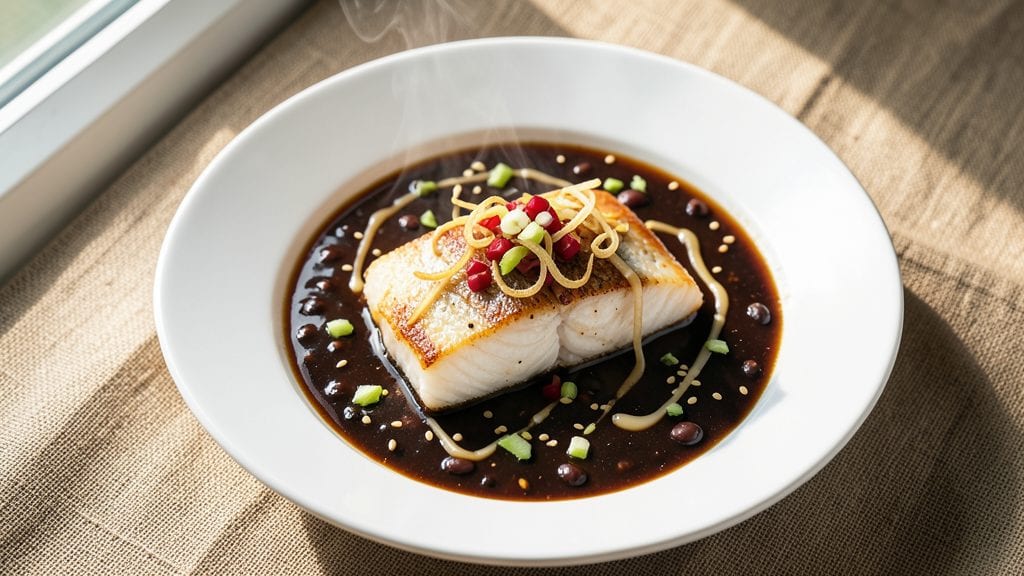
This steam fish black bean sauce recipe turns simple white fish into a restaurant-worthy dish where delicate flakiness meets rich, umami-packed sauce. The secret lies in balancing tender fish with a silky black bean sauce—just the right amount of ginger, garlic, and soy to elevate every bite without overpowering.
I developed this recipe after years of testing, ensuring the sauce clings perfectly to the fish while keeping it moist and flaky.
This method requires minimal prep but delivers professional results. You'll need just five key ingredients for the sauce—black bean paste, soy sauce, ginger, garlic, and a touch of sugar—to create a glossy, aromatic sauce that enhances rather than masks the fish's natural sweetness.
The steaming process preserves the fish's texture, so it stays perfectly flaky even after absorbing the sauce.
By the time you plate this dish, you'll have a harmonious combination of tender, white fish and a velvety sauce that coats each piece evenly. The aroma alone will draw everyone to the table, while the first bite delivers a perfect balance of savory, slightly sweet, and umami-rich flavors.
Serve with steamed jasmine rice or bok choy to round out the meal.
Whether you're cooking for a weeknight dinner or a special occasion, this recipe proves that elegant dishes don't require complicated techniques. The sauce can be made ahead, and the fish steams in just 10 minutes—making it a foolproof method for achieving restaurant-quality results at home.
Ingredients for steam fish black bean sauce
Five key ingredients transform delicate fish into restaurant-quality harmony with silky black bean sauce.
| Ingredient | Amount | Notes |
|---|---|---|
| White Fish Fillets 🐟 | 1 ½ lb | Firm white fish like cod or halibut |
| Black Bean Paste 🫘 | ½ cup | Smooth texture preferred |
| Light Soy Sauce 🍶 | ½ cup | Kikkoman preferred |
| Fresh Ginger 🌿 | 2 tbsp | Finely grated, aromatic |
| Garlic Cloves 🧄 | 4 cloves | Minced, aromatic |
| Granulated Sugar 🍚 | 1 tbsp | Balances flavors |
| Sesame Oil 🫒 | 1 tbsp | Toasted for aroma |
| Cornstarch 🌾 | 1 tbsp | For sauce thickening |
| Water 💧 | ½ cup | For sauce consistency |
| Green Onions 🧅 | 2 whole | Sliced, for garnish |
| Vegetable Oil 🫒 | 1 tbsp | For fish coating |
| Salt 🧂 | ½ tsp | Kosher or sea salt |
| Black Pepper 🌶️ | ¼ tsp | Freshly ground |
The fish is the foundation—cod or halibut work best for their firm texture and mild flavor, ensuring they stay flaky after steaming. Whole Foods or local seafood markets carry high-quality fillets, or opt for frozen fillets at Costco for cost-effective bulk. Look for fillets with a vibrant color and minimal fishy odor. If using frozen, thaw overnight in the fridge—never at room temperature. For the black bean paste, Asian markets offer the smoothest varieties, but the jarred kind from Trader Joe's works well too. The ginger and garlic should be fresh, with bright color and no soft spots. Toast the sesame oil in a dry pan for 30 seconds before using to deepen its aroma—this is a professional trick that makes a noticeable difference.
No black bean paste? Mash 1 cup cooked black beans with a pinch of sugar and salt for a close substitute. Light soy sauce can be swapped for dark soy sauce (reduce by half) if you prefer a deeper color, though it has a slightly bitter note. Fresh ginger and garlic are non-negotiable for authentic flavor, but if you must use powdered, double the amount—though it won’t replicate the complexity. The sugar balances the umami, so don’t skip it, even if you’re using a sweetened black bean paste. For the cornstarch, arrowroot powder works equally well if you’re avoiding gluten. The green onions add brightness, but if you hate their texture, substitute with chives or skip entirely. The vegetable oil is just for coating—use any neutral oil you have on hand.
This sauce can be made 2 days ahead and stored in an airtight container in the fridge, though the texture will thicken slightly—just stir in a splash of water to loosen before using. The fish should be cooked fresh, but you can prep the sauce and set up the steamer in advance for a stress-free cooking process. If you’re serving a crowd, double the sauce—it reheats beautifully. The leftovers keep for 3 days in the fridge, but the fish is best eaten within 2 days for optimal texture. Garnish with extra green onions or a drizzle of sesame oil just before serving to keep everything vibrant.
Why You'll Love This Recipe
- Five-Ingredient Magic: I swear by this—just fish, black bean paste, soy sauce, ginger, and garlic. That’s it. No fancy prep, no hidden pantry raids, and the sauce comes together faster than you can say "steamed."
- Umami Bomb: The black bean paste alone is a flavor powerhouse, but add that crispy garlic-ginger sizzle? Pure satisfaction. The fish stays tender while soaking up all that deep, savory goodness—no dry bites here.
- Lunchbox Hero: Between us, this is my secret weapon for packed lunches. Double the batch, store it in airtight containers, and reheat with a splash of water—still tastes like you made it fresh. (Yes, even on a Tuesday night.)
- Budget Night Win: White fish is affordable, and a little black bean paste goes a long way. Honestly, I make this when I’m trying to stretch groceries but still want something that feels special—not sad leftovers.
Step-by-step instructions for steamed fish with black bean sauce
A perfect balance of tender fish and rich black bean sauce awaits—here's how to achieve silky texture and flaky perfection.
Prepare the Sauce Base
In a small bowl, combine the 0.5 cup black bean paste, 0.5 cup light soy sauce, 2 tablespoons fresh ginger, 4 minced garlic cloves, and 1 tablespoon granulated sugar. Mix thoroughly until smooth and well incorporated. This blend forms the flavor foundation for your sauce.
Transfer the mixture to a saucepan and add 0.5 cup water. Bring to a gentle simmer over medium heat, then reduce to low heat. Let it cook for 5-7 minutes until the sauce begins to thicken slightly. You'll notice the aroma intensify as the flavors meld together—this is when you know the sauce is developing properly.
Thicken the Sauce
In a separate small bowl, whisk together 1 tablespoon cornstarch with 1 tablespoon sesame oil. Slowly pour this mixture into the simmering sauce while stirring constantly. The sauce should begin to thicken within 1-2 minutes, reaching a glossy, velvety consistency.
Continue cooking for another 2 minutes until the sauce coats the back of a spoon smoothly. Taste and adjust seasoning with 0.5 teaspoon salt and 0.25 teaspoon black pepper if needed. Remove from heat and set aside—this sauce will continue thickening slightly as it cools.
Season and Steam the Fish
Pat the 1.5 lb white fish fillets completely dry with paper towels. Lightly brush both sides with 1 tablespoon vegetable oil, then season generously with 0.25 teaspoon black pepper. Place the fish on a heatproof plate that fits snugly in your steamer basket.
Set up your steamer with 1-2 inches of water in the bottom pot. Bring to a rolling boil, then place the fish in the steamer basket. Cover and steam for 8-10 minutes until the fish becomes opaque and flakes easily with a fork. Avoid oversteaming—you want the fish tender but still moist.
Combine and Garnish
Carefully transfer the steamed fish to a serving platter. Spoon the prepared black bean sauce evenly over the top, allowing it to cascade down the sides. The sauce should cling beautifully to the flaky fish, creating a visually stunning presentation.
Garnish with 2 sliced green onions for freshness and color. Serve immediately while the fish is still warm and the sauce maintains its silky texture. Each bite should deliver perfectly flaky fish with a rich, aromatic sauce that balances sweet, savory, and umami notes.
Pro Tips For Making Steam Fish Black Bean Sauce
- Bloom the Black Bean Paste: Stir it into a splash of hot water first—just 1-2 tablespoons—until it dissolves into a thick, glossy paste. I learned this the hard way: skipping this step means clumps that turn your sauce grainy, no matter how much you stir later.
- Salt the Fish Early: Season the fillets with half the soy sauce and a pinch of salt right after patting them dry. This jumpstarts the marinade and keeps them from turning rubbery when steamed. (Yes, even if you're impatient like me—give it 5 minutes.)
- Sear the Ginger-Garlic Base: Cook the minced ginger and garlic in oil until the edges of the ginger just start to brown—about 30 seconds past when you think it’s done. That caramelized depth cuts through the richness of the black bean paste and makes the whole dish taste more complex.
- Steam Over High Heat: Use a wok or deep skillet with just enough water to create steam, then bring it to a rolling boil before adding the fish. If the water’s barely simmering, you’ll end up with sad, waterlogged fillets instead of tender, flaky bites. (Your future self will thank you.)
Troubleshooting perfect results
Sauce Too Thin?
If your black bean sauce turns out too thin, you can thicken it quickly by mixing 1 teaspoon cornstarch with 1 teaspoon cold water to form a slurry. Stir it into the simmering sauce and cook for another 1-2 minutes until it reaches the desired consistency.
Alternatively, simmer the sauce uncovered for 3-5 extra minutes to let some of the liquid evaporate naturally. 💡
Fish Overcooked?
Oversteaming is the most common issue with delicate fish. To prevent this, check the fish at 8 minutes—it should flake easily with a fork but still look moist. If it's overdone, try a different fish next time (like halibut or cod) which holds up better to steaming.
For extra insurance, reduce the steaming time to 6-7 minutes and monitor closely. 🐟
Sauce Too Salty?
If your sauce is overly salty, balance it by adding 1-2 teaspoons of sugar or a splash of rice vinegar (about 1 teaspoon) to cut through the saltiness.
You can also thin the sauce slightly with 1 tablespoon water to dilute the flavor. Taste as you go—this sauce is forgiving, but adjustments early prevent overcompensation. 🧂
Fish Not Flaky?
If your fish turns out tough instead of flaky, it likely wasn’t cooked long enough or was overhandled. For future attempts, ensure your fish is completely dry before steaming, and avoid pressing on it while cooking.
Try a slightly thicker cut of fish like salmon or snapper, which often hold up better. Also, steam at a gentle simmer—too much heat can make the fish rubbery. ✨
Sauce Separating?
If your sauce separates into oil and watery layers, it’s usually due to overcooking or improper thickening. Stir in ½ teaspoon cornstarch mixed with ½ teaspoon water and simmer for 1 minute to re-emulsify.
For prevention, keep the heat low when thickening and stir constantly. A splash of sesame oil can also help bind the sauce together. 🌶️
Fish Too Dry?
Dry fish often results from oversteaming or insufficient moisture. To fix this, brush the fish with a thin layer of vegetable oil before steaming, and place a damp paper towel in the steamer basket with the fish.
For next time, reduce steaming time by 1-2 minutes or cover the fish with a light lid during steaming to trap moisture. 💧
Nutrition facts
Frequently asked questions
Can I use frozen fish for this recipe?
Yes, but thaw it properly first. Place frozen fillets in the refrigerator overnight (about 12-24 hours) for even thawing. Never thaw at room temperature—this can promote bacterial growth. For thicker cuts like cod or halibut, you can also use the microwave's defrost setting, then finish thawing in the fridge for 30 minutes. Pat completely dry before steaming to ensure crisp edges.
What if I don't have black bean paste?
Make your own by mashing 1 cup cooked black beans with 1 teaspoon soy sauce and ½ teaspoon sugar until smooth. For extra richness, add 1 teaspoon sesame oil. This works best with canned black beans (drained and rinsed) or dried beans cooked until very soft. The texture will be slightly chunkier, but the flavor remains authentic.
How do I adjust this for spicier preferences?
Add ½ teaspoon red pepper flakes or 1 teaspoon sriracha to the sauce while simmering. For heat control, start with half the amount and taste before serving. If using fresh chili, remove seeds and finely mince 1 small chili (like Thai bird's eye) for a balanced kick. The sauce's glossy texture helps distribute heat evenly.
Can I make this ahead of time?
The sauce can be prepared 2 days ahead and stored in an airtight container in the fridge. The fish should be cooked fresh, but you can prep everything except the final steaming. Reheat the sauce gently over low heat with a splash of water to restore its silkiness. For make-ahead convenience, assemble the dish on a platter and cover tightly—it reheats beautifully in a 350°F oven for 10 minutes.
What's the best fish for this recipe?
Cod, halibut, or tilapia work best—they're firm yet delicate enough to stay flaky when steamed. Avoid overly oily fish like salmon or mackerel, as they can break down differently with the sauce. For budget-friendly options, swai or pollock also perform well. Always choose fillets with a fresh, mild aroma and firm texture.