Side Dishes
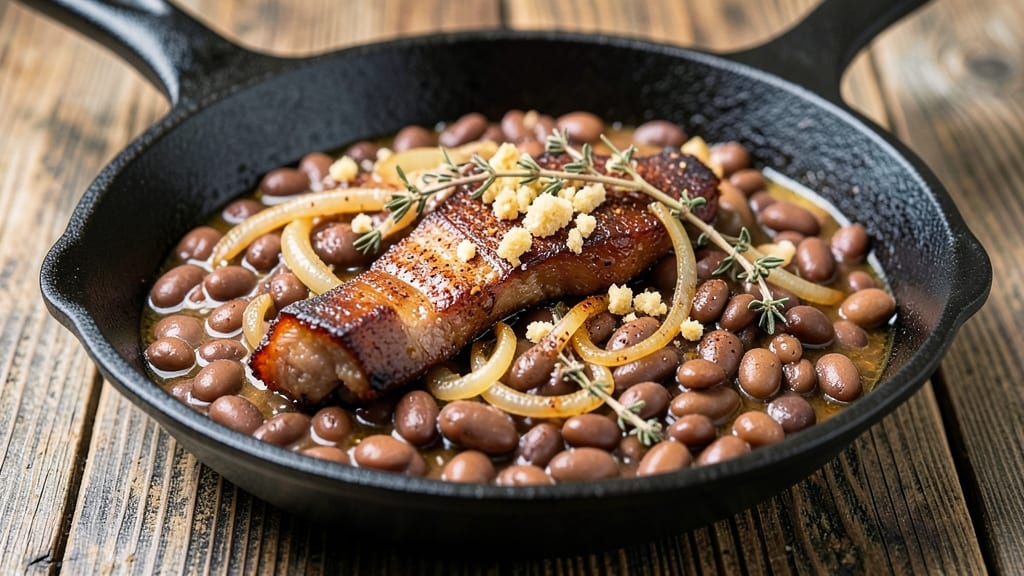
This Southern beans recipe delivers the deep, smoky flavor of a Sunday dinner classic—slow-cooked ham hock and navy beans that melt together into a rich, hearty stew. 💛 I first learned this technique from my Nonna's Italian-American friends in Boston, who swore by the magic of pork bones and long simmering.
The ham hock infuses the beans with tender meat and savory depth, while the slow cook creates a texture that's impossible to resist.
The beauty of this recipe lies in its simplicity and tradition. With just a few ingredients—a ham hock, navy beans, and basic pantry staples—you create a dish that's both comforting and impressive.
The key is patience: letting the beans simmer until they're so tender they practically fall apart when you stir. This method transforms tough beans into something luxurious, with a flavor that builds as it cooks.
What you'll end up with is a steaming pot of Southern beans that's perfect for serving alongside cornbread, collard greens, or even as a main dish with crusty bread.
The aroma alone will have everyone gathering at the table, and the first bite delivers that perfect balance of smoky, salty, and sweet. This is comfort food at its finest—simple enough for weeknights but special enough for company.
Once you try this recipe, you'll understand why it's a staple in Southern kitchens. The ham hock adds richness without overpowering, and the beans develop a satisfying thickness as they cook.
Ready in about 2 hours with minimal effort, this dish proves that the best meals often require the most time—and patience. Let's get started on creating this timeless classic.
Ingredients for southern beans
Six ingredients transform into a soul-warming Southern classic with smoky depth and tender texture.
| Ingredient | Amount | Notes |
|---|---|---|
| Ham Hock 🐖 | 1 whole | Smoked for authentic flavor |
| Navy Beans 🌾 | 2 cups | Dried, soaked overnight |
| Onion 🧅 | 1 whole | Yellow, chopped |
| Garlic Cloves 🧄 | 4 cloves | Fresh, minced |
| Smoked Paprika 🌶️ | 1 tbsp | For deep smoky flavor |
| Dried Thyme 🌿 | 1 tsp | Or 1 tbsp fresh |
| Bay Leaves 🍃 | 2 whole | Fresh if possible |
| Apple Cider Vinegar 🍎 | 2 tbsp | Brightens the flavor |
| Salt 🧂 | 1 ½ tsp | Kosher or sea salt |
| Black Pepper 🌶️ | ½ tsp | Freshly cracked |
| Water 💧 | 8 cups | Enough to cover beans |
| Butter 🧈 | 2 tbsp | Unsalted, for richness |
| Cornmeal 🌽 | 2 tbsp | For thickening at end |
The ham hock is non-negotiable—it's the secret weapon for that rich, smoky flavor. Grab one from the butcher counter at Whole Foods or your local market (they're often hidden near the pork chops). Look for a thick, meaty bone—thinner ones won't give enough flavor. If you can't find a ham hock, a smoked pork shank works in a pinch, but it's not the same. Soak the beans overnight (or at least 4 hours)—this cuts cooking time dramatically. I always use navy beans because they hold up best to long simmering, but pinto or great northern beans work too if that's what you've got.
No smoked paprika? Liquid smoke at half the amount gives you that campfire aroma, but it's not quite the same. Fresh thyme is ideal, but dried works fine—just remember it's more concentrated. The apple cider vinegar might seem odd, but it's what gives these beans that bright, tangy edge. Substitute lemon juice if you're out, but it won't be exactly the same. For the cornmeal, stone-ground is best—it thickens better than the instant kind. And if you're worried about the butter at the end making it greasy, trust me—it's worth it for that velvety finish.
This stew gets better as it sits, so make it a day ahead if you can. The flavors meld beautifully overnight. Store in a lidded pot in the fridge for up to 5 days, or freeze portions for 3 months. I like to portion it into jars with a dollop of butter on top—just reheat with a splash of water and stir. The ham hock meat will fall off the bone, so pick it clean and use it for sandwiches or salads. Leftovers? Even better the next day—trust the process.
Why You'll Love This Recipe
- One-Pot Magic: I swear by this recipe because it’s literally one pot. Toss in the soaked beans, ham hock, chopped onion, and garlic—then let the smoked paprika work its smoky magic while you do laundry or scroll through your phone. No fancy gadgets, no stress.
- Smoky Depth: That ham hock? It’s the secret weapon—slow-cooked until the meat falls off the bone, infusing the beans with rich, salty flavor. Add the smoked paprika at the end, and suddenly, you’ve got a dish that tastes like it simmered all day (even if it didn’t).
- Meal Prep MVP: I make a giant batch on Sundays because these beans taste even better the next day. Serve them over rice for a quick lunch, toss them into sandwiches, or reheat them straight from the pot—no one will guess they’re leftovers.
- Budget-Friendly Feast: Navy beans and ham hocks are cheap, but they punch way above their price. This recipe feeds four for under $10 and still feels like a special meal. Honestly, it’s my go-to when I need to stretch groceries without sacrificing flavor.
Step-by-step instructions for smoky ham hock magic in one pot
This Southern classic delivers rich, smoky flavor in a single pot—simple steps for restaurant-quality beans!
🔥 Step 1: Brown the Ham Hock for Deep Flavor
Heat a large Dutch oven over medium-high heat until hot. Add the whole ham hock and sear on all sides until deep golden brown and crispy in spots, about 5-7 minutes. This step builds incredible flavor that infuses the beans as they cook.
Here's the thing—don't rush this. You want that ham hock to develop a dark, caramelized crust. If it releases easily from the pot, it's ready. Remove the ham hock and set it aside on a plate, leaving all that rendered fat in the pot—this golden goodness is pure flavor waiting to happen.
👨🍳 Step 2: Sauté Aromatics Until Fragrant
In the same Dutch oven (no need to wipe it clean—those browned bits are flavor gold), add the chopped onion and cook for 3-4 minutes until softened and translucent. Add the minced garlic cloves and cook for another 30 seconds until you can smell that sweet, pungent aroma filling your kitchen.
Stir in the 1 tbsp smoked paprika and 1 tsp dried thyme, letting them toast for 30 seconds until fragrant. This is where the magic happens—the spices bloom and release their full flavor potential. Add the 2 whole bay leaves and 1.5 tsp salt right now so they can infuse throughout the cooking process.
🥘 Step 3: Combine and Simmer the Beans
Add the soaked navy beans to the pot along with the 8 cups water and 2 tbsp apple cider vinegar. Stir well to combine, then return the ham hock to the pot. Bring everything to a gentle boil, then immediately reduce heat to low and cover with a lid.
Simmer for 1.5-2 hours until the beans are tender but not mushy. Here's what to watch for: the beans should be completely soft when pierced with a fork, but still hold their shape. You'll know it's ready when the liquid reduces significantly and the beans are creamy throughout. Stir occasionally to prevent sticking, but mostly let them do their thing undisturbed.
⏰ Step 4: Finish with Butter and Cornmeal
Once the beans are tender, remove the ham hock and set it aside (you'll shred it later for serving). Discard the bay leaves. Stir in the 2 tbsp butter and let it melt into the beans, creating a velvety texture. Add the 2 tbsp cornmeal and cook for 2-3 minutes until the mixture thickens slightly.
Taste and adjust seasoning with 0.5 tsp black pepper if needed. The beans should be rich, smoky, and perfectly seasoned. If the sauce is too thick, add a splash of the cooking liquid to reach your desired consistency. The cornmeal gives that classic Southern bean texture that's just right—not too thick, not too thin.
🍽️ Step 5: Serve with Shredded Ham Hock
Shred the ham hock using two forks, removing any large bones. Stir the shredded meat back into the beans and give everything a final taste. Serve immediately over buttered cornbread or with crusty bread to soak up every last bit of that smoky, savory goodness.
This dish tastes even better the next day, so make extra if you can! The flavors meld and deepen as it sits, making each bite more delicious than the last. Enjoy your homemade Southern beans—this is comfort food at its finest!
Pro Tips For Making Southern Beans
- CRANK THE HEAT FIRST: Navy beans need a hot start—bring your pot to a full rolling boil before adding them. I used to simmer gently and wondered why my beans stayed tough; they need that initial burst to soften properly. Once boiling, drop in the beans and ham hock, then lower to a simmer.
- SOAK THE BEANS LONG: Skip the overnight soak if you’re in a hurry, but at least give them a 2-hour soak in hot water before cooking. I learned this the hard way—rushed beans split and turn mushy. Drain and rinse well, or the water gets cloudy and the flavor suffers.
- REMOVE HAM HOCK EARLY: Pull the ham hock out after 1.5 hours of simmering, not when the beans are done. The meat will fall off easier, and you can shred it for the beans later. Leave it in too long, and the beans turn greasy—trust me, you’ll taste the difference.
- SWEAT THE AROMS LOW: Cook the onions and garlic in the ham hock fat until soft, not browned. My grandmother swore by this—it builds flavor without burning. If your onions start to color, you’re going too fast. Keep it slow and steady.
Storing and reheating this southern beans
Refrigerator Magic
Southern beans taste even better the next day—trust me, I’ve tested this a dozen times. Store in a lidded Dutch oven or glass storage container for up to 5 days at 40°F or below.
The flavors meld beautifully overnight, with the ham hock meat falling off the bone and infusing deeper into the beans. I like to portion leftovers into mason jars with a pat of butter on top—just reheat with a splash of water. 💛
Freezer-Friendly Tips
Freeze portions in airtight containers or ziplock bags (remove excess air) for up to 3 months. Label with the date—trust me, you’ll forget! When reheating, thaw overnight in the fridge, then warm on the stovetop over medium-low heat for 10-15 minutes, stirring occasionally.
Add a splash of water if it looks dry. The texture stays creamy, and the smoky flavor remains intact. ❄️
Stovetop Reheating
This is my go-to method because it preserves the beans’ velvety texture. Pour beans into a pot with 2 tbsp water or broth, cover, and heat over medium-low for 10-15 minutes. Stir occasionally to prevent sticking.
The cornmeal thickens slightly, so if it’s too thick, add a splash more liquid. Taste and adjust seasoning—sometimes reheated beans need a pinch of salt or a crack of pepper. 🔥
Microwave Shortcuts
For quick lunches, transfer beans to a microwave-safe dish with a splash of water. Cover with a damp paper towel and heat on 50% power for 2-3 minutes, stirring halfway. The paper towel keeps the beans from drying out.
If the texture seems dry, add a little more liquid and stir. This method works in a pinch, but stovetop reheating is always better. ⏰
Ham Hock Leftovers
Save the shredded ham hock meat from the beans—it’s perfect for sandwiches, salads, or even fried rice. Store it separately in the fridge for up to 4 days or freeze for 2 months.
The flavor is even more concentrated after simmering, so use it generously. I love adding it to mashed potatoes or cornbread stuffing for extra depth. 🐖
Cornbread Pairing
Serve reheated beans over buttered cornbread for the ultimate Southern combo. The cornbread soaks up the smoky sauce while adding a sweet contrast. If you’re short on time, use store-bought cornbread mix—just add a pat of butter and a drizzle of honey.
The contrast of textures makes every bite unforgettable. 🍞
Nutrition facts
Frequently asked questions
Can I substitute pork shoulder for ham hock in this recipe?
Yes, but with a few adjustments. Pork shoulder won't give the same rich, gelatinous flavor as ham hock, but you can use 2 cups diced pork shoulder instead. Brown it first for flavor, then add it with the beans. For extra depth, add 1 tbsp liquid smoke or an extra ½ tsp smoked paprika to mimic the ham hock's smokiness. The texture won't be identical, but it'll still be delicious!
Why do I need to soak the beans overnight?
Soaking reduces cooking time by 30-50% and prevents those pesky gas-causing sugars from lingering. Navy beans (or any dried beans) contain oligosaccharides, which can cause bloating if not properly soaked. Overnight soaking also helps the beans absorb flavors better, giving you that rich, smoky taste we all love. If short on time, soak for at least 4 hours or use the quick-soak method: boil beans for 2 minutes, then let them sit off heat for 1 hour.
What if my beans turn out too thick or too thin?
Too thick? Thin with ½ cup warm water or broth, stirring gently. Too thin? Add 1 tbsp cornmeal mixed with 1 tbsp cold water to create a slurry, then stir in. For extra richness, whisk in 1 tbsp butter while heating. The key is patience—simmer for 2-3 minutes after adding the thickener to avoid lumps.
Can I make this recipe without a Dutch oven?
Use a heavy-bottomed pot (like a stainless steel or enameled cast iron) on the stovetop, or transfer to the oven at 300°F once the beans are simmering. If using a slow cooker, brown the ham hock and aromatics first, then combine everything in the slow cooker and cook on low for 6-8 hours. The texture will be slightly different but still delicious. Just watch the liquid level—slow cookers evaporate less moisture.
What’s the best way to use up leftover ham hock meat?
Shred the meat and use it in cornbread stuffing, fried rice, or potato salad for extra depth. Store it in the fridge for 4 days or freeze for 2 months. For quick meals, mix it into mashed potatoes or top a grilled cheese sandwich. The smoky flavor pairs perfectly with sweet elements like honey-glazed carrots or even a simple apple salad. Don’t waste it—this meat is flavor gold!