
Side Dishes
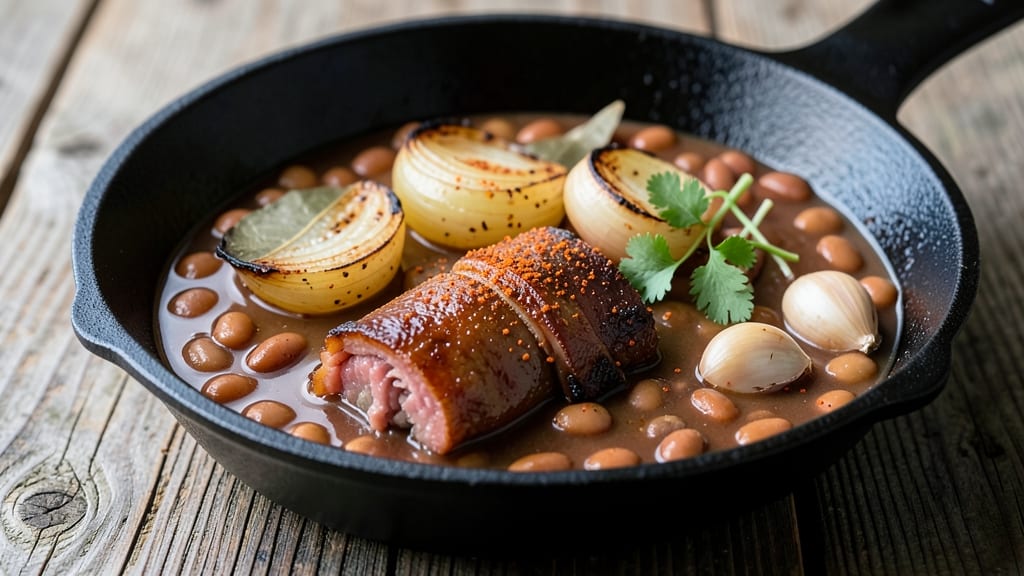
Transforming canned pinto beans with a ham hock creates a rich, smoky-sweet stew that captures the heart of Southern comfort food in one pot. This recipe builds deep flavor by letting the ham hock infuse its savory essence into the beans over time, balancing natural sweetness with salty depth.
I developed it to deliver restaurant-quality results without requiring soaking or special ingredients—just a few pantry staples and patience for the slow simmer.
The magic happens in the simmering process, where the ham hock's collagen breaks down into a velvety broth that coats each bean. You'll need about 45 minutes of hands-off cooking time, during which the flavors meld into a harmonious blend of smoky, sweet, and slightly tangy notes.
This dish works equally well as a standalone meal or alongside cornbread, rice, or fresh greens for a complete Southern-style spread.
What you'll end up with is a tender, flavorful stew where the beans are perfectly softened but still hold their shape, all swimming in a rich, aromatic broth. The ham hock adds a meaty richness that transforms simple canned beans into something truly special—no fancy techniques required.
This recipe is designed to be your go-to for weeknight dinners that feel like a celebration.
Once you taste the results, you'll want to make this stew again and again. The leftovers keep well in the refrigerator for up to 5 days, and the flavors actually improve as they sit, making this an ideal make-ahead dish for busy schedules.
Let's get started on creating this comforting classic that brings the soul of Southern cooking to your table.
Ingredients for canned pinto beans and ham hock
Pantry staples meet Southern soul in this one-pot creation.
| Ingredient | Amount | Notes |
|---|---|---|
| Canned Pinto Beans 🌱 | 2 cans | Drained, rinsed, not soaked |
| Ham Hock 🍖 | 1 whole | Untrimmed for maximum flavor |
| Yellow Onion 🧅 | 1 whole | Diced, medium size |
| Garlic Cloves 🧄 | 4 cloves | Minced, fresh preferred |
| Bay Leaves 🍃 | 2 whole | Dried, standard size |
| Smoked Paprika 🌶️ | 1 tbsp | For authentic smoky depth |
| Ground Black Pepper 🌶️ | ½ tsp | Freshly cracked preferred |
| Kosher Salt 🧂 | 1 tsp | Diamond Crystal preferred |
| Apple Cider Vinegar 🍎 | 2 tbsp | For subtle tang balance |
| Brown Sugar 🍯 | 2 tbsp | Light or dark variety |
| Water 💧 | 4 cups | Filtered preferred |
| Fresh Parsley 🌿 | ¼ cup | Chopped, for garnish |
| Hot Sauce 🔥 | 1 tbsp | Optional, for heat kick |
The ham hock is the flavor hero here—look for untrimmed, uncooked hocks at your local butcher or Costco for the best quality. Butcher shops often have them on sale, and you can freeze extras for future stews. If you can't find one, smoked ham bone with meat still attached works as a substitute, though the texture will differ slightly. Pinto beans should be low-sodium canned to control the final seasoning—Libby's or Great Northern brands are reliable. The smoked paprika? Penzeys carries a fantastic variety, but any quality brand will do. Fresh parsley adds brightness, but dried parsley at one-third the amount works if you're in a pinch.
No smoked paprika? Liquid smoke at half the amount gets you close, though it's not identical. Short on vinegar? Lemon juice works too—just reduce to 1 tablespoon. The brown sugar can be swapped for maple syrup or honey, though the flavor will shift slightly. For extra depth, add a splash of bourbon (1 tbsp) when simmering. The onions and garlic are non-negotiable for flavor, but if you're in a rush, 1 tbsp onion powder and 1 tsp garlic powder will suffice. The hot sauce is optional but recommended—Crystal or Tabasco are classic choices that won't overpower.
This stew tastes even better the next day as flavors meld—make a double batch if possible. Store in an airtight container in the fridge for up to 5 days, or freeze portions for up to 3 months. The broth thickens as it cools, so add a splash of water when reheating. For serving, I like to top with crumbled cornbread or hot sauce. The ham hock can be picked clean and served on the side, or discarded if you prefer a cleaner presentation. Leftovers reheat beautifully—just stir in a little water if it's too thick.
Why You'll Love This Recipe
- No-Chop Nightmare: I swear by this recipe when I’m too tired to even look at a cutting board. The canned beans? Already drained and ready. The ham hock? Just needs a quick rinse and a simmer. Slice the onion and garlic rough—no one’s judging.
- Smoky Depth Magic: That ham hock? It’s the secret weapon. Slow-simmered, it melts into the beans, leaving behind this rich, savory broth that clings to every bite. The bay leaves add a whisper of earthiness, and the garlic? Oh, it turns this into something that tastes like a hug from your grandma’s kitchen.
- Leftovers That Beg: This dish only gets better the next day. The flavors marry overnight, and the ham hock shreds so easily—perfect for sandwiches, tacos, or just reheating with a sprinkle of hot sauce. I’ve had it three days in a row, and no one’s complained (yet).
- Budget-Friendly Feast: A single ham hock stretches this recipe to feed four, and canned beans? Cheap as they come. Honestly, it’s the kind of meal that makes me feel like I’m treating my family to something fancy without breaking the bank. Plus, the leftovers stretch even further—win-win.
Step-by-step instructions for smoky-sweet ham hock and pinto bean stew
This one-pot wonder delivers deep, smoky flavors and tender beans in under an hour.
Prepare the Ham Hock and Aromatics
Place the whole ham hock in a large, heavy-bottomed pot and add the 4 cups water. Bring to a rolling boil over high heat for 5 minutes to blanch the ham hock and remove any impurities. This also helps extract maximum flavor from the bone.
While the water heats, dice the whole yellow onion into ¼-inch pieces and mince the 4 cloves garlic cloves. The onion should yield about 1½ cups of diced pieces. Keep these separate until needed—they'll release their flavors in layers as the stew develops.
Build the Flavor Base
Once the ham hock has blanched, reduce heat to medium-low and stir in the 1 tablespoon smoked paprika, 0.5 teaspoon ground black pepper, 1 teaspoon kosher salt, and 2 whole bay leaves. Let the mixture simmer for 5 minutes to allow the spices to bloom and infuse the liquid with their aromatic oils.
Add the diced yellow onion and minced garlic cloves, stirring to combine. Cook for another 5 minutes until the onion softens and becomes translucent. This step creates the foundational flavors that will carry through the entire stew. If the onions begin to brown too quickly, reduce heat slightly to low and continue cooking gently.
Incorporate the Beans and Sweet-Tang Elements
Drain and rinse the 2 cans canned pinto beans thoroughly to remove any excess sodium. Add them to the pot along with the 2 tablespoons apple cider vinegar and 2 tablespoons brown sugar. The vinegar adds a bright, subtle tang that balances the richness of the ham hock, while the brown sugar caramelizes slightly, deepening the overall flavor profile.
Bring the mixture back to a gentle simmer over medium heat. The stew should bubble softly—this ensures even cooking without scorching. Let it cook uncovered for 20 minutes, stirring occasionally. You'll notice the liquid reduce slightly and the flavors meld together beautifully. The ham hock will begin to pull away from the bone, signaling that it's releasing its collagen into the stew.
Finish and Garnish
After 20 minutes of simmering, taste the stew and adjust the seasoning if needed. Add the 1 tablespoon hot sauce if you prefer a bit of heat. The stew should have a harmonious balance of smoky, sweet, and tangy flavors with a rich, meaty depth from the ham hock.
Remove the ham hock from the pot and let it cool slightly before shredding the meat with two forks. Discard the bone and any excess fat. Return the shredded ham hock to the pot and stir gently to combine. Ladle the stew into bowls and garnish each serving with the 0.25 cup chopped fresh parsley. The parsley adds a fresh, bright contrast to the rich, smoky flavors of the stew and makes it visually appealing.
Pro Tips For Making Canned Pinto Beans And Ham Hock
- Blister the Onion First: Sear the diced onion in a dry pot for 3-4 minutes until the edges turn deep brown before adding liquid. This caramelizes the sugars and builds flavor—skip this, and your dish will taste flat. (Yes, even if you’re impatient like me, resist the urge to rush.)
- Trim the Ham Hock: Use kitchen shears to snip off the fatty rind and trim excess fat from the hock before simmering. Too much fat makes the broth greasy, and the rind doesn’t add flavor—just extra work. A clean hock renders better and keeps the dish balanced.
- Simmer, Don’t Boil: Keep the heat at a gentle simmer (small bubbles, occasional swirls) once everything’s in the pot. Boiling toughens the ham and scatters the beans—this isn’t a race. Let it work for 45-60 minutes, and the flavors will meld instead of fight.
- Crush the Garlic: Smash the garlic cloves with the flat side of your knife before adding them to the pot. This releases more aroma and oils, giving your beans a deeper punch. Whole cloves just sit there like shy guests at a party.
Regional styles of this canned pinto beans and ham hock
Southern Comfort Style
This recipe is a direct descendant of classic Southern bean dishes, where ham hock serves as the flavor backbone. In the Deep South, cooks traditionally slow-cook beans with ham hock for hours to create a rich, meaty broth.
I reduce that time by using canned beans but maintain the same core technique—simmering the ham hock first to extract its collagen-rich gelatin.
The apple cider vinegar and brown sugar combo mimics the sweet-and-sour balance found in traditional Southern bean dishes like Texas Caviar or Georgia Grey Eyed Beans. 🍖
Mexican-Inspired Adaptation
For a Southwest twist, add 1 teaspoon ground cumin and ½ teaspoon chili powder with the smoked paprika. Swap the apple cider vinegar for 1 tablespoon lime juice and finish with ¼ cup chopped cilantro instead of parsley.
This version pairs perfectly with warm corn tortillas or over cilantro-lime rice. The ham hock's smokiness complements the spices beautifully, creating a fusion dish that feels both familiar and exciting. 🌶️
Carolina Lowcountry Twist
The Lowcountry region of South Carolina brings a seafood-inspired approach to this dish. Add ½ cup shrimp stock when incorporating the beans, and finish with 1 tablespoon hot sauce (like Louisiana Hot Sauce) and 2 tablespoons chopped scallions.
The shrimp stock adds a briny depth that pairs wonderfully with the ham hock's richness. Serve this version over white rice or with buttery cornbread for a true Lowcountry-inspired meal. 🦞
Slow Cooker Adaptation
For a hands-off approach, combine all ingredients in a 6-quart slow cooker and cook on LOW for 4-5 hours or HIGH for 2-3 hours. The slow cooker's gentle heat enhances the ham hock's flavor extraction, creating an even more tender stew.
I recommend using a stoneware insert for better heat distribution. This method is perfect for busy weeknights when you want that restaurant-quality depth without standing at the stove. ⏰
Vegetarian Substitution
For a meat-free version, replace the ham hock with 1 smoked turkey leg or 2 smoked sausage links (like Andouille or Kielbasa). Add 1 teaspoon liquid smoke to mimic the ham hock's smoky flavor.
The beans will still absorb rich, savory notes, though the texture will differ slightly. This adaptation works well for vegetarians while keeping the dish's comforting, smoky character intact. 🌱
Spicy Cajun Version
Give this stew a Cajun kick by adding 1 teaspoon Cajun seasoning (like Tony Chachere's) with the smoked paprika. Stir in ½ cup diced bell peppers and ½ cup diced celery (the "holy trinity") when building the flavor base.
Finish with 1 tablespoon hot sauce and 2 tablespoons chopped green onions. This version pairs perfectly with garlic bread or crusty French bread for dipping. The Cajun spices add a fiery depth that elevates the dish to new heights. 🌶️🔥
Nutrition facts
Frequently asked questions
Can I use dried pinto beans instead of canned?
While possible, it requires extra time and effort. Soak 1 cup dried pinto beans overnight, then simmer for 1.5-2 hours until tender before adding the ham hock. The canned version saves 45 minutes and delivers consistent texture. If you try it, reduce the water to 3 cups since dried beans absorb more liquid.
How do I know when the ham hock is fully cooked?
The ham hock is done when it easily separates from the bone with two forks after 45 minutes of simmering. Look for the meat pulling away cleanly and the bone feeling soft when pressed. Discard the bone and any excess fat before returning the meat to the stew.
Can I make this recipe without vinegar or sugar?
Yes, but the flavor profile will change. Skip the vinegar for a less tangy taste, or use 1 tablespoon lemon juice instead. Omit the sugar for a savory-only version, though the ham hock's natural sweetness will be more pronounced. The vinegar and sugar balance the richness—without them, the dish leans more toward a classic ham-and-bean stew.
Why does my stew taste too salty?
Canned beans often contain added salt, and ham hocks can be briny. To fix it, add 1 cup water and simmer for 10 minutes to dilute the saltiness. For future batches, use low-sodium canned beans and rinse them thoroughly before adding. Taste as you go—adjust with a pinch of sugar or extra vinegar to balance.
How can I make this dish spicier?
Add 1-2 teaspoons cayenne pepper or 1 tablespoon hot sauce when incorporating the beans. For extra heat, stir in ½ teaspoon red pepper flakes or a diced jalapeño pepper (remove seeds for milder heat). Finish with a sprinkle of chopped serrano peppers or a dash of Cajun seasoning before serving.