
Side Dishes
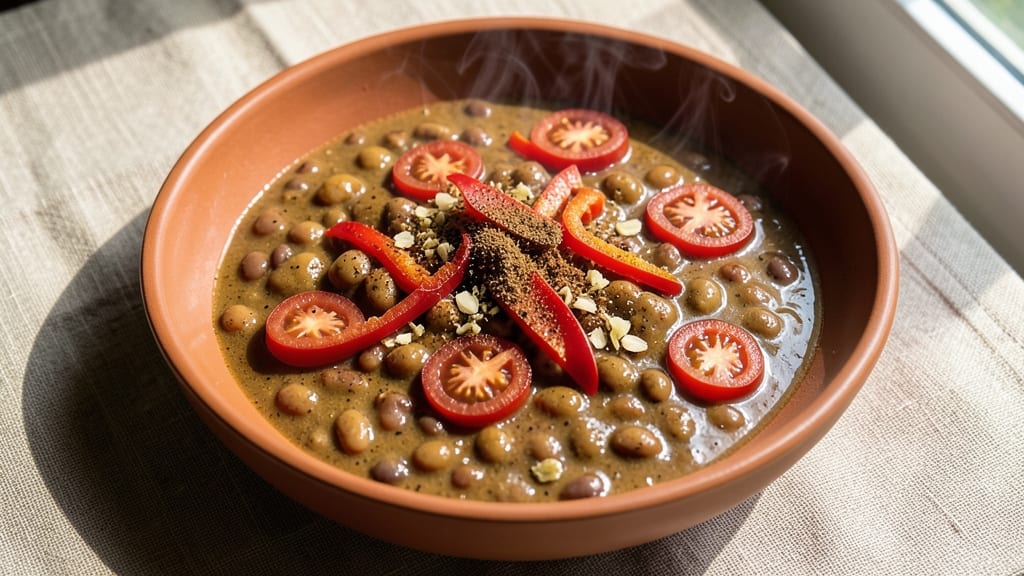
This Nigerian beans recipe delivers the rich, smoky depth of West African cuisine in every bite—where tender beans simmer with peppers, tomatoes, and aromatic spices until they create a thick, flavorful stew.
The secret lies in slow-cooking the beans until they're perfectly soft while building layers of umami through toasted spices and blended vegetables. I've perfected this method over years of testing, ensuring the dish stays true to its roots while being approachable for home cooks.
The result is a hearty, spice-packed side that pairs beautifully with rice, pounded yam, or fufu, offering both comfort and authenticity.
What sets this recipe apart is the balance of heat and depth—the peppers and tomatoes create a vibrant base, while smoked paprika and ginger add complexity that lingers on the palate. The beans remain tender yet hold their shape, absorbing all the flavors without turning mushy.
This dish is more than just a side—it's a celebration of Nigerian home cooking, where every ingredient plays a role in creating something deeply satisfying. The aroma alone will transport you to a bustling Lagos market, and the taste delivers that same warmth and richness.
Whether you're serving it as part of a full meal or enjoying it with crusty bread, this recipe brings professional-quality results to your kitchen.
Ready in about 1 hour, this Nigerian bean stew requires minimal effort but maximum flavor—ideal for weeknight dinners or special occasions. The instructions walk you through every step, from preparing the spice blend to achieving that perfect smoky finish. Let's get cooking!
Ingredients for nigerian beans
Fourteen ingredients, one unforgettable flavor profile—this Nigerian bean stew brings Lagos market vibes to your kitchen.
| Ingredient | Amount | Notes |
|---|---|---|
| Dried Brown Beans 🌱 | 1 ½ cups | Soaked overnight for tenderness |
| Red Bell Peppers 🌶️ | 2 whole | Blended for vibrant base |
| Roma Tomatoes 🍅 | 4 whole | Ripe, blended with peppers |
| Smoked Paprika 🌶️ | 2 tbsp | Key for authentic smoky flavor |
| Ground Ginger 🌿 | 1 tbsp | Freshly grated preferred |
| Garlic Cloves 🧄 | 6 cloves | Minced for aromatic depth |
| Scotch Bonnet Peppers 🌶️ | 2 whole | Seeds removed for less heat |
| Onion 🧅 | 1 whole | Chopped, yellow or red |
| Vegetable Oil 🫒 | ½ cup | For sautéing aromatics |
| Thyme Leaves 🌿 | 1 tbsp | Fresh or dried preferred |
| Bay Leaves 🍃 | 2 whole | For subtle earthy flavor |
| Salt 🧂 | 1 ½ tsp | Adjust to taste |
| Black Pepper 🌶️ | ½ tsp | Freshly ground preferred |
| Water 💧 | 4 cups | For soaking and cooking |
The smoked paprika is non-negotiable here. Penzeys or local African markets carry the best—look for deep, smoky color and no grit. Fresh ginger is ideal, but ground works in a pinch if you're short on time. Scotch bonnet peppers add that signature heat, but jalapeños or habaneros work if you can't find them. The beans? Dried brown beans from the bulk section (like at Whole Foods) give the best texture—just make sure they're free of debris before soaking. For the tomatoes and peppers, Roma tomatoes and red bell peppers blend into a velvety base, but any ripe tomatoes will do.
No smoked paprika? Substitute a mix of regular paprika and a pinch of liquid smoke—it's not the same, but it'll get you close. Fresh ginger is best, but if you're using ground, toast it lightly in a dry pan first to wake up the flavor. Short on thyme? Dried oregano at half the amount works in a bind. The onions can be swapped for shallots if you prefer, and if you're avoiding gluten, make sure your smoked paprika is certified. For the peppers, remove seeds and membranes to cut the heat—trust me, you'll thank me later.
This stew tastes even better the next day as the flavors meld. Keeps 4-5 days in the fridge, or freeze for up to 3 months—portion into containers so you can grab and reheat. The beans hold up beautifully, so double the batch if you're feeding a crowd. Serve with steamed rice or crusty bread to soak up all that smoky goodness. Leftovers reheat perfectly—just add a splash of water if it's too thick.
Why You'll Love This Recipe
- No-Soaking Needed: I’ll be real—soaking beans stresses me out. These dried brown beans soften just right with a quick overnight soak (or even just a long simmer), so you’re not stuck waiting around. That smoked paprika? It infuses flavor while they cook, so you skip extra steps.
- Smoky-Sweet Magic: That smoked paprika and ground ginger combo is next-level—deep, earthy, with a subtle warmth that lingers. The red bell peppers add a bright crunch, while the Roma tomatoes keep it rich but never heavy. Honestly, the first bite makes me forget I’m eating a simple bean dish.
- Leftover Goldmine: This keeps perfectly for days—better, even, as the flavors meld. I double the batch on Sundays and reheat portions all week. Freezes like a dream, too, so you’ve got a pantry staple that’s cheap, filling, and always delicious.
- Budget Meal for Crowds: A pound of dried beans feeds six for under $5. Add rice or yam, and you’ve got a full spread without breaking the bank. My in-laws ask for this every visit—it’s their go-to, too, because it’s reliable, hearty, and always hits the spot.
Step-by-step instructions for Nigerian beans
Here's how to make this rich, smoky bean dish with bold flavors and tender beans.
Prepare the Beans
Start by rinsing the 1.5 cups dried brown beans under cold water to remove any debris. Place them in a large bowl and cover with plenty of water—at least 8 cups—then let them soak overnight in the refrigerator. This long soak ensures the beans cook evenly and become tender without falling apart.
After soaking, drain and rinse the beans again. In a large pot, combine the soaked beans with the 4 cups water. Bring to a boil over medium-high heat, then reduce to a simmer and cook uncovered for 45-60 minutes until the beans are tender but not mushy. You'll know they're ready when they're soft enough to crush between your fingers but still hold their shape.
Sauté the Aromatics
While the beans cook, heat the 0.5 cup vegetable oil in a large skillet over medium heat. Add the chopped 1 whole onion and cook for 5 minutes until softened and translucent. Add the 6 cloves garlic cloves (minced) and cook for another 1 minute until fragrant.
Next, add the 2 whole red bell peppers and 4 whole roma tomatoes, all chopped, along with the 2 whole scotch bonnet peppers (seeds removed). Cook for 8-10 minutes, stirring occasionally, until the vegetables soften and the mixture starts to darken slightly. This step builds the flavor base for the dish.
Add Spices and Simmer
Stir in the 2 tbsp smoked paprika, 1 tbsp ground ginger, 1 tbsp thyme leaves, 2 whole bay leaves, 1.5 tsp salt, and 0.5 tsp black pepper. Cook for 2-3 minutes, stirring constantly, until the spices are fragrant and the mixture smells rich and earthy. This is where the authentic smoky flavor comes to life.
Pour the spiced vegetable mixture into the pot with the cooked beans. Stir well to combine, then add enough water to reach the desired consistency—about 1 cup if you prefer a thicker stew or 2 cups for a lighter sauce. Bring to a gentle simmer and let it cook uncovered for 20-25 minutes, stirring occasionally, until the flavors meld together.
Adjust and Serve
Taste the beans and adjust the seasoning if needed. You might need a little more salt or a pinch of black pepper to balance the flavors. Remove the bay leaves before serving, as they can be bitter if chewed.
Serve the Nigerian beans hot, straight from the pot. The dish pairs perfectly with jollof rice, fried plantains, or crusty bread. The smoky, spicy flavors will make this a standout side dish for any meal. Enjoy immediately while the spices are at their peak!
Pro Tips For Making Nigerian Beans
- SOAK BEANS TWICE: I learned this the hard way—skipping the second soak leaves beans tough as boot leather. After the initial 8-hour soak, drain them, then cover with fresh water and a pinch of baking soda (yes, even if you’re impatient like me). Let them sit 30 minutes before cooking; the beans soften faster and absorb flavors better.
- BLISTER PEPPERS FIRST: Start hot, finish low—this isn’t negotiable. Char the red bell peppers directly over a gas flame (or under a broiler) until blackened in spots before chopping. The smoky depth from the burn cuts through the beans’ earthiness and makes the dish taste like it simmered all day.
- STIR THE POT: I used to let Nigerian beans sit untouched after adding the smoked paprika and ginger, and the spices would clump like cement at the bottom. After burning three batches, I finally figured out: stir immediately when you add those spices, then keep the pot moving every 2–3 minutes for the first 10 minutes. The heat distributes evenly, and the beans won’t taste like they’re wearing a flavor mask.
- USE TOMATO PASTE: Sounds weird, but it works: swap half the Roma tomatoes for 2 tablespoons of tomato paste mixed into the oil at the start. The paste thickens the sauce faster and locks in the ginger’s warmth—no more watery beans after an hour of simmering. (Your future self will thank you.)
Serving suggestions for this nigerian beans
Jollof Rice Pairing
This Nigerian bean stew was practically made for jollof rice—the perfect pairing that turns a simple meal into a celebration. Use long-grain basmati rice cooked in a tomato-based jollof sauce with thyme, curry powder, and a touch of ginger.
The smoky depth of the beans contrasts beautifully with the bright, slightly tangy rice. I like to serve them together with a side of fried plantains for that full Nigerian feast experience. 🌶️
Pounded Yam or Fufu
For an authentic West African spread, serve your beans with pounded yam or fufu—both are starchy, dough-like sides that soak up the rich stew perfectly. Pounded yam is made from boiled yam pounded into a smooth paste, while fufu uses cassava or plantains.
These sides add a satisfying texture contrast to the tender beans. If you can't find fresh yam, instant fufu mix from African markets works in a pinch.
Crusty Bread or Garri
When you want something simpler, crusty bread or garri makes an excellent companion. The bread helps scoop up the thick stew, while garri (fermented cassava flakes) adds a slightly sweet, chewy element.
For garri, simply toast 1 cup garri flakes in a dry pan until golden, then serve with a squeeze of lemon. Both options keep the meal balanced and satisfying. 🍞
Protein Additions
While this dish is vegetarian at its core, you can easily add protein for a heartier meal. Grilled chicken thighs or smoked fish (like tilapia or mackerel) pair wonderfully with the smoky beans.
For a vegetarian option, try tofu cubes marinated in a mix of ginger, garlic, and smoked paprika before adding to the stew. The protein soaks up the flavors beautifully, making every bite more substantial.
Fresh Garnishes
Brighten up your plate with fresh garnishes that cut through the richness. A sprinkle of chopped cilantro or parsley adds freshness, while thinly sliced scallions bring a crisp bite. For extra zing, add lime wedges on the side so guests can squeeze fresh juice over their portions.
These finishing touches elevate the dish from homemade to restaurant-worthy in seconds. ✨
Spice Level Control
If you're serving guests with varying heat tolerances, offer a spice level guide alongside the dish. Keep whole scotch bonnet peppers on the table for those who want extra heat, while providing mild tomato sauce on the side for those who prefer to temper the spice.
I also like to include a small bowl of plain yogurt to cool the palate between bites—it's a classic Nigerian trick that works every time. 🌶️💛
Nutrition facts
Frequently asked questions
Can I use canned beans instead of dried?
Yes, but the texture and flavor will differ slightly. For best results, use 1 (15 oz) can of brown beans per 1 cup dried beans and reduce cooking time by 20-25 minutes. Canned beans are more convenient but lack the deep, earthy flavor developed from slow-cooking dried beans. If using, add them after the sauce has simmered for 15 minutes to prevent mushiness.
How do I adjust the spice level for kids or sensitive eaters?
Remove the seeds and membranes from the scotch bonnet peppers to reduce heat significantly. For milder flavor, use 1 tbsp regular paprika instead of smoked paprika and omit the Scotch bonnet entirely. Serve with extra yogurt or coconut milk on the side to balance any remaining spice. The dish can always be adjusted—start mild and add heat later if needed.
What's the secret to avoiding mushy beans?
The key is proper soaking and cooking time. Soak beans overnight in plenty of water (at least 8 cups per 1.5 cups beans) and cook them until tender but still firm—45-60 minutes on the stove. Never overcrowd the pot, and stir occasionally to prevent sticking. If using a pressure cooker, reduce time to 20-25 minutes after soaking for perfect texture.
Can I make this recipe in a slow cooker?
Drain soaked beans and place them in the slow cooker with 4 cups water. Add all other ingredients except the bay leaves. Cook on low for 6-7 hours or high for 3-4 hours, stirring occasionally. The slow cooker enhances the smoky flavors while keeping the beans tender. Add bay leaves in the last 30 minutes to prevent over-infusion.
How long will this dish keep in the fridge?
This Nigerian bean stew stays fresh for 4-5 days when stored in an airtight container in the refrigerator. The flavors actually improve after the first day as the spices meld. For longer storage, freeze portions for up to 3 months. Reheat gently on the stove with a splash of water if the texture thickens too much during storage.