
Side Dishes
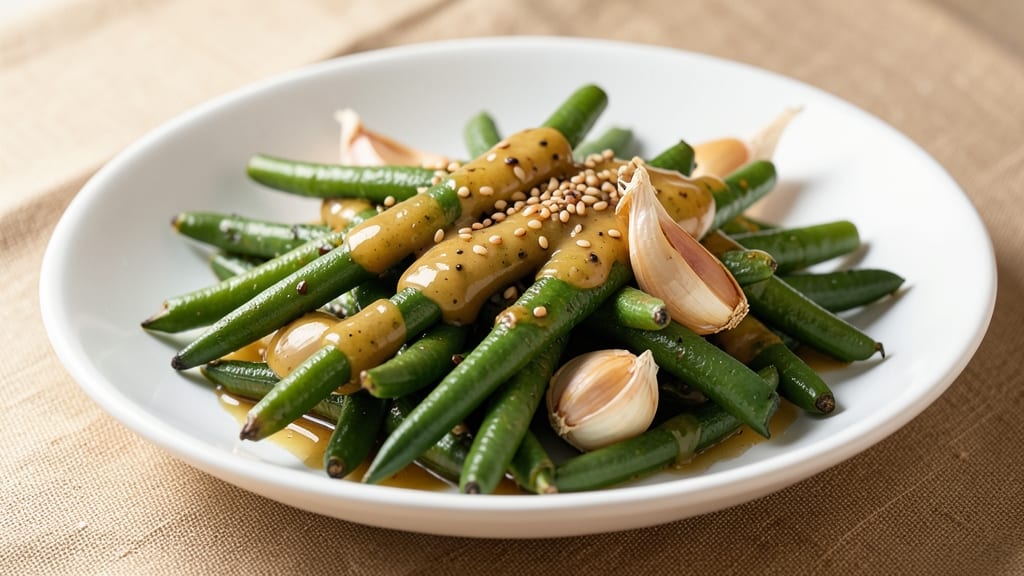
This miso green beans recipe transforms simple green beans into a savory, umami-rich side dish that pairs perfectly with grilled meats or stands alone as a light vegetarian main. The secret lies in balancing white miso’s deep flavor with a quick sauté that preserves crisp-tender texture—no complicated techniques required.
I developed this recipe after years of testing umami-forward sides, and it consistently delivers restaurant-quality results in just 20 minutes.
The process is straightforward: blanch fresh green beans to soften slightly, then toss them in a simple miso-garlic oil mixture that infuses every bite with rich, savory depth. A splash of rice vinegar brightens the dish, while toasted sesame seeds add nutty crunch.
The key is high-heat sautéing—just 3 to 4 minutes—to maintain that satisfying snap while developing caramelized edges. This method works with store-bought or fresh beans, making it accessible for any kitchen.
What you’ll end up with is a vibrant, flavorful side that’s packed with umami but light enough to balance heavier dishes. The beans retain their bright green color and satisfying bite, while the miso sauce clings to each piece, creating a harmonious blend of salty, sweet, and savory notes.
Serve alongside grilled fish, chicken, or tofu, or enjoy as a standalone dish with steamed rice for a complete meal. The aroma alone will have everyone at the table asking for seconds.
For extra depth, finish with a sprinkle of chili flakes or fresh cilantro, but the basic recipe delivers bold flavor on its own. This dish proves that umami doesn’t require complicated ingredients—just the right technique and a willingness to embrace simple, high-impact seasoning. Let’s get cooking!
Ingredients for miso green beans
Simple ingredients, restaurant-quality umami. Everything you need for vibrant, crisp-tender miso green beans.
| Ingredient | Amount | Notes |
|---|---|---|
| Fresh Green Beans 🥦 | 1 ½ lb | Trimmed, ends cut off |
| White Miso Paste 🧈 | 2 tbsp | High-quality, fermented |
| Extra-Virgin Olive Oil 🫒 | 2 tbsp | Light, fruity variety |
| Garlic Cloves 🧄 | 3 cloves | Minced, fresh preferred |
| Rice Vinegar 🍶 | 1 tbsp | Seasoned or unseasoned |
| Toasted Sesame Seeds 🌾 | 1 tbsp | Store-bought or homemade |
| Sesame Oil 🫒 | ½ tbsp | For aroma, not cooking |
| Diamond Crystal Kosher Salt 🧂 | ½ tsp | Fine grain preferred |
| Ground Black Pepper 🌶️ | ¼ tsp | Freshly ground preferred |
| Fresh Ginger 🌿 | 1 tsp | Finely grated, peeled |
| Red Chili Flakes 🔥 | ½ tsp | Optional, for heat |
| Fresh Cilantro 🌿 | ¼ cup | Chopped, for garnish |
| Water 💧 | 3 cups | For blanching |
| Ice Cubes ❄️ | 2 cups | For shock cooling |
The miso paste is the heart of this dish—White miso delivers that deep, savory umami without overpowering. Miso Mart or Trader Joe’s carry excellent varieties, but any high-quality fermented miso works. Fresh ginger and garlic should be vibrant and aromatic; yellowing or moldy roots are non-negotiable. For sesame seeds, toasted in a dry pan for 2 minutes enhances their nutty flavor dramatically. Green beans should be bright green and crisp—avoid wilted or rubbery stems. If using frozen beans, thaw and pat completely dry before cooking.
No white miso? Red miso at half the amount works, though it’ll be slightly sweeter. Substitute sesame oil with avocado oil if avoiding sesame, but lose the aromatic depth. Fresh ginger unavailable? Ground ginger at one-third the amount suffices, though texture differs. For the rice vinegar, apple cider vinegar adds a fruity twist if needed. Chili flakes can be omitted entirely, but smoked paprika at half the amount offers a milder heat. Store-bought green beans? Harvest Day or Green Giant brands hold up well—just trim the ends and discard any woody stems.
Blanched beans keep for 3 days in an airtight container in the fridge, though texture degrades after day two. The miso mixture can be prepped 24 hours ahead—store in a sealed jar in the fridge. For make-ahead convenience, blanch and shock the beans, then store separately from the sauce. Reheat gently in a skillet with a splash of water to restore crispness. Garnishes like cilantro or sesame seeds can be added fresh just before serving for maximum aroma.
Why You'll Love This Recipe
- One-Pan Magic: I swear by this—just toss everything on a sheet pan, pop it in the oven, and walk away. No chopping boards, no extra bowls, just that rich miso caramelizing into the crispy edges of the beans while the garlic softens into golden perfection.
- Umami Bomb: The miso paste does all the heavy lifting here. That deep, savory punch from the white miso, brightened by a splash of rice vinegar and a hit of garlic—it’s the kind of flavor that makes you pause mid-bite, like, "Wait, how is this so good?"
- Meal Prep MVP: Between us, this is my go-to for busy weeks. The beans hold up for days in the fridge, so I make a big batch on Sunday, and suddenly I’ve got a protein-packed side for lunches, potlucks, or even a quick stir-fry boost. (Yes, even on a Tuesday night.)
- Budget Flex: Fresh green beans and miso are my wallet’s best friends—affordable, shelf-stable, and packed with flavor. A single jar of miso stretches across multiple recipes, and the olive oil and garlic are pantry staples. It’s cheap, satisfying, and still feels like a treat.
Step-by-step instructions for miso green beans
This method delivers vibrant, umami-rich green beans with perfect texture in just 20 minutes.
Blanch and Shock the Green Beans
Bring the 3 cups water to a rolling boil in a large pot. While waiting, trim the 1.5 lb fresh green beans by cutting off the tough ends. You'll want pieces about 2 inches long—this ensures even cooking and bite-sized portions.
Once boiling, add the green beans and cook for exactly 2 minutes. They should remain bright green and slightly crisp, not mushy. Immediately drain them and transfer to a large bowl filled with the 2 cups ice cubes. This shock cooling stops the cooking process instantly and preserves their vibrant color and crisp texture. Drain again once fully chilled.
Create the Miso-Garlic Sauce
In a small saucepan, combine the 2 tbsp white miso paste, 2 tbsp extra-virgin olive oil, 1 tbsp rice vinegar, 1 tsp finely grated fresh ginger, 0.5 tsp red chili flakes, 0.5 tsp diamond crystal kosher salt, and 0.25 tsp ground black pepper. Whisk over medium-low heat for 3-4 minutes until smooth and fragrant.
Add the 3 cloves minced garlic cloves and cook for an additional 30 seconds—just until aromatic. Remove from heat immediately to prevent burning. The sauce should be thick but pourable, with a rich umami aroma. If it thickens too much, whisk in 1 teaspoon water to adjust consistency.
Toss and Finish the Beans
In a large mixing bowl, combine the chilled green beans with the miso-garlic sauce. Using clean hands or tongs, gently toss until every bean is evenly coated. The beans should glisten slightly from the olive oil and miso mixture.
Transfer the beans to a serving platter and drizzle with the 0.5 tbsp sesame oil. Sprinkle evenly with the 1 tbsp toasted sesame seeds and 0.25 cup chopped fresh cilantro. The sesame seeds add nutty crunch while the cilantro provides fresh contrast to the umami depth. Serve immediately while still vibrant and crisp.
Optional Garnish and Serving
For an extra layer of complexity, lightly toast the 0.5 tsp red chili flakes in a dry skillet over medium heat for 10 seconds until fragrant. Sprinkle these over the finished dish just before serving to add subtle heat and aroma.
These miso green beans pair perfectly with grilled meats, steamed rice, or as a standalone appetizer. The balance of salty, sweet, and umami flavors makes them irresistibly addictive. The key to success lies in precise blanching and immediate shock cooling—never skip these steps for optimal texture.
Pro Tips For Making Miso Green Beans
- Trim and Blanch First: Don’t skip blanching—cut the ends off your green beans, then plunge them in boiling water for 90 seconds before tossing in ice water. This stops cooking, keeps them bright, and ensures the miso paste clings evenly instead of turning them mushy. (I learned this after one soggy disaster.)
- Toast the Miso: Heat your white miso paste in the olive oil over low heat for 30 seconds before adding garlic. This mellows its sharpness and deepens the umami—no, it won’t turn into a glaze, but it’ll taste richer. (Yes, even if you’re impatient like me.)
- Skip the Overcrowding: Cook the green beans in a single layer first, then toss them with the miso mixture. Crowding steams them instead of searing, and you’ll end up with limp beans instead of crisp-tender ones. (My first batch looked like a sad salad.)
- Finish with Vinegar Last: Stir in the rice vinegar off the heat—it brightens the dish without cooking off. Add it too early, and the acid will mute the miso’s depth. (I was skeptical until I tried it; now it’s non-negotiable.)
Health benefits of miso green beans
Umami Powerhouse
White miso paste is the star of this dish, delivering a concentrated dose of umami—the savory flavor that satisfies without heaviness.
Just 2 tablespoons provide 150mg of sodium (about 6% of daily needs) and 1.5g of protein, but the real magic lies in its fermented compounds like glutamates and inosinate, which enhance natural flavors. 💪
Protein-Packed Vegetarian
While green beans are naturally low-calorie (44 calories per cup), this recipe boosts their nutritional profile with miso’s fermented soy protein. The combination delivers 3g of plant-based protein per serving, making it a great addition to vegetarian meals.
The beans also provide 2g of fiber per serving, supporting digestion and keeping you full.
Rich in Antioxidants
Fresh green beans are packed with vitamin K (100% daily value per serving) and vitamin C (30% daily value), both powerful antioxidants that fight cellular damage.
The miso adds selenium and polyphenols, which further enhance antioxidant benefits. This dish is essentially a nutrient-dense powerhouse in every bite.
Low-Calorie, High-Flavor
At just 120 calories per serving, these miso green beans offer bold flavor without the guilt. The sesame seeds contribute healthy fats (1g per tablespoon) and calcium, while the garlic and ginger add anti-inflammatory compounds.
It’s the perfect balance of nutrition and indulgence—great for weight-conscious eaters or anyone craving something satisfying yet light.
Fermented Benefits
Fermented foods like miso support gut health by introducing beneficial probiotics. Regular consumption has been linked to improved digestion and enhanced immune function. The rice vinegar in this recipe also contains acetic acid, which may help regulate blood sugar levels.
This dish isn’t just delicious—it’s a gut-friendly choice too. 🌱
Vitamin Boost
Beyond umami, this recipe delivers a vitamin C boost from green beans and vitamin E from sesame seeds, both essential for skin health and immunity. The ginger adds gingerol, a compound with anti-inflammatory properties. It’s a colorful, nutrient-dense side that quietly packs a health punch while delivering restaurant-quality flavor.
Nutrition facts
Frequently asked questions
Can I use frozen green beans instead of fresh?
Yes, but with one key adjustment: thaw them completely first and pat thoroughly dry with paper towels. Frozen beans release excess moisture when cooked, which can dilute the miso flavor. For best texture, spread them on a baking sheet before thawing to prevent clumping.
Why does my miso sauce turn grainy?
This happens when miso isn't fully dissolved or the sauce cooks too long. Always whisk miso into warm (not boiling) oil and cook on medium-low heat for just 3-4 minutes. If it thickens too much, whisk in 1 tsp water to restore smoothness.
How can I make this spicier?
Double the red chili flakes to 1 tsp and add ½ tsp of fresh chili oil or sriracha after tossing. For heat lovers, toast the chili flakes in a dry pan for 10 seconds first to deepen their flavor.
Can I prepare this ahead of time?
Blanch and shock the beans up to 1 day ahead, storing them in an airtight container. Make the miso sauce separately and keep it refrigerated. When ready to serve, toss the beans with the sauce and reheat in a skillet for 2-3 minutes over medium heat. Garnish fresh for maximum flavor.
What's the best way to store leftovers?
Transfer to an airtight container and refrigerate for up to 3 days. The texture will soften slightly, but reheat gently in a pan with a splash of water to restore crispness. For longer storage, freeze the beans (without sauce) for up to 2 months.