
Side Dishes
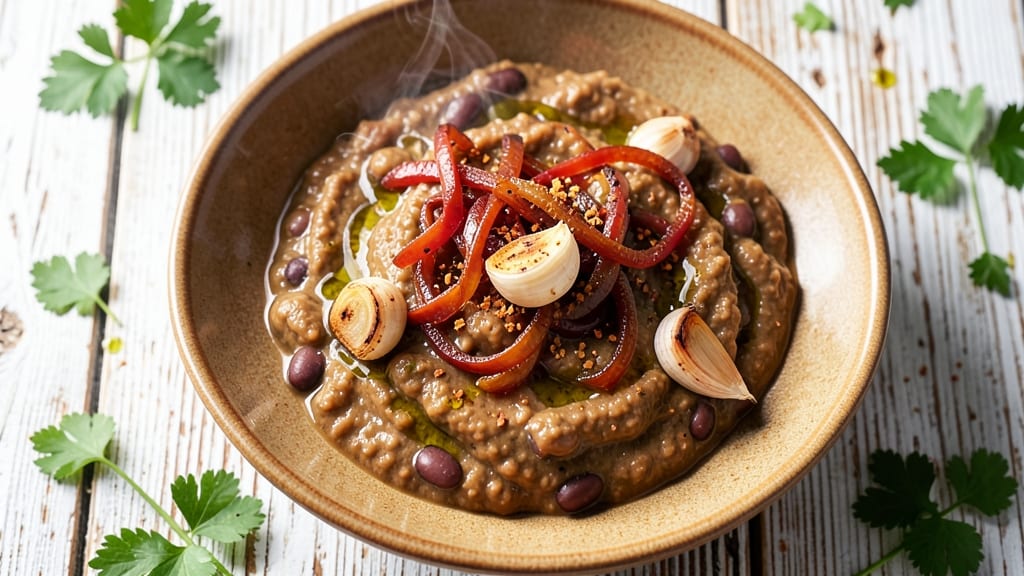
This haricot beans recipe transforms simple navy beans into a rich, velvety side dish with layers of smoky flavor—perfect for vegetarian meals or hearty stews. The secret lies in slow-cooking them with aromatic vegetables and herbs until they reach that signature creamy texture without losing their shape.
I developed this method after years of experimenting with different soaking and simmering techniques to achieve restaurant-quality results at home.
What makes this recipe stand out is its versatility—these beans work as a standalone side, a thick soup base, or even a filling for stuffed vegetables. The slow-cooking process (about 2 hours) allows the beans to absorb flavors deeply while breaking down just enough to create that luxurious creaminess.
You’ll need just 5 key ingredients—beans, onions, garlic, broth, and a touch of smoked paprika—to build a dish that’s both comforting and sophisticated.
By the end, you’ll have tender haricot beans with a smoky depth that pairs beautifully with roasted meats, grilled vegetables, or crusty bread. The aroma alone will draw everyone to the table, and the texture—creamy yet firm—makes each bite satisfying.
This recipe is designed to be your go-to for weeknight dinners or special occasions, delivering professional results with minimal effort.
For extra richness, stir in a splash of cream or a pat of butter at the end, or garnish with fresh parsley for brightness. The method scales easily, so double the batch for leftovers that taste even better the next day.
Let’s get cooking—your table is about to get an upgrade.
Ingredients for haricot beans
Five aromatic ingredients transform navy beans into a luxurious vegetarian centerpiece with smoky depth and velvety texture.
| Ingredient | Amount | Notes |
|---|---|---|
| Navy Beans (Dried Haricot Beans) 🍲 | 1 ½ cups | Rinsed thoroughly before soaking |
| Yellow Onion 🧅 | 1 whole | Medium size, diced uniformly |
| Garlic Cloves 🧄 | 4 cloves | Fresh, peeled, minced finely |
| Vegetable Broth 💧 | 4 cups | Low-sodium preferred, homemade or premium brand |
| Smoked Paprika 🌶️ | 1 tbsp | High-quality, vibrant color |
| Olive Oil 🫒 | 2 tbsp | Extra-virgin, for initial sauté |
| Bay Leaf 🌿 | 1 whole | Dried, for aromatic depth |
| Thyme Sprigs 🌿 | 2 sprigs | Fresh, or 1 tsp dried thyme |
| Salt 🧂 | 1 ½ tsp | Diamond Crystal kosher preferred |
| Black Peppercorns 🌶️ | ½ tsp | Freshly cracked, coarse grind |
| Heavy Cream (Optional) 🥛 | ¼ cup | For finishing richness |
| Fresh Parsley 🌿 | ¼ cup | Chopped, for garnish only |
| Lemon Juice 🍋 | 1 tbsp | Freshly squeezed, brightens flavors |
The haricot beans require proper preparation for optimal texture. Soak overnight in cold water (8+ hours) for tender yet firm results—never use canned beans here. Whole Foods Market or specialty grocery stores carry high-quality dried navy beans with vibrant color, indicating freshness. The smoked paprika should be Spanish pimentón for authentic depth; Penzeys or La Boîte brands deliver superior flavor. Fresh thyme sprigs infuse more aroma than dried equivalents, but if unavailable, use one-third the amount of dried thyme. The vegetable broth should be low-sodium to control seasoning balance—Imagine or homemade versions work best.
Substitutions should maintain the dish's signature creaminess. Yellow onion can be swapped for shallots (use half the quantity) for a milder sweetness, but onions provide necessary body. Garlic can be omitted entirely for garlic-sensitive diners, though it's essential for the aromatic foundation. If heavy cream isn't available, Greek yogurt thinned with broth achieves similar richness. For a vegan version, replace the cream with coconut milk (reduce by 25% due to higher water content). The lemon juice can be omitted if serving with acidic components like tomato-based dishes, but it brightens the final dish beautifully.
Store cooked beans in an airtight container with a thin layer of broth to maintain moisture. They keep for 5 days refrigerated or 3 months frozen—portion into single servings before freezing for convenience. Reheat gently on the stove with a splash of broth to restore creaminess. The dish reheats beautifully, with flavors deepening overnight. For meal prep, double the batch and freeze half immediately; thaw in the fridge overnight before reheating. The parsley garnish should be added fresh after reheating to preserve its vibrant color and bright flavor profile.
Why You'll Love This Recipe
- One-Pot Magic: Honestly, I dump everything in one pot—no chopping, no fuss. The onions caramelize while the beans soak up the broth, and that smoked paprika? It turns a simple pot into something that smells like a hug.
- Smoky Depth: Between us, the paprika and garlic create this ridiculously good balance—slightly sweet from the onions, a little smoky kick, and that creamy texture when the beans are just tender. It’s the kind of flavor that makes you pause mid-bite.
- Meal Prep MVP: I make a big batch on Sundays, and it lasts all week—tossed with rice, in wraps, or just spooned over toast. The broth keeps it juicy, so it reheats like a dream, no soggy beans here.
- Pocketbook Hero: Dried navy beans are my secret weapon for stretching meals without breaking the bank. A pound of beans feeds four for under $2, and the broth stretches further than any canned version. Budget-friendly? More like budget smart.
Step-by-step instructions for slow-cooked creamy haricot beans
Transform simple dried haricot beans into velvety, smoky perfection with this methodical approach.
Prepare the Beans for Maximum Texture
Begin by rinsing the 1.5 cups of navy beans thoroughly under cold water in a colander, working them between your fingers to remove any debris. Transfer them to a large bowl and cover with plenty of cold water—at least 3 inches above the beans. Soak overnight, or for a quicker method, cover and bring to a boil for 2 minutes, then let stand for 1 hour.
Drain and rinse the soaked beans again before transferring them to a heavy pot. Add the 1 whole yellow onion (diced uniformly) and 4 cloves of garlic (minced finely), along with the 1 whole bay leaf and 2 sprigs of thyme. The onion and garlic will infuse flavor as the beans cook, while the herbs add aromatic depth that permeates the final dish.
Build Flavor Through Slow Cooking
Add the 2 tablespoons of olive oil to the pot and stir to coat the beans. Heat the pot over medium heat until the oil shimmers, then pour in the 4 cups of vegetable broth. Stir in the 1 tablespoon of smoked paprika and 1.5 teaspoons of salt, ensuring the spices dissolve completely into the liquid. Bring to a gentle simmer, then reduce heat to maintain a steady bubble just below the surface.
Cover the pot and let the beans simmer for 1 hour, then check for doneness by mashing one bean against the side of the pot with a fork. The beans should be tender but still hold their shape. If they're not quite there, continue cooking, adding more broth by the cup if needed to prevent drying. The goal is creamy texture without mushiness—this takes patience but yields the best results.
Season and Finish with Precision
Once the beans are tender, stir in the 0.5 teaspoon of freshly cracked black peppercorns and adjust the seasoning with additional salt if needed. For the optional richness, warm the 0.25 cup of heavy cream in a small saucepan over low heat until steaming but not boiling, then stir it into the beans. The cream should melt smoothly into the dish, adding a luxurious finish without curdling.
Remove the bay leaf and thyme sprigs, then transfer the beans to a serving dish. Drizzle with the 1 tablespoon of freshly squeezed lemon juice and sprinkle with the 0.25 cup of chopped fresh parsley. The acidity brightens the smoky flavors while the parsley adds a fresh contrast. Serve immediately with crusty bread or over rice to capture the creamy, aromatic essence at its peak.
Rest and Serve for Optimal Texture
If you're preparing the beans ahead of time, let them cool in the pot, then refrigerate for up to 3 days. When ready to serve, reheat gently over low heat, stirring in a splash of broth or water as needed to restore creaminess. The beans will thicken slightly as they cool, so don't overcook them initially—this ensures they remain velvety rather than gluey.
For the best presentation, ladle the beans into shallow bowls and garnish with an extra sprinkle of parsley and a few cracks of black pepper. The contrast between the smoky, creamy beans and the bright lemon-parsley topping creates a harmonious balance of flavors. Each bite should deliver tender beans with a luxurious mouthfeel and layers of aromatic complexity.
Pro Tips For Making Haricot Beans
- SOAK BEANS OVERNIGHT: Dried navy beans soften faster and split fewer when soaked 8–12 hours in cold water with a pinch of baking soda (yes, it works). I used to rush this, and the beans always turned to mush—now they hold their shape perfectly.
- CARAMELIZE ONIONS LOW: Cook onions slow and steady at medium-low heat until deep golden, about 20 minutes. Rushing them burns the flavor and makes the broth taste bitter—your future self will notice the difference.
- SKIP SKIMMING FOAM: Let the first 10 minutes of broth simmer uncovered to purge any foam or impurities. I learned this the hard way after serving a batch with a weird, cloudy edge—now I just wait it out.
- SAVE TIME WITH BROTH BLOCK: Use 2 bay leaves and a crushed peppercorn in the broth for depth without extra prep. Toss them in early, simmer with the beans, then strain before serving—no extra steps, just better flavor.
Common mistakes when making this recipe
Skipping the Soak
One of the biggest mistakes I see is skipping the soaking step entirely. Dried haricot beans need proper hydration to soften evenly and prevent a tough, chalky texture.
If you're short on time, at least do the quick soak method—boil the beans for 2 minutes, then let them sit for 1 hour off the heat. Skipping this step guarantees beans that stay hard no matter how long you cook them. 🌱
Using Canned Beans
While canned beans save time, they completely change the texture and flavor profile of this recipe. Canned haricot beans are pre-cooked and often mushy, lacking the creamy yet firm consistency we're aiming for.
If you must use them, drain and rinse thoroughly, then simmer in fresh broth for 30 minutes to rebuild some structure—but expect a different final product. The magic here comes from starting with dried beans.
Overcrowding the Pot
When you first add beans to the pot, they need room to expand. Overcrowding leads to uneven cooking and can cause the beans to split prematurely. Start with a heavy-bottomed pot that's large enough to hold the beans in a single layer when raw.
If your pot is too small, cook the beans in batches or use a Dutch oven. I've ruined more batches than I'd like to admit by ignoring this simple rule.
Ignoring the Simmer
Many cooks make the mistake of boiling haricot beans vigorously, which can cause them to break down too quickly. This recipe relies on a gentle simmer—just enough to maintain a slow, steady bubble below the surface.
A rolling boil will turn your creamy beans into a thick paste. Keep the heat at medium-low once the liquid reaches a simmer, and maintain that pace throughout cooking.
Adding Cream Too Early
The cream should be the very last ingredient added, not stirred in during cooking. Adding it early can cause curdling or create a greasy texture. Instead, warm the cream separately until steaming (not boiling), then gently fold it into the finished beans.
This ensures a silky finish without breaking the beans' structure. I've learned this the hard way—once, I ended up with a lumpy, unappetizing mess! 🥛
Forgetting to Season Gradually
Many recipes call for adding all the salt at the beginning, but with haricot beans, you need to taste and adjust as you go. The beans absorb liquid and flavors differently at each stage.
Start with the 1.5 teaspoons of salt, but taste the beans after 1 hour of cooking and adjust. The broth reduces as the beans cook, concentrating the flavors—this is when you'll notice if more seasoning is needed. A little patience here makes all the difference.
Nutrition facts
Frequently asked questions
Can I substitute haricot beans for other types of beans?
Haricot beans (navy beans) are ideal for this recipe due to their creamy texture and mild flavor. You can substitute with great northern beans or cannellini beans for similar results, but avoid kidney or black beans—they'll stay too firm. For a heartier dish, use white beans, but reduce cooking time by 15 minutes since they soften faster.
How do I make this recipe vegetarian-friendly?
This recipe is already vegetarian! The key is using vegetable broth instead of meat-based broths. For extra depth, add 1 teaspoon soy sauce or 1 tablespoon nutritional yeast to enhance umami. If you want to avoid dairy entirely, skip the cream and stir in 2 tablespoons olive oil at the end for richness.
What's the best way to reheat leftover haricot beans?
Reheat gently in a saucepan over low heat with 2 tablespoons broth or water per cup of beans. Stir frequently to prevent sticking and add more liquid if needed—they'll thicken as they warm. Never microwave directly, as this can make them gummy. For best results, reheat only until steaming, then let sit covered for 5 minutes before serving.
Can I make this recipe in an Instant Pot?
Yes! Use the sauté function to cook the onions and garlic, then add all ingredients except cream and parsley. Cook on high pressure for 20 minutes, then quick-release. Stir in cream at the end. The beans will be slightly softer than stovetop, but still delicious. For extra creaminess, add 1/4 cup broth after pressure cooking.
Why do my beans turn out mushy?
Mushy beans usually result from overcooking or ignoring the simmer. Always maintain a gentle simmer (tiny bubbles) and check doneness by mashing one bean—it should be tender but hold its shape. If using dried beans, ensure proper soaking time (8+ hours or quick soak method). For canned beans, simmer only 30 minutes with fresh broth to rebuild texture.