Side Dishes
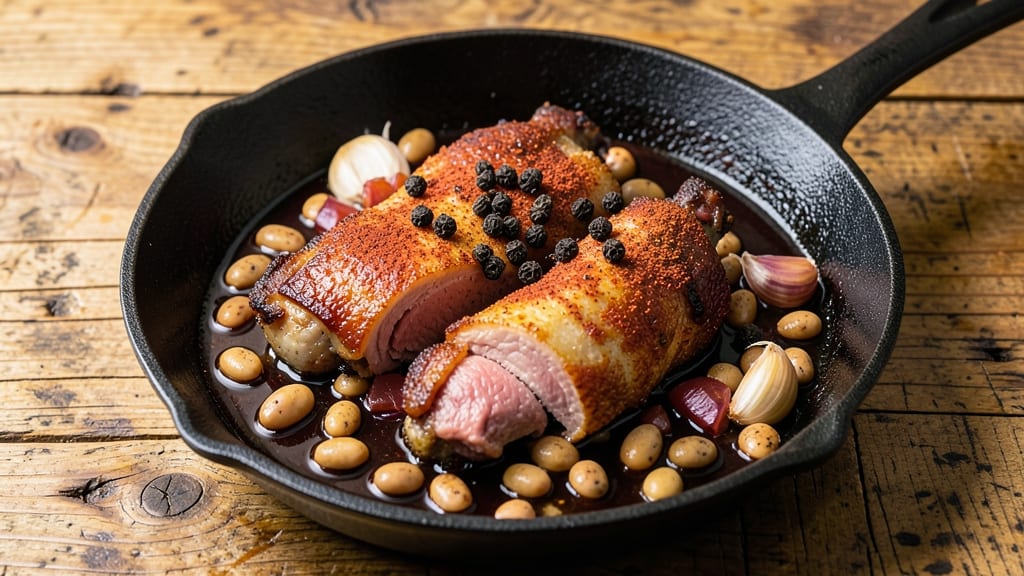
This ham hocks and canned beans recipe transforms humble pantry staples into a deeply satisfying, one-pot meal that tastes like a Sunday supper. The secret lies in slow-cooking the ham hocks until they're fall-off-the-bone tender, infusing the beans with smoky, savory depth that turns simple canned beans into something extraordinary.
I first discovered this method during a particularly chilly winter when I needed a dish that would feed my family without requiring hours in the kitchen.
The beauty of this recipe is its simplicity—just a few ingredients, minimal prep, and a single pot that does all the work. You'll start with ham hocks, simmered until their collagen dissolves into the broth, creating a rich, velvety sauce that coats every bean.
The spices—smoked paprika, garlic, and a touch of cayenne—build layers of flavor that make this dish taste homemade, even when using canned beans. It's the kind of meal that feels indulgent but comes together effortlessly.
By the time you're done, you'll have a pot of tender ham hocks, perfectly seasoned beans, and a broth so flavorful it deserves to be ladled over rice or cornbread.
The aroma alone will have everyone gathering at the table, and the first bite delivers that perfect balance of smoky, salty, and slightly sweet. This is comfort food at its finest—warm, hearty, and impossible to resist.
Whether you're feeding a crowd or meal prepping for the week, this recipe scales beautifully. The leftovers taste even better the next day, making it ideal for busy schedules. Let's get started on creating this one-pot masterpiece that brings smoky-spiced comfort to your table.
Ingredients for ham hocks and canned beans
Six simple ingredients transform into a rich, smoky one-pot meal that tastes like Sunday supper.
| Ingredient | Amount | Notes |
|---|---|---|
| Ham Hocks 🍖 | 2 lb | Uncooked, skin-on preferred |
| Canned Pinto Beans 🌱 | 4 cans | 15 oz each, drained |
| Onion 🧅 | 1 whole | Yellow or red, chopped |
| Garlic Cloves 🧄 | 6 cloves | Minced, fresh preferred |
| Smoked Paprika 🌶️ | 2 tbsp | For authentic smoky flavor |
| Ground Black Pepper 🌶️ | 1 tsp | Freshly cracked for best flavor |
| Cayenne Pepper 🔥 | ½ tsp | Adjust for heat preference |
| Bay Leaves 🌿 | 2 whole | For aromatic depth |
| Apple Cider Vinegar 🍋 | 2 tbsp | Brightens flavors |
| Salt 🧂 | 1 ½ tsp | Kosher or sea salt |
| Water 💧 | 6 cups | Or low-sodium chicken broth |
| Olive Oil 🫒 | 1 tbsp | For searing ham hocks |
| Fresh Thyme 🌿 | 1 tbsp | Or 1 tsp dried thyme |
The ham hocks are the star here—look for skin-on at your butcher or grocery store's meat counter. Costco or Trader Joe's usually carry them year-round, but if you can't find them, substitute smoked ham shanks. The skin adds extra flavor when it renders down. For best results, grab a couple of pounds—you want that deep, collagen-rich broth. If they're frozen, thaw overnight in the fridge; no need to defrost them completely, just get them loose from the ice. The beans? Canned pinto beans work perfectly, but if you've got black beans or kidney beans, use those instead—they'll just need a little more seasoning.
No smoked paprika? Substitute half the amount with regular paprika plus a pinch of liquid smoke—it's a game changer. Fresh thyme is ideal, but if you're using dried, cut the amount in half. The apple cider vinegar might sound odd, but trust me—it cuts through the richness and makes the flavors pop. Short on time? Use low-sodium chicken broth instead of water, but add an extra pinch of salt. The cayenne is optional, but if you love heat, add a little more. For extra depth, toss in a crushed red pepper flake or two with the spices. And if you're feeling fancy, a splash of bourbon or whiskey at the end adds a smoky-sweet note that's pure comfort.
This dish gets better as it sits—plan to simmer it for at least 2 hours, but 3-4 hours is ideal for maximum tenderness. Store leftovers in the fridge for up to 5 days or freeze for 3 months. I like to portion it into containers with a side of cornbread or rice for easy lunches. The broth alone is worth saving—use it for rice, mashed potatoes, or even a quick soup. If you make a big batch, freeze individual portions in ziplock bags with a splash of water to keep it moist. Reheat gently on the stove or microwave until steaming hot.
Why You'll Love This Recipe
- Pantry Magic: I swear, this dish is my go-to when I forget to shop. Ham hocks and canned beans? That’s it—no fresh produce panic, no last-minute grocery runs. The onions and garlic I always have on hand, and the smoked paprika adds depth without extra effort. Honestly, it’s the kind of meal that makes me feel like a hero just for opening a can.
- Deep, Smoky Goodness: The ham hocks melt into the beans, turning them into this rich, savory stew that tastes like it simmered all day. That smoked paprika? It’s the secret weapon—warm, earthy, and just a little bit smoky, like a hug in a bowl. I’ll be real: the first bite makes me pause and think, "Wait, this is actually good."
- Leftovers That Shine: This recipe doubles (or triples) perfectly, and the flavor only gets better the next day. I’ve served it cold in sandwiches, reheated it for breakfast hash, even tossed it into a pot of rice for a lazy Sunday. Between us, my freezer is full of these leftovers because they’re too good to waste.
- Budget-Friendly Feast: Ham hocks are cheap, canned beans last forever, and a single onion and a few garlic cloves stretch this into a full meal. I feed my whole family—plus a couple of neighbors—for under $10. It’s not fancy, but it’s solid, reliable, and never lets anyone down. My secret weapon for when money’s tight.
Step-by-step instructions for smoky-spiced ham hocks and beans
This one-pot wonder delivers deep, smoky comfort with minimal effort—just follow along.
Sear the Ham Hocks for Rich Flavor
Heat a large Dutch oven over medium-high heat and add the 1 tablespoon olive oil. Once shimmering, place the 2 lb ham hocks skin-side down and sear for 8-10 minutes until the skin is deeply golden and crispy in spots. This step builds incredible flavor through the Maillard reaction—don't rush it, even if it means searing in batches.
Flip the ham hocks and continue searing for another 4-5 minutes until all sides are well-browned. Remove them from the pot and set aside temporarily. You'll notice the fat beginning to render—this golden liquid is packed with flavor that will infuse your beans. If the pot gets too smoky, crack the lid slightly to let steam escape, but don't walk away.
Build the Spiced Base with Onion and Garlic
In the same Dutch oven, add the chopped whole onion and cook over medium heat for 5-6 minutes until softened and starting to caramelize at the edges. This step develops natural sweetness that balances the smoky flavors. Stir occasionally to prevent burning, especially around the edges where food tends to stick.
Add the 6 minced garlic cloves and cook for another 1 minute until fragrant. Here's where the magic happens: sprinkle in the 2 tablespoons smoked paprika, 1 teaspoon ground black pepper, and 0.5 teaspoon cayenne pepper. Stir vigorously for 30 seconds to toast the spices—this releases their essential oils and intensifies their flavors. You'll smell that deep, smoky aroma filling your kitchen, which means you're on the right track.
Simmer the Ham Hocks and Seasoned Beans
Return the seared ham hocks to the pot. Add the 4 cans drained pinto beans, 2 whole bay leaves, 2 tablespoons apple cider vinegar, and 1.5 teaspoons salt. Pour in 6 cups water (or low-sodium chicken broth) until the ham hocks are just submerged. Bring to a boil over high heat, then immediately reduce to a simmer.
Add the 1 tablespoon fresh thyme and stir gently to combine. The thyme will release its piney aroma as it simmers. Cover the pot and maintain a gentle simmer for 1 hour and 15 minutes. I know it seems like a long time, but this slow cooking breaks down the ham hocks into tender, fall-off-the-bone goodness while allowing all the flavors to meld together beautifully. Check occasionally to ensure the liquid level stays above the ham hocks—add a splash of water if needed.
Finish with Perfect Texture and Flavor
After 1 hour and 15 minutes, the ham hocks should be fork-tender and the beans should be heated through. Remove the ham hocks from the pot and let them rest for 5 minutes before shredding the meat from the bone using two forks. Discard the bones and any large fat pieces, but save the flavorful cooking liquid.
Return the shredded ham hocks to the pot and stir well to combine with the beans. Taste and adjust seasoning if needed—you might want to add a pinch more salt or cayenne to suit your preference. The beans should be tender but still hold their shape, and the broth should be rich and flavorful. If the mixture seems too thick, add a splash of water to reach your desired consistency. This dish tastes even better the next day, so it's perfect for meal prep or leftovers.
Pro Tips For Making Ham Hocks And Canned Beans
- BLANCH HAM HOCKS FIRST: Drop those ham hocks in boiling water for 5 minutes before simmering—this removes the cloudy bloodwater that makes your broth look murky. I learned this the hard way after staring at a grayish pot of beans and wondering what went wrong.
- CRUSH GARLIC WITH A PINCH OF SALT: Mince those garlic cloves and toss them with a tiny pinch of salt before adding to the pot—this prevents them from sinking to the bottom and burning. Sounds weird, but it works: your beans get that deep, even flavor without any bitter notes.
- DON’T RUSH THE SIMMER: Low and slow is the only way—keep the heat at a gentle bubble (not rolling) for at least 2 hours. I used to crank it up, and the ham hocks turned rubbery while the beans stayed bland. Patience here makes all the difference.
- SAVE TIME WITH A SPLASH OF VINEGAR: Add 1 tablespoon of apple cider vinegar when you start cooking—it tenderizes the ham hocks faster and brightens the canned beans. I skip this when I’m lazy, but the dish is noticeably better when I don’t.
Dietary considerations for this recipe
Gluten-Free Adaptations
This recipe is naturally gluten-free, but always double-check your canned beans and broth labels to ensure no cross-contamination. I use Annie's Organic Canned Beans and Pacific Foods gluten-free chicken broth for peace of mind. The smoked paprika, spices, and vinegar are all gluten-free staples, so no substitutions are needed.
Just be mindful of any pre-made broth you might use—opt for certified gluten-free versions like Imagine Foods if you're particularly sensitive. 🌱
Vegetarian Swaps
For a meatless version, replace the ham hocks with 2 cups extra-firm tofu or 2 smoked tempeh steaks. Press the tofu to remove excess water, then cut into chunks and pan-fry until golden before adding to the pot.
For deeper flavor, marinate the tofu in 1 tbsp soy sauce and 1 tbsp liquid smoke for 30 minutes before cooking. The beans will still absorb the smoky spices beautifully, creating a hearty, protein-rich dish. 🌿
Low-Sodium Options
Canned beans and broth often contain high sodium levels, so I recommend rinsing the beans thoroughly before adding them to the pot. For the broth, use low-sodium or no-salt-added options, then adjust the final seasoning with extra 1-2 tsp salt to taste.
If you're avoiding sodium entirely, boost flavor with an extra ½ tsp garlic powder and ½ tsp onion powder during the spice toasting step. The apple cider vinegar also helps balance flavors without adding sodium. ❄️
Protein Adjustments
If you're watching your protein intake, reduce the ham hocks to 1 lb and add ½ cup cooked quinoa or ½ cup lentils to the pot during the last 30 minutes of cooking.
For a higher-protein version, increase the ham hocks to 3 lb and reduce the beans to 3 cans. The extra meat will create a richer broth, perfect for serving over rice or as a standalone dish. Always check portion sizes to match your dietary goals. 💪
Allergen Awareness
This recipe contains no major allergens, but if you're allergic to shellfish or other foods, focus on the ham hocks' source. Some processed meats may contain hidden allergens like soy or wheat as fillers, so opt for 100% pork ham hocks from a trusted butcher.
For those with thyme allergies, substitute with 1 tsp dried oregano or 1 sprig fresh rosemary. Always read labels carefully, especially for canned ingredients. Safety first! 🛡️
Nutrition facts
Frequently asked questions
Can I use frozen ham hocks instead of fresh?
Yes, but thaw them overnight in the fridge first. For faster thawing, place the sealed package in cold water, changing the water every 30 minutes until fully defrosted. Never microwave—it can create uneven cooking and safety risks. The ham hocks should be loose from ice but don't need to be completely thawed before searing.
What if my beans turn mushy during cooking?
This usually happens from overcooking or too much liquid. For firmer beans, reduce the simmering time to 1 hour instead of 1.5 hours and add them later in the cooking process. If the pot is too watery, remove the lid for the last 15 minutes to thicken the sauce naturally. Canned beans are pre-cooked, so they only need reheating.
Can I make this in a slow cooker or Instant Pot?
For a slow cooker, sear the ham hocks first, then add all ingredients and cook on low for 6-7 hours or high for 3-4 hours. For an Instant Pot, sear the ham hocks, then add everything except water. Pressure cook for 30 minutes, then natural release for 10 minutes before opening. Both methods work beautifully—just adjust the cooking time accordingly.
How do I store and reheat leftovers?
Store in an airtight container in the fridge for up to 5 days or freeze for 3 months. To reheat, warm gently on the stove with a splash of water or broth until steaming hot. Microwaving works too, but add a damp paper towel to prevent drying. The flavors actually improve overnight, making this perfect for meal prep.
What's the best way to serve this dish?
This hearty combination works well as a standalone meal or paired with cornbread, crusty bread, or steamed rice. For extra flair, top with fresh parsley or a dollop of hot sauce. The rich broth also makes excellent soup base—serve with a side salad for balance. Don't forget the classic combo of collard greens for a Southern-inspired feast.