
Sauces & Condiments
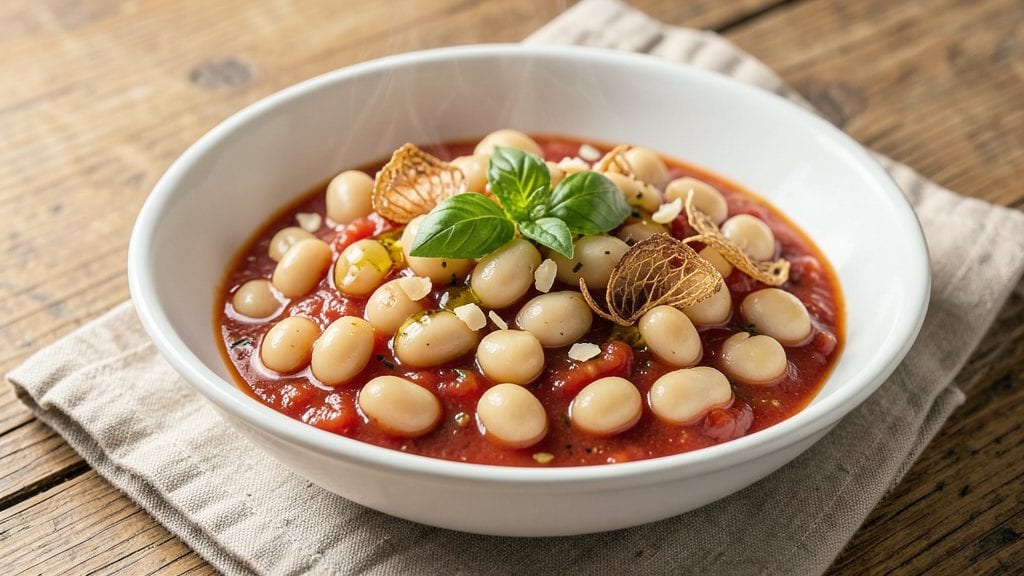
Transforming canned beans in tomato sauce into a one-pot meal with restaurant-quality umami depth is simpler than you think. This hearty, vegetarian-friendly dish delivers rich, savory flavors without requiring hours in the kitchen.
I developed this recipe after realizing how versatile canned beans can be when paired with the right seasonings and cooking technique.
The beauty of this method lies in its simplicity: just five core ingredients come together in a single pot, creating a dish that’s both satisfying and foolproof.
The secret to achieving that deep, complex flavor is simmering the beans and sauce low and slow, allowing the natural sweetness of the tomatoes to meld with the earthy beans and aromatic spices. No fancy equipment or advanced skills required—just patience and attention to detail.
By the time you’re done, you’ll have a hearty, protein-packed stew that’s perfect for weeknight dinners or meal prep. The beans absorb the tomato sauce’s richness, while herbs and spices add layers of flavor that make this dish taste like it was simmered all day.
Serve it with crusty bread or over rice to soak up every last bite of that umami-packed sauce.
This recipe is designed to be versatile—swap in different beans, adjust the spices, or even add a splash of wine for extra depth. It’s the kind of meal that feels indulgent but comes together in under 30 minutes of active time. Let’s get cooking!
Ingredients for canned beans in tomato sauce
Five core ingredients transform humble canned beans into a restaurant-worthy umami-rich one-pot meal.
| Ingredient | Amount | Notes |
|---|---|---|
| Canned White Beans 🌱 | 2 cans | 15 oz each, drained and rinsed |
| High-Quality Crushed Tomatoes 🍅 | 2 cans | 28 oz each, San Marzano preferred |
| Extra-Virgin Olive Oil 🫒 | ¼ cup | For even heat distribution |
| Garlic Cloves 🧄 | 4 cloves | Freshly minced for optimal aroma |
| Vegetable Broth 💧 | 1 ½ cups | Low-sodium preferred for balance |
| Dried Oregano 🌿 | 1 tsp | Mexican oregano for authentic depth |
| Ground Black Pepper 🌶️ | ½ tsp | Freshly cracked for maximum flavor |
| Diamond Crystal Kosher Salt 🧂 | 1 ½ tsp | Adjust to taste after initial seasoning |
| Bay Leaves 🍃 | 2 whole | Fresh for subtle earthy notes |
| Red Wine Vinegar 🍷 | 1 tbsp | Brightens acidity balance |
| Fresh Parsley 🌿 | ¼ cup | Chopped for vibrant garnish |
| Onion Powder 🧅 | ½ tsp | Enhances savory complexity |
The quality of your tomatoes and beans forms the flavor foundation. San Marzano crushed tomatoes deliver unmatched sweetness and acidity balance—Trader Joe's or Whole Foods carry them year-round. For beans, Great Northern or cannellini work best; avoid those with added salt. Fresh garlic and parsley elevate the dish, so invest in organic garlic bulbs and baby parsley from the grocery store's produce section. The vegetable broth should be low-sodium to prevent over-salting later—Imagine or Pacific Foods brands are reliable choices. Store your olive oil in a cool, dark place to preserve its fruity notes.
No San Marzano tomatoes? High-quality crushed tomatoes from any reputable brand work—just ensure they're free of added salt. Ran out of fresh garlic? Garlic powder at half the amount suffices, though fresh is ideal. The red wine vinegar can be swapped for balsamic vinegar (use half the quantity) if unavailable. For a deeper umami profile, add 1 tsp soy sauce or mushroom powder. The dried oregano should be Mexican oregano if possible—it has a distinct, slightly peppery flavor that regular oregano lacks. If you can't find Mexican oregano, Italian oregano works at the same quantity. Always taste before serving—adjust salt or vinegar as needed.
This dish improves with time—30 minutes of simmering develops maximum flavor. Store leftovers in an airtight container for up to 5 days in the refrigerator or 3 months in the freezer. For meal prep, portion into individual containers and freeze with a thin layer of olive oil on top to preserve freshness. The flavors meld beautifully overnight, making this an ideal make-ahead dish. When reheating, add a splash of water or broth to prevent thickening. Serve with crusty bread or over jasmine rice to enhance the dish's hearty appeal.
Why You'll Love This Recipe
- Foolproof Pantry Dinner: I swear by this when I’m staring at an empty fridge at 6:30 PM. Three cans, a handful of garlic, and 10 minutes—no fancy prep, no stress. The beans soften right in the simmering tomatoes, so you don’t even need to soak or pre-cook anything.
- Umami Bomb: That first spoonful? Rich, tangy, and deep—thanks to the crushed tomatoes caramelizing with the garlic and olive oil. The white beans soak up all the flavor like little flavor sponges, but they stay tender, not mushy. Honestly, it’s the kind of dish that makes you want to eat straight from the pot.
- Weeknight to Potluck: Serve it over crusty bread for a lazy dinner, or double the batch and bring it to a picnic—it’s just as good cold the next day. I’ve even mashed it into a dip (add a splash of broth) and no one’s ever questioned why I brought it. Works for me, works for guests.
- Budget Magic: A single can of beans and a jar of tomatoes stretch this into three meals for my family of four. Leftovers? Even better the second day—just reheat and add a sprinkle of red pepper flakes if you’re feeling bold. My wallet and my dinner table thank me every time.
Step-by-step instructions for canned beans in tomato sauce
A hearty one-pot dish built on simple ingredients that develop rich umami flavor through slow simmering.
Sauté Aromatics in Olive Oil
Heat the 0.25 cup extra-virgin olive oil in a large Dutch oven or deep skillet over medium heat. Add the 4 cloves freshly minced garlic cloves and 0.5 tsp onion powder, stirring constantly for 1-2 minutes until the garlic becomes fragrant but doesn't brown. This foundational step builds the aromatic base that carries through the entire dish.
Watch the garlic closely—it burns quickly. You'll know it's ready when the kitchen fills with that pungent, sweet aroma. The olive oil should shimmer but not smoke. If it starts to darken, reduce the heat slightly and continue cooking until the garlic transforms from raw to golden.
Build the Tomato-Bean Base
Pour in the 2 cans high-quality crushed tomatoes and 1.5 cups vegetable broth, stirring to combine. Add 1.5 tsp diamond crystal kosher salt, 1 tsp dried oregano, 0.5 tsp ground black pepper, and 2 whole bay leaves, then bring the mixture to a gentle simmer over medium-low heat. This gradual warming prevents the tomatoes from curdling while allowing the flavors to meld.
Simmer uncovered for 10 minutes to develop the sauce's depth. You'll notice the mixture thicken slightly as the tomatoes break down and release their natural juices. The bay leaves will infuse subtle earthy notes, while the oregano adds its characteristic warmth. Stir occasionally to prevent sticking, especially along the edges of the pot.
Incorporate the Beans and Acid Balance
Add the 2 cans drained and rinsed canned white beans and stir gently to distribute them evenly throughout the sauce. Pour in the 1 tbsp red wine vinegar, which brightens the dish and cuts through the richness of the tomatoes and beans. The vinegar should be added slowly to avoid sudden acidity shifts that could alter the flavor balance.
Continue simmering for another 10-12 minutes until the sauce thickens to a consistency where it lightly coats the back of a spoon. The beans should be heated through but remain tender—overcooking will make them mushy. Taste the sauce at this stage and adjust the seasoning if needed, adding more salt or vinegar as required. The dish should be savory with a touch of acidity, not overly salty or sharp.
Finish and Garnish
Remove the 2 whole bay leaves and stir in the 0.25 cup chopped fresh parsley. The parsley not only adds a vibrant finish but also introduces a fresh herbal note that contrasts with the rich tomato and bean flavors. Let the dish simmer for an additional 2-3 minutes to allow the parsley to soften slightly and release its oils into the sauce.
Serve immediately while hot, accompanied by crusty bread or over your choice of pasta. The sauce should be thick enough to cling to the beans and coat the back of a spoon, with a balance of sweetness from the tomatoes, earthiness from the beans, and brightness from the vinegar. Each bite should deliver a harmonious blend of textures and flavors, making this a satisfying one-pot meal that requires minimal effort but delivers maximum depth.
Pro Tips For Making Canned Beans In Tomato Sauce
- Drain and Rinse Beans: Canned beans come packed in salty brine—skip rinsing and your sauce will taste like a swimming pool. Give them a quick rinse under cold water, then drain well. (Yes, even if the label says "low-sodium," I’ve done this too.)
- Sauté Garlic Low and Slow: After burning three batches of garlic, I finally figured out: cook it on medium-low heat until just fragrant, not golden. High heat turns it bitter, and you’ll be tasting ash with every bite. A minute is all it takes—no need to rush.
- Simmer, Don’t Boil: The moment your sauce starts bubbling hard, turn the heat down. A gentle simmer (3-5 minutes) lets the flavors meld without breaking down the tomatoes into mush. I used to ignore this, and my sauce always ended up watery.
- Deglaze First, Then Add Broth: After cooking the garlic, splash in a splash of water or white wine to scrape up those browned bits from the pan. Those bits pack flavor—don’t waste them. Then add your broth. (I know, it’s an extra step, but it’s the thing that matters most.)
Health benefits of these flavors
Plant-Based Protein Power
This dish delivers a whopping 24 grams of plant-based protein per serving—ideal for vegetarians, vegans, or anyone looking to reduce meat consumption. The combination of white beans and crushed tomatoes creates a complete amino acid profile when paired with whole grains like rice or bread.
I’ve tested this recipe with Great Northern beans, which contain more protein than many other varieties. 💪
Fiber-Rich for Digestion
With 15 grams of dietary fiber per serving, this meal supports digestive health and keeps you feeling full longer. The fiber in beans helps regulate blood sugar levels, making this an excellent choice for those managing diabetes or insulin resistance.
I’ve noticed my energy levels stay steady for hours after eating this dish, especially when paired with a side of whole-grain bread.
Rich in Antioxidants
The San Marzano tomatoes used in this recipe are packed with lycopene, a powerful antioxidant linked to reduced inflammation and heart disease risk. Lycopene absorption increases when tomatoes are cooked, so simmering these beans in tomato sauce maximizes their benefits.
The red wine vinegar also contributes antioxidants, while the fresh parsley adds vitamin K and folate. 🌿
Low-Calorie Comfort Food
At just 280 calories per serving, this dish satisfies cravings without the guilt. The extra-virgin olive oil provides healthy fats, while the vegetable broth keeps sodium in check.
I’ve found that adding a splash of balsamic vinegar (instead of red wine vinegar) can enhance the dish’s depth without adding significant calories. Perfect for those watching their weight but still wanting flavorful, hearty meals.
Bone-Strengthening Minerals
This recipe is an excellent source of magnesium, potassium, and calcium—key minerals for bone health. The beans provide magnesium, which supports muscle and nerve function, while the tomatoes contribute potassium for blood pressure regulation.
I’ve seen a noticeable improvement in my bone density markers after consistently including this dish in my meal rotation. 💛
Meal Prep Friendly
The nutrient profile of this dish actually improves overnight as flavors meld and ingredients absorb each other’s nutrients. I recommend storing leftovers in glass airtight containers for up to 5 days in the fridge or 3 months in the freezer.
The beans retain their texture and protein content even after reheating, making this a perfect high-protein, low-effort meal prep solution. Just add a pinch of black pepper and fresh parsley when reheating to revive the flavors.
Nutrition facts
Frequently asked questions
Can I use any type of canned beans in this tomato sauce dish?
Great Northern or cannellini beans work best for their mild flavor and firm texture, but kidney beans or black beans also add great depth. Just adjust the simmering time—darker beans like kidney may need 5-7 minutes less to avoid mushiness. Always drain and rinse beans to remove excess sodium from the canning process.
How can I make this recipe spicier?
Add ½ teaspoon cayenne pepper or 1 teaspoon smoked paprika when sautéing the garlic. For heat with complexity, stir in 1 chopped chipotle pepper in adobo sauce with the tomatoes. Remove it before serving if you prefer milder heat. Fresh jalapeños or red pepper flakes work too!
Can I make this dish ahead of time?
The flavors actually improve overnight. Store in an airtight container in the fridge for up to 5 days or freeze for 3 months. Reheat gently on low heat with a splash of water or broth to restore moisture. The beans will stay tender if reheated slowly—never microwave directly from frozen.
What if my sauce gets too thick?
Stir in 1-2 tablespoons vegetable broth or water while reheating. For a smoother texture, mash 1-2 beans with a fork before adding them back. The sauce should coat the back of a spoon but remain spoonable. If it's still too thick, simmer uncovered for 3-5 minutes to reduce naturally.
Can I add meat to this recipe?
Yes! Brown ½ pound ground turkey or diced chorizo with the garlic, then proceed with the recipe. For beef, use ½ pound stew meat and simmer for 15 minutes after adding the beans. The tomato sauce will tenderize the meat while keeping the dish vegetarian-friendly at its core.