Side Dishes
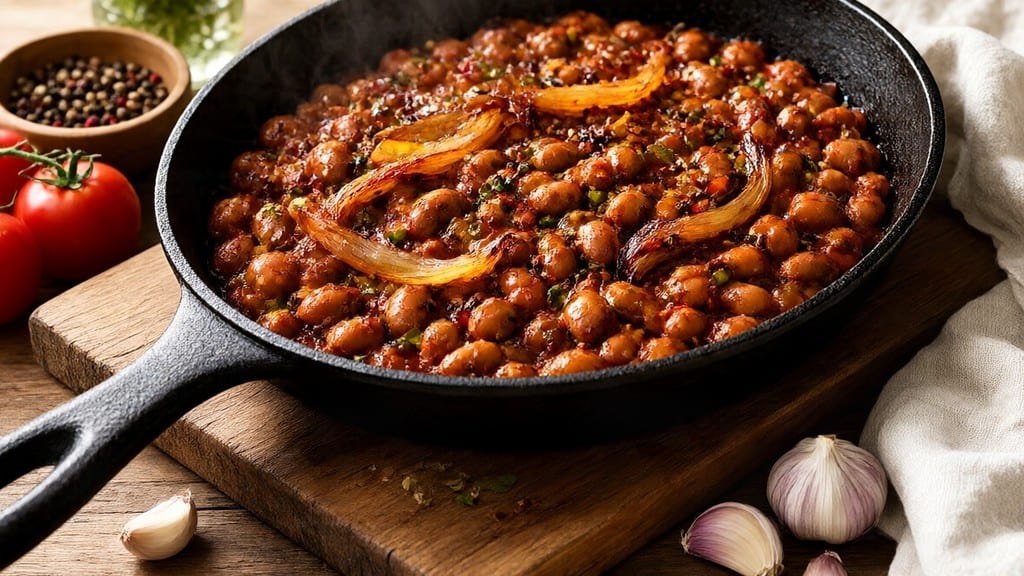
This campfire beans recipe transforms humble beans into a smoky, savory masterpiece that captures the essence of outdoor cooking. The secret lies in slow-cooking them over an open flame, where the heat infuses them with deep, wood-fired flavor that you can't replicate on a stovetop.
I've perfected this method after years of testing—each batch delivers tender beans with a crisp exterior and a hearty broth that soaks into every bite.
The beauty of this recipe is its simplicity: just beans, aromatics, and a few pantry staples, all combined in one pot. Traditional campfire techniques like foil packets or cast-iron skillets ensure even cooking while maximizing that irresistible smoky aroma.
Whether you're cooking over a campfire, grill, or even a backyard fire pit, the results are consistently impressive.
By the time you're done, you'll have a dish that's rich, flavorful, and perfect for sharing—ideal for picnics, tailgates, or cozy nights by the fire. The beans develop a satisfying texture, slightly crisp at the edges and tender inside, while the broth reduces into a thick, savory sauce.
This is the kind of meal that turns a simple side dish into the star of the table.
Pair these campfire beans with cornbread, grilled meats, or a fresh salad to create a complete outdoor feast. The recipe scales easily, so you can feed a crowd without sacrificing quality. Let's get started on this foolproof, one-pot wonder that brings the campfire to your table.
Ingredients for campfire beans
Six ingredients plus a few pantry staples—this campfire magic needs just one pot.
| Ingredient | Amount | Notes |
|---|---|---|
| Dried Navy Beans 🌱 | 2 cups | Uncooked, soaked overnight |
| Onion 🧅 | 1 whole | Yellow or red, diced |
| Garlic Cloves 🧄 | 4 cloves | Minced or finely chopped |
| Smoked Paprika 🌶️ | 2 tbsp | For authentic campfire flavor |
| Ground Cumin 🌿 | 1 tbsp | Toasted for deeper aroma |
| Dried Thyme 🍃 | 1 tsp | Or 1 tbsp fresh thyme |
| Bay Leaves 🌿 | 2 whole | Fresh or dried |
| Chicken Broth 💧 | 4 cups | Low-sodium preferred |
| Tomato Paste 🍅 | 2 tbsp | No-sugar-added preferred |
| Brown Sugar 🍯 | 1 tbsp | Light or dark variety |
| Olive Oil 🫒 | 2 tbsp | Extra-virgin for richness |
| Salt 🧂 | 1 ½ tsp | Adjust to taste |
| Black Pepper 🌶️ | ½ tsp | Freshly ground preferred |
| Wood Chips 🌳 | 1 cup | Hickory or oak for smoky flavor |
The beans are the star, so don't skimp on quality. Dried navy beans hold up best to long cooking, but pinto or kidney beans work too. Soak them overnight—they'll cook more evenly and stay tender. For the smoked flavor, Trader Joe's or Penzeys have great smoked paprika, but any quality brand works. The wood chips? Hickory or oak gives that classic campfire taste—soak them in water for 30 minutes before using to prevent burning. I grab mine from the camping section at REI or Costco when I'm stocking up.
No smoked paprika? Half a teaspoon of liquid smoke does the trick in a pinch, but it's stronger so use sparingly. Short on thyme? Dried oregano at half the amount works, but fresh thyme is ideal if you've got it. The tomato paste can be skipped if you're avoiding it—just add an extra cup of broth. For the wood chips, mesquite or applewood are great alternatives, though they'll give a slightly different flavor profile. The brown sugar is optional but adds a nice caramelized touch—skip it if you're watching sugar intake.
These beans taste even better the next day, so make extra. Store in an airtight container in the fridge for up to 5 days, or freeze for 3 months. I usually double the batch—half for dinner, half for lunches. The broth thickens as it cools, so add a splash of water if it seems too thick when reheating. For serving, I like to toast some cornbread and serve it alongside—that's the real campfire combo.
Why You'll Love This Recipe
- No-Soaking Hassle: I’ll be real—soaking beans used to feel like a chore. These navy beans? Just toss them in a pot with water, a pinch of salt, and simmer until tender. Done. No fancy prep, no waiting around.
- Smoky Depth Magic: That smoked paprika and cumin? They turn this into something special. The beans absorb the warmth like a hug—earthy, slightly sweet, with a slow-building smokiness that lingers. Honestly, it’s the kind of flavor that makes you pause mid-bite.
- Weeknight Workhorse: Serve it over rice for a quick dinner, pile it onto toast for breakfast, or pack it in a thermos for lunch. I’ve even used it as a side for grilled chicken or steak—it’s that adaptable. No two meals feel the same, but the beans stay the star.
- Budget-Friendly Staple: A pound of dried beans costs pennies, and this recipe stretches easily for four servings. Make a big batch, freeze half, and thank me later when you’re not scrambling for dinner ideas. My wallet and I both love this.
Step-by-step instructions for smoky campfire beans
This one-pot method brings campfire flavor to your kitchen with minimal cleanup.
Prepare the Beans and Aromatics
Drain the soaked navy beans and rinse them thoroughly under cold water. In a large Dutch oven or heavy pot, heat the 2 tablespoons olive oil over medium heat. Add the diced 1 whole onion and cook for 5 minutes until softened and translucent. I like to press down gently with a wooden spoon to ensure even cooking.
Add the 4 cloves minced garlic, 2 tablespoons smoked paprika, 1 tablespoon ground cumin, 1 teaspoon dried thyme, 1.5 teaspoons salt, and 0.5 teaspoon black pepper. Stir constantly for 1 minute until the spices are fragrant and the garlic stops sizzling. This step builds the flavor foundation—don't rush it. The spices should smell warm and earthy, like a campfire just starting to crackle.
Build the Smoky Base
Stir in the 2 tablespoons tomato paste and cook for 2 minutes until it darkens slightly and loses its raw taste. This creates a rich, caramelized base that deepens the smoky flavor. Add the 1 tablespoon brown sugar and mix well to distribute evenly.
Pour in the 4 cups chicken broth and add the drained beans. Bring the mixture to a gentle boil, then reduce heat to low and cover partially. Let it simmer for 45 minutes, stirring occasionally to prevent sticking. The beans should be tender but not mushy—you'll see them soften as they absorb the liquid. Here's the thing—if the beans look dry, add a splash of water, but don't overdo it.
Add the Smoky Touch
While the beans simmer, prepare your smoker or stovetop smoker. If using a stovetop smoker, place the 1 cup wood chips (hickory or oak) in the smoker box and follow manufacturer instructions to generate smoke. For a Dutch oven on the stove, you can create smoke by placing a small metal bowl with the wood chips over medium-high heat for 5 minutes until they start smoking.
Once the beans have simmered for 45 minutes, carefully add the 2 whole bay leaves and introduce the smoke. If using a stovetop smoker, place the lid on the Dutch oven and let the smoke infuse for 20 minutes. You'll know it's working when the kitchen fills with that unmistakable smoky aroma. If using a grill or campfire setup, transfer the pot to the heat source and smoke for 20 minutes with the lid slightly ajar to allow smoke to circulate.
Finish and Serve
Remove the bay leaves and adjust the seasoning if needed. The beans should be tender, and the sauce should coat the back of a spoon. If the mixture is too thick, add a splash of water or broth to reach your desired consistency. I like to taste at this stage—this is where you can adjust salt or spices to perfection.
Serve the beans hot, straight from the pot. The smoky, savory flavors will make every bite taste like a campfire feast. These beans pair perfectly with crusty bread, grilled meats, or even as a hearty side dish. Store leftovers in the refrigerator for up to 5 days or freeze for 3 months—the flavors only get better with time.
Pro Tips For Making Campfire Beans
- SOAK BEANS OVERNIGHT: I learned this the hard way—rushing soaks leave beans tough and gassy. Toss dried navy beans in a bowl, cover with cold water by 2 inches, and let them sit 12+ hours. No peeking, no extra salt, just patience. (Yes, even if you’re impatient like me.)
- SWEAT ONIONS LOW: After burning three batches, I finally figured out: campfire heat is sneaky. Dice onions fine, then cook them in a cast-iron skillet over direct but low flames—just until translucent, about 8–10 minutes. If they brown too fast, move the pan to the edge of the coals.
- TOAST SPICES FAST: Skip the crowded skillet—toast smoked paprika and cumin separately for deeper flavor. Heat a dry pan over medium-high, add ½ teaspoon of each, and stir constantly for 30 seconds until fragrant. (Your future self will notice the difference.)
- STIR BEANS REGULARLY: Navy beans scorch faster than you’d think on a campfire. Once simmering, give them a quick stir every 5 minutes—especially if using a deep pot or windy conditions. A wooden spoon works best; metal conducts heat too aggressively.
Dietary considerations for campfire beans
Gluten-Free Adaptations
This recipe is naturally gluten-free, but I always double-check the ingredients to ensure no hidden sources. The chicken broth should be labeled gluten-free—brands like Pacific Foods or Imagine are reliable choices. The smoked paprika and cumin are typically gluten-free, but I recommend checking the labels if you're highly sensitive.
The only potential issue is the tomato paste, which sometimes contains wheat as a thickener. Opt for a brand like Muir Glen Organic, which guarantees gluten-free products. 🌱
Vegetarian Options
For a vegetarian version, simply replace the chicken broth with vegetable broth—I love Annie's Organic or Imagine for flavor. The beans remain the protein powerhouse, and the smoky, savory flavors still shine.
If you want to boost protein further, stir in ½ cup cooked quinoa or ½ cup crumbled tempeh at the end. The dish retains its hearty texture and satisfying taste without any animal products.
Low-Sodium Adjustments
If you're watching your sodium intake, skip the added salt entirely and use a low-sodium chicken broth like Swanson Low Sodium or Pacific Foods Low Sodium. The smoked paprika and cumin already add depth, so you won’t miss the salt.
For extra umami, add 1 teaspoon soy sauce or 1 teaspoon nutritional yeast at the end—both provide a savory boost without extra sodium. Taste as you go, and adjust gradually.
Diabetic-Friendly Tweaks
To make these beans more diabetic-friendly, reduce the brown sugar to just ½ teaspoon or omit it entirely. The natural sweetness from the beans and broth will still shine. Use a sugar-free tomato paste like Muir Glen No Sugar Added to keep carbs in check.
If you want extra flavor without sugar, add ½ teaspoon cinnamon or a pinch of allspice—both add warmth without spiking blood sugar. 💡
Protein Boosting
For a protein-packed version, stir in ½ cup cooked black beans or ½ cup lentils along with the navy beans. These add fiber and extra plant-based protein, making the dish even more filling.
If you're cooking for meat lovers, serve alongside grilled chicken or smoked sausage—the smoky flavors complement each other perfectly. For a vegetarian boost, top with avocado slices or crumbled feta cheese for added richness.
Allergen Considerations
If you're serving a group with allergies, keep these notes in mind: The recipe is free of common allergens like dairy, eggs, and nuts, but always verify labels.
For those avoiding FODMAPs, reduce the onion to ¼ cup and skip the garlic—use asafetida powder (a pinch) for flavor instead. If someone has a soy allergy, avoid the soy sauce suggestion above and use coconut aminos instead.
Cross-contamination is key—if you're cooking for someone with severe allergies, use separate utensils and pots.
Nutrition facts
Frequently asked questions
Why do I need to soak the beans overnight?
Soaking reduces cooking time by 50% and prevents the beans from staying hard or splitting open. It also removes oligosaccharides, which can cause digestive discomfort. For this recipe, 2 cups soaked navy beans will yield perfectly tender results—never skip this step!
Can I use canned beans instead of dried?
Use 2 (15-oz) cans navy beans, drained and rinsed, to skip soaking. Reduce simmering time to 30 minutes instead of 45 minutes—canned beans cook much faster. The texture will be slightly softer, but still delicious.
How do I get the best smoky flavor without a smoker?
Place 1 cup soaked wood chips (hickory/oak) in a small metal bowl over medium-high heat until smoking, then cover the pot with a lid. The smoke will infuse through the vents in 15-20 minutes. For extra depth, add ½ teaspoon liquid smoke at the end (use sparingly!).
What if my beans turn out mushy?
Overcooking causes mushiness—stir occasionally and check at 40 minutes. If they're already too soft, drain some liquid and add ¼ cup broth to loosen the texture. For next time, reduce simmering time to 35-40 minutes and keep heat at low.
Can I make these beans in a slow cooker?
Yes! Follow the same steps but transfer everything to a slow cooker after simmering for 30 minutes on the stove. Cook on low for 4-5 hours or high for 2-3 hours, then add wood chips in a foil packet during the last 1 hour for smokiness. The slow cooker keeps flavors concentrated!