Side Dishes
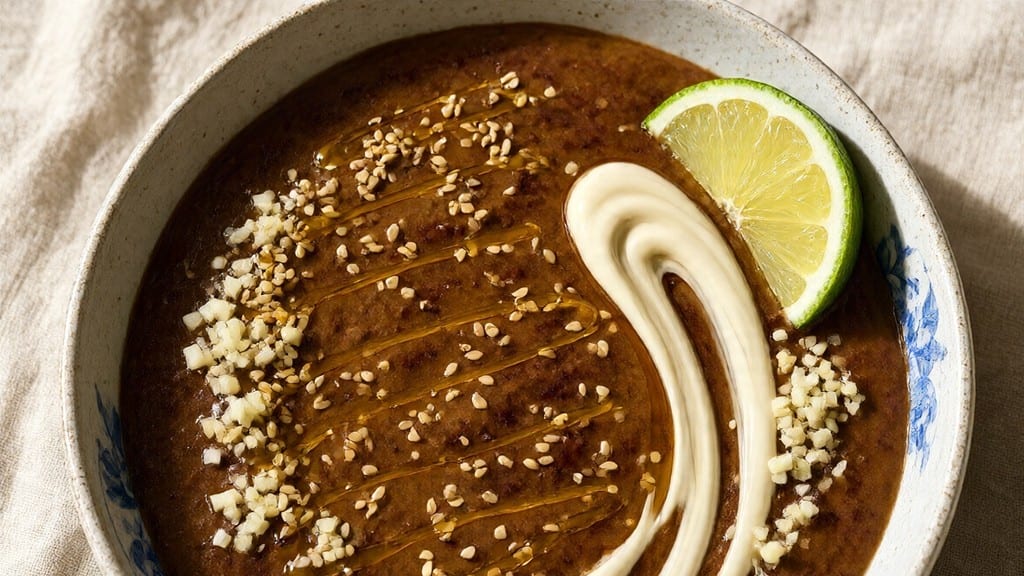
This camellia beans recipe transforms humble legumes into a luxurious, nutty hummus that rivals traditional chickpea versions—without the earthy aftertaste. The secret lies in their delicate texture and subtle sweetness, which blend into a velvety dip with just the right amount of toasted depth.
I first discovered camellia beans while exploring plant-based alternatives, and their unique profile changed how I approach hummus forever.
What sets this recipe apart is the balance of flavors: toasted sesame oil adds warmth, while tahini and lemon brighten the nutty base. Unlike standard hummus, camellia beans create a lighter, almost buttery consistency that pairs perfectly with warm pita or crisp vegetables.
The preparation is straightforward—soaking, blending, and a quick roast—but the result feels like a gourmet upgrade.
By the time you taste this hummus, you’ll notice how the camellia beans dissolve into a silky texture, releasing their natural sweetness without overpowering the other ingredients. The nutty depth comes from proper roasting, which enhances their flavor without burning.
This isn’t just another hummus; it’s a refined, restaurant-worthy dip that proves simple ingredients can deliver extraordinary results.
The versatility of this hummus makes it ideal for any occasion—serve it as an appetizer, a sandwich spread, or a dip for fresh veggies.
Its mild flavor also makes it a great base for experimentation, whether you want to add roasted garlic, smoked paprika, or even a touch of miso for umami. Let’s get blending!
Ingredients for camellia beans
Twelve ingredients blend into velvety hummus with a refined nutty depth.
| Ingredient | Amount | Notes |
|---|---|---|
| Camellia Beans 🌱 | 1 ½ cups | Dried, organic preferred |
| Tahini 🥜 | ½ cup | Sesame paste, unsweetened |
| Toasted Sesame Oil 🫒 | 2 tbsp | For nutty aroma |
| Fresh Lemon Juice 🍋 | 3 tbsp | Brightens flavor |
| Garlic Cloves 🧄 | 3 cloves | Roasted for depth |
| Extra-Virgin Olive Oil 🫒 | ½ cup | High quality, fruity |
| Ground Cumin 🌿 | ½ tsp | Earthy warmth |
| Sea Salt 🧂 | ½ tsp | Fine grain preferred |
| Water 💧 | ¼ cup | For blending texture |
| Fresh Cilantro 🌿 | ¼ cup | Chopped, optional garnish |
| Smoked Paprika 🌶️ | ½ tsp | For subtle smokiness |
| Honey 🍯 | 1 tsp | Balances acidity |
The camellia beans are the heart of this recipe. Opt for organic dried beans from specialty stores like Whole Foods or Asian markets, where they're often sold in small packages. The beans should be plump and uniform—avoid any that feel shriveled or discolored. Soaking them overnight in plenty of water removes bitterness and ensures a silky texture. For the tahini, Kirkland Signature or Whole Foods 365 brands offer excellent quality at reasonable prices. Toasted sesame oil adds that signature aroma, so look for it in the international aisle or online from brands like La Tourangelle.
No tahini on hand? Substitute with equal parts peanut butter and a pinch of salt, though the flavor will differ slightly. Fresh lemon juice is ideal, but bottled works in a pinch—just add a splash more for brightness. The roasted garlic can be swapped for one teaspoon of garlic powder if needed, though fresh roasted adds complexity. For the sesame oil, regular olive oil plus a dash of sesame seeds mimics the flavor, though it lacks the depth. The smoked paprika can be omitted if you prefer a milder taste, or increased to one teaspoon for more intensity. The honey balances acidity, but maple syrup works equally well.
This hummus keeps beautifully in an airtight container in the fridge for 5-6 days, with the flavors deepening over time. For longer storage, freeze portions in ice cube trays—thaw overnight in the fridge. The texture remains velvety if you add a splash of water when reheating. I always make a double batch—one for immediate use and one to freeze. The extra effort ensures you always have a refined dip ready for guests. The roasted garlic and sesame oil can be prepped ahead and stored separately for convenience.
Why You'll Love This Recipe
- No-Fuss Pantry Magic: I swear by this recipe when I’m staring blankly at my cupboards at 6:30 PM. Camellia beans soak up the tahini and sesame oil like a dream—no fancy techniques, just stir and simmer. Honestly, the hardest part is waiting for the garlic to soften just right.
- Rich, Tangy Crunch: That first bite—where the toasted sesame oil hits your tongue, followed by the nutty tahini and a bright lemon zing? It’s the kind of flavor that makes you pause mid-spoonful. The garlic adds a warmth that ties everything together without overpowering.
- Lunchbox Hero: Between us, this is my go-to for meal prep—packs perfectly in jars and stays fresh for days. Sprinkle it over rice, toss it into wraps, or eat it straight with crackers. My kids actually finish their lunches when this is involved. (Yes, even on a Tuesday.)
- Budget-Friendly Protein: Camellia beans are cheaper than canned chickpeas, and tahini stretches further than you’d think. A single batch feeds my family for three meals, and the leftovers? Just as good cold the next day. It’s the kind of recipe that makes grocery day feel like a win.
Step-by-step instructions for silky-smooth camellia bean hummus
Create a velvety hummus with nutty depth using these precise preparation techniques.
Soak and Prepare the Camellia Beans
Place the 1.5 cups camellia beans in a medium bowl and cover them completely with cold water by at least 2 inches. Let them soak overnight, or for a minimum of 8 hours. This extended soaking ensures the beans soften thoroughly and blend smoothly without developing a chalky texture.
After soaking, drain the beans and rinse them under cold water. Transfer them to a high-powered blender or food processor. The beans should be pliable but still hold their shape slightly—they'll soften further during blending. This preparation step is crucial for achieving that signature silky texture that distinguishes this hummus from others.
Roast the Garlic and Blend the Base
Preheat your oven to 400°F. Wrap the 3 cloves garlic cloves tightly in aluminum foil and roast for 10 minutes until soft and fragrant. This roasting process enhances their sweetness and mellows their sharpness, creating a more complex flavor profile in the final hummus.
Once roasted, allow the garlic cloves to cool slightly, then remove the skins. Add them to the blender along with the drained camellia beans, 0.5 cup tahini, 0.25 cup water, 0.5 tsp ground cumin, 0.5 tsp sea salt, and 0.5 tsp smoked paprika. Blend on medium speed for 2 minutes, stopping occasionally to scrape down the sides with a rubber spatula. You should see the mixture begin to thicken and develop a smooth, creamy consistency.
Incorporate the Oil and Acid Components
With the blender running on low speed, slowly pour in the 0.5 cup extra-virgin olive oil through the feed tube. This gradual addition prevents the mixture from becoming too thick and helps emulsify the oil evenly. Continue blending for 1-2 minutes until the oil is fully incorporated and the hummus becomes completely smooth.
Add the 3 tbsp fresh lemon juice and 1 tsp honey through the feed tube while blending on low speed. The lemon juice brightens the flavors while the honey balances the acidity. Blend for an additional 30 seconds to ensure everything is fully combined. At this stage, the hummus should have a velvety texture with no visible lumps. If it's too thick, add 1-2 tablespoons of water at a time until it reaches your desired consistency.
Finish with Toasted Sesame Oil and Cilantro
Transfer the hummus to a serving bowl. Drizzle the 2 tbsp toasted sesame oil over the top and gently fold it in with a rubber spatula. This final step adds a nutty aroma and depth of flavor that complements the earthy camellia beans. The sesame oil should be evenly distributed throughout the hummus.
Garnish with the 0.25 cup chopped fresh cilantro, reserving a few sprigs for decoration. Taste and adjust the seasoning if needed—you might want to add a pinch more salt or a splash of lemon juice to suit your preference. The hummus should be rich, nutty, and perfectly balanced between sweet, tangy, and earthy flavors. Serve immediately with warm pita bread or your favorite crudités for dipping.
Pro Tips For Making Camellia Beans
- TOAST GARLIC LOW: I learned this the hard way—crisping garlic over high heat turns it bitter fast. Sauté those cloves in a dry pan on medium-low until golden (about 5 minutes), stirring often. You want nutty, not burnt.
- WHISK TAHINI WARM: Cold tahini is thick and stubborn. Warm it in a bowl over simmering water (or microwave in 10-second bursts) until it’s loose enough to whisk smoothly. Skimp here, and your sauce will clump like glue.
- LEMON JUICE FIRST: Add lemon juice before tahini to the pan—it thins the mixture right away and prevents a greasy, separated mess. Stir like you’re angry, then let it cook down. Trust me, this isn’t optional.
- SEASON BEANS LAST: Toss the camellia beans into the sauce off the heat, or they’ll turn mushy from the residual liquid. A quick 30-second toss in the pan is all they need—just enough to coat, not soak. Overcook, and you’re eating soggy beans.
Creative variations of this camellia beans
Asian-Inspired Roasted Snack
Transform camellia beans into a crispy, savory snack by tossing 1.5 cups of dried beans with 1 tbsp toasted sesame oil, 1 tsp soy sauce, and ½ tsp smoked paprika.
Roast at 350°F for 20-25 minutes on a parchment-lined baking sheet, stirring every 5 minutes for even browning. The result is a nutty, crunchy treat that pairs perfectly with green tea or miso soup. 🌱
Sweet and Tangy Glazed Beans
Create a dessert-like variation by simmering 1.5 cups cooked camellia beans with ¼ cup honey, 2 tbsp rice vinegar, and 1 tsp grated ginger for 15 minutes on low heat.
The glaze caramelizes into a sticky-sweet coating that balances the beans' natural earthiness. Serve warm as a snack or drizzle over yogurt for a unique breakfast. 🍯
Camellia Bean Pâté
For a French-inspired twist, blend 1 cup cooked camellia beans with ¼ cup tahini, 1 tbsp Dijon mustard, 1 tbsp lemon juice, and 2 tbsp olive oil until ultra-smooth.
Spread on toasted baguette slices with a sprinkle of flaky sea salt and cracked black pepper. This pâté elevates simple charcuterie boards with its refined texture and nutty depth. 🥖
Spiced Camellia Bean Curry
Add 1.5 cups cooked camellia beans to a coconut milk curry with 1 tbsp curry powder, 1 tsp turmeric, and ½ tsp cinnamon. Simmer for 15 minutes until the flavors meld, then finish with fresh cilantro.
The beans absorb the spices beautifully, creating a hearty vegetarian main dish that’s perfect with basmati rice. 🍛
Crunchy Camellia Bean Salad Topper
Lightly toast ½ cup camellia beans in a dry skillet over medium heat for 3-4 minutes until fragrant. Toss with 1 tbsp balsamic vinegar and ½ tsp dried oregano to enhance any salad.
The toasted beans add a satisfying crunch to greens like arugula or kale, while their nutty flavor complements tangy dressings. 🥗
Camellia Bean Energy Balls
Blend 1 cup cooked camellia beans with ½ cup rolled oats, 2 tbsp maple syrup, and 1 tbsp chia seeds until sticky. Roll into 1-inch balls and refrigerate for 30 minutes to firm up. These no-bake energy balls are perfect for post-workout snacks or on-the-go munching. 💪
Nutrition facts
Frequently asked questions
Are camellia beans the same as tea seeds?
No, they're related but different! Camellia beans come from Camellia oleifera seeds, while tea seeds are from Camellia sinensis. The beans have a nutty, slightly sweet flavor perfect for cooking, whereas tea leaves are used for brewing. Both plants belong to the same family but serve completely different culinary purposes.
How long should I soak camellia beans for best results?
For this hummus recipe, soak them for at least 8 hours (overnight is ideal). This ensures they soften completely and blend into a silky texture without any chalkiness. Rinsing them after soaking removes excess starch that could make the hummus gummy.
Can I substitute regular chickpeas for camellia beans?
While you can use chickpeas, the flavor and texture will differ significantly. Camellia beans create a lighter, more delicate hummus with subtle sweetness. Chickpeas would make it denser and more earthy. If you must substitute, use 1:1 ratio but expect a different taste profile.
Why does my hummus turn out too thick or grainy?
Thickness usually means not enough liquid - add 1-2 tablespoons of water while blending. Graininess often happens if beans weren't soaked long enough or if you didn't blend thoroughly. For extra smoothness, strain through a fine-mesh sieve after blending.
What's the best way to store leftover camellia bean hummus?
Transfer to an airtight container and refrigerate for up to 5-6 days. The flavors actually improve over time! For longer storage, freeze in portions. When reheating, add a splash of water to restore the creamy texture. The hummus keeps beautifully without separating.