Side Dishes
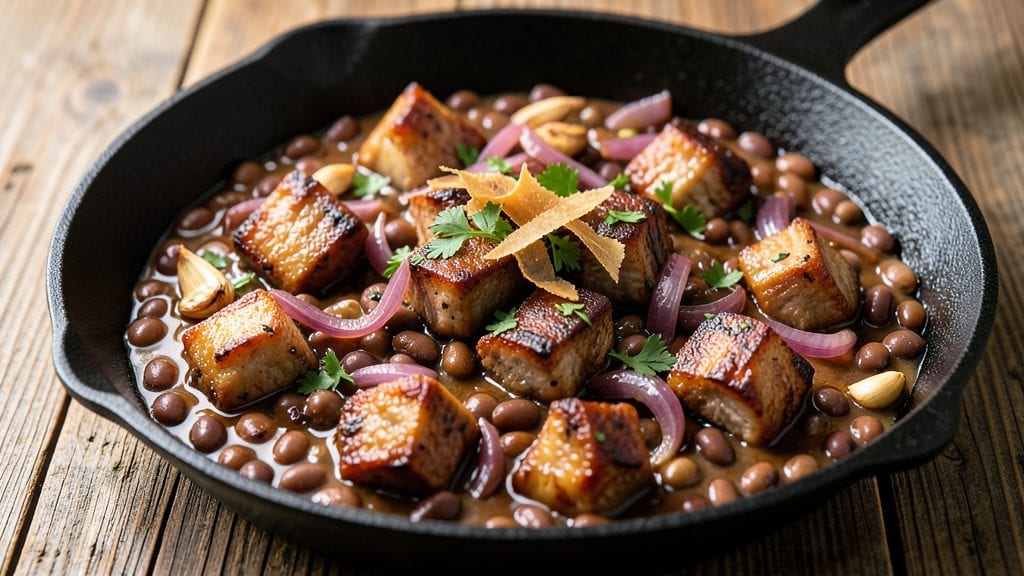
When you crave the rich, smoky depth of classic Southern cooking, Bush’s Northern Beans recipe delivers that comforting, slow-simmered perfection in every bite. This isn’t just a side dish—it’s a flavor-packed tradition that transforms simple ingredients into a hearty, spiced masterpiece.
The secret lies in the balance of pork, molasses, and aromatic spices, all baked until tender and infused with that signature smoky aroma.
What sets this recipe apart is its versatility—whether you’re serving it alongside pulled pork at a family gathering or as a standalone meal, the flavors deepen with time.
The key steps include browning the pork for maximum flavor, simmering the beans until they’re creamy, and finishing with a touch of molasses for that unmistakable Southern sweetness. It’s a dish that rewards patience, delivering results that taste like home.
By the time you pull this dish from the oven, you’ll have a pot of rich, smoky-spiced beans with tender pork chunks and a sauce that’s thick enough to coat every spoonful.
The aroma alone will have everyone at the table anticipating that first bite—warm, hearty, and packed with the kind of flavor that lingers long after the meal. This is comfort food at its finest, and it’s easier to make than you’d think.
Pair it with cornbread, grilled meats, or even as a filling for sandwiches—this recipe adapts to any occasion while keeping its soul intact. Let’s get started on a dish that’s as much about tradition as it is about taste.
Ingredients for bush's northern beans
Six core ingredients plus a few pantry staples—this Southern classic comes together with slow-simmered ease.
| Ingredient | Amount | Notes |
|---|---|---|
| Dried Northern Beans (Navy Beans) 🌱 | 2 cups | Unsoaked, rinsed well |
| Pork Shoulder (or Pork Butt) 🥓 | 1 ½ lb | Cut into 1-inch cubes |
| Onions (Yellow or Red) 🧅 | 1 whole | Diced, medium size |
| Garlic Cloves 🧄 | 4 cloves | Minced, fresh preferred |
| Molasses (Unsulphured) 🍯 | ¼ cup | Dark, for authentic flavor |
| Apple Cider Vinegar 🍏 | 2 tbsp | For tangy balance |
| Smoked Paprika 🌶️ | 1 tbsp | Key for smoky depth |
| Ground Black Pepper 🌶️ | 1 tsp | Freshly cracked preferred |
| Salt 🧂 | 1 ½ tsp | Kosher or sea salt |
| Bay Leaves 🌿 | 2 whole | Fresh or dried |
| Vegetable Oil 🫒 | 2 tbsp | For browning pork |
| Water 💧 | 6 cups | Or low-sodium broth |
| Brown Sugar 🍚 | 2 tbsp | Light or dark |
The pork shoulder is the star here—look for well-marbled cuts at the butcher counter or pre-cut at Costco for convenience. If you can't find pork shoulder, pork butt works just as well. For the beans, dried is a must—canned beans won’t give that creamy texture. Rinse them thoroughly before soaking to remove any dirt. The molasses is non-negotiable for that authentic Southern sweetness—Goya or Brer Rabbit brands are solid choices, but any good-quality unsulphured molasses will do. Fresh garlic and onions make all the difference, so don't skip the effort of mincing them yourself.
No smoked paprika? Substitute with a mix of regular paprika and liquid smoke—just a dash of the smoke will get you close. Out of molasses? Maple syrup or honey at half the amount works in a pinch, though it won’t be quite the same. The apple cider vinegar adds brightness, but if you're out, red wine vinegar or even lemon juice will do. For the water, low-sodium chicken broth adds extra depth without overpowering. And if you're feeling fancy, add a splash of bourbon—just 1 tbsp—while simmering for a boozy twist that pairs perfectly with the smokiness.
This dish tastes even better the next day—make a double batch if you can. Store leftovers in the fridge for up to 5 days, or freeze for 3 months. Reheat gently on the stove with a splash of water to restore that creamy texture. The beans and pork will stay tender, and the flavors will meld even more beautifully. Portion into containers for easy lunches or serve straight from the pot with cornbread for a true Southern feast.
Why You'll Love This Recipe
- One-Pot Magic: I swear by this recipe because it’s literally one pot. Toss in the dried beans (no soaking required, just a quick rinse), the pork shoulder, onions, and garlic—then let the slow cooker or Dutch oven do the work. By the time you’ve sipped your coffee, dinner’s already simmering into something rich and tender.
- Molasses Kiss: Here’s what sold me—the molasses. That deep, caramelized sweetness cuts through the saltiness of the pork and beans, giving it this unexpected depth. It’s not too cloying, just enough to make every bite feel like a little reward.
- Leftovers That Beg: Between us, this recipe begs for seconds—and thirds. The flavors only get better after a day or two, so I always make extra. Pack it for lunches or freeze half for when you’re too tired to cook. (Yes, even on a Tuesday night.)
- Budget-Friendly Feast: Dried beans and pork shoulder? That’s a powerhouse combo for stretching meals without breaking the bank. A single batch feeds my family of four for days, and the cost per serving is laughably low. Plus, it’s one of those dishes that tastes more expensive than it is.
Step-by-step instructions for smoky-spiced northern beans
Here's how to turn simple ingredients into rich, smoky northern beans that taste like they simmered all day.
Brown the Pork Shoulder for Deep Flavor
Heat the 2 tablespoons vegetable oil in a large Dutch oven over medium-high heat until shimmering. Add the 1.5 lb pork shoulder cut into 1-inch cubes, working in batches if needed to avoid crowding. Let the pork brown undisturbed for 3-4 minutes per side until deeply golden—this creates the rich foundation for our dish.
Once browned, transfer the pork to a plate. You'll notice the meat releases easily when it's ready to move. This step isn't just about cooking; it's about building layers of flavor through the Maillard reaction. Don't rush it—golden brown means we're on track.
Sauté Onions and Garlic for Sweet Depth
In the same Dutch oven, add the 1 whole onion diced into medium pieces and cook for 5-6 minutes until softened and beginning to caramelize at the edges. Add the 4 cloves minced garlic and cook for another 30 seconds until fragrant—you'll smell that sweet, pungent aroma filling your kitchen.
Here's where the onions do their magic. They should be tender but still holding their shape, not turning to mush. If they're browning too quickly, reduce the heat slightly. This step sets up the flavor base that will carry through the entire simmering process.
Build the Smoky-Sweet Sauce Base
Return the browned pork to the pot. Stir in the 1 tablespoon smoked paprika, 1.5 teaspoons salt, and 1 teaspoon ground black pepper, coating everything evenly. Add the 0.25 cup unsulphured molasses, 2 tablespoons apple cider vinegar, and 2 tablespoons brown sugar, stirring to combine. The mixture will look thick and syrupy—this is exactly what we want.
Pour in the 6 cups water and add the 2 whole bay leaves. Bring everything to a gentle boil, then reduce heat to low and let it simmer uncovered for 1 hour. You'll see the liquid reduce slightly and the pork begin to tenderize. This simmering time is crucial—it develops the deep, complex flavors we're after.
Add Beans and Simmer to Perfection
After the initial hour of simmering, add the 2 cups unsoaked dried northern beans (they've been rinsed well, remember?). Stir gently to distribute them throughout the liquid. Return to a gentle simmer and cook uncovered for another 1.5 to 2 hours until the beans are tender and the pork is fork-tender.
You'll know they're done when a bean easily crushes between your fingers and the pork pulls apart with minimal resistance. The beans should be plump and the liquid should have reduced enough to coat the back of a spoon. If it's too thin, simmer uncovered for another 10-15 minutes to thicken it properly.
Adjust Seasoning and Serve
Remove the 2 whole bay leaves and taste the beans. They should be rich, smoky, and slightly sweet with a tangy kick from the vinegar. If they need more salt, add it 1 teaspoon at a time—remember, we can always add more salt, but we can't take it away. The beans should be seasoned like the ocean.
Serve immediately over buttered cornbread or with crusty bread to soak up that delicious, smoky-sweet sauce. This dish tastes even better the next day as the flavors meld further, but it's so good fresh off the stove you might not make it that long. Enjoy your hearty, smoky northern beans!
Pro Tips For Making Bush'S Northern Beans
- Soak Beans Overnight: I used to skimp on this step and wonder why my beans stayed tough—don’t. Soaking dried navy beans for 12+ hours (or quick-soak with boiling water for 2 hours) cuts cooking time and prevents that mushy texture. Drain and rinse well before adding to the pot—no need to keep the soaking water.
- Brown the Pork First: Skip this, and you’ll miss the depth of flavor. Sear the pork shoulder in batches over medium-high heat until deeply browned on all sides—this locks in juices and builds a crust that melts into the beans later. Use about 2 tablespoons of oil per batch, and don’t crowd the pan.
- Simmer Low and Slow: After the initial boil, drop the heat to a gentle simmer—think tiny bubbles, not rolling. Navy beans need 1.5–2 hours to tenderize properly, and rushing this turns them mealy. Cover the pot and resist the urge to peek; every time you lift the lid, you’re adding minutes to the cook time.
- Add Molasses Late: Stir it in during the last 30 minutes of cooking, not at the start. Molasses burns easily, and adding it too soon can make the whole dish taste bitter. If you’re worried about it clumping, mix it with a splash of hot broth first—this ensures it dissolves smoothly into the beans.
Troubleshooting this recipe
Beans Too Hard
If your beans remain tough after simmering, they likely need more time or liquid. First, check for proper soaking—dried beans should be soaked for at least 8 hours or overnight. If they’re still firm, add ½ cup hot water and simmer uncovered for another 30-45 minutes.
Avoid covering the pot, as trapped steam can make beans mushy. For extra tenderness, add ½ teaspoon baking soda to the soaking water (rinse well before cooking). 💫
Pork Overcooked
Pork shoulder is forgiving, but if it turns out dry, you likely cooked it too long. The ideal internal temperature is 195-203°F—use a meat thermometer to monitor. If you notice it’s overdone, shred it and mix it back into the beans to redistribute moisture.
For future attempts, reduce simmering time by 20-30 minutes and cover the pot with a lid during the final 30 minutes to retain juices.
Sauce Too Thin
A watery sauce usually means the beans absorbed too much liquid. If this happens, simmer uncovered for 10-15 minutes to reduce the liquid naturally. For a quicker fix, mash 2-3 beans with a fork to release starch, which thickens the sauce.
Alternatively, mix 1 tablespoon cornstarch with 2 tablespoons cold water, stir into the beans, and simmer for 5 minutes until thickened. Avoid adding flour directly, as it can make the sauce cloudy.
Lacking Smoky Flavor
If your beans taste bland or missing that signature smokiness, the smoked paprika might need a boost. Add ½ teaspoon liquid smoke (like Liquid Smoke by Wright’s) or a pinch of cayenne pepper for depth.
For a more authentic smoky profile, try cooking the onions and pork in a cast-iron skillet first to enhance caramelization. If using store-bought smoked paprika, ensure it’s fresh—old spices lose their punch. A splash of bourbon (just 1 tablespoon) can also add complexity. 🔥
Beans Too Salty
Over-salting is common when adjusting seasoning at the end. If your beans taste too salty, add ½ cup hot water or broth and simmer for 10 minutes to dilute the salt. For a longer-term fix, stir in 1-2 mashed potatoes or cooked rice to absorb excess saltiness.
To prevent this, taste the beans before adding all the salt—start with 1 teaspoon and adjust gradually. Unsalted broth can also help control sodium levels.
Pork Not Tenderizing
If the pork stays tough, it likely didn’t simmer long enough. Pork shoulder requires at least 2.5-3 hours of total cooking time to become fork-tender. For future batches, increase simmering time by 30 minutes or cover the pot with a lid during the final hour to trap steam.
If the pork is still firm, shred it and return it to the pot to absorb more of the flavorful sauce. Using a meat mallet to tenderize the pork before cooking can also help break down fibers. 💡
Nutrition facts
Frequently asked questions
Can I make this recipe with canned beans instead of dried?
While traditional recipes use dried beans for their creamy texture, you can substitute 2 (15-ounce) cans of navy beans drained and rinsed. However, the sauce will be thinner—simmer uncovered for 15-20 minutes to thicken. For best results, add 1 tablespoon cornstarch mixed with 2 tablespoons water to achieve that signature Southern consistency.
How do I store and reheat leftovers?
Store in an airtight container in the fridge for up to 5 days or freeze for 3 months. To reheat, warm gently on the stove with 2-3 tablespoons water to restore creaminess. Never microwave directly from the fridge—this makes the sauce watery. For best texture, reheat on low heat until bubbling, then adjust seasoning.
What's the best way to serve these smoky beans?
This dish shines as a side for pulled pork, BBQ ribs, or grilled chicken, but it's hearty enough for a standalone meal. Serve with warm cornbread, crusty bread, or over mashed potatoes to soak up the sauce. For a modern twist, try it in sliders or tacos—the smoky-sweet flavor works surprisingly well!
Can I make this recipe in a slow cooker?
Brown the pork as directed, then transfer everything to a 6-quart slow cooker. Add all ingredients except beans, cook on low for 6 hours, then stir in beans and cook another 2-3 hours until tender. The slow cooker method actually enhances the smoky depth. For extra richness, add ½ cup broth if the mixture looks dry.
Why does this recipe use unsulphured molasses?
Unsulphured molasses has a deeper, more complex flavor without the chemical aftertaste from sulphur compounds. It provides that signature rich, caramel-like sweetness that defines Southern baked beans. Sulphured molasses (common in baking) will work in a pinch, but it lacks the authentic depth. Think of it as the secret weapon that transforms this dish from good to legendary.