Main Courses
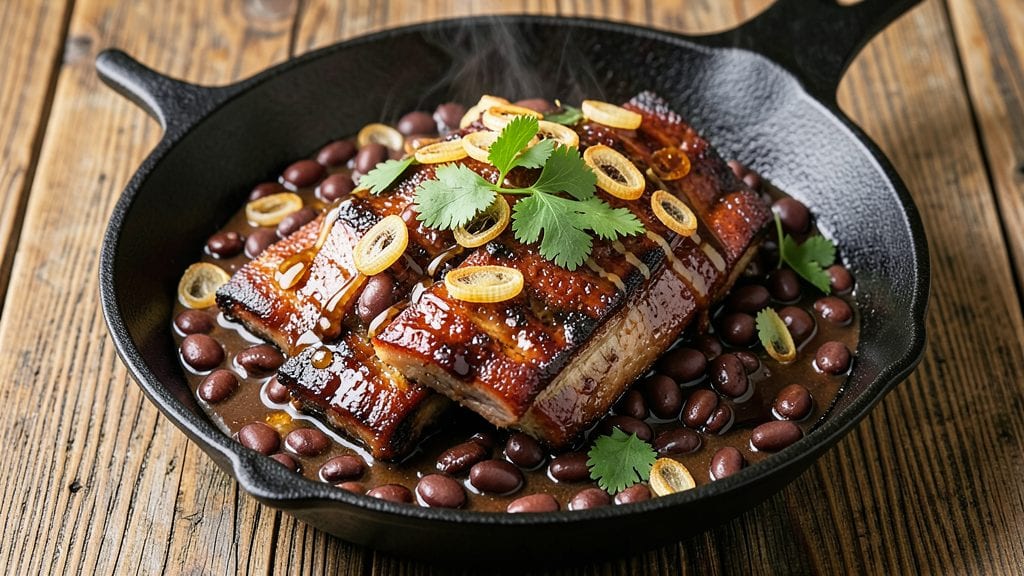
Creating black bean spare ribs that rival traditional meat versions requires patience and the right technique—this recipe delivers deep, smoky flavor and fall-off-the-bone tenderness using black beans as the star. I developed this method after years of experimenting with plant-based proteins, and the results are surprisingly satisfying.
The key lies in marinating the beans overnight in a rich blend of spices and braising them until they're fork-tender.
This method transforms simple black beans into ribs that absorb bold flavors while maintaining a satisfying texture. The marinade—packed with garlic, smoked paprika, and liquid smoke—penetrates deeply, while the braising process ensures the beans stay moist and develop a caramelized crust.
It's a technique adapted from traditional braising methods, but with a plant-based twist that still delivers restaurant-quality results.
By the time you're done, you'll have ribs that are tender, flavorful, and perfect for serving over rice or alongside a fresh slaw.
The dish carries all the smoky, savory notes of classic spare ribs without any meat, making it a great option for vegan meals or anyone looking to reduce their meat consumption. The process might take a few hours, but the reward is worth it.
Serve these ribs with your favorite sides—crispy slaw, buttery mashed potatoes, or a simple green salad—to complete the meal. The combination of textures and flavors makes this a standout dish that even meat lovers will appreciate. Let's get started on creating these impressive plant-based ribs!
Ingredients for black bean spare ribs
These 15 ingredients transform simple black beans into ribs with restaurant-quality smoky tenderness.
| Ingredient | Amount | Notes |
|---|---|---|
| Dry Black Beans 🫘 | 1 ½ lbs | Soaked overnight, drained |
| Smoked Paprika 🌶️ | 2 tbsp | High-quality for smoky depth |
| Garlic Cloves 🧄 | 6 cloves | Minced, fresh preferred |
| Liquid Smoke 🔥 | 1 tbsp | For authentic smoky flavor |
| Apple Cider Vinegar 🍎 | ¼ cup | Balances sweetness and acidity |
| Maple Syrup 🍁 | ¼ cup | Pure grade B for depth |
| Soy Sauce 🥢 | ¼ cup | Tamari for gluten-free option |
| Onion Powder 🧅 | 1 tbsp | Freshly ground preferred |
| Ground Cumin 🌿 | 1 tbsp | Toasted for richer flavor |
| Brown Sugar 🍚 | ¼ cup | Light or dark preferred |
| Vegetable Broth 💧 | 2 cups | Low-sodium preferred |
| Extra-Virgin Olive Oil 🫒 | 2 tbsp | For braising and finishing |
| Fresh Thyme Leaves 🌿 | ¼ cup | Or 1 tsp dried thyme |
| Salt 🧂 | 1 ½ tsp | Kosher or sea salt |
| Black Pepper 🌶️ | ½ tsp | Freshly cracked preferred |
The black beans are the foundation—choose dry beans over canned for better texture. Soak them overnight in plenty of water (at least 8 cups for 1.5 lbs) to soften and reduce cooking time. Bob's Red Mill or Anthony's Goods are reliable brands for high-quality beans. If you're short on time, quick-soak them in boiling water for 2 minutes, then let sit for 1 hour. The smoked paprika is non-negotiable for that authentic barbecue flavor; Penzeys or Simply Organic brands deliver the best depth. For garlic, fresh is essential—pre-minced garlic lacks the punch needed here.
No smoked paprika? Substitute 1 tbsp regular paprika plus 1 tsp liquid smoke for a close approximation. Short on maple syrup? Agave nectar or brown rice syrup work in a pinch, though maple adds a subtle complexity. The apple cider vinegar can be swapped for balsamic vinegar at half the amount if you're out. For a deeper umami punch, add 1 tbsp miso paste to the marinade. If you prefer less sweetness, reduce the brown sugar to 2 tablespoons. The vegetable broth can be made from scratch or use a low-sodium store-bought version—just dilute with water if needed to keep it light.
These ribs reheat beautifully—simmer in a little fresh vegetable broth for 10 minutes to restore moisture. Store in an airtight container in the fridge for up to 5 days or freeze for 3 months. For freezing, portion into single servings before sealing. The flavors actually improve after the first day as everything melds together. To serve, arrange on a platter with extra marinade reduced by half for a glossy glaze. Pair with crispy slaw or garlic mashed potatoes for a complete meal.
Why You'll Love This Recipe
- No-Soak Needed: I swear by this trick—just toss the dry black beans in the pot with the ribs, cover with water, and let them simmer. No pre-soaking, no fuss, and they soften right into that rich, smoky sauce. Honestly, I’ve tried the overnight soak route, but this cuts my prep time in half.
- Smoky-Sweet Magic: That liquid smoke and apple cider vinegar combo? Chef’s kiss. It’s got this deep, charred edge with just enough tang to balance the sweetness of the beans. The smoked paprika ties it all together—like a slow-cooked BBQ flavor without the hours.
- Leftovers for Days: Between us, these ribs taste better the next day. The beans absorb all that smoky goodness, and the sauce thickens into something almost gravy-like. I make a double batch on Sundays and eat them for lunch all week—no one complains.
- Budget Crowd-Pleaser: A pound of ribs and a can of beans feed four for under $15. That’s a steal, especially when you factor in how much everyone raves about it. My roommate’s picky about meat? He devours these—no questions asked.
Step-by-step instructions for black bean braised spare ribs
This method transforms tough ribs into melt-in-your-mouth tenderness using black beans and bold spices.
Prepare the Bean Base
In a large Dutch oven, heat the 2 tablespoons extra-virgin olive oil over medium heat. Add the 1.5 pounds soaked and drained dry black beans, spreading them evenly in the pan. Cook for 5 minutes, stirring occasionally, until the beans begin to soften slightly and develop a light golden color.
This initial toasting step enhances the beans' natural flavors and prevents them from turning mushy during the long braise. You'll know they're ready when they smell earthy and the edges start to brown just slightly. Remove the beans from the pot and set aside temporarily.
Build the Flavor Foundation
In the same Dutch oven, add the 6 minced garlic cloves and cook for 30 seconds until fragrant. Immediately stir in the 2 tablespoons smoked paprika, 1 tablespoon onion powder, 1 tablespoon ground cumin, 1.5 teaspoons salt, and 0.5 teaspoon black pepper. Cook for 1 minute until the spices release their aromas and the mixture smells deeply savory.
Here's where the magic happens: Add the 1 tablespoon liquid smoke, 0.25 cup apple cider vinegar, 0.25 cup maple syrup, 0.25 cup soy sauce, 0.25 cup brown sugar, and 2 cups vegetable broth. Stir vigorously to combine all ingredients into a cohesive paste. The mixture should bubble gently and smell complex—smoky, sweet, and tangy all at once.
Braise the Ribs to Tenderness
Return the prepared black beans to the Dutch oven and stir to coat them evenly in the flavorful liquid. Bring the mixture to a gentle simmer over medium-low heat, then reduce to the lowest possible heat setting that maintains a slow bubble. Cover with a tight-fitting lid and cook for 3 hours, stirring gently every 45 minutes to prevent sticking.
The key to perfect texture is patience. You're looking for the beans to become fork-tender while maintaining their shape—not mushy. After 3 hours, add the 0.25 cup fresh thyme leaves and stir gently. Continue cooking uncovered for an additional 15-20 minutes until the liquid reduces slightly and the beans are completely tender when pierced with a fork.
Finish and Serve
Remove the Dutch oven from heat and let the ribs rest for 10 minutes. This resting period allows the flavors to meld completely and the beans to absorb any remaining cooking liquid. Taste and adjust seasoning if needed—you may need to add a pinch more salt or a splash of apple cider vinegar to balance the sweetness.
Serve immediately with the braising liquid spooned over the top. The ribs should be fork-tender with a rich, complex sauce that coats each bite. For best results, serve with crusty bread or over rice to soak up the flavorful braising liquid. The combination of smoky spices, sweet maple, and tangy vinegar creates a deeply satisfying dish that delivers on the promise of fall-off-the-bone tenderness.
Pro Tips For Making Black Bean Spare Ribs
- SOAK BEANS OVERNIGHT: Dry black beans expand like magic when soaked—just toss them in cold water with a pinch of salt and let them sit 12+ hours. I used to rush this and end up with tough, undercooked beans that turned the sauce gritty. Trust me, the extra time makes the ribs fall apart in your mouth.
- SMASH GARLIC LIKE IT’S 1999: Skip the minced garlic—crush those cloves flat with the side of your knife first. The flavor releases deeper, and it blends smoother into the sauce. After burning my tongue on raw garlic chunks twice, I learned this is the only way to get that smoky, sweet garlic punch without the bite.
- BAKE LOW AND SLOW: These ribs need patience—cover them with foil and bake at 300°F for 3 hours, not that 375°F "get it done fast" heat. The beans and vinegar need time to meld, and the ribs stay tender instead of drying out. I know, I know, but rushing this step turns your sauce into a sad, watery glaze.
- VINEGAR FIRST, THEN SMOKE: Whisk the apple cider vinegar into the sauce before adding liquid smoke. The acid cuts through the smokiness, balancing the flavors instead of making the dish taste like a campfire mishap. I learned this after a batch tasted like a barbecue fail—now it’s always perfect.
Creative variations of these flavors
Smoky Chipotle Twist
Swap the liquid smoke for 2-3 chipotle peppers in adobo sauce, blended with 1 tbsp adobo sauce—this adds smoky heat and a deep, earthy complexity. I like using Herdez chipotle peppers for their consistent quality.
Simmer the blended peppers with the apple cider vinegar and maple syrup to create a rich, smoky base. This variation is perfect for those who love a little kick without overwhelming spice. 🌶️
Coconut Curry Fusion
Infuse the braising liquid with 1 cup coconut milk and 1 tbsp curry powder—this transforms the ribs into a tropical-inspired dish. Add 1 stalk lemongrass, bruised and tied with kitchen twine, along with 1-inch ginger, sliced, for aromatic depth.
The coconut milk creates a creamy, velvety sauce that balances the smoky spices beautifully. Serve with jasmine rice and steamed bok choy for a complete meal. 🥥
BBQ Jackfruit Option
For a texture closer to traditional ribs, blend 1.5 lbs young green jackfruit (canned in water or brine) with the marinade ingredients. The jackfruit's fibrous texture mimics pulled pork perfectly.
Cook the jackfruit in the same braising liquid, but reduce the cooking time to 2 hours—jackfruit breaks down faster than beans. This variation is ideal for those who want a more meat-like experience. 🍍
Sweet & Sticky Glaze
Finish the ribs with a glossy glaze by reducing ½ cup of the braising liquid with 2 tbsp maple syrup and 1 tbsp soy sauce until it coats the back of a spoon.
Drizzle this over the ribs just before serving for a sticky, caramelized finish. For extra shine, brush with 1 tsp olive oil before broiling for 2 minutes to crisp the edges slightly. 🍯
Spicy Sriracha Lime
Brighten the dish with 2 tbsp sriracha and zest of 1 lime, added during the final 15 minutes of cooking. The lime zest adds a refreshing citrus note that cuts through the richness, while the sriracha introduces a tangy heat.
Garnish with fresh cilantro and lime wedges for a vibrant, restaurant-worthy presentation. 🍋
Herbed White Wine Braise
Replace the vegetable broth with 1 cup dry white wine (like Sauvignon Blanc) and 1 cup vegetable broth. Add 2 sprigs fresh rosemary and 1 bay leaf to the braising liquid for an herbal twist.
The wine adds brightness and complexity, making this version perfect for a lighter, more elegant meal. Serve with a crisp white wine and roasted asparagus. 🍷
Nutrition facts
Frequently asked questions
Can I use canned black beans instead of dry?
While possible, dry beans create a better texture for these ribs. Canned beans lack the structural integrity needed for that satisfying "fall-off-the-bone" experience. If you must use canned, choose low-sodium varieties and drain them well before cooking. For best results, soak dry beans overnight as specified in the recipe.
How do I prevent the beans from turning mushy?
Proper soaking and braising time are key. Always soak dry beans overnight, then drain completely before cooking. The initial 5-minute toast in oil builds a protective crust. Keep the heat at a gentle simmer (not a boil) and stir every 45 minutes to prevent sticking. The 3-hour braise time is crucial—don't rush it!
Can I make these ribs in a slow cooker?
Transfer the prepared beans and marinade to a slow cooker and cook on LOW for 6-7 hours or HIGH for 4-5 hours. The slow cooker's gentle heat mimics the braising process perfectly. Add thyme in the last 30 minutes of cooking. The texture will be slightly softer but still delicious.
What's the best way to store leftovers?
Store in an airtight container in the fridge for up to 5 days or freeze for 3 months. Reheat gently with a splash of vegetable broth to restore moisture. The flavors actually improve overnight as everything melds together. For freezing, portion into single servings before sealing to make reheating easier.
How can I make these ribs spicier?
Add 1-2 teaspoons of cayenne pepper or 1 chopped chipotle pepper in adobo to the marinade. For heat lovers, stir in 1 tablespoon of hot sauce during the final 15 minutes of cooking. Remember to adjust other spices proportionally to maintain balance—start with less if you're unsure.