
Sauces & Condiments
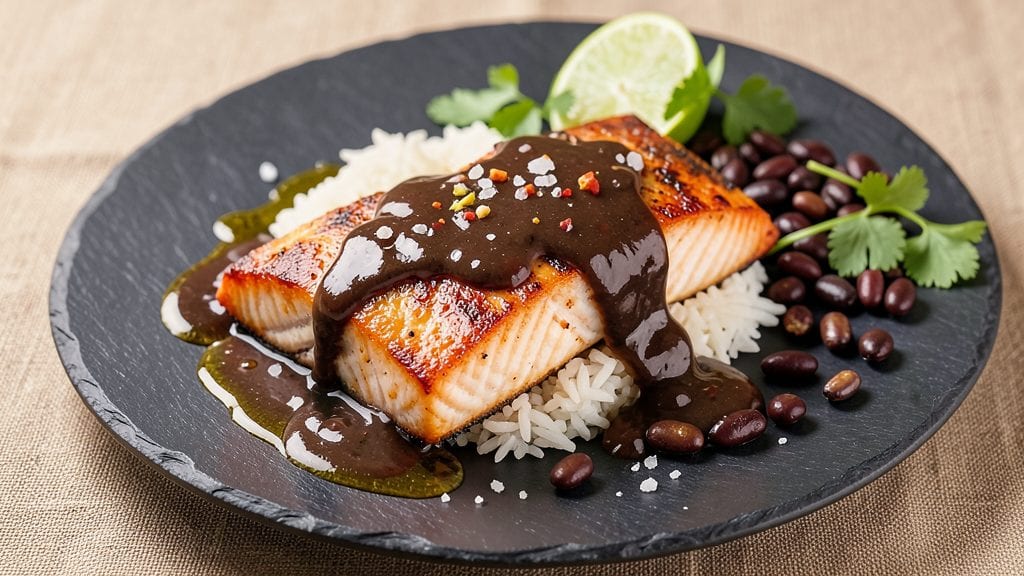
Baked salmon with black bean sauce transforms a simple weeknight dinner into a restaurant-worthy meal with just 15 minutes of prep and 20 minutes in the oven.
The umami-rich glaze—made from black beans, garlic, and soy—sticks to every flake of salmon, creating a balance of smoky, savory, and slightly sweet flavors that elevate even the simplest side dishes.
I developed this recipe after years of experimenting with black bean-based sauces, and it’s now my go-to for quick yet impressive dinners.
The beauty of this dish lies in its simplicity: no complicated techniques, no last-minute ingredient hunts. A 5-ingredient marinade (black beans, garlic, soy sauce, lime, and olive oil) infuses the salmon with deep flavor while keeping the texture tender and flaky.
The sauce thickens as it bakes, forming a glossy glaze that clings perfectly to the fish, ensuring every bite is packed with flavor. This method works equally well with fresh or frozen salmon, making it a foolproof choice for any night of the week.
By the time it emerges from the oven, you’ll have golden-brown salmon with a glossy, caramelized sauce that’s impossible to resist.
The black bean glaze adds a subtle earthiness that pairs beautifully with the natural richness of the fish, while the lime brightens the dish just enough to keep it from feeling too heavy.
Serve it alongside roasted asparagus or a simple quinoa salad to round out the meal—this dish is elegant enough for company but easy enough for a Tuesday.
What makes this recipe truly special is its versatility. Use it as a standalone dish for a light lunch or pair it with rice and steamed vegetables for a heartier dinner.
The sauce can even be made ahead and stored in the fridge for up to 5 days, so you’re always ready for a quick, flavorful meal. Let’s get started—your taste buds will thank you.
Ingredients for baked salmon with black bean sauce
Pantry staples meet restaurant flavors—just 14 ingredients for a dish that feels special.
| Ingredient | Amount | Notes |
|---|---|---|
| Fresh Salmon Fillets 🐟 | 1 ½ lb | Skin-on, center-cut preferred |
| Canned Black Beans 🫘 | 1 can | Low-sodium, drained and rinsed |
| Garlic Cloves 🧄 | 4 cloves | Freshly minced, not pre-minced jar |
| Soy Sauce 🍶 | ¼ cup | Low-sodium preferred |
| Fresh Lime 🍋 | 1 whole | Juiced, seeds removed |
| Extra-Virgin Olive Oil 🫒 | ¼ cup | For richness and moisture |
| Honey 🍯 | 1 tbsp | For subtle sweetness |
| Smoked Paprika 🌶️ | ½ tsp | For smoky depth |
| Ground Cumin 🌿 | ¼ tsp | Toasted for warmth |
| Salt 🧂 | 1 tsp | Kosher or sea salt |
| Black Pepper 🌶️ | ½ tsp | Freshly cracked |
| Fresh Cilantro 🌿 | ¼ cup | Chopped, for garnish |
| Lemon Juice 🍋 | 1 tbsp | Freshly squeezed |
| Sesame Seeds 🌾 | 1 tsp | Toasted for crunch |
The salmon is where it all starts. Center-cut fillets stay together better when baking, and skin-on adds texture. I always grab wild-caught from the seafood counter at Whole Foods or Trader Joe's—it’s pricier but worth it for the flavor. If you’re using frozen, thaw it overnight in the fridge (never under running water). The black beans? Low-sodium is key—rinsing removes any leftover saltiness that could overpower the dish. For the garlic, freshly minced makes all the difference—those pre-minced jars taste like nothing.
No smoked paprika? Regular paprika plus a pinch of liquid smoke works in a pinch. Short on lime? Lemon juice at double the amount gets you close, but the citrusy brightness is different. The honey can be swapped for maple syrup if you’re avoiding it, but raw honey adds a subtle floral note. For the soy sauce, tamari is a great gluten-free alternative. If you’re making this ahead, prep the sauce first—it thickens as it sits, so stir in an extra splash of water if it seems too stiff before baking.
This sauce keeps beautifully—make extra and store it in the fridge for up to 5 days. The salmon reheats best gently in a skillet with a splash of water. For leftovers, I wrap individual portions in parchment paper and freeze them for 2 months. Garnish with cilantro and sesame seeds right before serving—those bright pops of color make the dish feel even more special. The black bean glaze also works as a dip for veggies or a topping for rice—don’t let it go to waste!
Why You'll Love This Recipe
- One-Pan Magic: I swear by this for nights when I’d rather not wash a million dishes—just toss the salmon and beans on a sheet pan, drizzle that tangy lime-soy-garlic mix, and boom. Twenty minutes later, cleanup’s basically done. (Yes, even on a Tuesday night.)
- Umami Bomb: That black bean sauce? It’s where the magic happens—savory, slightly sweet, with garlic that sings and lime cutting through the richness. The salmon stays juicy while the edges get this perfect crisp, and honestly? It’s the kind of flavor that makes me go back for seconds.
- Weeknight to Dinner Party: I’ve served this to my book club (impressed them) and my in-laws (they asked for the recipe). The sauce works just as well over rice or with a side of greens—plus, the leftovers reheat like a dream. No one will guess it’s this unfussy.
- Budget-Friendly Protein: Fresh salmon might sound fancy, but buying fillets on sale or using frozen ones cuts costs without sacrificing quality. Canned beans? Always a pantry MVP. Between us, this is my go-to when I want something healthy but not spendy—like, actually healthy, not that sad lettuce salad nonsense.
Step-by-step instructions for baked salmon with black bean sauce
Here's how to create a perfectly balanced dish with tender salmon and a rich black bean glaze.
Prepare the Black Bean Sauce
In a food processor, combine the drained and rinsed canned black beans, minced garlic cloves, the 0.25 cup soy sauce, 1 tablespoon honey, 0.5 teaspoon smoked paprika, and 0.25 teaspoon ground cumin. Pulse until smooth, scraping down the sides as needed. The sauce should be thick but still pourable.
Transfer the sauce to a small saucepan and place it over medium heat. Stir in the juice from the whole fresh lime and bring to a gentle simmer. Let it cook for about 5 minutes until slightly thickened and fragrant. You'll smell the deep umami notes from the black beans and the subtle sweetness of the honey. Remove from heat and set aside.
Season and Prepare the Salmon
Preheat your oven to 375°F. Line a baking sheet with parchment paper or foil for easy cleanup. Pat the 1.5 lb fresh salmon fillets dry with paper towels, removing any remaining moisture. This step is crucial for achieving crispy skin.
In a small bowl, mix together 1 teaspoon salt, 0.5 teaspoon black pepper, and 1 tablespoon freshly squeezed lemon juice. Rub this mixture evenly over both sides of the salmon fillets. The lemon juice will help tenderize the fish and add a bright contrast to the rich black bean sauce.
Bake the Salmon to Perfect Doneness
Place the salmon fillets on the prepared baking sheet, skin-side down if they have skin. Drizzle the 0.25 cup extra-virgin olive oil evenly over the top of the fillets. Bake for 12 to 15 minutes, depending on thickness, until the salmon reaches an internal temperature of 145°F and flakes easily with a fork.
Here's the thing—don't overcook the salmon. It continues cooking slightly after you remove it from the oven. You'll know it's done when the edges are just beginning to turn opaque and the center is still slightly translucent. Be sure to check it at the 12-minute mark to avoid drying it out.
Glaze and Garnish the Salmon
Remove the salmon from the oven and carefully spoon the black bean sauce evenly over the top of each fillet. Return the salmon to the oven for an additional 2 to 3 minutes to let the sauce meld with the fish and create that beautiful sticky glaze.
While the salmon finishes, toast the 1 teaspoon sesame seeds in a dry skillet over medium heat for about 1 minute until fragrant. Chop the 0.25 cup fresh cilantro and set aside. Transfer the salmon to serving plates and garnish with the toasted sesame seeds and chopped cilantro. The sesame seeds add a delightful crunch that contrasts beautifully with the creamy texture of the salmon and the rich sauce.
Serve Immediately
Let the salmon rest for 2 to 3 minutes before serving to allow the juices to redistribute. The black bean sauce should be perfectly adhered to each flake, creating a harmonious balance of flavors with every bite. Serve with steamed vegetables or a fresh salad to complete the meal.
This dish delivers a perfect combination of textures and flavors—tender salmon, creamy black bean sauce, and a satisfying crunch from the sesame seeds. The umami-rich glaze sticks to every flake, making each bite unforgettable.
Pro Tips For Making Baked Salmon With Black Bean Sauce
- Preheat to 375°F: DESCRIPTION:
- Drain and Rinse Beans: DESCRIPTION:
- Sear the Salmon First: DESCRIPTION:
- Zest the Lime: DESCRIPTION:
Perfect pairings for these flavors
Side Dish Harmony
Bright, citrusy sides cut through the richness of the black bean sauce beautifully. I love serving this salmon with jasmine rice—its delicate floral notes complement the smoky depth of the sauce. Cook 1 cup rice with 1.5 cups water and a pinch of salt for perfectly fluffy grains.
For extra flair, stir in 1 tbsp toasted sesame oil and 2 tbsp chopped scallions before serving. 🌟
Roasted asparagus with lemon zest adds a fresh, crisp contrast. Toss 1 bunch asparagus with 1 tbsp olive oil, ½ tsp garlic powder, and ¼ tsp salt, then roast at 400°F for 12-15 minutes until tender-crisp. A sprinkle of Parmesan cheese elevates it to restaurant-worthy status.
Crunchy Accompaniments
Add texture with quick-pickled cucumbers—slice 1 English cucumber into ¼-inch rounds, then soak in a mix of ¼ cup rice vinegar, 1 tbsp sugar, and ½ tsp salt for 15 minutes.
The tangy crunch balances the richness perfectly. I also love serving warm tortilla chips on the side for scooping up extra sauce. 🌶️
For a heartier meal, try cilantro-lime cauliflower rice. Sauté 4 cups riced cauliflower with 1 tbsp olive oil, 2 minced garlic cloves, and 2 tbsp chopped cilantro. Finish with a squeeze of lime and a pinch of cumin for a zesty, low-carb option.
Beverage Pairings
A crisp Sauvignon Blanc from New Zealand—like Oyster Bay—cuts through the sauce’s richness with its citrusy acidity. The wine’s herbal notes mirror the cilantro and lime in the dish, creating a harmonious balance.
For a non-alcoholic option, try sparkling limeade—mix 1 cup sparkling water, ½ cup lime juice, and 1 tbsp honey over ice. 🍷
If you prefer beer, a Mexican lager like Modelo Especial complements the smoky, umami flavors without overpowering them. The light maltiness provides a clean finish that lets the salmon shine. For a bold contrast, try a hoppy IPA—the bitterness helps cleanse your palate between bites.
Nutrition facts
Frequently asked questions
Can I use frozen salmon instead of fresh?
Thaw frozen salmon overnight in the fridge for best results. Never use warm water—it promotes bacterial growth. Pat the fillets completely dry before seasoning to ensure crispy skin and proper sauce adhesion. The black bean sauce works equally well with thawed salmon, so no adjustments are needed.
How do I make this sauce vegan?
Replace the honey with 1 tablespoon maple syrup and use tamari instead of soy sauce. The black beans already provide plant-based protein, and the smoked paprika/cumin combo delivers all the umami depth. For extra richness, stir in 1 tablespoon nutritional yeast when simmering the sauce.
Why did my sauce turn out too thin?
This usually happens if you didn't simmer the sauce long enough or used too much lime juice. For a thicker glaze, reduce the sauce on the stove for an extra 3-5 minutes after baking the salmon. Alternatively, mix 1 teaspoon cornstarch with 1 tablespoon water, stir into the sauce, and cook until it thickens. The sauce should coat the back of a spoon.
What's the best way to reheat leftovers?
Gently reheat in a skillet over low-medium heat for 2-3 minutes with a splash of water or broth to prevent drying. Microwaving can make the sauce watery—avoid it. For extra flavor, add a drizzle of olive oil and a pinch of smoked paprika while reheating. Leftovers keep well for 3 days in the fridge.
Can I make the sauce ahead of time?
Yes! Prepare the sauce up to 3 days in advance and store it in an airtight container in the fridge. The flavors deepen overnight, and it thickens slightly. Reheat gently before using—stir in 1 teaspoon water if it becomes too stiff. The sauce also freezes beautifully for up to 3 months.