Side Dishes
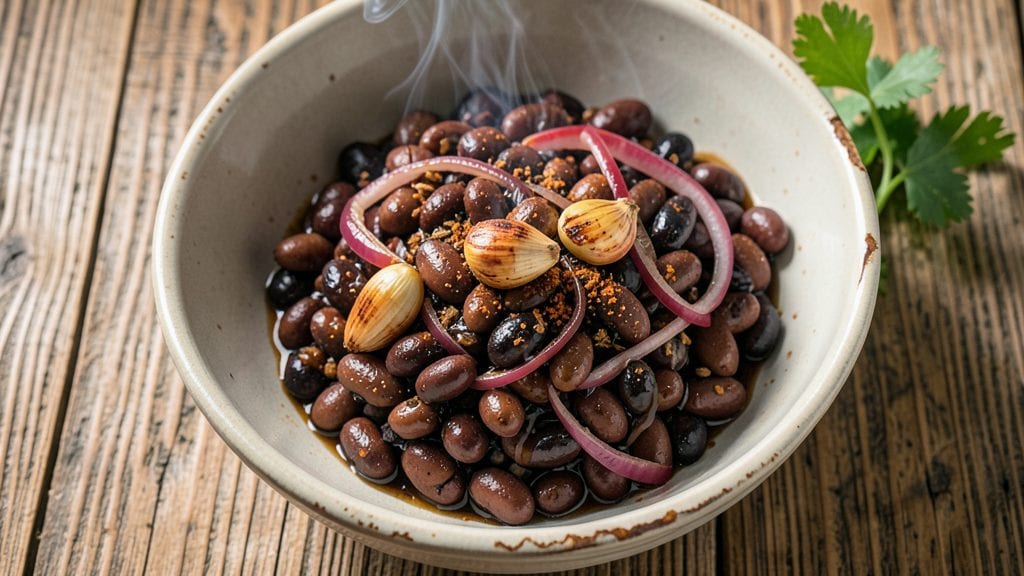
Transforming simple beans into a smoked beans recipe that carries deep, wood-fired flavor is one of the most rewarding cooking techniques I’ve mastered. The process—whether using an electric smoker, grill, or even your oven—turns ordinary beans into a rich, smoky side that elevates everything from tacos to salads.
I’ve perfected this method over years of trial and error, ensuring the beans stay tender while absorbing that irresistible smoky essence.
The key to success lies in proper preparation: soaking the beans overnight for even cooking and controlling the smoke exposure to avoid bitterness. Whether you’re using black beans, pinto beans, or white beans, the result is a dish that’s hearty, flavorful, and versatile enough to star in multiple meals.
This isn’t just a side—it’s a flavor foundation that transforms ordinary dishes into something extraordinary.
By the time you’re done, you’ll have beans with a deep, smoky aroma that fills your kitchen and a texture that’s perfectly tender yet holds its shape. The smoky notes linger long after the first bite, making this a standout addition to any table.
It’s the kind of dish that turns a simple meal into a memorable experience, and it’s easier to achieve than you might think.
Use these smoked beans in tacos, bowls, or as a dip—wherever you need that bold, smoky depth to shine. The technique is adaptable, so you can adjust the smoking time to suit your preferences. Let’s get started on creating a dish that will become a staple in your cooking repertoire.
Ingredients for smoke beans
Simple pantry staples meet smoky magic for beans that transform any meal.
| Ingredient | Amount | Notes |
|---|---|---|
| Dried Black Beans 🌾 | 1 ½ cups | Unsoaked, rinsed thoroughly |
| Water 💧 | 6 cups | For soaking and cooking |
| Apple Cider Vinegar 🍎 | 1 tbsp | For tenderizing beans |
| Wood Chips (Hickory or Mesquite) 🌳 | 1 cup | Unsoaked, for smoker/grill |
| Smoked Paprika 🌶️ | 1 tbsp | For extra smoky depth |
| Garlic Cloves 🧄 | 4 cloves | Minced, for aromatic base |
| Onion (Yellow) 🧅 | 1 whole | Diced, for flavor foundation |
| Bay Leaves 🍃 | 2 whole | Fresh, for herbal depth |
| Salt 🧂 | 1 ½ tsp | Diamond Crystal preferred |
| Black Peppercorns 🌶️ | ½ tsp | Freshly cracked for heat |
| Olive Oil 🫒 | 2 tbsp | Extra-virgin, for finishing |
| Fresh Cilantro 🌿 | ¼ cup | Chopped, for fresh finish |
| Lime (Juice) 🍋 | 2 tbsp | Freshly squeezed for brightness |
| Cumin Seeds 🌿 | 1 tsp | Toasted for earthy warmth |
The beans are the star, so pick dried black beans—they hold up best to the smoking process. Store-brand dried beans work fine, but avoid pre-cooked canned beans (they’re too soft). Soak them overnight in cold water with the apple cider vinegar—this tenderizes them and removes any bitterness. For the wood chips, hickory or mesquite gives that classic BBQ flavor, but fruitwoods like cherry add sweetness. Grab them from Traeger or local smoke shops if you’re serious about this, or the grocery store’s pre-packaged chips work for a quick fix. Just don’t skip the soaking—trust me on this.
No smoker? Use a grill with a smoker box or even your oven with a foil packet of wood chips. Short on smoked paprika? Mix regular paprika with a pinch of liquid smoke (start with 1/4 tsp). The cumin seeds can be swapped for ground cumin at half the amount, but toasting them first makes all the difference. For the onion, yellow or white works, but red adds a touch of color. Fresh cilantro is ideal, but dried won’t ruin it—just use half the amount. The lime juice? Fresh is non-negotiable—bottled won’t cut it.
Smoked beans keep for 5 days in the fridge if stored in their cooking liquid, but they’re even better the next day as flavors meld. Freeze portions for up to 3 months—just thaw overnight in the fridge. I like to portion them into glass jars so they’re ready for tacos, bowls, or salads. The smoky aroma lingers, so store them in airtight containers away from other foods. And if you make extra? Turn it into a dip with a splash of sour cream—game changer.
Why You'll Love This Recipe
- I’ll be real: dried black beans are cheap, and this method makes them taste like a restaurant dish. The wood chips and smoked paprika add a gourmet touch without breaking the bank. Plus, leftovers stretch across three meals—perfect for when you’re trying to feed a family but still want flavor, not filler.
- Deep, Smoky Magic: Honestly, the smoked paprika and hickory wood chips transform these beans into something entirely different. It’s not just "beans"—it’s rich, earthy, with a slow-cooked depth that lingers. The vinegar cuts through the heaviness, leaving you with a flavor that’s both bold and balanced. (Yes, even my picky husband asks for seconds.)
- Weeknight to Potluck: Between us, this recipe is my secret weapon for lazy nights and big gatherings. Double the batch for meal prep—it keeps for days in the fridge, or even freezes beautifully. Toss it into tacos, over rice, or straight from the pot with crusty bread. No one will guess it’s just beans.
- Budget Meal, Big Payoff: I’ll be real: dried black beans are cheap, and this method makes them taste like a restaurant dish. The wood chips and smoked paprika add a gourmet touch without breaking the bank. Plus, leftovers stretch across three meals—perfect for when you’re trying to feed a family but still want flavor, not filler.
Step-by-step instructions for smoked beans recipe
Transform simple black beans into restaurant-quality smoky flavor using just a few key techniques.
Prepare the Beans for Maximum Flavor
Rinse the 1.5 cups dried black beans thoroughly under cold water to remove any debris. Place them in a large bowl and cover with the 6 cups water and 1 tablespoon apple cider vinegar. Let them soak for at least 8 hours or overnight—this ensures they cook evenly and develop that signature creamy texture. I know it's tempting to skip soaking, but trust me, the results aren't worth the wait.
After soaking, drain the beans and transfer them to a large pot. Add fresh 6 cups water (yes, the same amount again) along with the 2 whole bay leaves, 1 teaspoon toasted cumin seeds, and 1.5 teaspoons salt. Bring to a gentle boil over medium-high heat, then immediately reduce to a simmer. You want just enough bubbles to break the surface occasionally—this prevents the beans from toughening up.
Build the Smoky Base
While the beans simmer, prepare your smoking setup. In a separate bowl, combine 1 tablespoon smoked paprika, the 4 minced garlic cloves, and the 1 diced yellow onion. Toast these together in a dry skillet over medium heat for 3-4 minutes until the onion softens and the garlic releases its aroma. This step deepens the flavor profile before we even add the smoke.
Once your smoker or grill reaches 225°F, add the 1 cup wood chips (hickory or mesquite) to the smoking chamber. Let them smolder for 10 minutes to create a steady stream of clean, blue smoke. This is your flavor foundation—don't rush it. When the smoke is flowing smoothly, transfer the simmering beans (including all their cooking liquid) to a heatproof dish that fits your smoker.
Smoke the Beans to Perfection
Place the beans in the smoker and cover with the lid. Smoke them undisturbed for 1.5 to 2 hours, maintaining that 225°F temperature. You'll know they're ready when they're fork-tender and the skins begin to split slightly. The beans should absorb the smoky aroma while maintaining their shape—this is where the magic happens. I check every 30 minutes after the first hour to ensure the temperature stays stable.
Here's the thing—don't over-smoke. The beans should taste smoky but still recognize themselves as beans. If you push it too far, they'll take on a bitter edge. Once they reach 200°F internal temperature and are tender, remove them from the smoker and let them cool slightly in their cooking liquid.
Finish with Bright, Fresh Flavors
Strain the beans, reserving 1 cup of the smoky cooking liquid. In a large skillet, heat the 2 tablespoons olive oil over medium heat. Add the toasted garlic-onion mixture from Step 2 and cook for 1 minute to revive those flavors. Then stir in the beans, 0.5 teaspoon cracked black peppercorns, and the reserved cooking liquid. Let it all simmer together for 3-4 minutes until heated through.
Finally, remove from heat and stir in the 2 tablespoons fresh lime juice and 0.25 cup chopped fresh cilantro. The acidity brightens the smoky depth while the cilantro adds a fresh finish. Taste and adjust seasoning—you might need a pinch more salt to balance the lime. Serve immediately over rice or as a filling for tacos, where that smoky flavor truly shines.
Pro Tips For Making Smoke Beans
- SOAK BEANS OVERNIGHT: Dried black beans refuse to soften properly if you rush the soaking. I learned this the hard way—toss them in a bowl with cold water, cover, and let them sit 12+ hours. No need to boil them first; just drain and rinse before cooking.
- USE WOOD CHIPS RIGHT: Soak your hickory or mesquite chips for 30 minutes before adding them to the smoker—dry chips burn fast and won’t smoke well. Spread them on foil, crumple it up, and poke holes for even heat. (Yes, even if you’re impatient like me.)
- SKIP THE BOIL-OVER: Watch the heat when the beans start cooking—if the liquid overflows, you’ll lose flavor and smoke. Keep the smoker at 225°F (107°C) and stir occasionally. A splash of apple cider vinegar at the start helps control foam without drowning the beans.
- SAVE TIME WITH SMOKED PAPRIKA: No smoker? Mix 1–2 teaspoons of smoked paprika into the beans during the last 15 minutes of cooking. It won’t replace real smoke, but it’ll add depth faster than you’d think. (Your future self will thank you.)
Wine and beer pairings for this recipe
Red Wine Pairings
For smoked beans, I reach for medium-bodied red wines that complement the smoky depth without overpowering it. A Zinfandel from California—especially one with 12-14% ABV—is my go-to. Its dark fruit notes and subtle spice mirror the smokiness while adding a touch of brightness.
Look for bottles like Ravenswood Zinfandel or Seghesio Sonoma Mountain Zinfandel for that perfect balance. 🍷
White Wine Contrast
If you prefer white wine, a dry Riesling from Germany or Washington State works surprisingly well. The wine’s crisp acidity and hints of citrus cut through the richness of the smoked beans.
I love Dr. Loosen Blue Slate Riesling—its mineral notes and slight sweetness provide a refreshing contrast. Serve it slightly chilled (45-50°F) to enhance its refreshing qualities.
Craft Beer Pairings
A smoked porter or barleywine is a bold choice that echoes the smoky flavors in the beans. Deschutes Brewery’s The Abyss (a smoked porter) has a deep, caramelized malt backbone that pairs beautifully with the smokiness.
For a lighter option, try a Belgian witbier like Stella Artois Wit, which offers citrusy notes that brighten the dish. 🍺
Lighter Beer Options
If you’re avoiding heavy flavors, a Mexican lager like Modelo Especial or Pacifico cleanses the palate without competing. The subtle hop bitterness enhances the smoky notes while keeping the meal feeling fresh. I also enjoy a German Helles Lager—its malty sweetness balances the smokiness perfectly.
Non-Alcoholic Choices
For a non-alcoholic option, try smoked black tea like Lapsang Souchong—its bold, smoky aroma complements the dish beautifully. Alternatively, a sparkling ginger beer with a splash of lime juice provides a refreshing contrast. Both options enhance the smoky flavors without overpowering them. 💫
Nutrition facts
Frequently asked questions
Can I use canned beans instead of dried for this smoked beans recipe?
While you can use canned beans, they won't develop the same smoky depth or texture. Dried beans absorb the smoke better and become more tender. If you must use canned, drain and rinse them thoroughly, then simmer in fresh water with the smoked paprika and wood chips for 30-45 minutes to infuse some smokiness. The result won't be as rich, but it's a decent workaround in a pinch.
What's the best wood chip flavor for smoking beans?
For classic smoky flavor, hickory or mesquite wood chips work perfectly—they're bold and complement beans beautifully. If you want something sweeter, try apple or cherry wood chips. Avoid pine, as it can taste too resinous. For a mild smoky touch, alder or pecan are great alternatives. Always soak your wood chips for 30 minutes before using to prevent flare-ups.
How do I fix beans that taste bitter after smoking?
Bitter beans usually mean over-smoking or under-soaking. To fix it, stir in 1 teaspoon apple cider vinegar or 1 tablespoon lime juice to brighten the flavor. If the bitterness lingers, add a touch of sugar (1/4 teaspoon) to balance it. For future batches, reduce smoking time to 1 hour and ensure beans are soaked 8+ hours beforehand. The key is patience—rushing the process leads to bitterness.
Can I make smoked beans in an oven without a smoker?
Place 1 cup wood chips in a foil packet, poke holes in it, and put it on the oven rack. Preheat the oven to 250°F and smoke the beans on the middle rack for 1.5-2 hours, stirring occasionally. For extra flavor, add a splash of liquid smoke (1/2 teaspoon) to the cooking liquid. The oven method works best for small batches—just keep the door slightly ajar to let smoke escape.
How can I store smoked beans for later use?
Store smoked beans in their cooking liquid in an airtight container in the fridge for up to 5 days. For longer storage, freeze them in portions for up to 3 months. When reheating, add a splash of water or broth to prevent drying out. The flavor actually improves after a day or two as the smoky notes deepen. Label containers with the date to track freshness.