
Side Dishes
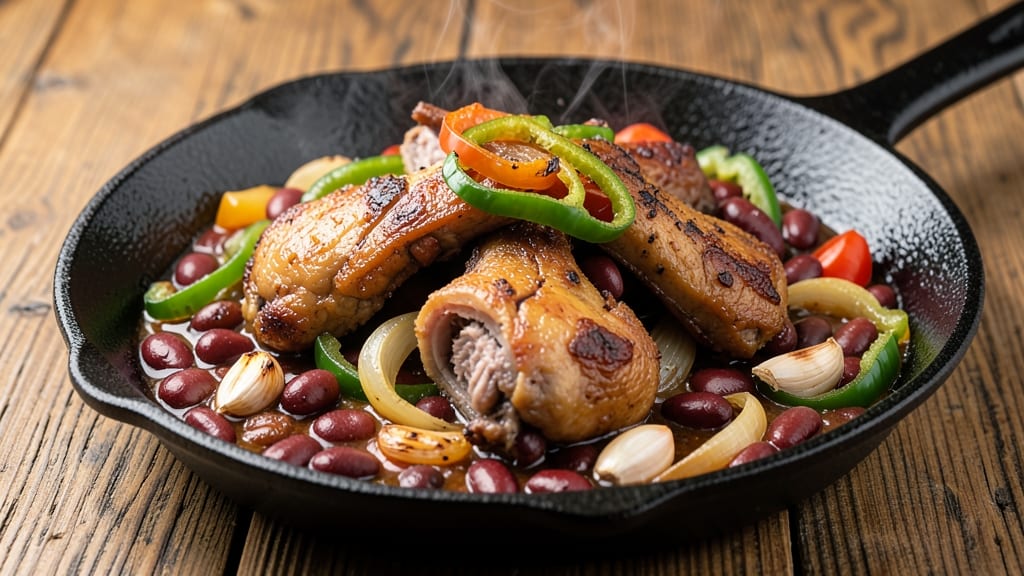
This Puerto Rican beans with pigs' feet recipe delivers the slow-simmered richness and crispy edges that define traditional habichuelas guisadas—a dish that transforms humble ingredients into something deeply satisfying.
The pigs' feet add a luxurious texture and depth of flavor that elevates the beans from side dish to centerpiece, while the slow cooking process unlocks their natural sweetness.
I first tasted this dish in a family-owned parrilla in San Juan, where the aroma of garlic, sofrito, and simmering beans filled the air—now I recreate that same magic in my kitchen.
The secret lies in the preparation: the pigs' feet must be blanched and parboiled to remove impurities before they join the beans in a long, gentle simmer. This method ensures the meat becomes tender and the broth rich, while the beans develop their signature creamy texture.
Traditional recipes call for hours of simmering, but I’ve adapted it to work in a pressure cooker for modern kitchens without sacrificing authenticity. The result? A dish that’s hearty enough for a family dinner but elegant enough for gatherings.
What you’ll end up with is a pot of beans so flavorful they’ll disappear from your bowl before you realize it—crispy, caramelized edges on the pigs' feet contrast perfectly with the velvety beans.
The sofrito base, made with fresh garlic, onions, and bell peppers, infuses every bite with warmth, while a touch of adobo seasoning ties it all together.
This isn’t just a side dish; it’s a celebration of Puerto Rican comfort food, made richer by the time and care you put into it.
Serve it alongside arroz con gandules, tostones, or a simple ensalada de repollo to round out the meal. The beans keep well in the fridge for up to five days, so you’ll have leftovers to enjoy—though I can’t promise they’ll last that long. Let’s get cooking!
Ingredients for puerto rican beans with pigs feet
Pigs' feet and beans transform into a Puerto Rican masterpiece with crispy edges and velvety texture.
| Ingredient | Amount | Notes |
|---|---|---|
| Pigs' Feet 🐷 | 2 lb | Fresh, cleaned and blanched |
| Dry Red Kidney Beans 🌱 | 2 cups | Soaked overnight or quick-soaked |
| Fresh Garlic Cloves 🧄 | 8 cloves | Minced for sofrito base |
| Yellow Onions 🧅 | 2 whole | Medium, chopped for sofrito |
| Green Bell Peppers 🌶️ | 2 whole | Chopped for sofrito |
| Tomatoes 🍅 | 4 whole | Ripe, chopped or crushed |
| Olive Oil 🫒 | ½ cup | Extra-virgin for richness |
| Adobo Seasoning 🌶️ | 2 tbsp | Traditional Puerto Rican blend |
| Bay Leaves 🌿 | 2 whole | For aromatic depth |
| Salt 🧂 | 1 ½ tsp | Kosher or sea salt |
| Black Peppercorns 🌶️ | 1 tsp | Freshly cracked |
| Cumin Seeds 🌿 | 1 tsp | Toasted for warmth |
| Water 💧 | 8 cups | For simmering beans |
| Fresh Cilantro 🌿 | ¼ cup | Chopped for garnish |
The pigs' feet are the star—look for fresh, uncooked feet at Latin markets or specialty butchers. Costco or local Puerto Rican grocers often carry them pre-cleaned, which saves time. If you can't find fresh, frozen works (thaw overnight). The beans? Dry red kidney beans are traditional—soak them overnight for best texture. I always double-check the feet for any remaining hair or impurities before blanching. For the sofrito, fresh garlic and bell peppers make all the difference—skip the jarred stuff, trust me. The tomatoes should be ripe but firm, not mushy.
No pigs' feet? Pork shoulder or ham hocks can work in a pinch, but the texture won't be the same. Swapping beans? Black beans or pintos work, but kidney beans hold up best to long simmering. Short on fresh garlic? Garlic powder at half the amount gets you close, but the flavor won't be as vibrant. The adobo seasoning is key—Penzeys or local Puerto Rican markets have the best blends. No adobo? Mix 1 tsp each of oregano, garlic powder, and onion powder as a substitute. For the bell peppers, red or yellow work too—just keep the color consistent for presentation.
This dish tastes even better the next day as flavors meld. Store in airtight containers for 5 days in the fridge. Freezes beautifully for 3 months—portion into containers before freezing for easy reheating. The pigs' feet crisp up best when reheated gently, so cover with a lid and warm on low heat. Garnish with fresh cilantro right before serving (it wilts fast). Leftovers? Perfect for rice bowls or tacos the next day.
Why You'll Love This Recipe
- One-Pot Magic: I swear by this recipe—just toss everything in one pot, walk away, and come back to a dish that smells like home. No chopping boards to scrub, no extra bowls to wash.
- Rich, Unforgettable Depth: The pigs' feet add this insane meaty richness, while the garlic and onions caramelize into something sweet and savory. That crispy skin on the beans? Pure satisfaction.
- Weeknight Crowd-Pleaser: Between us, this feeds a family of six for under $15. Serve it with rice, toast some bread on the side, and suddenly you’re the hero of dinner—no takeout needed.
- Leftovers That Taste Better: Honestly, the flavor improves the next day. The beans soften just right, the broth thickens, and it’s the perfect lunch for the next two days. (Yes, even on a Tuesday.)
Step-by-step instructions for Puerto Rican beans with pigs feet
Here's how to create rich, slow-simmered beans with perfectly crispy pigs' feet every time.
Prepare the Pigs' Feet for Crispy Perfection
Begin by cleaning the 2 lb pigs' feet thoroughly under cold running water, scrubbing off any remaining hair or debris. This step is crucial for flavor and texture. Next, place them in a large pot and cover with cold water by about 2 inches. Bring to a boil over high heat, then immediately reduce to a simmer for 10 minutes. This blanching step removes impurities and prepares the skin for crisping.
Drain the blanched pigs' feet and pat them completely dry with paper towels. I like to press down firmly on each section to ensure no moisture remains—this is what guarantees that crispy exterior later. While they're still warm, rub them lightly with ½ cup olive oil, focusing on the knuckles and joints where crispiness develops best. Set aside on a wire rack.
Build the Flavorful Sofrito Base
In a large Dutch oven, heat ½ cup olive oil over medium heat. Add the 8 cloves minced fresh garlic cloves, 2 whole chopped yellow onions, and 2 whole chopped green bell peppers. Sauté for 8-10 minutes until the onions are translucent and the peppers soften—this forms the aromatic foundation. You'll smell the garlic release its sweetness, which is your cue to add the 4 whole chopped tomatoes and cook for another 5 minutes until they break down.
Stir in the 2 tbsp adobo seasoning, 1.5 tsp salt, 1 tsp black peppercorns, and 1 tsp cumin seeds. Toast the spices for 1 minute until fragrant—this releases their full flavor potential. Add the 2 whole bay leaves and 2 cups dry red kidney beans, giving everything a good stir to coat the beans in the sofrito mixture.
Simmer the Beans Until Tender
Pour in 8 cups water to cover the beans by about 1 inch. Bring to a boil, then immediately reduce heat to low and cover partially. Let the beans simmer gently for 2-2.5 hours, stirring occasionally to prevent sticking. The beans are done when they're fork-tender and the liquid has reduced slightly, creating a thick, flavorful stew. You'll know they're ready when they're soft but still hold their shape.
During the last 30 minutes of cooking, add the prepared pigs' feet to the pot. They should be submerged in the bean mixture, which will help them cook gently and absorb all those rich flavors. The low heat ensures the beans don't overcook while the pigs' feet become tender.
Achieve Crispy Pigs' Feet and Final Flavor
Once the beans are tender, carefully remove the pigs' feet and pat them dry again with paper towels. Place them on a baking sheet lined with parchment paper and broil in the oven for 5-7 minutes until they develop deep golden brown spots and crispy edges. This is where the magic happens—the contrast between tender meat and crispy skin makes this dish extraordinary.
Return the crispy pigs' feet to the bean pot and let everything simmer together uncovered for another 10 minutes. This final step allows the flavors to meld completely. Taste and adjust seasoning if needed—sometimes the beans need a touch more salt to balance the richness.
Serve with Fresh Garnish
Ladle the beans into bowls, arranging the crispy pigs' feet prominently on top. Garnish each serving with ¼ cup chopped fresh cilantro for a bright, fresh finish. The contrast of temperatures—warm beans with crispy, slightly charred pigs' feet—makes every bite exciting. Serve immediately while the crispiness is at its peak, with warm rice or crusty bread to soak up the delicious sauce.
This dish tastes even better the next day as the flavors continue to develop, but the pigs' feet will be at their crispiest when first served. The combination of tender beans and crispy, flavorful pigs' feet makes this a true Puerto Rican comfort food experience.
Pro Tips For Making Puerto Rican Beans With Pigs Feet
- BLANCH FEET FIRST: Drop those pigs' feet into boiling water for 5 minutes before browning—this loosens the skin and keeps the meat from turning rubbery later. I learned this the hard way after serving tough, chewy feet that had me questioning my life choices.
- SOAK BEANS LONG: Dump those dry kidney beans in water the night before and change it twice. Skimping here means gummy beans that won’t break down, no matter how long you simmer. Trust me, the extra 10 minutes now saves hours of frustration later.
- CRISP THE SKIN: After browning the feet, let them cool slightly before adding them to the pot—this prevents the skin from sliding off mid-cook. A splash of vinegar in the final simmer helps too; it’s the only way to get that crispy, caramelized texture without burning the pot.
- SWEAT NOT SAUTE: Cook the onions and peppers low and slow until they’re translucent, not browned—this builds flavor without burning. I used to rush this step and ended up with bitter, charred veggies that ruined the whole dish. Patience here makes all the difference.
Storing and reheating your leftovers
Fridge Storage Secrets
Store your Puerto Rican beans with pigs' feet in airtight glass containers—I use Pyrex with snap-on lids—for up to 5 days in the fridge. The flavors actually deepen overnight as the spices meld together, creating an even richer taste.
Always let the dish cool completely before transferring to avoid condensation, which can make the pigs' feet soggy. 🌿
When reheating from the fridge, transfer the beans to a heavy-bottomed pot and add ¼ cup water or broth to prevent sticking. Warm over medium-low heat for 10-15 minutes, stirring occasionally.
The pigs' feet will crisp up again during reheating, so keep an eye on them to avoid over-browning. Garnish with fresh cilantro right before serving to preserve its vibrant color and freshness.
Freezer Magic
This dish freezes beautifully for up to 3 months, making it perfect for meal prep. Portion into quart-sized freezer bags or glass containers, leaving 1 inch of headspace for expansion.
Squeeze out excess air to prevent freezer burn—this keeps the texture and flavor intact. Label with the date to track freshness. ❄️
To reheat from frozen, thaw overnight in the fridge first. Then, follow the same stovetop method as fridge leftovers, but add ½ cup extra liquid to help break down any frozen bits.
If short on time, microwave on 50% power in 2-minute intervals, stirring between each, until reaching 165°F internal temperature. The pigs' feet may lose some crispiness but still taste delicious.
Reviving Crispy Edges
The pigs' feet are the star—if they lose their crispiness after storage, don’t worry! Before serving, pat them dry with paper towels and broil in the oven for 3-5 minutes at 400°F until golden and crispy again. This quick step restores their texture and makes the dish feel fresh. 🔥
For extra flavor, drizzle a little olive oil over the pigs' feet before broiling. You can also sprinkle with ½ tsp smoked paprika for a smoky kick. Serve immediately after crisping to enjoy that satisfying contrast of textures.
Meal Prep Hacks
Double the recipe and freeze half for future meals—this dish is even better as leftovers! When reheating, I like to add a splash of beef broth to enhance the savory depth. Store components separately if possible: freeze the beans in one container and the pigs' feet in another.
This way, you can reheat just the beans first and crisp the feet fresh when ready to eat. 💡
Use leftovers to create quick lunches by serving the beans over white rice or in tortillas with avocado. The flavors hold up well, making this a versatile dish for busy weeks. Just avoid reheating the cilantro—always add it fresh to keep the dish bright and flavorful.
Nutrition facts
Frequently asked questions
Why do the pigs' feet need to be blanched before cooking?
Blanching removes impurities like hair and skin residue that can make the final dish taste bitter. The 10-minute simmer also helps tenderize the collagen in the skin, ensuring it crisps up beautifully later. Skipping this step risks a tough, flavorless texture.
Can I use canned beans instead of dry?
Yes, but the texture won't be as rich. Use 2 (15-oz) cans of red kidney beans, drained and rinsed, and reduce simmering time to 1 hour. Add them during the last 30 minutes of cooking to prevent mushiness. For best results, stick with dry beans—they absorb more flavor.
What's the best way to get crispy pigs' feet?
Pat them completely dry after blanching and oil them generously with ½ cup olive oil, focusing on the joints. Broil for 5-7 minutes at 450°F until golden brown. For extra crispiness, broil again after reheating leftovers. The key is dryness—moisture is the enemy of crispy skin!
How do I make this dish vegetarian?
Replace pigs' feet with extra-firm tofu or mushrooms (like portobello). For texture, use 2 cups cubed firm tofu pressed for 30 minutes, then pan-fried until crispy. Boost umami with 1 tbsp soy sauce in the sofrito. The beans will still be delicious—just the protein changes!
Can I cook this in a slow cooker?
Brown the sofrito ingredients first, then transfer everything to the slow cooker. Cook on low for 6-7 hours or high for 4 hours. Add pigs' feet in the last 1 hour and crisp them separately before serving. The slow cooker makes the beans extra tender with minimal effort.