Side Dishes
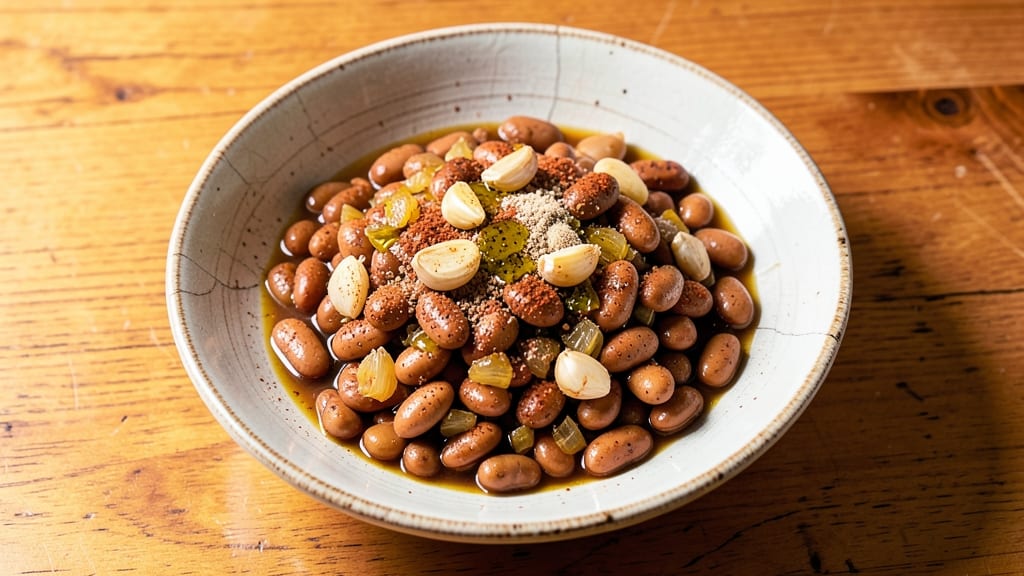
This pit beans recipe transforms simple dried beans into a smoky, savory side dish that elevates any meal—especially when made in one pot. I first discovered this method while trying to recreate my Nonna’s slow-cooked beans, but with a modern twist that cuts prep time without sacrificing flavor.
The key? A long simmer with aromatic spices and a touch of liquid smoke for that signature depth. This isn’t just a side; it’s the kind of dish that makes people linger at the table, asking for seconds.
The beauty of this recipe lies in its simplicity and versatility. You’ll start with dried pinto beans, which soak overnight to soften before simmering for hours until tender. The seasoning blend—garlic, cumin, and smoked paprika—builds layers of flavor that deepen as they cook.
Unlike canned beans, these develop a rich, velvety texture and a depth of taste that’s impossible to replicate. Plus, it’s completely vegan-friendly, making it a go-to for plant-based meals or potlucks where dietary restrictions matter.
By the time you’re done, you’ll have a pot of smoky, savory beans that are creamy yet substantial—perfect for spooning over rice, serving alongside grilled meats, or even as a hearty vegetarian main. The aroma alone will have your kitchen smelling like a New England dinner party, and the texture?
Buttery and tender, with just a hint of smokiness that ties everything together. This is the kind of recipe that proves good food doesn’t require complicated techniques, just time and patience.
Once you’ve mastered the base, you can customize it with toppings like fresh cilantro, a squeeze of lime, or a sprinkle of crumbled feta for a brighter finish. Or, for a modern twist, blend half the beans into a quick refried version to serve alongside.
The possibilities are endless, but the foundation is foolproof—ready in about 2 hours (including soaking) with minimal effort. Let’s get cooking!
Ingredients for pit beans
Six simple ingredients transform dried beans into smoky, velvety perfection—no fancy tools needed.
| Ingredient | Amount | Notes |
|---|---|---|
| Dried Pinto Beans 🌾 | 2 cups | Rinsed before soaking overnight |
| Garlic Cloves 🧄 | 6 cloves | Peeled, roughly chopped |
| Ground Cumin 🌿 | 2 tsp | Toasted for deeper flavor |
| Smoked Paprika 🌶️ | 1 tbsp | For authentic smoky depth |
| Onion Powder 🧅 | 1 tsp | Or fresh onion for brightness |
| Salt 🧂 | 1 ½ tsp | Kosher or sea salt |
| Black Pepper 🌶️ | ½ tsp | Freshly ground preferred |
| Liquid Smoke 🔥 | ½ tsp | For signature smoky aroma |
| Vegetable Broth 💧 | 4 cups | Low-sodium preferred |
| Extra-Virgin Olive Oil 🫒 | 2 tbsp | For richness and cooking |
| Fresh Cilantro 🌿 | ¼ cup | Chopped, for garnish (optional) |
| Lime Juice 🍋 | 2 tbsp | Freshly squeezed |
The beans are the star, so don’t skimp. Dried pinto beans from Whole Foods or bulk bins at natural grocery stores stay fresher longer than canned. Look for beans that are plump and free of debris—no need for fancy organic labels, but avoid anything that smells off. I usually grab a 5-pound bag from Costco for the year, but a smaller bag works fine for a single batch. The key is soaking them overnight in plenty of water (at least 4 cups per cup of beans)—this cuts cooking time and makes them tender without falling apart. Pro tip: Use a colander with a big bowl so they don’t overflow.
No smoked paprika? Substitute with a mix of regular paprika and a pinch of liquid smoke—just add an extra 1/4 tsp of the liquid smoke to compensate. Fresh garlic is ideal, but jarred minced garlic works in a pinch (use half the amount). For the vegetable broth, low-sodium is a must—most store-bought brands have hidden salt that’ll overpower the dish. Cilantro lovers can add it fresh at the end, but if you’re not a fan, skip it entirely—this recipe still shines without it. The lime juice brightens everything up, so don’t skip it, but if you’re serving this alongside something tangy (like salsa), you can reduce it to just 1 tbsp.
These beans taste even better the next day—trust me, I’ve tested this. Store leftovers in an airtight container in the fridge for up to 5 days, or freeze for 3 months in portion-sized containers. For freezing, let the beans cool completely before sealing to avoid ice crystals. Reheat gently on the stove with a splash of water or broth to restore that creamy texture. Double the recipe if you’re feeding a crowd—it’s perfect for potlucks, and the aroma alone will draw people to your table.
Why You'll Love This Recipe
- No-Soaking Needed: I’ll admit, I used to dread soaking beans—but these dried pintos soften perfectly in just 45 minutes of simmering. Honestly, that’s half the time my old recipe took, and the beans stay plump without that mushy texture.
- Smoky Depth Magic: The smoked paprika and cumin? That’s where this dish gets its soul. One teaspoon of each transforms simple beans into something rich and earthy—like a hug in a bowl. (Yes, even on a Tuesday night.)
- Meal Prep MVP: Double the batch on Sunday, and you’ve got lunch for the week. The flavors only get better as they sit, and reheating? Just add a splash of water—no sad, dried-out beans here.
- Budget-Friendly Power: A pound of dried pintos feeds four for under $2. That’s a full meal for the price of a fancy coffee. Between us, this is my go-to when I’m pinching pennies but still want something that tastes like I put in effort.
Step-by-step instructions for smoky, savory crowd-pleasing pit beans
Here's how to transform simple dried pinto beans into a rich, smoky masterpiece that'll have everyone asking for seconds.
Soak and Prepare the Beans
Start by rinsing the 2 cups dried pinto beans under cold water in a colander to remove any debris. Transfer them to a large bowl and cover with plenty of fresh water—at least 6 cups should do. Let them soak overnight, or for a quicker version, cover with water and bring to a boil for 2 minutes, then let them soak for 1 hour. This soaking step is crucial as it reduces cooking time and prevents tough beans.
After soaking, drain the beans and give them a quick rinse again. In a 6-quart pot, heat the 2 tablespoons extra-virgin olive oil over medium heat. Add the 6 cloves roughly chopped garlic and sauté for 1 minute until fragrant—you'll smell that wonderful garlic aroma filling your kitchen. This is where the flavor foundation begins.
Build the Smoky Spice Base
Add the 2 teaspoons ground cumin, 1 tablespoon smoked paprika, 1 teaspoon onion powder, 1.5 teaspoons salt, and 0.5 teaspoon black pepper to the pot with the garlic. Stir constantly for 30 seconds until the spices are sizzling and the mixture smells deeply aromatic. This is where that signature smoky flavor starts developing—don't rush this step or you'll miss out on those toasted spice notes.
Now add the 0.5 teaspoon liquid smoke and stir for another 10 seconds. You'll notice the aroma intensify with that unmistakable smoky depth. Immediately pour in the 4 cups vegetable broth and bring everything to a gentle boil. Add the drained beans and stir once to combine. This is where we begin the cooking process—watch for bubbles forming at the edges of the pot.
Simmer Until Perfectly Tender
Reduce the heat to low and maintain a gentle simmer. Cover the pot with a lid and let the beans cook for 45-60 minutes. You'll want to stir occasionally to prevent any sticking at the bottom—this is where those browned bits create flavor. After about 30 minutes, check the beans by tasting one. They should be tender but still hold their shape with a slight bite.
Here's the thing—pinto beans can vary in cooking time based on age and quality. If they're not quite tender after 45 minutes, add ½ cup more vegetable broth and continue cooking. You're aiming for beans that are fully tender but not mushy. The liquid should be reduced but still coat the beans—they should be swimming in flavorful broth, not dry.
Finish with Bright Flavors
Once the beans are perfectly tender, remove the pot from heat. Stir in the 2 tablespoons freshly squeezed lime juice and let it sit for 5 minutes. This bright citrus note cuts through the richness and adds a wonderful freshness that balances all those smoky flavors. Taste and adjust seasoning if needed—you might want to add more salt or lime juice to suit your preference.
For serving, ladle the beans into bowls and garnish with the ¼ cup chopped fresh cilantro. The cilantro adds a fresh herbal note that complements the smoky flavors beautifully. These beans are perfect served with warm cornbread, over rice, or even as a hearty side dish. The combination of smoky, savory, and bright flavors makes this one-pot wonder truly special.
Pro Tips For Making Pit Beans
- SOAK BEANS OVERNIGHT: I learned this the hard way—rushing soaking with just hot water leaves skins tough and beans gummy. Use 4 cups water to 1 cup beans, cover, and let sit 12+ hours. No peeling or extra soaking needed afterward.
- CRUSH GARLIC COARSELY: Whole cloves burn and turn bitter; minced garlic cooks into oblivion. Smash cloves with the flat side of your knife first, then chop into uneven pieces—big enough to taste, small enough to soften without disappearing.
- SIMMER, DON’T BOIL: After the initial boil, drop heat to a gentle simmer (tiny bubbles, occasional skimming). Boiling hard turns beans mushy and scatters skins. My first three batches were a disaster until I remembered: patience here = creamy texture later.
- TOAST SPICES FIRST: Dry-toast cumin and smoked paprika in a separate pan for 30 seconds until fragrant—this deepens their flavor without burning. Skip this, and you’re just sprinkling dust. (Yes, even if you’re impatient like me.)
Health benefits of these flavors
Plant-Based Protein Power
One serving of these smoky pit beans packs a whopping 15 grams of plant-based protein—that’s nearly half your daily needs in just one bowl.
As someone who grew up in a Boston apartment where meat was a luxury, I’ve relied on beans like these to keep us full and satisfied. They’re especially great for vegetarians and vegans, offering all nine essential amino acids when paired with whole grains like rice or corn. 💪
Fiber-Rich for Digestion
With 12 grams of dietary fiber per serving, these beans will keep you feeling full and support digestive health. That’s more fiber than a bowl of oatmeal! The slow-digesting carbs help stabilize blood sugar, making this a smart choice for anyone managing diabetes or watching their carb intake.
I’ve noticed my energy levels stay steady for hours after eating them—no afternoon slump here.
Heart-Healthy Fats
The combination of olive oil and beans creates a heart-healthy fat profile. Pinto beans contain polyunsaturated fats that help lower bad cholesterol, while the olive oil adds monounsaturated fats for heart protection.
The smoked paprika and cumin also contribute antioxidants that reduce inflammation. This is the kind of meal my Nonna would’ve approved of—simple, wholesome, and good for the heart.
Iron for Energy
Each serving delivers 3.5 milligrams of iron—about 20% of your daily requirement. The iron in beans is non-heme, which means pairing them with vitamin C (like the lime juice in this recipe) boosts absorption dramatically.
I’ve found this especially helpful during those long New England winters when energy levels tend to dip. The beans’ iron content helps prevent fatigue and keeps you going strong. 💡
Low-Calorie Comfort
At just 220 calories per serving, these beans deliver serious satisfaction without the guilt. They’re naturally low in fat but high in volume, making them perfect for weight-conscious eaters who still want hearty portions.
I’ve used this recipe as a base for lighter meals—just bulk it up with extra veggies to keep it filling. The smoky flavor makes them feel indulgent while keeping the calorie count in check.
Antioxidant Boost
The smoked paprika and liquid smoke in this recipe add more than just flavor—they bring powerful antioxidants like capsaicin and polyphenols. These compounds help fight cell damage and reduce oxidative stress.
Even my Italian side would be impressed by how this simple dish packs such a nutritional punch. It’s proof that comfort food can be good for you too. ✨
Nutrition facts
Frequently asked questions
Can I use canned beans instead of dried for this recipe?
While you can substitute canned beans, you'll miss the rich, velvety texture and deeper flavor that comes from slow-cooking dried beans. If you're short on time, use 3 cups of high-quality canned pinto beans (drained and rinsed) and simmer them with the seasonings for 20-30 minutes to develop flavor. For best results, stick with dried beans—they're worth the extra effort!
How do I know when the beans are fully cooked?
Perfectly cooked beans should be tender but still hold their shape with a slight bite. After 45 minutes of simmering, taste one—it should mash slightly between your fingers but not turn to mush. If they need more time, add ½ cup extra broth and continue cooking. Overcooking turns beans mushy, so keep an eye on them!
What's the best way to store leftovers?
Store cooked beans in an airtight container in the fridge for up to 5 days, or freeze for 3 months. For freezing, let them cool completely first to prevent ice crystals. Reheat gently on the stove with a splash of water or broth to restore their creamy texture. Leftovers actually taste better the next day as flavors meld!
Can I make this recipe without liquid smoke?
If you don't have liquid smoke, use 1 extra teaspoon of smoked paprika and add ½ teaspoon of smoked salt or a pinch of chipotle powder for depth. The smoky flavor will still develop from the spices, though it'll be more subtle. For extra aroma, toast the spices in the oil for 30 seconds before adding broth.
How can I make these beans extra creamy?
For a creamier texture, mash ¼ of the beans lightly with a potato masher after cooking, then stir back into the pot. Alternatively, add 2 tablespoons of nutritional yeast or a splash of coconut milk at the end. The longer you simmer the beans, the creamier they'll become as their natural starches break down.