
Side Dishes
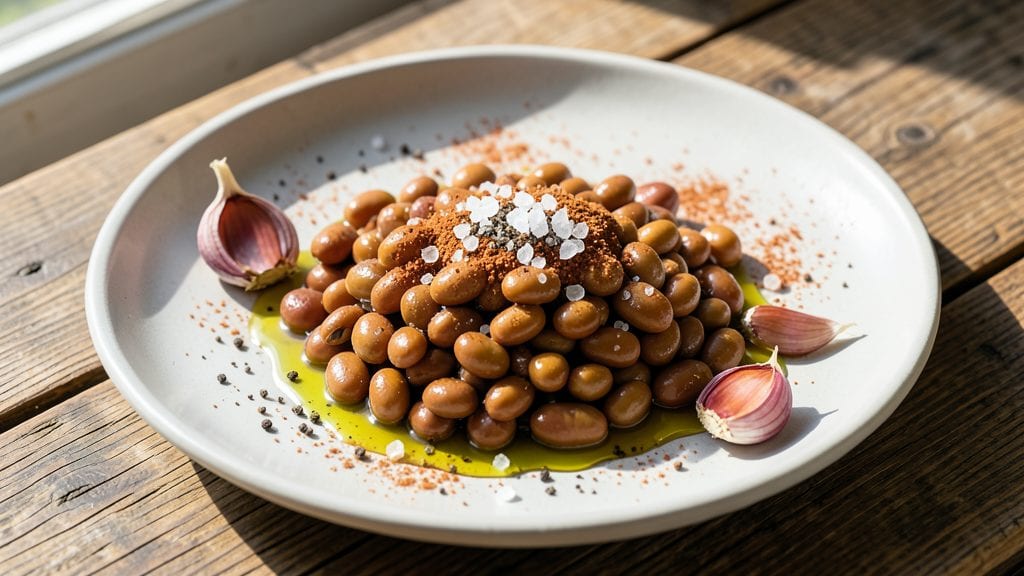
This lupin beans recipe unlocks the nutty, earthy potential of one of nature's most versatile legumes, transforming them into a crispy-tender roast that rivals any gourmet side dish.
After years of experimenting with underutilized ingredients, I discovered that proper dehulling and marinating elevate lupin beans from humble legumes to a restaurant-worthy centerpiece—packed with plant-based protein and a texture that surprises even skeptics.
The secret lies in the preparation: a simple saltwater soak removes bitterness while plumping the beans, followed by a marinade of olive oil, garlic, and smoked paprika that infuses them with bold, savory depth.
Roasting at high heat creates that coveted crispy exterior while keeping the interior tender and flaky, with a nutty flavor that pairs beautifully with Mediterranean or Asian-inspired dishes. This method delivers foolproof results every time, with minimal effort and maximum impact.
What you'll end up with is a dish that's crispy at the edges, tender in the center, and bursting with nutty, garlicky flavor—perfect for serving alongside grilled meats, in hearty salads, or as a standalone protein-rich side.
The technique is simple enough for weeknight cooking but impressive enough for dinner parties, making it a game-changer for anyone looking to expand their plant-based repertoire.
The best part? These roasted lupin beans keep well for up to 5 days in the fridge, making them ideal for meal prep. Whether you're serving them at a gathering or simply elevating your weekly side dishes, this recipe proves that crispy-tender lupin beans belong in every kitchen.
Let's get started with the preparation steps that will transform these humble beans into a standout dish.
Ingredients for lupin beans
Nine essential ingredients transform humble lupin beans into a restaurant-quality roast with crispy edges and nutty depth.
| Ingredient | Amount | Notes |
|---|---|---|
| Dried Lupin Beans 🌱 | 1 ½ cups | Dehulled, rinsed thoroughly |
| Extra-Virgin Olive Oil 🫒 | ⅓ cup | High-quality, fruity variety |
| Garlic Cloves 🧄 | 6 cloves | Freshly minced, aromatic |
| Smoked Paprika 🌶️ | 1 tbsp | Spanish or Hungarian preferred |
| Diamond Crystal Kosher Salt 🧂 | 1 ½ tsp | Fine grain for even seasoning |
| Ground Black Pepper 🌶️ | ½ tsp | Freshly cracked for intensity |
| Dried Thyme 🍃 | ½ tsp | Or 1 tbsp fresh thyme leaves |
| Fresh Rosemary 🌿 | ¼ cup | Needles finely chopped |
| Water 💧 | 4 cups | Filtered preferred for purity |
| Lemon Juice 🍋 | 2 tbsp | Freshly squeezed, bright acidity |
| Nutritional Yeast 🧀 | 2 tbsp | For umami depth (optional) |
The lupin beans require careful sourcing—Whole Foods Market and specialty health food stores carry the dehulled variety, which eliminates bitterness and saves prep time. If you can't find pre-dehulled, soak dried beans in saltwater for 12 hours before roasting. The smoked paprika is non-negotiable; Penzeys Spices carries excellent Hungarian varieties that add depth without overpowering. Fresh herbs like rosemary and thyme should be vibrant green—wilting indicates age and diminished flavor. For optimal texture, use extra-virgin olive oil with at least 70% oleic acid content, available at Trader Joe's or specialty grocers.
No smoked paprika? Substitute 1 tsp liquid smoke plus 1 tsp regular paprika for a similar effect, though the flavor won't be identical. Fresh herbs unavailable? Dried thyme at one-third the amount works, but rosemary's piney notes are harder to replicate—consider omitting it entirely. The nutritional yeast adds a cheesy umami if you're serving this as a standalone protein, but it's optional for salads. For extra crispiness, toss the beans with 1 tbsp cornstarch after marinating. The lemon juice brightens the dish, but if you prefer, apple cider vinegar at the same amount provides a tangy alternative without citrus notes.
Roasted lupin beans develop maximum flavor after resting 15 minutes post-roasting—this allows the edges to crisp further while the interior reabsorbs juices. Store in an airtight container for up to 5 days in the fridge, though texture degrades after 3 days. For longer storage, freeze portions in a single layer before transferring to a sealed bag for up to 3 months. Reheat gently in a skillet with a splash of water to restore crispiness. These beans reheat beautifully, making them ideal for meal prep—portion into containers with your favorite grains or greens for balanced plates.
Why You'll Love This Recipe
- No-Soak Nightmare: I’ll be real—lupin beans don’t need pre-soaking like chickpeas. Just toss them in water, simmer until tender, and boom: dinner’s on the table. That’s what I call a shortcut.
- Smoky Umami Bomb: That smoked paprika? It’s the secret weapon—deep, earthy, and just a little smoky without tasting like a campfire. Roast the garlic in olive oil first, and you’ve got layers of flavor that’ll make you forget you’re eating beans.
- Potluck Star: Bring this to a gathering, and people will ask for seconds before they even taste it. It’s hearty enough for a main, but light enough for a side—plus, it reheats like a dream. (Yes, even on a Tuesday night.)
- Budget Protein Power: A pound of dried lupins costs less than half the price of canned beans, and they pack way more protein. Stash a batch in the freezer, and you’ve got a cheap, filling base for soups, salads, or even tacos all week.
Step-by-step instructions for lupin beans roast
Here's how to transform lupin beans into a crispy-tender roast with rich nutty depth.
Prepare the Lupin Beans for Roasting
Begin by thoroughly rinsing the 1.5 cups dried lupin beans under cold water to remove any debris. Soak them in 4 cups water for at least 8 hours or overnight at room temperature. This hydration step ensures even cooking and prevents toughness. After soaking, drain and rinse them again to remove excess starches that could interfere with crispiness.
Transfer the soaked lupin beans to a colander and pat them dry with paper towels. The beans should be completely dry on the surface—this is crucial for developing that desirable crispy exterior. I like to spread them out on a clean kitchen towel and gently press with another towel to remove all moisture. This drying process takes about 10 minutes but is worth the effort for that perfect texture.
Create the Herb Oil Marinade
In a small bowl, combine the 0.33 cup extra-virgin olive oil with the 1 tbsp smoked paprika, 1.5 tsp diamond crystal kosher salt, 0.5 tsp ground black pepper, 0.5 tsp dried thyme, and 0.25 cup finely chopped fresh rosemary. Mix thoroughly until the spices are evenly distributed throughout the oil. This marinade will infuse the lupin beans with flavor while promoting that crispy texture.
Transfer the dried lupin beans to a large mixing bowl and pour the herb oil mixture over them. Toss gently with your hands or a large spoon until every bean is evenly coated. Let the beans marinate for at least 30 minutes at room temperature. This resting period allows the flavors to penetrate and the beans to absorb the oil, which is essential for both crispiness and tenderness.
Roast to Crispy-Tender Perfection
Preheat your oven to 425°F and position the oven rack in the middle position. Spread the marinated lupin beans in a single layer on a parchment-lined baking sheet, ensuring they don't overlap. This arrangement allows for even air circulation, which is key to achieving that crispy exterior while keeping the interior tender.
Roast for 35-40 minutes, stirring the beans every 10 minutes to ensure even browning. You'll know they're ready when they develop a deep golden-brown color and begin to crisp up. The beans should be tender when pierced with a fork but still hold their shape. If they're browning too quickly, reduce the oven temperature to 400°F and continue roasting.
Finish with Bright Acidity and Umami Depth
Once the lupin beans are roasted to your liking, transfer them to a large bowl. Drizzle with 2 tbsp freshly squeezed lemon juice and 2 tbsp nutritional yeast, then toss gently to coat evenly. The acidity from the lemon juice brightens the flavors, while the nutritional yeast adds a savory umami depth that complements the nutty taste of the lupin beans.
Let the roasted lupin beans rest for 5 minutes before serving. This brief resting period allows the flavors to meld together and ensures that each bite delivers that perfect balance of crispy texture and tender interior. Serve immediately while still warm, as the beans will continue to crisp up slightly as they cool.
Pro Tips For Making Lupin Beans
- SOAK THEM LONG: Dried lupin beans need 12+ hours in water—don’t skimp. I learned this after my first batch turned to mush; they’re tough little guys. Use room-temperature water and a splash of vinegar to soften the skins faster.
- SALT THE WATER HARD: Add 2 tablespoons kosher salt per pound of beans to the soaking water. This prevents bloating later and keeps them firm. (Yes, it’s a lot—trust me, your beans will thank you.)
- CRANK THE HEAT HIGH: Boil lupins in rolling, aggressive bubbles for the first 10 minutes. After that, drop to a simmer, but that initial burst breaks down their tough skins. Skipping this step means gummy, undercooked beans.
- TOAST THE GARLIC LOW: Sauté minced garlic in olive oil over low heat until just golden—not brown. Lupins have a delicate earthiness; burnt garlic will overpower them. Remove the pan when you smell sweetness, not smoke.
Pro cooking tips for this recipe
Dehulling Secrets
If you're using whole lupin beans, dehulling is essential for removing bitterness and achieving that perfect crispy texture. I recommend soaking them in 4 cups water with 1 tbsp apple cider vinegar for 12 hours—this helps loosen the skins.
After soaking, rub the beans between your palms under running water to remove the hulls. For efficiency, I use a fine-mesh strainer to catch the skins while rinsing. Never skip this step, as the hulls can make the beans tough and bitter. 🌱
Oven Temperature Control
Roasting lupin beans at 425°F is ideal for that crispy exterior, but watch your oven closely. If your beans brown too quickly in spots, reduce the temperature to 400°F and add 5-10 minutes to the cooking time.
I use an oven thermometer to verify accuracy—many home ovens run 25°F hotter than set. For even browning, stir the beans every 10 minutes and rotate the baking sheet halfway through cooking.
Marinade Magic
The herb oil marinade is where flavor transformation happens. I always use extra-virgin olive oil with at least 70% oleic acid—this prevents burning at high heat. For extra depth, add 1 tsp liquid smoke if you lack smoked paprika.
Let the beans marinate for at least 30 minutes, but I often do 2 hours for maximum flavor infusion. The longer they sit, the more tender and flavorful they become.
Crispiness Hacks
To maximize crispiness, pat the beans completely dry after soaking—any moisture will steam them instead of crisping. For extra crunch, toss the marinated beans with 1 tbsp cornstarch before roasting. I also recommend using a light-colored baking sheet (like aluminum) to reflect heat evenly.
If your beans aren't crispy enough, broil them for 2-3 minutes at the end, watching closely to prevent burning. ✨
Resting Technique
Never skip the 5-minute rest after roasting—this allows the beans to reabsorb their juices and develop that perfect texture. I transfer them to a wire rack set over a baking sheet to maintain crispiness while cooling.
For serving, I like to toss them with 1 tbsp fresh parsley and a squeeze of lemon to brighten the flavors. The resting time also helps distribute the nutritional yeast evenly for that cheesy umami kick.
Storage Solutions
Store roasted lupin beans in an airtight container in the fridge for up to 5 days, but texture degrades after 3 days. For longer storage, freeze portions in a single layer before transferring to a sealed bag for up to 3 months.
To reheat, warm in a skillet with 1 tsp olive oil over medium heat for 3-4 minutes, stirring constantly to restore crispiness. The beans reheat beautifully, making them perfect for meal prep.
Nutrition facts
Frequently asked questions
Are lupin beans safe to eat raw?
Never eat lupin beans raw—they contain toxic alkaloids that must be removed through proper cooking. The recipe's soaking and roasting process eliminates these compounds, making them perfectly safe. Always cook them thoroughly to 165°F internal temperature for food safety.
Can I substitute lupin beans for chickpeas in recipes?
Yes, but with adjustments! Lupin beans have a nuttier flavor and firmer texture than chickpeas. For salads, they work well, but for hummus or dips, blend them with extra oil and lemon to achieve a similar consistency. Start with a 1:1 ratio and taste as you go.
Why do my roasted lupin beans taste bitter?
Bitterness usually means incomplete dehulling or undercooking. Double-check that all skins are removed during soaking and rinsing. Also, roast until golden-brown and crispy—undercooked beans retain bitterness. For extra insurance, add 1 tbsp apple cider vinegar to the soaking water.
How do I store cooked lupin beans for meal prep?
Store in an airtight container in the fridge for up to 5 days, though texture softens after 3 days. For longer storage, freeze portions on a tray first, then transfer to a bag for 3 months. Reheat in a skillet with 1 tsp olive oil over medium heat for 3-4 minutes to restore crispiness.
Are lupin beans gluten-free?
Yes! Lupin beans are naturally gluten-free, making them ideal for gluten-sensitive diets. Always check packaging for cross-contamination warnings if purchasing pre-packaged varieties. They're also free from common allergens like nuts and soy, perfect for multi-allergy households.