Side Dishes
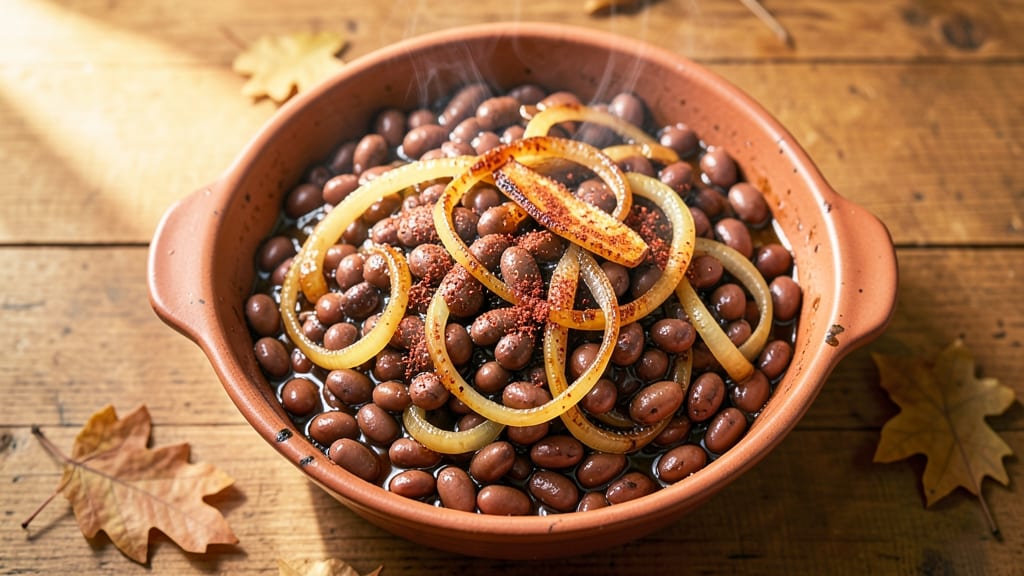
Grandma Brown's baked beans recipe is the kind of dish that transforms a simple meal into a family gathering. I first learned this recipe from my grandmother's handwritten notes, where she wrote "slow and sweet" in the margin—those were the only instructions needed.
The secret lies in hours of gentle cooking, where smoky flavors meld with natural sweetness, creating something deeply comforting. This isn't just a side dish; it's a centerpiece that brings people together.
What makes these beans special is the balance of ingredients: navy beans simmered with molasses, brown sugar, and just enough heat from smoked paprika to echo that campfire taste. My grandmother always said, "Patience is the key"—and she was right.
The slow process breaks down the beans until they're tender, while the sauce thickens into a glossy, caramelized coating. No shortcuts here; this is a dish that rewards time with rich, complex flavor.
By the time these beans emerge from the oven, they'll have that perfect balance of smoky depth and sweetness, with edges that are just starting to caramelize. The aroma alone will have everyone gathering around the table, and each bite delivers that familiar comfort of home-cooked goodness.
Serve them alongside cornbread, ham, or collard greens for a full Southern-style spread. Let's get started on making them the way Grandma Brown intended.
These beans keep well for days, making them perfect for meal prep or holiday gatherings. The recipe is flexible enough to adapt to modern kitchens while staying true to its roots—just like the way my grandmother passed down her wisdom, one generation at a time.
The result is a dish that feels both timeless and deeply personal, exactly as it should be.
Ingredients for grandma brown's baked beans
Grandma Brown's pantry staples and a few key ingredients transform into this iconic dish.
| Ingredient | Amount | Notes |
|---|---|---|
| Navy Beans 🍲 | 2 ½ cups | Dried, soaked overnight |
| Brown Sugar 🍬 | ¾ cup | Light or dark variety |
| Molasses 🍯 | ½ cup | Unsulphured preferred |
| Smoked Paprika 🌶️ | 2 tbsp | High-quality for smokiness |
| Kosher Salt 🧂 | 1 ½ tsp | Adjust to taste |
| Yellow Onion 🧅 | 1 whole | Medium, diced small |
| Garlic Cloves 🧄 | 4 cloves | Minced for depth |
| Apple Cider Vinegar 🍎 | ¼ cup | For tangy balance |
| Ground Black Pepper 🌶️ | ½ tsp | Freshly cracked |
| Tomato Paste 🍅 | ¼ cup | Canned, unsweetened |
| Bacon 🥓 | 6 oz | Cooked, crumbled |
| Water 💧 | 3 cups | For soaking beans |
| Bay Leaves 🍃 | 2 whole | Fresh preferred |
The navy beans are the foundation—dried beans develop richer flavor than canned, but if you're short on time, use 2 cans (15 oz each) drained and rinsed. For the molasses, Whole Foods or local markets often carry unsulphured varieties that enhance the smoky depth. The smoked paprika? Penzeys or Gourmet Garage have the best quality, but any reputable brand works. Bacon adds richness—thick-cut smoked bacon gives the most flavor, but regular bacon in a pinch works too. Soak the beans overnight with the water; this cuts cooking time and improves texture. The onion and garlic should be finely diced to dissolve completely into the sauce.
No molasses? Maple syrup at half the amount works in a bind, though it lacks the deep complexity. Short on smoked paprika? Regular paprika plus a pinch of liquid smoke mimics the effect. The bacon can be swapped for crumbled sausage or ham, but reduce to 4 oz to avoid overpowering. Fresh bay leaves are ideal, but if you only have dried, use one-third the amount. The tomato paste is non-negotiable for thickening—Trader Joe's squeeze tubes are perfect for this recipe. For extra depth, add a dash of Worcestershire sauce if you're feeling adventurous.
These beans taste even better the next day as flavors meld. Store in an airtight container in the fridge for up to 5 days. For longer storage, freeze portions in 1-cup servings—they reheat beautifully straight from frozen. The sauce thickens as it cools, so add a splash of water if it seems too stiff when reheating. Double the recipe for gatherings; it's always a crowd-pleaser. Leftovers make great sandwich fillings or a quick breakfast hash with eggs.
Why You'll Love This Recipe
- One-Pot Magic: Honestly, I dump everything in a single pot—beans, sugar, molasses—and let it simmer. No chopping, no fuss, just hands-off cooking while I handle the rest of dinner (or binge my guilty-pleasure show).
- Smoky-Sweet Obsession: That molasses and smoked paprika combo? It’s like a slow dance of caramelized depth and smoky warmth. The brown sugar melts into a glossy glaze that clings to every bean—rich, sticky, and impossible to resist.
- Potluck Hero: Between us, these beans are my go-to for gatherings. They’re hearty enough for a main (yes, even on a Tuesday night) but humble enough to pair with burgers, grilled chicken, or just a slice of cornbread. Plus, they travel well—no soggy sides here.
- Budget Breakthrough: Navy beans stretch for days, and the other ingredients cost pennies. I’ve fed a crowd of six for under $10, and the leftovers? Just as good reheated the next day. It’s comfort food that doesn’t drain my wallet.
Step-by-step instructions for grandma brown's baked beans
Here's the method that delivers that signature smoky-sweet flavor Grandma Brown perfected over decades.
Soak and Prepare the Navy Beans
Place the 2.5 cups of dried navy beans in a large bowl and cover them with the 3 cups of water. Let them soak overnight—this ensures they cook evenly and reduces cooking time. I like to soak them in the refrigerator for better texture. The next morning, drain and rinse the beans thoroughly under cold water.
While the beans soak, you can prepare the other ingredients. The key here is patience—rushing the soak leads to unevenly cooked beans. You'll know they're ready when they're plump and the water looks cloudy from the released starch. This step guarantees your beans will be tender and absorb all that delicious sauce.
Cook the Bacon and Sauté the Aromatics
In a large Dutch oven, cook the 6 oz of bacon over medium heat until crispy. Remove the bacon with a slotted spoon and set it aside on paper towels to drain, leaving the rendered fat in the pot. This bacon fat becomes the flavor base for your beans.
In the same pot, add the diced 1 whole yellow onion and minced 4 cloves of garlic. Sauté for 3-4 minutes until the onions are translucent and the garlic is fragrant. Here's the thing—don't let the garlic burn. It should smell sweet and inviting, not bitter. This aromatic foundation carries through the entire dish.
Build the Sweet-Smoky Base
Return the crumbled bacon to the pot and stir in the 2 tbsp of smoked paprika, 0.5 cup of molasses, 0.75 cup of brown sugar, 0.25 cup of tomato paste, and the 2 whole bay leaves. Cook for 2-3 minutes, stirring constantly, until the mixture darkens slightly and becomes fragrant. This step develops the deep, complex flavors that define Grandma Brown's beans.
Add the soaked navy beans and the 0.25 cup of apple cider vinegar. Stir everything together, making sure the beans are coated with the sweet-smoky mixture. The vinegar adds a subtle tang that balances the richness of the molasses and brown sugar. This is where all the magic begins to happen.
Simmer to Perfect Tenderness
Pour in enough water to cover the beans by about 1 inch. Bring to a boil, then reduce heat to low, cover, and let it simmer for 2-2.5 hours. The beans are done when they're fork-tender and the sauce has thickened to a rich, glossy consistency. I check periodically and stir gently to prevent sticking.
Here's the critical part: don't lift the lid during cooking. Every time you peek, you release steam and extend the cooking time. The beans should be so tender they practically fall apart when pressed with a fork. The sauce should coat the back of a spoon and have a beautiful glossy sheen.
Finish with Seasoning and Rest
Once the beans are tender, stir in the 1.5 tsp of kosher salt and 0.5 tsp of ground black pepper. Taste and adjust the seasoning if needed—you might want to add a touch more salt or vinegar to balance the sweetness. The beans should be perfectly seasoned with a harmonious blend of smoky, sweet, and tangy flavors.
Let the beans rest for 10-15 minutes before serving. This allows the flavors to meld completely and the sauce to thicken further. Serve warm with crusty bread or cornbread. The beans should be so good that everyone at your table will ask for seconds—and maybe even thirds!
Pro Tips For Making Grandma Brown'S Baked Beans
- SOAK BEANS OVERNIGHT: I learned this the hard way—rushing the soak with navy beans leads to tough, mealy results. Use 4 cups water per 1 cup dry beans, let them sit 12+ hours, then drain. The extra time breaks down the skins for that creamy texture Grandma Brown’s recipe promises.
- SWEAT THE BEANS FIRST: Don’t just dump everything in the pot. Cook the beans in a dry skillet for 5 minutes to bloom the smoky notes from the paprika before adding liquids. This isn’t the prettiest method, but it works—your beans will taste deeper and more complex.
- BALANCE THE SWEETNESS: Brown sugar and molasses are a power couple, but too much sugar turns these beans into candy. For every ½ cup molasses, use ¼ cup less brown sugar. Taste as you go—you can always add more, but you can’t take it back.
- LOW AND SLOW WINS: Resist the urge to crank the oven to 400°F. Bake these at 300°F for 2–2.5 hours, covered with foil. The slow cook gives the flavors time to meld instead of caramelizing too fast, which can make the beans bitter. (Yes, even if you’re impatient like me.)
Troubleshooting this recipe
Beans Too Firm
If your beans aren't tender after 2.5 hours of simmering, they likely need more time or a different soaking method. Try adding 1 extra cup of water and simmering another 30-45 minutes. For faster results, use a pressure cooker: cook on high pressure for 20 minutes after soaking.
My grandmother swore by the pressure cooker for busy weeknights—it cuts hours off the process without sacrificing flavor. 💡
Sauce Too Thin
A watery sauce usually means the beans released too much starch or the liquid wasn't reduced enough. After the initial simmer, uncover the pot and cook on medium-low heat for 10-15 minutes to thicken. For extra richness, mash 2-3 beans with a fork to release starch.
If it's still too thin, mix 1 tbsp cornstarch with 2 tbsp cold water, stir it in, and cook until thickened. This trick works wonders for restoring that perfect glossy consistency. ✨
Too Sweet or Overpowering
When the molasses and brown sugar dominate, the beans lose their balance. Cut the sweetness by adding 1 extra tbsp apple cider vinegar or ½ tsp mustard powder to brighten flavors.
For a smokier profile without extra sweetness, add ½ tsp liquid smoke or an extra ½ tbsp smoked paprika. Taste as you go—this is where most home cooks go wrong by not adjusting midway. 🌶️
Burnt or Bitter Flavor
Burnt onions or garlic turn your beans bitter, and there's no fixing it once it happens. To prevent this, keep heat at medium-low when sautéing aromatics and never let them brown.
If you notice a bitter note, stir in ½ tsp vanilla extract or a pinch of cinnamon to mask it. For future batches, remove the pot from heat 1 minute before the onions turn golden—just enough to soften without caramelizing. 🔥
Lid Sticking or Beans Sticking
Sticking happens when beans dry out or the sauce reduces too much. Before simmering, ensure beans are fully submerged in liquid. If the pot sticks, add ¼ cup water or broth and stir gently to release the beans.
For stubborn sticking, place the pot in a 400°F oven for 5 minutes to loosen—this works like magic. Always use a heavy pot like a Dutch oven; my grandmother's Lodge cast iron skillet never failed her. 💪
Uneven Cooking
Uneven beans usually mean inconsistent soaking or stirring. Next time, soak beans in hot water for 2 hours instead of overnight for more uniform texture. Stir the pot every 30 minutes during simmering to prevent hot spots.
If some beans are still hard, pick them out—they won't soften further. For future batches, use a slotted spoon to check doneness without disturbing the whole pot. This keeps everything tender and consistent. 🍲
Nutrition facts
Frequently asked questions
Can I use canned beans instead of dried?
Yes, but you'll lose some of that deep, developed flavor. If using canned, drain and rinse 2 (15 oz) cans of navy beans and reduce the cooking time to 1 hour instead of simmering. For best results, add them during the last 30 minutes of cooking so they absorb all that rich sauce.
How do I make these beans vegetarian?
Swap the bacon for 6 oz smoked tofu or mushrooms (like cremini or shiitake) for umami depth. Use 1 tbsp soy sauce instead of bacon fat, and add ½ tsp liquid smoke to mimic the smoky flavor. The molasses and brown sugar will still shine through!
Can I make this recipe in a slow cooker?
Follow the same steps for soaking and sautéing, then transfer everything to a 6-quart slow cooker. Cook on low for 6-7 hours or high for 3-4 hours. The slow cooker's gentle heat enhances the sweet-smoky flavors even more. Just stir occasionally to prevent sticking.
Why does Grandma Brown's recipe call for molasses instead of maple syrup?
Molasses adds a deeper, almost bittersweet complexity that maple syrup can't replicate. The unsulphured variety has a richer flavor profile with hints of caramel and spice. While maple syrup works in a pinch, molasses gives these beans that signature "Grandma Brown" taste—like a campfire in a pot.
How do I store leftovers?
Let the beans cool completely, then transfer to an airtight container and refrigerate for up to 5 days. For longer storage, freeze portions in 1-cup servings. Reheat gently on the stove with a splash of water or broth to restore moisture. The flavors actually improve overnight!