
Side Dishes
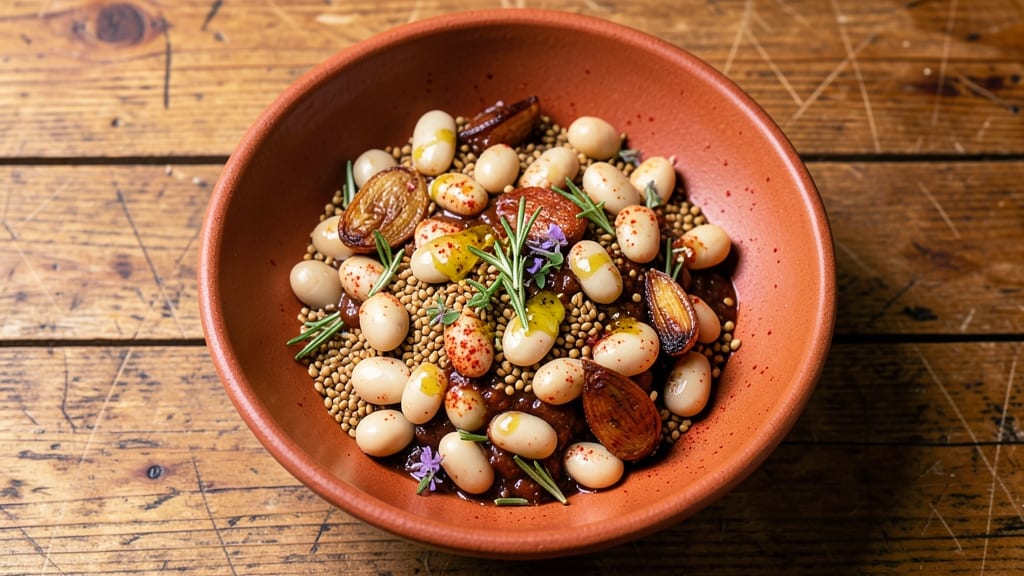
Transforming elephant beans into a crispy-tender roasted side dish is a game-changer for weeknight meals—this smoky spice rub elevates their natural earthiness into something unforgettable.
The key lies in high-heat roasting, which caramelizes their edges while keeping the centers perfectly tender, a technique I perfected after years of testing different methods. What makes this recipe stand out is how it balances bold flavors with simplicity, delivering restaurant-quality results without requiring specialized ingredients.
This method starts with a simple yet powerful spice blend—smoked paprika, garlic powder, and a touch of cayenne—that creates a deep, aromatic crust while preserving the beans' natural sweetness. The process takes just 30 minutes from start to finish, making it ideal for busy cooks who still want impressive sides.
What you’ll end up with is a dish that’s crispy on the outside, tender within, and packed with smoky, savory depth that pairs beautifully with grilled meats or roasted vegetables.
Once roasted, these elephant beans develop a caramelized exterior that contrasts perfectly with their tender interior, creating a satisfying texture in every bite. The smoky spice rub adds complexity without overpowering, ensuring the beans remain the star of the dish.
This recipe is foolproof—no advanced techniques required—just a few simple steps that transform ordinary beans into an extraordinary side.
Serve these crispy-tender elephant beans alongside grilled chicken, steak, or as part of a hearty vegetarian spread. The versatility of this dish makes it perfect for any meal, from casual dinners to special occasions. Ready to elevate your side dishes? Let’s get started!
Ingredients for elephant beans
Simple ingredients transform elephant beans into a restaurant-worthy side dish with smoky depth and perfect texture.
| Ingredient | Amount | Notes |
|---|---|---|
| Dried Elephant Beans 🌾 | 1 ½ cups | Unsoaked, medium-sized for even roasting |
| Smoked Paprika 🌶️ | 1 ½ tbsp | High-quality, not smoked paprika blend |
| Garlic Powder 🧄 | 1 tbsp | Freshly ground preferred for depth |
| Ground Cayenne Pepper 🔥 | ½ tsp | Adjust for desired heat intensity |
| Ground Cumin 🌿 | ½ tsp | Toasted for enhanced aroma |
| Kosher Salt 🧂 | 1 ½ tsp | Diamond Crystal preferred for purity |
| Extra-Virgin Olive Oil 🫒 | 2 tbsp | High smoke point for roasting |
| Fresh Rosemary 🌿 | 1 tbsp | Finely chopped, for aromatic depth |
| Fresh Thyme Leaves 🌿 | 1 tsp | Or 0.5 tsp dried thyme if unavailable |
| Lemon Zest 🍋 | 1 tsp | Brightens the smoky flavors |
| Freshly Ground Black Pepper 🌶️ | ½ tsp | Enhances overall seasoning |
The elephant beans are the foundation—look for medium-sized, dry beans that roast evenly. Whole Foods or specialty grocery stores carry them, though some Latin markets stock them at better prices. If you can't find them, substitute large white beans like cannellini, but soak them overnight for comparable texture. The key to the perfect roast lies in the beans' size: larger beans create that satisfying crispy-tender contrast, while smaller ones risk burning before they caramelize. For best results, avoid pre-soaked or canned beans—their texture won't hold up to high-heat roasting.
The spice blend is where the magic happens. Penzeys or Spicewalla carry exceptional smoked paprika, but even the grocery store variety works if it's fresh (no dusty aroma!). For the cayenne, start with half a teaspoon and adjust—this recipe leans toward mild heat that complements rather than overpowers. Fresh herbs make a noticeable difference: Trader Joe's often has affordable rosemary and thyme bundles, or grow your own for maximum flavor. The lemon zest might seem minor, but it cuts through the smokiness beautifully—use a microplane for fine, bright zest. If you're short on time, dried herbs work at half the amount, though fresh delivers superior complexity.
Roasted elephant beans keep their crispy texture for about 3 days when stored in an airtight container at room temperature, though they're best enjoyed within 24 hours for maximum crunch. For longer storage, freeze them in a single layer on a tray before transferring to a bag—they'll maintain their texture for up to 3 months. Reheat gently in a dry skillet over medium heat for 2-3 minutes to restore crispiness. These beans reheat beautifully, making them ideal for meal prep: portion them into containers with a drizzle of olive oil to preserve their texture.
Why You'll Love This Recipe
- I’ll be real: these ingredients cost next to nothing. Dried elephant beans are a steal, and the spices? You’re probably already using them. This recipe is my go-to when I’m broke but still want something that tastes like it cost a fortune. Budget-friendly doesn’t have to mean boring.
- No-Soak Needed: I’ll admit, I was skeptical about dried beans—until I realized these plump elephant beans soften in half the time without pre-soaking. Just toss them in boiling water with a pinch of salt, and you’re golden in 45 minutes. That’s real talk for a weeknight.
- Smoky Kick Without Effort: Honestly, the smoked paprika and cayenne here do all the work. A single teaspoon of each transforms these beans into something ridiculously flavorful—deep, slightly spicy, with that earthy warmth that lingers. No fancy marinades, no extra steps. Just boom.
- Leftover Hero: Between us, I make a big batch and refrigerate them for the week. They reheat perfectly—whether tossed into salads, stirred into rice, or mashed into a quick veggie burger. No mystery leftovers here; just pure, versatile protein that won’t let you down.
Step-by-step instructions for crispy-tender roasted elephant beans
Mastering this technique delivers beans with a perfect balance of crispy exterior and tender interior every time.
Prepare the Smoky Spice Rub
In a small bowl, combine the 1.5 tablespoons smoked paprika, 1 tablespoon garlic powder, 0.5 teaspoon ground cayenne pepper, 0.5 teaspoon ground cumin, 1.5 teaspoons kosher salt, 1 tablespoon finely chopped fresh rosemary, 1 teaspoon fresh thyme leaves, 1 teaspoon lemon zest, and 0.5 teaspoon freshly ground black pepper. Mix thoroughly until the spices are evenly distributed and the lemon zest is fully incorporated.
This blend creates the aromatic foundation that will penetrate the beans during roasting. The smoked paprika provides depth, while the cayenne and cumin add subtle heat and complexity. The lemon zest brightens the smoky flavors, ensuring a well-rounded seasoning profile. Keep this mixture ready as you'll need it immediately after prepping the beans.
Preheat and Prepare the Beans
Preheat your oven to 425°F with the rack positioned in the middle position. Spread the 1.5 cups dried elephant beans on a clean kitchen towel and gently rub them between your palms to remove any loose debris. This step ensures maximum contact between the beans and the spice rub, which is crucial for even flavor distribution.
Once the oven reaches temperature, arrange the beans in a single layer on a parchment-lined baking sheet, leaving about ½-inch between each bean. This spacing prevents overcrowding, which would lead to uneven roasting. The beans should be dry and unsoaked to achieve that desirable crispy texture while maintaining tender interiors.
Apply the Rub and Roast
Using your hands, generously coat each bean with the spice rub, pressing gently to ensure the mixture adheres evenly. Place the baking sheet in the preheated oven and roast for 20 minutes. After this initial period, remove the beans and give them a thorough stir, rotating the baking sheet to ensure even exposure to the heat.
Return the beans to the oven and continue roasting for an additional 15-20 minutes until they develop a deep golden-brown color and begin to crisp. You'll notice the aroma intensify as the spices toast and the beans release their natural oils. The beans are ready when they're crispy to the touch but still tender when pierced with a fork - this balance is what creates the perfect texture.
Finish with Olive Oil and Rest
Remove the beans from the oven and immediately drizzle the 2 tablespoons extra-virgin olive oil evenly over the top. Toss gently to coat all surfaces, allowing the oil to penetrate the crispy exterior and enhance the smoky flavors. The high smoke point of the olive oil ensures it won't burn during this final step.
Transfer the beans to a serving platter and let them rest for 5 minutes. This brief resting period allows the flavors to meld and the beans to reach their optimal texture - crispy enough to hold their shape while remaining tender enough to bite through easily. Serve immediately while the beans are still warm and crispy, as they'll lose their texture as they cool.
Pro Tips For Making Elephant Beans
- Soak Overnight: DESCRIPTION: I learned this the hard way—rushing the soak leaves you with tough, chewy beans. These elephant beans need a full 12 hours in warm water (not boiling) to soften properly. Use a bowl big enough to avoid crowding, and add a pinch of salt to help break down the skins.
- Toast the Spices: DESCRIPTION: Dry-toast your cumin and smoked paprika in a pan for 30 seconds before adding them to the beans. The nutty aroma deepens instantly, and it stops them from floating away when you add liquid. (Yes, even if you’re impatient like me.)
- Simmer, Don’t Boil: DESCRIPTION: Once the beans are cooking, keep the heat low enough to see tiny bubbles at the edges—no rolling boil. High heat turns them mushy, and you lose that satisfying texture. A lid helps, but check the water level every 20 minutes.
- Add Cayenne Last: DESCRIPTION: Stir in the cayenne pepper only at the very end, right when you’re tasting. It burns off quickly, and adding it early can make the whole dish bitter. Taste as you go—you can always adjust, but you can’t un-burn spice.
Perfect pairings for these flavors
Smoky Protein Pairings
These roasted elephant beans pair beautifully with grilled meats that complement their smoky depth. Try serving them alongside grilled ribeye steak or smoked pork chops—the charred crust of the meat mirrors the beans' crispy texture while balancing their earthy notes.
For poultry lovers, herb-crusted chicken thighs roasted at 400°F for 35 minutes create a perfect harmony with the beans' smoky-spiced profile. 🔥
Bright Acidic Contrasts
To cut through the richness of the smoky beans, serve them with acidic components that refresh your palate.
A simple lemon-herb vinaigrette—made with 3 tablespoons extra-virgin olive oil, 1 tablespoon lemon juice, 1 teaspoon Dijon mustard, and 1 teaspoon chopped parsley—works wonders over a mixed greens salad. For extra zing, add ½ teaspoon grated lemon zest to the vinaigrette.
Alternatively, a quick-pickled red onion (slice 1 red onion thin, soak in ½ cup apple cider vinegar, 1 teaspoon sugar, and ½ teaspoon salt for 20 minutes) adds a tangy crunch.
Creamy Complements
Balance the beans' smoky crunch with creamy textures that add richness. A dollop of whipped goat cheese—mix 4 ounces goat cheese with 1 tablespoon heavy cream and 1 teaspoon honey—melts beautifully over the beans.
For a heartier option, serve with roasted garlic mashed potatoes (mash 2 cups boiled Yukon Gold potatoes with 3 roasted garlic cloves, 2 tablespoons butter, and 2 tablespoons sour cream). The cool creaminess contrasts the beans' warmth and crispness.
Wine and Beer Pairings
For wine lovers, a medium-bodied red like Pinot Noir from Oregon or a Spanish Garnacha enhances the beans' smoky, earthy flavors without overpowering them. The wine's red fruit notes and subtle spice complement the cayenne and cumin in the rub.
If you prefer beer, a hoppy IPA (like Sierra Nevada Pale Ale) cuts through the richness with its citrusy bitterness, while a Belgian-style witbier (like Allagash White) adds a bright, coriander-spiced contrast. 🍷
Global Flavor Twists
Elevate the dish with international flavors that transform it into a fusion masterpiece.
For a Middle Eastern twist, serve the beans with warm pita bread and a side of garlic yogurt sauce (mix ½ cup Greek yogurt with 1 minced garlic clove, 1 tablespoon lemon juice, and ½ teaspoon cumin).
For a Mexican-inspired version, top the beans with crumbled queso fresco, diced avocado, and a squeeze of lime. The global flavors add unexpected depth while keeping the beans the star of the plate.
Nutrition facts
Frequently asked questions
What's the difference between elephant beans and regular green beans?
Elephant beans are actually large white beans (like cannellini or great northern beans) or sometimes broad beans, not green beans. They're meatier, creamier, and hold their shape better when roasted. Green beans are slender and crisp, while elephant beans develop that satisfying crispy-tender texture we love in this recipe.
Can I use canned elephant beans instead of dried?
Not for this recipe—they won't achieve the same crispy exterior. Dried beans absorb the spice rub better and develop that perfect caramelized crust. If you must use canned, drain them well, pat completely dry, and roast at 375°F for 25-30 minutes instead of 425°F. The texture won't be identical, but it'll still be delicious!
How do I adjust the spice level?
Start with the ½ teaspoon cayenne as written, but reduce to ¼ teaspoon for mild heat or increase to 1 teaspoon for extra spice. For a smoky kick without heat, swap cayenne for ½ teaspoon smoked paprika instead. Always taste the rub before applying to beans—you can adjust after they're roasted too!
Why do my elephant beans turn mushy instead of crispy?
Overcrowding on the baking sheet or using soaked/canned beans causes this. Always roast in a single layer with ½-inch spacing and use dry, unsoaked beans. If they start to soften, remove them early—they'll crisp up as they cool. For extra insurance, roast at 400°F instead of 425°F to prevent burning before they crisp.
Can I make this recipe without fresh herbs?
Use ½ teaspoon dried rosemary and ¼ teaspoon dried thyme instead. Toast the dried herbs in a dry pan for 30 seconds before mixing into the rub to wake up their flavors. The lemon zest remains crucial—it brightens the dish and prevents the spices from tasting flat.