
Sauces & Condiments
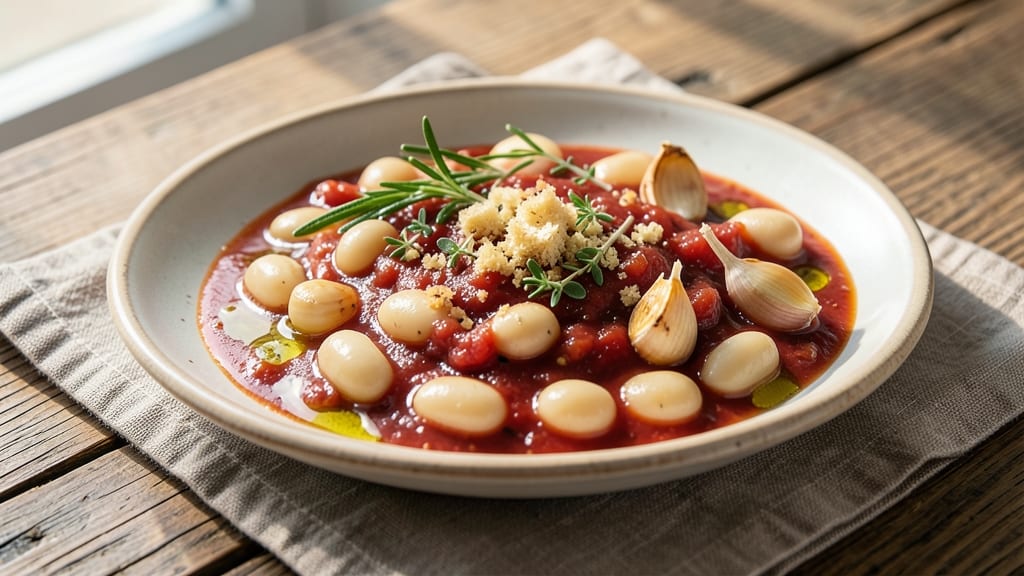
This canned white beans in tomato sauce recipe proves that restaurant-quality Italian flavors come together effortlessly in one simple, hearty one-pot meal. The secret lies in balancing canned beans, rich tomato sauce, and aromatic herbs to create a dish that’s both comforting and satisfying.
I developed this recipe during a busy week when I needed a quick but nourishing dinner, and it’s been a staple ever since.
This one-pot method combines pantry staples with bold Italian flavors, making it perfect for weeknight dinners or meal prep. The beans soften in the simmering tomato sauce, absorbing its depth while garlic and herbs infuse every bite with warmth.
No fancy techniques required—just a pot, a few ingredients, and about 30 minutes of hands-off cooking.
What you’ll end up with is a hearty, protein-rich dish that’s rich in flavor and easy on the wallet. The sauce thickens slightly as it simmers, coating the beans in a velvety, aromatic blend that pairs beautifully with crusty bread or over polenta.
It’s the kind of meal that feels indulgent but comes together effortlessly.
Serve it as a standalone dish or pair it with roasted vegetables for a complete meal. The beauty of this recipe is its versatility—use it for lunch, dinner, or even as a base for veggie burgers. Let’s get cooking!
Ingredients for canned white beans in tomato sauce
Pantry staples meet Italian flair in this one-pot bean masterpiece.
| Ingredient | Amount | Notes |
|---|---|---|
| Canned Cannellini Beans 🥫 | 2 cans | 15 oz each, drained and rinsed |
| Crushed Tomatoes 🍅 | 1 can | 28 oz, San Marzano preferred |
| Extra-Virgin Olive Oil 🫒 | ¼ cup | For sautéing, fruity variety |
| Garlic Cloves 🧄 | 4 cloves | Minced, fresh preferred |
| Fresh Rosemary 🌿 | ½ tsp | Finely chopped, or 0.25 tsp dried |
| Fresh Thyme 🌿 | ½ tsp | Leaves only, or 0.25 tsp dried |
| Vegetable Broth 💧 | 1 ½ cups | Low-sodium preferred |
| Lemon Juice 🍋 | 1 tbsp | Freshly squeezed |
| Sea Salt 🧂 | 1 ½ tsp | Adjust to taste |
| Black Pepper 🌶️ | ½ tsp | Freshly ground |
| Red Wine Vinegar 🍷 | 1 tsp | For brightness |
| Fresh Parsley 🌿 | ¼ cup | Chopped, for garnish |
| Onion Powder 🧅 | ½ tsp | For depth |
| Bay Leaf 🌿 | 1 whole | Remove before serving |
The San Marzano crushed tomatoes are worth hunting down—their sweetness and depth elevate everything. Trader Joe's and Whole Foods carry them, or any Italian market. Cannellini beans are ideal for their creamy texture, but great northern beans work too. Fresh herbs make all the difference—Costco or local farmers markets have the best quality. For extra richness, toast the onion powder and garlic powder together in the oil before adding anything else—this brings out their flavors dramatically. The bay leaf adds subtle complexity, but don't skip it—it's a classic Italian touch.
No fresh rosemary? Dried works at one-third the amount, but the flavor won't be as bright. Short on wine vinegar? Apple cider vinegar or balsamic both work in a pinch. The vegetable broth can be swapped for water plus 1 tsp soy sauce if you're out. For a smokier profile, add 1/4 tsp smoked paprika. The lemon juice is crucial—it brightens the dish and balances the richness. If you're using dried herbs, crush them between your fingers before adding to release their flavors. For a heartier meal, add 1 cup cooked ditalini pasta at the end.
This dish tastes even better the next day as flavors meld. Store in an airtight container in the fridge for up to 5 days. Freeze portions for 3 months—just thaw overnight in the fridge. The sauce thickens as it cools, so a splash of water or broth will help if it's too stiff when reheating. Garnish with fresh parsley right before serving—it adds a pop of color and freshness. Serve with crusty bread to soak up every last bit of that aromatic sauce.
Why You'll Love This Recipe
- No-Fuss Pantry Magic: I swear by this when my fridge is bare—just open a can, dump in tomatoes, and let the garlic and rosemary work their spell. No chopping, no stress, just flavor that feels intentional.
- Garlic-Rosemary Kiss: That first bite? The crushed tomatoes caramelize just enough to cling to the creamy beans, while the garlic and rosemary add a brightness that lingers. It’s the kind of simple dish that tastes like you spent hours on it.
- Weeknight to Potluck: Serve it over crusty bread for a quick dinner, or pile it into a jar for a picnic. Honestly, I’ve even used it as a base for pasta—just toss in some noodles and call it a night. It’s that adaptable.
- Budget Meal That Stretches: A single can of beans and a can of tomatoes feed four for under $3. Between us, this is how I keep my grocery bill low without sacrificing taste—leftovers reheat beautifully, too.
Step-by-step instructions for canned white beans in tomato sauce
This one-pot method delivers rich, flavorful Italian-inspired beans in under 30 minutes.
Sauté Aromatics in Olive Oil
Heat the 0.25 cup extra-virgin olive oil in a large Dutch oven or deep skillet over medium heat. Add the 4 minced garlic cloves and sauté for 1-2 minutes until fragrant but not browned. This prevents bitterness while building flavor.
Stir in the 0.5 teaspoon onion powder and cook for another 30 seconds, allowing the spices to bloom. The oil should shimmer but not smoke—if it darkens, reduce the heat slightly. This aromatic base forms the flavor foundation for your entire dish.
Add Herbs and Tomatoes
Add the 0.5 teaspoon fresh rosemary, 0.5 teaspoon fresh thyme, and 1 whole bay leaf to the skillet. Stir for 10 seconds to distribute the herbs evenly. Pour in the 1 can crushed tomatoes and bring to a gentle simmer over medium-low heat.
Let the mixture simmer uncovered for 5 minutes, stirring occasionally. This allows the tomatoes to break down slightly and the herbs to infuse their flavors. You'll notice the sauce thicken slightly and develop a deeper red color as it reduces.
Incorporate Beans and Broth
Add the 2 cans drained cannellini beans and 1.5 cups vegetable broth to the tomato mixture. Stir well to combine, ensuring the beans are fully coated in the sauce. Bring to a gentle boil, then immediately reduce heat to low and let it simmer uncovered for 10 minutes.
During this time, the beans will absorb the flavors while the sauce continues to develop. Stir occasionally to prevent sticking. The mixture should remain at a gentle simmer—if it boils vigorously, reduce the heat further to maintain even cooking.
Finish with Acid and Season
Add the 1 tablespoon lemon juice, 1 teaspoon red wine vinegar, 1.5 teaspoons sea salt, and 0.5 teaspoon black pepper to the pot. Stir well and let the sauce simmer for another 5 minutes to allow all the flavors to meld together. The acidity brightens the dish while balancing the richness.
Taste the mixture and adjust the seasoning if needed. The beans should be tender with a rich, flavorful sauce that coats them evenly. If the sauce is too thick, add 1-2 tablespoons of water to reach your desired consistency.
Garnish and Serve
Remove the bay leaf from the pot and discard it. Stir in the 0.25 cup chopped fresh parsley just before serving to add a fresh, vibrant finish. The parsley not only enhances the visual appeal but also provides a bright contrast to the rich tomato-bean mixture.
Serve the white beans in tomato sauce immediately over crusty bread, with a sprinkle of additional parsley if desired. This dish makes a hearty, satisfying meal that's perfect for weeknight dinners or meal prep. The one-pot method ensures easy cleanup while delivering maximum flavor.
Pro Tips For Making Canned White Beans In Tomato Sauce
- Sauté Garlic Low and Slow: I learned this the hard way—burnt garlic ruins everything. After crushing the cloves, cook them over medium-low heat in olive oil for 3-4 minutes until just golden, not brown. The flavor mellows into the sauce instead of turning bitter.
- Drain and Rinse Beans: Skimping here adds saltiness you’ll regret. Drain the cannellini beans and rinse them under cold water to cut excess sodium—especially if your crushed tomatoes aren’t low-sodium. This keeps the dish balanced without overpowering seasoning.
- Toast Rosemary First: Toss the fresh rosemary sprigs into the oil before adding garlic. Let them sizzle for 30 seconds until fragrant—this unlocks their flavor instead of letting them sit like wallpaper. (Yes, even if you’re impatient like me.)
- Simmer, Don’t Boil: After adding tomatoes, keep the heat at a gentle simmer (tiny bubbles, not rolling). Boiling turns the sauce thin and dull. A 10-minute simmer lets the flavors meld—no stirring required, just let it work.
Pro cooking tips for this dish
Sautéing Secrets
Never skip the garlic-toasting step—this is where flavor magic happens. Heat your extra-virgin olive oil to 325°F (use an instant-read thermometer) before adding garlic. When it sizzles but doesn't brown (1-2 minutes), the allicin compounds develop fully, creating that irresistible aroma.
I use a Mauviel mace skillet for even heat distribution—it's worth the investment if you cook often. 🌡️
Herb Infusion
Fresh herbs make all the difference, but timing matters. Add rosemary and thyme right after garlic so their essential oils release immediately into the hot oil. For dried herbs, crush them between your fingers first to break open flavor pockets.
I like to use Penzeys Spices for dried options—they're consistently high quality. Simmer uncovered for 5 minutes to let the herbs steep properly in the tomatoes.
Sauce Thickness
The sauce should coat the back of a spoon but remain spoonable—not gluey. If it thickens too much during simmering, add 1-2 tablespoons of water or broth gradually. For extra richness, stir in 1 tablespoon tomato paste at the end.
I've found that San Marzano tomatoes naturally thicken more than others due to their lower acidity and higher sugar content.
Acid Balance
The lemon juice and red wine vinegar are non-negotiable—they cut through the richness and brighten the dish. Start with 1 tablespoon lemon juice and 1 teaspoon vinegar, then adjust to taste.
If your tomatoes are particularly sweet, you might need ½ teaspoon more vinegar. I keep a small bowl of vinegar on hand while cooking to make quick adjustments.
Bean Tenderness
Canned beans are pre-cooked, but they still need time to absorb flavors. Simmer uncovered for 10 minutes total after adding them. If you're using great northern beans instead of cannellini, they'll need 2-3 extra minutes to soften.
For extra creaminess, mash ¼ of the beans lightly with a fork before serving—this creates a thicker, more luxurious texture.
Final Flourish
Fresh parsley isn't just for looks—it adds a peppery brightness that elevates the dish. Add it just before serving so it stays vibrant. For a restaurant-worthy finish, sprinkle with flaky sea salt (like Maldon) and a drizzle of high-quality olive oil.
This simple step transforms your home-cooked meal into something special. 💫
Nutrition facts
Frequently asked questions
Can I use different types of canned beans in this recipe?
While cannellini beans work perfectly, you can substitute with great northern beans for a creamier texture or navy beans for a nuttier flavor. Just note that great northern beans may need 2-3 extra minutes of simmering to reach ideal tenderness. Avoid black beans—they have a stronger flavor that may overpower the tomato sauce.
Why does my sauce turn out too thick or too thin?
The sauce consistency depends on simmering time and tomato quality. For thicker sauce, simmer uncovered for 15 minutes instead of 10. If too thin, stir in 1 tablespoon tomato paste at the end or reduce heat slightly to let it thicken naturally. San Marzano tomatoes naturally thicken more than other brands due to their lower acidity.
Can I make this recipe ahead of time?
This dish actually tastes better the next day as flavors meld! Store in an airtight container in the fridge for up to 5 days. Reheat gently on the stove with a splash of water or broth to restore moisture. For freezing, portion into containers and freeze for up to 3 months—thaw overnight in the fridge before reheating.
What's the best way to serve this dish?
This hearty bean sauce pairs perfectly with crusty bread, polenta, or over roasted potatoes. For a complete meal, serve with a simple green salad and a drizzle of extra-virgin olive oil. The dish also works as a filling for veggie burgers or as a topping for toasted baguette slices—get creative with how you use it!
How can I make this dish spicier?
Add ½ teaspoon red pepper flakes when sautéing the garlic or stir in 1 teaspoon hot sauce at the end. For depth, toast ½ teaspoon smoked paprika with the onion powder. If you love heat, a pinch of cayenne pepper in the final seasoning will give it a nice kick without overpowering the tomato flavor.