Main Courses
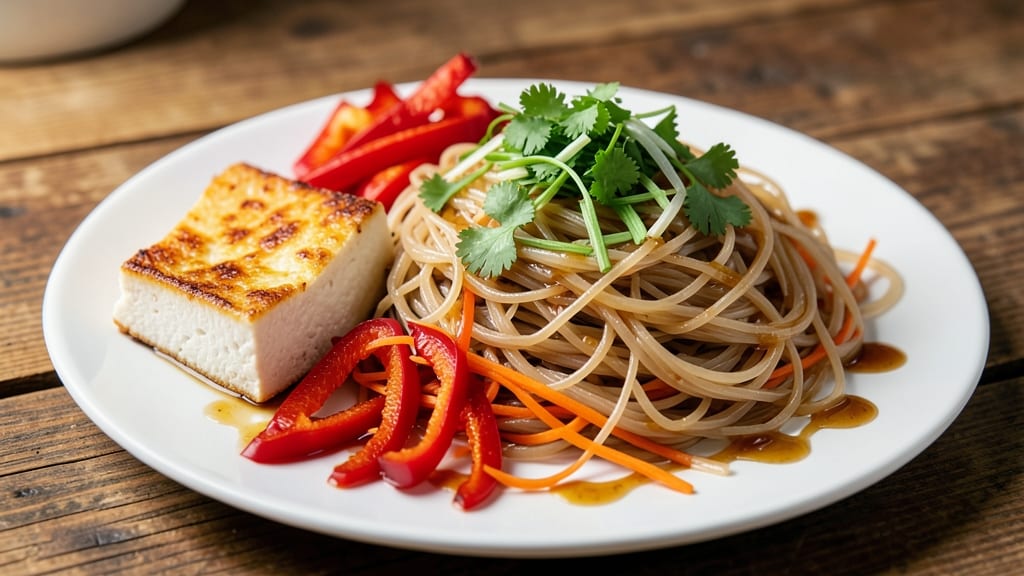
This bean vermicelli recipe transforms simple rice noodles into a restaurant-quality dish with just a few key techniques and a velvety peanut sauce. The secret lies in properly soaking the noodles and balancing textures—crisp vegetables, tender tofu, and a sauce that’s rich yet light enough to let the noodles shine.
I developed this version after years of perfecting the art of Vietnamese-style vermicelli bowls, where the sauce does half the work.
The beauty of bean vermicelli is its versatility—it works for hot soups, cold salads, or quick stir-fries, depending on your mood. Here, we’ll focus on a vegan-friendly peanut sauce that’s creamy from coconut milk but never heavy, with a kick of chili and lime to brighten every bite.
The sauce clings to the noodles perfectly, creating that signature "slurp-worthy" texture without needing oil or butter.
What you’ll end up with is a bowl that’s crisp, creamy, and packed with flavor—tender noodles that hold their shape, crunchy vegetables, and a sauce so balanced it’s impossible to overdo.
The peanut sauce adds depth while keeping the dish light, making it ideal for weeknight dinners or meal prep. Ready to elevate your noodle game?
This recipe scales easily for a crowd, and the sauce can be made ahead, so you’re never stuck scrambling for dinner. Whether you’re serving it as a main course or a side, the combination of textures and flavors will leave everyone asking for seconds.
Let’s get started on this foolproof method that delivers restaurant-quality results at home.
Ingredients for bean vermicelli
Eight noodles, crisp veggies, and a peanut sauce that sticks like magic.
| Ingredient | Amount | Notes |
|---|---|---|
| Bean Vermicelli Noodles 🍜 | 8 oz | Dried, not pre-cooked |
| Extra-Firm Tofu 🥜 | 1 lb | Pressed and cubed |
| Red Bell Pepper 🌶️ | 1 whole | Thinly sliced, seeds removed |
| Carrot 🥕 | 1 whole | Julienned or matchstick cut |
| Green Onion 🧅 | 3 whole | Thinly sliced, white and green parts |
| Fresh Cilantro 🌿 | ½ cup | Chopped, stems removed |
| Peanut Butter 🥜 | ½ cup | Creamy, unsweetened |
| Coconut Milk 🥥 | ½ cup | Full-fat canned, well-shaken |
| Lime Juice 🍋 | 2 tbsp | Freshly squeezed |
| Soy Sauce 🥢 | 2 tbsp | Low-sodium preferred |
| Maple Syrup 🍯 | 1 tbsp | Pure, grade B preferred |
| Red Chili Flakes 🌶️ | 1 tsp | Adjust for heat preference |
| Garlic Cloves 🧄 | 3 cloves | Minced, fresh preferred |
| Sesame Oil 🫒 | 1 tbsp | Toasted, for finishing |
| Sesame Seeds 🌱 | 1 tbsp | Toasted, for garnish |
| Vegetable Oil 🫒 | 2 tbsp | For stir-frying |
| Sea Salt 🧂 | 1 tsp | Fine grain preferred |
| Black Pepper 🌶️ | ¼ tsp | Freshly ground |
The noodles are the star—bean vermicelli stays chewy when soaked properly. Grab the dried kind from the Asian aisle (not the pre-cooked stuff), and soak them in warm water for 10-15 minutes—they’re ready when they’re pliable but still hold shape. For tofu, extra-firm is key—press it for 20 minutes to squeeze out water, then cube it. The bell pepper and carrot should be crisp-tender, so cut them thin and stir-fry just until they soften. Trader Joe’s has pre-sliced veggies if you’re short on time, but fresh julienned carrots add that restaurant crunch.
No peanut butter? Smooth almond butter works in a pinch, but the texture won’t be identical. Short on coconut milk? Full-fat cashew cream (blend soaked cashews with water) mimics the richness. The lime juice is non-negotiable—freshly squeezed brightens the sauce, but bottled works if you’re in a bind. For heat, red chili flakes are easiest, but fresh Thai chilies add depth. The sauce clings best when you whisk it hot—don’t skip the heat step, even if you’re not using it for cooking. And if you’re prepping ahead, make the sauce first—it keeps for 5 days in the fridge.
This dish reheats beautifully—microwave with a splash of water to revive the noodles. The sauce thickens when chilled, so stir before serving. Store leftovers in airtight containers for up to 4 days, or freeze the sauce separately for 3 months. Garnish with toasted sesame seeds right before eating—they add crunch and aroma. Double the sauce if you’re feeding a crowd; the noodles can be prepped ahead and kept in cold water until serving.
Why You'll Love This Recipe
- No-Fuss Assembly: I swear by this recipe because it’s the kind of meal where you can literally chop while the wok heats. Tofu cubes, shredded carrots, and sliced bell pepper all take minutes—no fancy techniques, just a quick sear in the pan. Honestly, I’ve made it while scrolling through my phone.
- Chewy-Crisp Contrast: That first bite of the vermicelli—still with a little bite but softening perfectly—paired with the crispy tofu edges? It’s the kind of balance that makes you pause mid-bite. The green onions add this bright, fresh finish that cuts through everything.
- Lunchbox Hero: Between us, this is my go-to for meal prep. The noodles hold up in containers, and the veggies stay crisp if you pack them separately. I’ll make a big batch on Sundays and have effortless lunches all week—no sad, soggy takeout here.
- Budget Meal Magic: Tofu and bell peppers stretch for days, and a single bag of vermicelli feeds the whole family. I’ll be real: it’s the kind of recipe where you spend less but feel like you’re treating yourself. Plus, leftovers reheat like a dream—no dry noodles here.
Step-by-step instructions for bean vermicelli noodles with peanut sauce
Here's how to create silky noodles and a rich peanut sauce that'll make every slurp satisfying.
Prepare and Cook the Bean Vermicelli Noodles
Bring a large pot of water to a rolling boil. Add the 8 oz bean vermicelli noodles and cook for exactly 4-5 minutes until they become tender but still hold their shape. You'll know they're ready when they float to the surface and look translucent.
Drain the noodles immediately in a colander and rinse under cold water for 30 seconds. This stops the cooking process and prevents them from sticking together. Give them a gentle shake to remove excess water, then transfer to a large bowl. Toss the noodles with 1 tablespoon of the sesame oil to prevent sticking while you prepare the rest of the dish.
Press and Pan-Fry the Extra-Firm Tofu
Place the 1 lb extra-firm tofu between two layers of paper towels or clean kitchen towels. Wrap it tightly and place a heavy object like a cast-iron skillet on top for 15-20 minutes. This pressing step removes excess moisture so the tofu crisps properly.
Cut the pressed tofu into 1-inch cubes. Heat 2 tablespoons of vegetable oil in a large skillet over medium-high heat until shimmering. Add the tofu cubes and cook for 4-5 minutes per side until golden brown and crispy. Remove the tofu and set aside on a paper towel-lined plate to drain excess oil.
Stir-Fry the Vegetables
In the same skillet, add 1 tablespoon of vegetable oil and heat over medium heat. Add the 1 whole red bell pepper (sliced) and 1 whole carrot (julienned) and stir-fry for 3-4 minutes until the vegetables begin to soften but still retain their vibrant color.
Add the 3 cloves minced garlic and 1 teaspoon red chili flakes, stirring for 30 seconds until fragrant. Push the vegetables to one side of the skillet and add the pressed tofu cubes back in. Cook for another 2 minutes to heat through. Remove the stir-fried vegetables and tofu from the skillet and set aside with the noodles.
Create the Creamy Peanut Sauce
In a small bowl, whisk together the 0.5 cup peanut butter, 0.5 cup coconut milk, 2 tablespoons soy sauce, 2 tablespoons lime juice, 1 tablespoon maple syrup, 1 teaspoon sea salt, and 0.25 teaspoon black pepper. Thin the sauce with 2-3 tablespoons of hot water until it reaches a pourable consistency.
Pour the sauce into the skillet and stir over low heat for 2-3 minutes until it becomes smooth and slightly thickened. Taste and adjust seasoning if needed—you might want to add a bit more lime juice for brightness or soy sauce for saltiness.
Assemble and Garnish
Add the cooked noodles to the skillet with the peanut sauce and toss everything together until the noodles are well-coated. Divide the noodle mixture among four serving bowls. Garnish each serving with the 3 whole green onions (sliced), 0.5 cup chopped fresh cilantro, and 1 tablespoon toasted sesame seeds.
Drizzle with the remaining 1 tablespoon sesame oil and serve immediately while the noodles are still warm and the sauce is silky. The contrast of the cool, creamy peanut sauce with the warm, crispy tofu and tender noodles makes every bite irresistible.
Pro Tips For Making Bean Vermicelli
- SOAK NOODLES IN COLD WATER: Bean vermicelli turns to mush if you rush it—fill a bowl with cold water, add the noodles, and let them sit for 10-15 minutes until they’re just pliable, not soggy. I used to eyeball it and end up with a gluey mess; now I set a timer and walk away.
- CUT TOFU IN THIN SLICES: Thick tofu stays chewy; thin slices crisp up fast. Use a sharp knife and slice the extra-firm tofu into ¼-inch strips—press down firmly, like you’re cutting through butter. This isn’t just about looks; it guarantees even cooking and better texture.
- STOP WHEN CARROTS ARE AL DENTE: Overcooked carrots turn to mush in stir-fries. Cut them into matchsticks, then cook them for 2-3 minutes max—just until the edges soften but the center still has a little bite. I learned this after serving rubbery carrots and getting the side-eye from my family.
- SAVE TIME WITH FROZEN GREEN ONIONS: Fresh green onions are great, but frozen ones work just as well and cut prep time in half. Thaw and drain them, then chop—no wilting, no waste. I keep a bag in the freezer now and use it whenever I’m in a hurry.
Common mistakes when making this recipe
Over-Soaking Noodles
Bean vermicelli noodles are delicate—soaking them for more than 15 minutes turns them mushy and loses that perfect al dente texture. I’ve ruined countless batches by leaving them too long in water.
Test for doneness by pressing a strand between your fingers: it should feel tender but still hold shape. If it falls apart, you’ve gone too far. 🌊
Skipping the Cold Rinse
After cooking, always rinse the noodles under cold water for 30 seconds to stop the cooking process. Skipping this step means they’ll continue cooking while you assemble the dish, leading to a gummy mess.
I learned this the hard way when my first batch turned into a sticky glob. Pat them dry gently with a towel before tossing with oil.
Using Wrong Tofu Texture
Extra-firm tofu is non-negotiable—it’s the only type that holds up to pan-frying without falling apart. I once used firm tofu and ended up with soggy cubes. Press it thoroughly for 20 minutes under a heavy weight to remove all moisture.
If it still feels damp after pressing, pat it dry with paper towels before cooking.
Sauce Too Thick or Thin
The peanut sauce needs to coat the noodles without being gloppy. If it’s too thick, add 1-2 tablespoons hot water while whisking. If too thin, simmer uncovered for 1-2 minutes to thicken.
I’ve had both disasters—once the sauce separated into peanut butter clumps, another time it was too watery. The key is adjusting while warm, not cold.
Overcrowding the Skillet
Stir-frying too many ingredients at once steams them instead of searing. I’ve seen veggies turn soggy because I tried to cook everything at once. Work in batches if needed—start with the tofu, then remove it before adding veggies. A 12-inch skillet gives enough space for proper browning without crowding.
Ignoring Sauce Temperature
Whisk the peanut sauce over low heat to prevent peanut butter from seizing. I’ve seen it turn into a clumpy mess when heated too quickly. If it starts separating, add 1 teaspoon coconut milk and whisk vigorously. The sauce should be smooth and silky—this is where the magic happens. 💫
Nutrition facts
Frequently asked questions
Can I substitute peanut butter with another nut butter?
Yes, but texture may vary. Smooth almond butter works best for a similar consistency, though it lacks peanut's depth. For richer flavor, try cashew butter, but add 1 tsp coconut milk to prevent clumping. Avoid chunky nut butters—they won't blend smoothly into the sauce.
How do I make this dish gluten-free?
Check your soy sauce for gluten—use tamari instead. Ensure your bean vermicelli is certified gluten-free (most rice noodles are, but mung bean noodles sometimes contain wheat). All other ingredients are naturally gluten-free. Double-check tofu packaging too, as some brands process with wheat.
Can I prepare this ahead of time?
Make the peanut sauce up to 5 days ahead and store in an airtight container. Cook noodles and veggies fresh, then toss with pre-made sauce. For tofu, fry just before serving to maintain crispiness. Keep cooked noodles in cold water until ready to assemble.
What if I don't have fresh herbs?
Use dried herbs in half the amount (e.g., ¼ tsp dried cilantro instead of ½ cup fresh). For garnish, toasted sesame seeds still add great texture. If you're missing green onions, substitute with extra red bell pepper or carrot for color. The dish will still taste amazing!
How do I adjust the spice level?
Reduce chili flakes to ½ tsp for mild heat or omit entirely. For extra kick, add 1 tsp sriracha or ½ tsp cayenne to the sauce. If using fresh chilies, remove seeds for less heat. Taste as you go—you can always add more, but you can't remove spice once it's in!