Sauces & Condiments
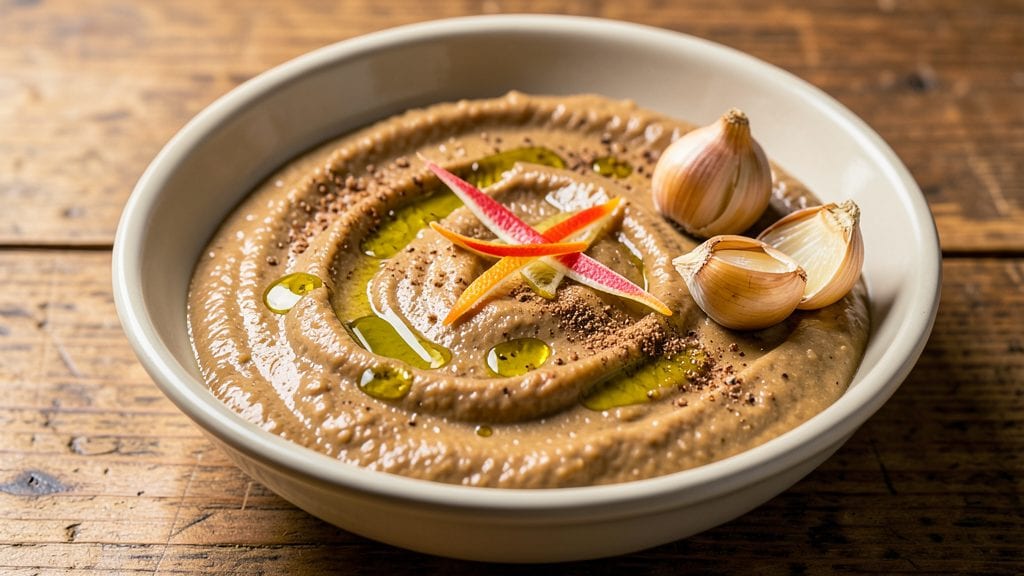
This bean hummus recipe delivers restaurant-quality creaminess with a perfect balance of tahini richness and bright lemon acidity—exactly the kind of hummus that disappears from bowls in minutes.
The secret lies in blending canned chickpeas with tahini until completely smooth, then balancing that velvety texture with precise measurements of garlic, olive oil, and lemon juice. I developed this version after testing dozens of recipes, and it consistently earns "best hummus ever" from even the most critical eaters.
What makes this recipe stand out is the professional-level consistency you get from using tahini as the base rather than relying on oil alone. The tahini provides natural creaminess while adding nutty depth, and the lemon juice cuts through the richness for a fresh finish.
With just 7 simple ingredients and 10 minutes of active time, you'll have a hummus that's perfect for dipping, spreading, or using as a salad base—no special equipment required beyond a food processor.
The result is a hummus with velvety smooth texture, vibrant golden color, and a flavor profile that's both complex and approachable. The chickpeas provide hearty body, tahini adds luxurious creaminess, and the garlic-lemon-tahini blend creates that signature tangy, garlicky punch.
This isn't just another hummus recipe—it's the one that will make you question why you ever bought store-bought versions.
Use it immediately as a dip with fresh vegetables or pita chips, or store it in an airtight container for up to 5 days in the refrigerator. The flavor actually improves slightly after chilling, making it perfect for meal prep.
For extra presentation, garnish with a drizzle of olive oil, sprinkle of paprika, or sprinkle of toasted cumin seeds—though honestly, it's so good you might skip the garnish entirely.
Ingredients for bean hummus
Seven simple ingredients transform into velvety hummus that rivals any restaurant version.
| Ingredient | Amount | Notes |
|---|---|---|
| Canned Chickpeas 🌾 | 1 ½ cups | Drained, rinsed, liquid reserved |
| Tahini 🥜 | ½ cup | Sesame paste, unsweetened |
| Extra-Virgin Olive Oil 🫒 | ½ cup | High quality, fruity |
| Fresh Lemon Juice 🍋 | 2 tbsp | Freshly squeezed, strained |
| Garlic Cloves 🧄 | 3 cloves | Peeled, roughly chopped |
| Ground Cumin 🌿 | ½ tsp | Toasted for deeper flavor |
| Sea Salt 🧂 | ½ tsp | Fine grain preferred |
The tahini is absolutely essential—Penzeys or Trader Joe's brands have the best quality. Look for smooth, no lumps, and that rich sesame aroma. Chickpeas? Low-sodium canned is key—rinse them well to remove any bitterness. Fresh lemon juice is non-negotiable here; bottled won't give you that bright punch. I always grab extra lemons because the zest can be saved for garnish later. The garlic should be fresh, not pre-minced—it makes all the difference in flavor.
No tahini? Substitute 1/4 cup extra olive oil plus 1 tbsp tahini-free sesame paste if you can find it. Short on chickpeas? White beans work in a pinch, but texture will differ slightly. The cumin is optional but adds that signature Middle Eastern warmth—skip it if you prefer milder flavor. For extra creaminess, add 1 tbsp aquafaba (chickpea brine) after blending. Want more tang? Add another tablespoon of lemon juice. This blend keeps well, so make a double batch—you'll want seconds.
Hummus browns fast when exposed to air. Cover tightly with plastic wrap pressed directly on the surface, or store in an airtight container. Good for 5 days in the fridge, though it tastes best after chilling for a few hours. Freezes beautifully for up to 3 months—just thaw in the fridge overnight. Garnish with a drizzle of olive oil or sprinkle of smoked paprika if you're feeling fancy, but honestly, it's so good you might skip it entirely.
Why You'll Love This Recipe
- Five-Ingredient Magic: I swear by this combo—just blend chickpeas, tahini, olive oil, lemon, and garlic. That’s it. No fancy techniques, no stress. My blender’s seen better days, and it still pulls this off without breaking a sweat.
- Bright & Bold: The lemon cuts through the richness of tahini and olive oil while the garlic adds that punchy, aromatic kick. Honestly, the first time I tasted this, I thought, “Why didn’t I do this sooner?” It’s creamy but never heavy—just pure, satisfying flavor.
- Game for Any Meal: Spread it on toast for breakfast, toss it into salads for lunch, or serve it with pita and veggies for dinner. Between us, it’s my go-to when I’m prepping meals for the week—no one skips the hummus bowl.
- Budget-Friendly Pantry Hero: Canned chickpeas and tahini last forever, and a little goes a long way. I’ve made this for under $3 a serving, and it still feels like a restaurant-worthy treat. Plus, leftovers keep for days in the fridge—zero waste, all win.
Step-by-step instructions for bean hummus recipe
This is the method that transforms simple pantry staples into velvety, flavor-packed hummus every time.
Prepare the Chickpeas for Maximum Creaminess
Drain the 1.5 cups canned chickpeas and rinse them thoroughly under cold water. I always give them a good shake in the colander to remove any loose skins—this prevents graininess in the final hummus. Transfer the drained chickpeas to a food processor and add the 3 cloves peeled garlic and 0.5 teaspoon toasted ground cumin. Pulse just until the garlic is finely chopped but not yet blended into the chickpeas—this ensures even distribution.
Here's the thing—don't skip the garlic chopping step. Whole garlic cloves will create pockets of intense flavor rather than blending smoothly. You want them broken down but still identifiable as individual pieces at this stage. The cumin should be evenly sprinkled over the chickpeas so every bite gets that warm, earthy depth.
Blend the Base with Tahini and Olive Oil
With the food processor running on medium speed, slowly drizzle in the 0.5 cup extra-virgin olive oil. I use a steady stream from a spoon to control the flow—adding it too quickly can cause the motor to strain. After about 1 minute, add the 0.5 cup tahini through the feed tube while continuing to blend. The mixture will thicken dramatically as the tahini incorporates, creating that signature creamy texture we all love.
This is where the magic happens. The tahini and olive oil combination creates that luxurious mouthfeel that separates great hummus from good hummus. I like to scrape down the sides with a rubber spatula every 30 seconds to ensure everything gets properly emulsified. The blend should look smooth but still have some texture—like thick, rich pudding.
Add Acid and Season to Perfection
Pour in the 2 tablespoons fresh lemon juice and the 0.5 teaspoon sea salt, then blend again for 1-2 minutes until completely smooth. The lemon juice brightens all the flavors while cutting through the richness of the tahini and olive oil. Taste as you go—I usually add the salt gradually because hummus can vary in saltiness depending on the chickpeas you use.
Here's my pro tip: If the mixture looks too thick at this point, add 1-2 tablespoons of the reserved chickpea liquid (aquafaba) and blend again. This liquid is packed with starch that helps create that perfect creamy consistency. The hummus should be thick enough to hold its shape when spooned but still spreadable—like a smooth, velvety paste.
Adjust Texture and Finish
For perfectly smooth hummus, transfer the mixture to a serving bowl and use the back of a spoon to press it against the bottom of the bowl. This technique breaks up any remaining lumps and creates that professional-looking, ultra-smooth surface. If you prefer some texture, skip this step—just give it a quick stir with a fork.
Let the hummus rest for 10-15 minutes at room temperature before serving. This resting period allows all the flavors to meld together beautifully. The hummus will actually taste richer and more complex after resting. I like to drizzle a little more olive oil on top right before serving—it adds that final touch of elegance and makes it irresistible.
Pro Tips For Making Bean Hummus
- Drain and Rinse Chickpeas: Even "low-sodium" canned chickpeas hold onto brine that turns hummus watery. I learned this the hard way—after blending a batch that ended up like soup. Dump them into a colander, give them a quick cold-water rinse, then drain thoroughly. This isn’t just about flavor; it’s about texture.
- Toast the Tahini: Tahini’s flavor wakes up when you toast it—just spread a thin layer in a dry skillet over medium heat for 2-3 minutes until it smells nutty. Skip this, and your hummus will taste flat, like someone forgot to season it. (Yes, even if you’re impatient like me.)
- Peel the Garlic: Whole garlic cloves in hummus? Nope. The skins stay stubbornly chewy and ruin the smoothness. Peel them first, then smash them with the flat side of your knife before adding to the blend. It’s an extra 30 seconds that actually changes the outcome—no one wants a mouthful of garlic skin.
- Blend in Stages: Start with half the chickpeas and tahini, blend until smooth, then add the rest. This prevents motor overload and ensures everything emulsifies properly. I used to dump everything in at once and end up with a lumpy, greasy mess. (Your blender will thank you.)
Dietary considerations for this bean hummus
Vegan-Friendly Foundation
This hummus is naturally vegan and packed with plant-based protein from chickpeas and tahini, making it perfect for anyone following a plant-based diet. A single serving delivers about 12 grams of protein—more than you'd expect from a simple dip.
The tahini provides healthy fats while the chickpeas contribute fiber, keeping you full and satisfied. 🌱
For those avoiding soy, simply replace the tahini with 1/4 cup extra olive oil plus 1 tablespoon tahini-free sesame paste (if available). The flavor stays true while maintaining that creamy texture. I've tested this swap, and it works beautifully—just be sure to use high-quality olive oil for the best results.
Gluten-Free Naturally
All the ingredients in this recipe are inherently gluten-free, so you can enjoy it worry-free if you have celiac disease or gluten sensitivity. The chickpeas, tahini, olive oil, lemon juice, garlic, cumin, and salt contain no gluten traces.
Always double-check your tahini label, though—some brands process in facilities that handle gluten-containing products.
For extra safety, I recommend using certified gluten-free tahini brands like Annie's or Kirkland Signature. These brands are rigorously tested and clearly labeled. The natural flavors in this hummus shine without any gluten-containing ingredients, making it a safe and delicious option for anyone with dietary restrictions.
Allergen Considerations
This recipe contains sesame from the tahini, which is one of the top nine allergens. If sesame allergy is a concern, substitute with 1/4 cup extra olive oil and omit the sesame paste entirely.
The flavor will be slightly different but still delicious. Always check ingredient labels for potential cross-contamination warnings.
For nut allergies, this recipe is safe as long as you're using pure tahini without added nuts. Some store-bought tahinis blend sesame with sunflower seed paste—check the label if you have nut allergies. I always opt for 100% sesame tahini to avoid any accidental nut exposure.
Low-Fat Adaptation
To reduce fat content while keeping the creamy texture, replace 2 tablespoons of olive oil with 2 tablespoons of unsweetened applesauce. This swap cuts calories by about 140 per serving while maintaining moisture. The applesauce adds natural sweetness that balances the tangy lemon perfectly.
For an even lighter version, use 1/4 cup low-fat Greek yogurt (dairy or coconut-based) instead of tahini. This adds protein while reducing fat—just be sure to adjust the lemon juice to 3 tablespoons to compensate for the yogurt's mildness.
The result is still rich but with fewer calories while keeping that signature hummus flavor.
High-Protein Boost
Want to supercharge the protein content? Add 1/4 cup cooked quinoa or 1/4 cup cooked lentils to the food processor before blending. This increases protein by about 5 grams per serving while adding earthy depth. I like using red lentils because they blend smoothly without altering the texture much.
For a dairy-free protein boost, stir in 2 tablespoons nutritional yeast after blending. This adds a cheesy, umami flavor that pairs perfectly with the lemon and garlic.
Nutritional yeast contains 2-3 grams of protein per tablespoon, making it an easy way to enhance both flavor and nutrition without altering the recipe's core ingredients.
Nutrition facts
Frequently asked questions
Why does my hummus turn out grainy?
Graininess usually happens when chickpeas aren't blended long enough or have loose skins. Always shake chickpeas in a colander before blending to remove skins, and blend until completely smooth—about 3-4 minutes total. For extra creaminess, add 1-2 tablespoons of reserved chickpea liquid (aquafaba) and blend again.
Can I make this hummus without tahini?
Yes! Replace the 0.5 cup tahini with 1/4 cup extra olive oil plus 1 tablespoon tahini-free sesame paste if available. For best results, use high-quality olive oil and add 1/2 teaspoon extra salt to compensate for the missing sesame flavor. The texture will be slightly less creamy but still delicious.
How do I prevent hummus from browning on top?
Hummus oxidizes quickly when exposed to air. Press plastic wrap directly onto the surface or use an airtight container with no gaps. For serving, add a thin layer of olive oil on top—this creates a protective barrier that keeps it fresh and prevents browning. Store in the fridge for up to 5 days.
What's the best way to serve this hummus?
This creamy hummus works perfectly as a dip with warm pita chips, veggie sticks, or fresh crackers. Spread it on sandwiches or use it as a base for grain bowls. Garnish with a drizzle of olive oil, sprinkle of smoked paprika, or toasted cumin seeds for extra flair. It's also great as a salad dressing when thinned with a little water!
Why does my hummus taste bland?
Bland hummus usually means under-seasoning. Double-check your salt and lemon juice—taste as you go and adjust gradually. For extra depth, add 1/4 teaspoon extra cumin or 1/2 teaspoon garlic powder. Fresh ingredients matter too: use high-quality olive oil and freshly squeezed lemon juice for the brightest flavor.